
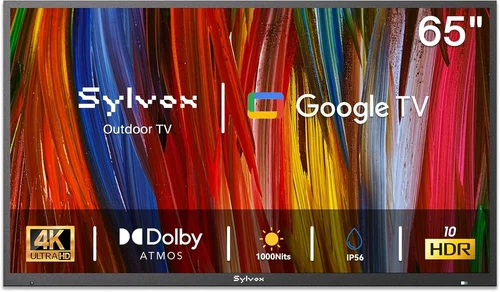
If you live in a rainy climate, turning your patio into a cozy outdoor entertainment space can feel like a dream—until you realize that most TVs aren’t built to handle constant moisture, temperature swings, and unpredictable weather. That’s where a weatherproof or outdoor-rated TV comes in. But with so many options flooding the market, it’s easy to get overwhelmed by technical jargon, inflated claims, and confusing product categories. This guide exists to cut through the noise and help you make a smart, informed decision.
Whether you’re planning movie nights under the stars, catching the big game with friends, or simply enjoying your favorite show while sipping coffee on a covered porch, choosing the right TV for a rainy climate is about more than just screen size or resolution. It’s about durability, performance in low-light conditions, resistance to corrosion, and long-term reliability. In this comprehensive buying guide, we’ll walk you through every critical factor—from IP ratings and build materials to smart features and warranty coverage—so you can confidently invest in a patio TV that lasts for years, not months.
The outdoor TV market has evolved rapidly over the past decade. Once dominated by bulky, overpriced commercial-grade models, it now includes sleek consumer options from major brands like Samsung, LG, Sony, and specialized outdoor manufacturers such as SunBriteTV and Seura. These TVs are engineered to withstand rain, humidity, dust, and even extreme temperatures—some operating safely from -30°F to 120°F. With advancements in anti-glare coatings, brighter displays, and integrated weatherproofing, today’s outdoor TVs deliver indoor-quality picture performance without compromising on protection. Let’s dive into what you need to know before making your purchase.

What to Look for When Buying a Patio TV for Rainy Climates
1. Weather Resistance & IP Rating
The single most important factor when choosing a TV for a rainy climate is its ability to resist water and moisture. Unlike indoor TVs, which are not designed to handle any exposure to the elements, outdoor TVs must meet specific ingress protection (IP) standards. The IP rating system—expressed as “IPXY”—indicates how well a device is protected against solids (like dust) and liquids (like rain).
For patio use, especially in areas with frequent rain, you should look for a minimum IP55 rating. This means the TV is protected against low-pressure water jets from any direction and limited dust ingress. However, if your patio is partially exposed or you live in a region with heavy downpours, aim for IP65 or higher. IP65 offers full protection against dust and powerful water jets, making it ideal for uncovered or semi-covered outdoor spaces.
Don’t confuse IP ratings with “weather-resistant” marketing claims. Some manufacturers label their TVs as “outdoor-ready” but only include a basic cover or recommend using a separate enclosure. True outdoor TVs have sealed ports, corrosion-resistant internal components, and gaskets around all openings. Always verify the IP rating in the product specifications, not just the marketing copy.
Additionally, consider whether the TV is rated for both high and low temperatures. Rainy climates often come with humidity and temperature fluctuations. A TV that can operate safely between -22°F and 122°F ensures reliable performance year-round, whether you’re dealing with a chilly spring drizzle or a humid summer storm.
2. Display Brightness & Anti-Glare Technology
One of the biggest challenges with outdoor TVs is visibility in ambient light. Even on cloudy or overcast days, natural light can wash out the picture on a standard TV. That’s why brightness—measured in nits—is crucial. Most indoor TVs range from 200 to 500 nits, but for outdoor use, you need significantly more.
Look for a TV with at least 700 nits of brightness, though 1,000 nits or higher is ideal for patios with partial sun exposure. High brightness ensures that colors remain vibrant and details stay sharp, even when light reflects off the screen. Many outdoor TVs also feature anti-reflective or anti-glare coatings that reduce mirror-like reflections, improving viewing angles and comfort.
Another key technology is direct-lit or full-array local dimming (FALD), which enhances contrast by dynamically adjusting backlighting. This is especially helpful in shaded or covered patios where shadows and uneven lighting can affect image quality. OLED panels, while offering excellent contrast, are generally not recommended for outdoor use due to their lower peak brightness and susceptibility to burn-in under constant static content (like news tickers or sports scores).
Consider the viewing angle as well. If your seating area is off-center or spread out, an IPS panel may offer better color consistency at wide angles compared to VA panels, which can suffer from color shift when viewed from the side.
3. Build Quality & Durability
Outdoor environments are harsh. Rain, humidity, salt air (if you’re near the coast), and temperature changes can degrade electronics over time. That’s why build quality matters just as much as picture performance. A durable outdoor TV should feature a robust metal chassis—preferably aluminum or stainless steel—that resists rust and corrosion.
Internal components should be sealed and protected from moisture ingress. Look for TVs with conformal coating on circuit boards, which adds a protective layer against humidity and condensation. Ports (HDMI, USB, power) should be covered with rubber gaskets or have built-in seals to prevent water from seeping in.
The screen itself should be made of tempered glass or reinforced acrylic to resist scratches and impacts from wind-blown debris. Some premium models even include heated screens to prevent fogging or ice buildup in colder climates.
Don’t overlook the mounting system. Outdoor TVs often require specialized wall or ceiling mounts that are also weatherproof. Ensure the mount is rated for outdoor use and compatible with your TV’s VESA pattern. A poorly mounted TV can become a safety hazard in high winds or storms.
4. Smart Features & Connectivity
Just because a TV is built for the outdoors doesn’t mean it should skimp on modern conveniences. Most buyers want access to streaming services like Netflix, YouTube, and Disney+, as well as voice control via Alexa or Google Assistant. Fortunately, many outdoor TVs now come with full smart platforms.
Look for models running Android TV, webOS (LG), or Tizen (Samsung), as these offer the broadest app support and regular software updates. Built-in Wi-Fi (preferably dual-band 2.4GHz and 5GHz) ensures stable streaming, even at a distance from your router. Some models include Ethernet ports for wired connections, which can be more reliable in areas with weak Wi-Fi signals.
HDMI inputs are essential for connecting gaming consoles, soundbars, or streaming devices like Apple TV or Roku. Aim for at least two HDMI 2.0 or HDMI 2.1 ports to future-proof your setup. USB ports allow for media playback or firmware updates, while optical audio outputs let you connect to external speakers or sound systems.
Voice control integration is a nice bonus, especially if you plan to use the TV hands-free during outdoor gatherings. However, ensure the microphone is weather-sealed or can be disabled when not in use to prevent moisture damage.
5. Audio Performance & Sound Solutions
Outdoor acoustics are tricky. Wind, ambient noise, and open spaces can make built-in TV speakers sound tinny or weak. Most outdoor TVs include basic stereo speakers, but they’re rarely sufficient for a satisfying audio experience.
If audio quality is important, consider pairing your TV with a weatherproof soundbar or outdoor speaker system. Many manufacturers offer matching audio accessories designed to withstand the same conditions as their TVs. Alternatively, look for TVs with higher-wattage built-in speakers (20W or more) and support for external audio via Bluetooth, optical, or RCA outputs.
Some premium models feature upward-firing drivers or Dolby Atmos support, but these are less effective outdoors due to sound dispersion. For best results, invest in a dedicated outdoor audio setup—such as in-ground or wall-mounted speakers—that complements your TV’s visual performance.
Also, be mindful of local noise ordinances. If you live in a residential area, excessive volume from outdoor speakers could lead to complaints. Look for systems with adjustable volume limits or night mode settings.
6. Size & Viewing Distance
Choosing the right screen size depends on your patio layout and typical viewing distance. A TV that’s too small will be hard to see from a distance, while one that’s too large can overwhelm the space and strain your eyes.
As a general rule, divide your viewing distance (in inches) by 1.5 to 2.5 to determine the ideal screen size. For example, if you’re sitting 8 feet (96 inches) away, a 40- to 65-inch TV would be appropriate. On a larger patio with seating 12 feet away, consider a 75-inch model.
Keep in mind that outdoor TVs are often brighter and have higher contrast, so you may not need as large a screen as you would indoors. Also, consider the physical dimensions—ensure the TV fits comfortably on your wall or stand without obstructing walkways or views.
If your patio is covered but partially open, a larger screen can help compensate for potential glare or distance. However, avoid going overboard; a 85-inch TV may be excessive unless you have a very spacious outdoor living area.
7. Brand Reputation & Reliability
Not all outdoor TV brands are created equal. While mainstream manufacturers like Samsung and LG have entered the outdoor market, they often rely on third-party enclosures or limited weatherproofing. In contrast, companies like SunBriteTV, Seura, and SkyVue specialize in outdoor displays and have years of experience engineering for harsh conditions.
Research brand reputation by reading professional reviews, customer testimonials, and long-term reliability reports. Look for brands that offer transparent specifications, detailed installation guides, and responsive customer support. Avoid unknown or generic brands that lack verifiable IP ratings or warranty coverage.
Established outdoor TV brands typically provide better after-sales service, including replacement parts, repair networks, and extended warranties. They also tend to use higher-grade materials and undergo rigorous testing for durability and performance.
That said, don’t dismiss mainstream brands entirely. Samsung’s “The Terrace” and LG’s “OLED Flex” (with optional outdoor kits) are legitimate options for covered patios. Just ensure you’re getting a true outdoor model, not an indoor TV with a weather cover.
8. Warranty & Support
Outdoor electronics are a significant investment, so robust warranty coverage is essential. Most reputable outdoor TV manufacturers offer at least a 2-year warranty, with some extending to 3 or even 5 years. This typically covers defects in materials and workmanship, but not damage from improper installation or extreme weather events.
Check what the warranty includes: Does it cover labor? Are replacement parts readily available? Is there a service center near you? Some brands offer on-site repair or loaner units during servicing, which can be a lifesaver if your TV fails during peak entertainment season.
Also, review the return policy. Many retailers allow 30-day returns, but outdoor TVs may have restocking fees or require original packaging. If you’re buying online, ensure the seller offers free return shipping in case the TV doesn’t meet your expectations.
Finally, consider purchasing an extended warranty or protection plan, especially if you live in an area prone to storms, flooding, or high humidity. While not always necessary, it can provide peace of mind for a relatively small additional cost.
Different Types of Outdoor TVs for Rainy Climates

Common Buying Mistakes to Avoid
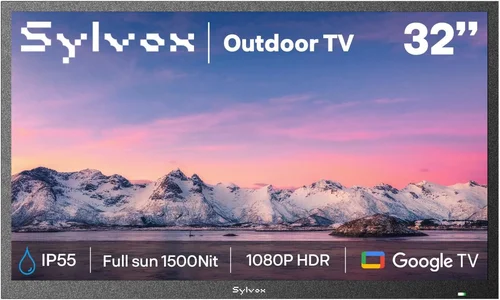
❌ Mistake: Buying an Indoor TV for Outdoor Use
Why it’s bad: Indoor TVs are not designed to handle moisture, temperature changes, or dust. Even brief exposure to rain can cause internal corrosion, short circuits, or permanent damage. Many indoor TVs also lack the brightness needed for outdoor visibility.
What to do instead: Always choose a TV specifically rated for outdoor use. If budget is a concern, consider a covered patio model or use a high-quality weather enclosure—but never assume an indoor TV will survive outdoors.
❌ Mistake: Ignoring the IP Rating
Why it’s bad: Without a proper IP rating, you have no guarantee the TV can withstand rain or humidity. Marketing terms like “weather-resistant” or “outdoor-ready” are often misleading and don’t indicate true protection levels.
What to do instead: Verify the IP rating in the technical specifications. For rainy climates, aim for IP55 or higher. Cross-check with independent reviews or manufacturer documentation.
❌ Mistake: Overlooking Viewing Distance and Screen Size
Why it’s bad: A TV that’s too small will be hard to see from a distance, while one that’s too large can cause eye strain and look out of place. Poor sizing leads to dissatisfaction and wasted money.
What to do instead: Measure your typical viewing distance and use the 1.5–2.5x rule to determine the ideal screen size. Test with a tape measure or use online screen size calculators.
❌ Mistake: Skimping on Audio
Why it’s bad: Built-in TV speakers are often weak and lack bass, especially outdoors where sound dissipates quickly. Relying solely on TV audio can ruin the viewing experience.
What to do instead: Invest in a weatherproof soundbar or outdoor speaker system. Look for models with at least 20W output and weather-resistant enclosures.
❌ Mistake: Neglecting Installation and Mounting
Why it’s bad: Improper mounting can lead to water ingress, structural failure, or even the TV falling during high winds. Using indoor mounts outdoors is a common but dangerous oversight.
What to do instead: Use a certified outdoor mount rated for your TV’s weight and size. Ensure all cables are routed through sealed conduits and the mount is securely anchored to a solid surface.
❌ Mistake: Not Checking Warranty Coverage
Why it’s bad: Outdoor TVs are expensive, and repairs can be costly. A limited or unclear warranty may leave you paying out of pocket for failures that should be covered.
What to do instead: Read the warranty terms carefully. Choose brands that offer at least 2 years of coverage and have a strong service network.
❌ Mistake: Buying Based on Price Alone
Why it’s bad: The cheapest option often lacks essential features like proper weather sealing, brightness, or durability. You may end up replacing it within a year.
What to do instead: Balance cost with long-term value. A mid-range outdoor TV with solid build quality and good reviews will outlast and outperform a bargain model.
Budget Guidelines: How Much Should You Spend?
Entry-Level ($800 – $1,500): This tier includes indoor TVs paired with weatherproof enclosures or basic covered patio models. While affordable, they often lack full weather sealing, high brightness, or robust build quality. Best for temporary setups or fully covered, low-exposure areas.
Mid-Range ($1,500 – $3,500): The sweet spot for most homeowners. These TVs offer IP55+ ratings, 700–1,000 nits brightness, smart features, and durable construction. Ideal for covered patios in rainy climates. Brands like SunBriteTV and Seura offer excellent options in this range.
Premium ($3,500 – $6,000): For enthusiasts and those with partially exposed patios. These models feature IP65+ ratings, 1,000+ nits brightness, heated screens, and premium audio. Built to last 5–7 years with minimal maintenance.
Luxury ($6,000+): Top-tier commercial-grade or custom outdoor displays. Designed for 24/7 operation, extreme weather, and large-scale installations. Often used in hotels, restaurants, or luxury homes. Includes advanced features like remote monitoring, modular designs, and extended warranties.
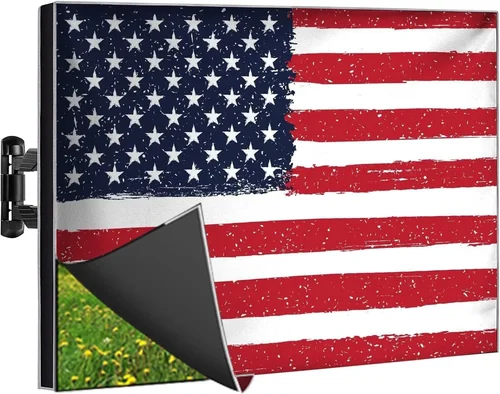
Expert Tips for Getting the Best Deal
- Buy during off-seasons: Prices on outdoor TVs drop significantly in late fall and winter when demand is low. Look for Black Friday, Cyber Monday, or end-of-year sales.
- Shop at specialty retailers: Stores like Crutchfield, Abt, or Outdoor TV Direct often have better expertise, bundles, and customer support than big-box retailers.
- Compare total cost of ownership: A cheaper TV may cost more in the long run if it requires frequent repairs or replacement. Factor in warranty, durability, and energy efficiency.
- Check for rebates or tax incentives: Some regions offer energy rebates for efficient outdoor electronics. Ask your retailer or check local utility programs.
- Test before you buy: If possible, visit a showroom to see the TV in person. Check brightness, color accuracy, and menu usability.
- Negotiate installation: Many retailers offer free or discounted installation with purchase. Don’t hesitate to ask.
- Read the fine print: Ensure the TV is compatible with your region’s voltage, streaming services, and mounting requirements.
- Consider refurbished models: Certified refurbished outdoor TVs from reputable sellers can save you 20–30% with full warranty coverage.

Frequently Asked Questions
Q: Can I use a regular TV outside if it’s under a roof?
A: Only if it’s fully protected from rain, humidity, and temperature swings. Even under a roof, condensation and wind-driven rain can damage an indoor TV. For true safety, use a covered patio TV or weatherproof enclosure.
Q: Do outdoor TVs use more electricity?
A: Yes, due to higher brightness and additional cooling/heating systems. However, many modern models are Energy Star certified and use efficient LED backlighting. Expect a 20–40% increase in power consumption compared to indoor TVs.
Q: How do I clean an outdoor TV screen?
A: Use a microfiber cloth and a mild solution of water and isopropyl alcohol (50/50). Avoid ammonia-based cleaners or abrasive materials. Power off the TV and let it cool before cleaning.
Q: Can I leave my outdoor TV on during a storm?
A: It’s not recommended. While the TV is weatherproof, lightning strikes can cause power surges. Use a surge protector and unplug during severe storms.
Q: Do outdoor TVs come with remotes?
A: Yes, most include weather-resistant remotes. Some models also support smartphone apps or voice control as alternatives.
Q: How long do outdoor TVs last?
A: With proper care, a quality outdoor TV can last 5–7 years or more. Regular maintenance, such as cleaning vents and checking seals, can extend its lifespan.
Q: Can I mount an outdoor TV on a brick or concrete wall?
A: Yes, but you’ll need masonry anchors and a heavy-duty outdoor mount. Consult a professional installer to ensure safety and proper sealing.
Q: Are outdoor TVs compatible with streaming devices?
A: Absolutely. Most have HDMI ports for devices like Roku, Apple TV, or Fire Stick. Some even include built-in streaming platforms.
Q: What’s the difference between a weatherproof TV and a weather-resistant TV?
A: “Weatherproof” typically means fully sealed and rated for outdoor use (IP65+). “Weather-resistant” is a looser term and may only refer to partial protection or the need for an enclosure.
Q: Can I use an outdoor TV indoors?
A: Yes, but it’s overkill and often more expensive than necessary. Outdoor TVs are optimized for brightness and durability, not indoor aesthetics or energy efficiency.
Our Final Recommendations
Best for Budget-Conscious Buyers: SunBriteTV Veranda Series (55-inch) – A covered patio TV with 700 nits brightness, IP55 rating, and smart features at a competitive price. Ideal for porches and screened-in areas.
Best Overall Value: Seura Shade 2.0 (65-inch) – Combines 1,000 nits brightness, IP65 rating, and a sleek design. Excellent for partially exposed patios in rainy climates.
Best Premium Option: SunBriteTV Pro 2 Series (75-inch) – Built for full exposure with IP66 rating, heated screen, and 1,500 nits brightness. Perfect for decks and poolside entertainment.
Best for Beginners: Samsung The Terrace (65-inch) – A mainstream brand option with 2,000 nits brightness and Tizen OS. Great for covered patios and easy setup.
Best for Advanced Users: SkyVue Ultra 85-inch Commercial Display – Designed for 24/7 operation, extreme weather, and large venues. Includes remote monitoring and modular design.
Conclusion: Making the Right Choice
Choosing the right TV for a rainy climate patio is about balancing protection, performance, and practicality. It’s not just about surviving the rain—it’s about enjoying crisp, vibrant visuals and reliable operation year after year. By prioritizing weather resistance, brightness, build quality, and smart features, you can transform your outdoor space into a true entertainment hub.
Remember, the cheapest option isn’t always the best, and the most expensive isn’t always necessary. Assess your specific needs: How exposed is your patio? How far will you be sitting? Do you need streaming, gaming, or multi-room audio? Use this guide to narrow down your options and avoid common pitfalls.
Investing in a quality outdoor TV is more than a purchase—it’s an enhancement to your lifestyle. Whether you’re hosting summer barbecues, watching holiday movies under string lights, or simply unwinding after a long day, the right TV will deliver years of enjoyment. So take your time, do your research, and choose wisely. Your perfect patio experience is just a screen away.

