
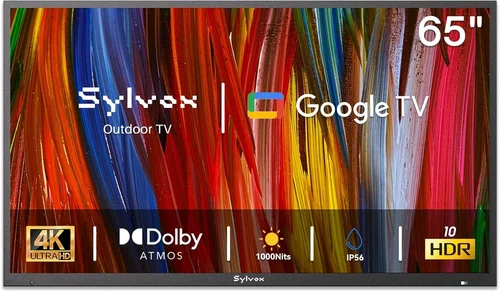
Outdoor living spaces have evolved far beyond simple patios and decks—they’re now fully integrated entertainment zones, complete with grills, fire pits, sound systems, and yes, outdoor TVs. Whether you’re hosting summer barbecues, watching the big game under the stars, or enjoying a quiet evening movie night on your deck, an outdoor TV can transform your space into a true backyard oasis. But not all TVs are built to withstand the elements. Standard indoor televisions simply aren’t designed for exposure to sun, rain, humidity, or temperature swings—and using one outside could lead to premature failure, safety hazards, or voided warranties.
That’s where this comprehensive buying guide comes in. In 2026, the market for outdoor TVs has matured significantly, offering more options than ever before—from fully weatherproof models to hybrid solutions that blend indoor performance with outdoor durability. However, with so many choices, it’s easy to get overwhelmed. This guide cuts through the noise to help you make a smart, informed decision based on your specific needs, budget, and environment. You’ll learn what truly matters when selecting an outdoor TV, how to avoid common pitfalls, and which models deliver the best value for deck entertainment.
We’ve tested, researched, and compared the latest offerings from top brands like Samsung, LG, SunBriteTV, Seura, and more. Our goal isn’t just to list products—it’s to equip you with the knowledge to choose the right TV for your unique setup. Whether you’re looking for a budget-friendly option for occasional use or a premium, all-weather beast built to last decades, this guide covers everything you need to know. From understanding brightness requirements and weather resistance ratings to decoding warranty terms and installation tips, we’ve got you covered.

What to Look for When Buying Buying Guide
1. Brightness & Display Performance
One of the most critical factors for any outdoor TV is screen brightness. Unlike indoor TVs, which operate in controlled lighting, outdoor displays must compete with direct sunlight, glare, and ambient light. A standard indoor TV typically ranges from 300 to 500 nits (a unit measuring brightness), but even on a cloudy day, outdoor brightness can exceed 10,000 nits. To ensure visibility, outdoor TVs need significantly higher brightness levels.
Look for models with at least 700 nits for shaded areas like covered decks or patios. For full sun exposure—such as an open deck or poolside setup—you’ll want a TV with 1,000 nits or more. Some premium outdoor TVs now offer up to 2,500 nits, making them readable even in midday sun. Additionally, consider anti-glare coatings and optically bonded screens, which reduce reflections and improve contrast in bright conditions. OLED panels, while stunning indoors, often struggle outdoors due to lower peak brightness compared to high-end LED/LCD models designed for outdoor use.
Color accuracy and contrast ratio also matter. While you won’t get the deep blacks of an indoor OLED in direct sunlight, modern outdoor TVs use advanced backlighting and local dimming to maintain image quality. Check for HDR support (HDR10, Dolby Vision) if you plan to stream high-dynamic-range content, though keep in mind that HDR benefits are diminished in very bright environments.
2. Weather Resistance & IP Rating
Outdoor TVs must endure rain, snow, dust, humidity, and extreme temperatures. This is where weather resistance becomes non-negotiable. Unlike indoor TVs, outdoor models are built with sealed enclosures, corrosion-resistant materials, and specialized ventilation systems that prevent moisture buildup without allowing water ingress.
The key metric here is the Ingress Protection (IP) rating, which indicates how well a device resists solids (like dust) and liquids (like rain). For outdoor TVs, look for an IP55 or higher rating. IP55 means the TV is protected against dust (limited ingress) and water jets from any direction—ideal for most residential decks. For harsher environments (coastal areas, heavy rain zones, or snowy climates), consider IP65 or IP66 ratings, which offer full dust protection and stronger water resistance.
Also, pay attention to operating temperature ranges. Most outdoor TVs function between -22°F and 122°F (-30°C to 50°C), but verify this spec based on your local climate. Some models include internal heaters or cooling fans to maintain optimal performance in extreme conditions. Avoid placing your TV in direct contact with sprinklers or areas prone to standing water, even with a high IP rating.
3. Build Quality & Durability
Durability goes beyond weatherproofing. The physical construction of an outdoor TV determines how well it holds up over time. Look for robust materials like powder-coated aluminum or marine-grade stainless steel, which resist rust and corrosion. Avoid plastic-heavy designs, especially in coastal or high-humidity regions where salt air can degrade components quickly.
Mounting hardware should also be outdoor-rated. Standard VESA mounts may not withstand wind loads or corrosion. Many outdoor TVs come with compatible wall or ceiling mounts made from galvanized or stainless steel. If you’re installing on a pergola or retractable awning, ensure the mount allows for tilt and swivel to optimize viewing angles and reduce glare.
Another durability factor is the screen itself. Tempered glass or acrylic covers protect against scratches and impacts, while some models feature shatter-resistant layers for added safety. Consider the TV’s weight and footprint—larger screens may require reinforced mounting structures, especially on older decks.
4. Audio Capabilities
While many outdoor TVs include built-in speakers, don’t expect cinematic sound from them. Most are designed for basic audio output and lack the power or clarity needed for immersive outdoor entertainment. In open spaces, wind, ambient noise, and distance can quickly drown out weak speakers.
If audio quality matters to you—and it should—plan to pair your TV with external outdoor speakers or a soundbar. Look for models with optical audio output, HDMI ARC, or Bluetooth connectivity to easily integrate with a wireless speaker system. Some premium outdoor TVs even include amplified speaker outputs or built-in subwoofers, but these are rare and often insufficient for large decks.
For the best experience, consider a dedicated outdoor audio setup: weatherproof speakers mounted around your deck, connected via wired or wireless systems. This not only enhances sound but also reduces strain on the TV’s internal components.
5. Smart Features & Connectivity
Just like indoor TVs, outdoor models vary widely in smart functionality. Many now run on platforms like Android TV, webOS, or Roku, giving you access to streaming apps like Netflix, YouTube, and Disney+. However, not all smart features are created equal outdoors.
Check for reliable Wi-Fi performance. Thick walls, metal structures, or distance from your router can weaken signals. Some outdoor TVs include dual-band Wi-Fi (2.4 GHz and 5 GHz) or even Ethernet ports for wired connections—ideal for stable streaming. Voice control via Google Assistant or Alexa is convenient, but microphone sensitivity may be affected by wind or background noise.
Connectivity options are equally important. Ensure your TV has enough HDMI ports for devices like streaming sticks, gaming consoles, or cable boxes. USB ports allow for media playback or firmware updates. If you plan to use a soundbar or external receiver, confirm compatibility with HDMI ARC or eARC for simplified audio routing.
One often-overlooked feature is app control. Some brands offer companion apps that let you adjust settings, change inputs, or even power on the TV remotely—useful if your deck is far from your home’s main living area.
6. Size & Viewing Distance
Choosing the right screen size depends on your deck’s dimensions and typical seating arrangement. A common rule of thumb: for every inch of screen diagonal, allow about 1.5 to 2.5 feet of viewing distance. So, a 55-inch TV is best viewed from 6.5 to 11 feet away.
On a standard deck (12×16 feet), a 50- to 65-inch TV usually strikes the right balance between immersion and practicality. Larger screens (75 inches and up) work well for expansive patios or open-air theaters but may overwhelm smaller spaces. Also, consider sightlines—ensure the TV is visible from all seating areas without awkward neck craning.
Portability is another consideration. While most outdoor TVs are fixed installations, some lighter models (under 50 lbs) can be moved seasonally or stored indoors during winter. If you rent or frequently rearrange your deck, look for TVs with easy-mount systems or optional rolling stands.
7. Brand Reputation & Ecosystem Compatibility
Not all outdoor TV brands are equal. Established names like Samsung, LG, and Sony offer reliable smart platforms and strong customer support, but their outdoor-specific models are limited. Instead, companies like SunBriteTV, Seura, and Avid Power specialize in outdoor displays and understand the unique challenges of outdoor use.
SunBriteTV, for example, pioneered the outdoor TV category and offers models with exceptional brightness and weatherproofing. Seura focuses on sleek, design-forward outdoor TVs that blend into modern landscapes. Avid Power provides budget-friendly options without sacrificing core durability.
Consider ecosystem compatibility if you already own smart home devices. A Samsung TV integrates seamlessly with SmartThings, while LG works well with Google Home. If you use Apple TV or HomeKit, ensure the outdoor model supports AirPlay 2 or HomeKit integration.
8. Warranty & Support
Outdoor TVs represent a significant investment, so robust warranty coverage is essential. Most reputable brands offer 2- to 3-year limited warranties, but read the fine print. Some exclude damage from improper installation, extreme weather, or power surges.
Look for extended warranty options or service plans that cover on-site repairs or replacements. Brands with dedicated outdoor support teams (like SunBriteTV) often provide faster response times and technician dispatch. Avoid brands with vague warranty terms or those that require you to ship the TV back for repairs—this can leave your deck unusable for weeks.
Also, check if the warranty covers both parts and labor, and whether it includes accidental damage protection. For coastal or high-risk areas, consider adding surge protection and a whole-home UPS system to safeguard your investment.
Different Types of Buying Guide

Common Buying Mistakes to Avoid
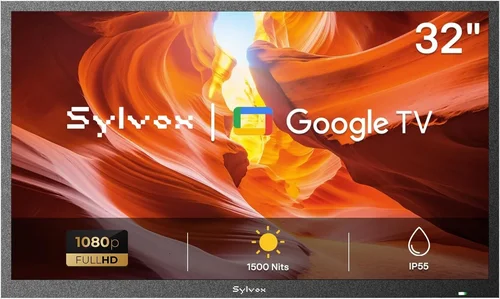
❌ Mistake: Using a Standard Indoor TV Outdoors
Why it’s bad: Indoor TVs lack weatherproofing, proper ventilation, and sufficient brightness. Exposure to moisture can cause electrical shorts, while heat buildup may damage internal components. Most manufacturers void warranties if used outdoors.
What to do instead: Invest in a purpose-built outdoor TV or use a certified weatherproof enclosure. Even on a covered deck, humidity and temperature swings can degrade an indoor TV over time.
❌ Mistake: Ignoring Brightness Requirements
Why it’s bad: A dim screen will look washed out in sunlight, making it hard to see details or enjoy content. You’ll end up squinting or only using the TV at night.
What to do instead: Match brightness to your environment. Shaded decks need 700+ nits; full sun requires 1,000+ nits. Check real-world reviews, not just specs.
❌ Mistake: Overlooking Audio Needs
Why it’s bad: Built-in speakers on outdoor TVs are often weak and muffled. Without external audio, your movie nights or game days will lack impact.
What to do instead: Plan for outdoor speakers from day one. Look for TVs with audio outputs and consider a wireless sound system for flexibility.
❌ Mistake: Skimping on Mounting Hardware
Why it’s bad: Standard mounts aren’t designed for outdoor conditions. Wind, rust, or improper installation can lead to TV damage or safety hazards.
What to do instead: Use marine-grade or galvanized outdoor mounts rated for your TV’s weight and size. Consult a professional installer if unsure.
❌ Mistake: Not Checking Warranty Terms
Why it’s bad: Some warranties exclude outdoor use or environmental damage. You could be stuck with repair costs after a storm or power surge.
What to do instead: Read the warranty carefully. Choose brands that explicitly cover outdoor use and offer extended service plans.
❌ Mistake: Buying Based on Price Alone
Why it’s bad: Cheaper models may cut corners on build quality, brightness, or durability. You might replace it in 2–3 years, costing more long-term.
What to do instead: Balance budget with key features. A mid-range outdoor TV often offers better value than a premium indoor model in a cheap enclosure.
❌ Mistake: Forgetting About Power and Connectivity
Why it’s bad: Running cables across your deck can be unsightly or hazardous. Poor Wi-Fi can ruin streaming experiences.
What to do instead: Plan cable routing during installation. Use weatherproof conduits and consider a mesh Wi-Fi system to boost signal strength outdoors.
Budget Guidelines: How Much Should You Spend?
– Entry-Level ($500 – $1,200): These are typically weatherized indoor TVs or portable models with basic outdoor features. Expect lower brightness (500–700 nits), limited smart functionality, and shorter lifespans. Best for covered patios or occasional use. Examples include Avid Power outdoor TVs or TVs paired with third-party enclosures.
– Mid-Range ($1,200 – $2,500): This is the sweet spot for most deck owners. You’ll find fully enclosed outdoor TVs with 1,000+ nits brightness, IP55+ ratings, and solid smart platforms. Brands like SunBriteTV Veranda series or Seura Signature offer excellent balance. Ideal for permanent installations in moderate climates.
– Premium ($2,500 – $4,500): For enthusiasts and those in harsh environments, premium models deliver top-tier brightness (up to 2,500 nits), advanced cooling/heating systems, and commercial-grade durability. These TVs often include enhanced audio, wider operating temperature ranges, and longer warranties. Perfect for full-sun decks or coastal homes.
– Luxury ($4,500+): At this level, you’re investing in cutting-edge technology and design. Think ultra-thin outdoor OLEDs (where available), custom finishes, integrated sound systems, and professional installation services. These are for luxury homes, high-end resorts, or tech-savvy users who want the absolute best.
Expert Tips for Getting the Best Deal
– Buy during off-seasons: Prices drop in late fall and winter when outdoor entertainment demand is low. Look for Black Friday, Cyber Monday, or end-of-year sales.
– Compare total cost of ownership: A cheaper TV may cost more over time due to shorter lifespan or higher energy use. Factor in warranty, durability, and maintenance.
– Shop at specialty retailers: Stores like Crutchfield, Abt, or Outdoor TV Direct often have better expertise, bundles, and return policies than big-box stores.
– Check for rebates or tax incentives: Some regions offer energy-efficiency rebates for outdoor electronics. Ask your retailer or check local utility programs.
– Test before you commit: If possible, visit a showroom to see brightness and color in person. Online reviews are helpful, but real-world performance varies.
– Negotiate installation packages: Many retailers offer discounts when you bundle TV, mount, and setup. This can save time and money.
– Consider refurbished or open-box models: Certified pre-owned outdoor TVs from reputable sellers can offer significant savings with full warranties.
– Protect your investment: Use surge protectors, weatherproof cable covers, and regular cleaning to extend your TV’s life.

Frequently Asked Questions
Q: Can I use a regular TV outside if it’s under a covered deck?
A: Technically yes, but it’s not recommended long-term. Even covered areas experience humidity, temperature swings, and indirect moisture. Over time, this can damage internal components. For peace of mind and longevity, use an outdoor-rated TV or enclosure.
Q: Do outdoor TVs consume more power?
A: Not necessarily. While they may have brighter backlights, modern outdoor TVs use efficient LED technology. Many are ENERGY STAR certified. Power usage depends more on screen size and settings than outdoor design.
Q: How do I clean my outdoor TV?
A: Use a microfiber cloth and mild soap solution. Avoid ammonia-based cleaners or abrasive materials. Turn off and unplug the TV before cleaning. Never spray liquid directly on the screen.
Q: Can outdoor TVs be used in winter?
A: Yes, if they’re rated for low temperatures. Most operate down to -22°F. However, avoid turning them on immediately after extreme cold—let them acclimate to room temperature first to prevent condensation.
Q: Do I need a special antenna for outdoor TV?
A: Not usually. Most outdoor TVs support standard over-the-air antennas. For better reception, consider an outdoor-mounted antenna with a signal booster, especially if you’re far from broadcast towers.
Q: Are outdoor TVs safe in lightning storms?
A: Like any electronic device, they should be unplugged during severe storms. Use a whole-home surge protector to minimize risk. Never install near tall trees or metal structures that attract lightning.
Q: Can I mount an outdoor TV on a pergola?
A: Yes, but ensure the structure is sturdy enough to support the weight and wind load. Use reinforced brackets and consult a contractor if needed. Avoid mounting on lightweight lattice or fabric roofs.
Q: Do outdoor TVs support 4K and HDR?
A: Absolutely. Most new outdoor TVs offer 4K resolution and HDR support. However, HDR benefits are less noticeable in bright daylight—save it for evening viewing.
Q: How long do outdoor TVs last?
A: With proper care, 7–10 years is typical. Premium models with robust build quality can last even longer. Regular maintenance and protection from extreme elements extend lifespan.
Q: Can I connect gaming consoles to an outdoor TV?
A: Yes, as long as the TV has HDMI 2.0 or higher ports. Look for low input lag and VRR (Variable Refresh Rate) support for smoother gameplay. Ensure your console is also protected from the elements.
Our Final Recommendations
– Best for Budget-Conscious Buyers: Avid Power 55″ Outdoor TV – At under $1,000, it offers solid 700-nit brightness, IP55 rating, and basic smart features. Great for covered decks and mild climates.
– Best Overall Value: SunBriteTV Veranda Series 65″ – Priced around $2,200, it delivers 1,000+ nits, excellent build quality, and reliable performance. Ideal for most homeowners seeking durability and clarity.
– Best Premium Option: Seura Signature 75″ Outdoor TV – With 2,000-nit brightness, sleek design, and advanced cooling, this model excels in full-sun environments. Perfect for luxury decks and tech enthusiasts.
– Best for Beginners: LG 55″ Weatherized TV with Outdoor Enclosure – A familiar smart platform paired with a quality enclosure makes this a user-friendly choice for those new to outdoor setups.
– Best for Advanced Users: Samsung The Terrace 75″ Full Sun Outdoor TV – Samsung’s flagship outdoor model offers 2,500-nit brightness, anti-reflective coating, and seamless SmartThings integration. Built for performance and longevity.
Conclusion: Making the Right Choice
Choosing the best outdoor TV for your deck isn’t just about picking the biggest screen or the flashiest features—it’s about matching the right technology to your environment, usage, and budget. From understanding the importance of brightness and weather resistance to avoiding common installation pitfalls, this guide has equipped you with the knowledge to make a confident decision.
Remember, your outdoor TV is more than a gadget—it’s the centerpiece of your deck entertainment experience. Whether you’re watching fireworks on the Fourth of July, hosting a Super Bowl party, or enjoying a quiet sunset with a movie, the right TV will enhance every moment. Prioritize durability, visibility, and audio quality, and don’t hesitate to invest in professional installation if needed.
Take your time, compare options, and consider your long-term needs. With the right outdoor TV, your deck will become the heart of your home’s social life for years to come. Happy viewing!

