
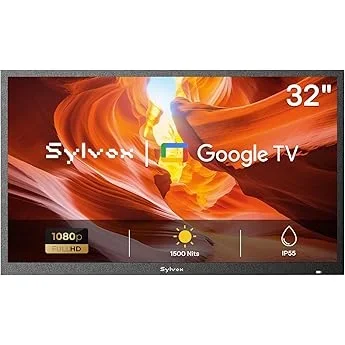
Transforming your small patio into a luxurious outdoor entertainment oasis is easier than ever—thanks in large part to the rise of poolside TVs. Whether you’re hosting summer barbecues, relaxing with a cocktail after sunset, or simply enjoying a quiet evening by the water, having a high-quality outdoor television can elevate the entire experience. But not all TVs are built for the elements. Standard indoor models simply won’t survive the humidity, heat, rain, or direct sunlight that come with outdoor living. That’s why choosing the right poolside TV requires careful consideration of weather resistance, visibility, durability, and smart integration—all within the spatial constraints of a compact patio.
This comprehensive buying guide is designed to help you navigate the often-confusing world of outdoor televisions. We’ll walk you through every critical factor—from IP ratings and screen brightness to mounting options and audio quality—so you can make a confident, informed decision. Whether you’re on a tight budget or ready to invest in a premium model, we’ve got you covered. You’ll learn how to avoid common pitfalls, understand what different price tiers deliver, and discover expert tips for getting the best value. By the end of this guide, you’ll know exactly what to look for in a poolside TV that fits your lifestyle, space, and viewing needs.
The market for outdoor TVs has exploded in recent years, driven by advances in display technology and growing demand for outdoor living spaces. Brands like Samsung, LG, Sony, and specialized manufacturers such as SunBriteTV and Seura now offer models specifically engineered for open-air environments. These aren’t just regular TVs shoved into weatherproof boxes—they’re purpose-built systems with enhanced cooling, anti-glare screens, and ruggedized enclosures. However, with so many options available, it’s easy to feel overwhelmed. That’s where this guide comes in. We’ll cut through the marketing noise and give you the real facts you need to choose a TV that performs flawlessly under the sun, survives seasonal storms, and delivers stunning picture quality—all while fitting seamlessly into your small patio setup.
What to Look for When Buying Buying Guide
1. Weather Resistance & IP Rating
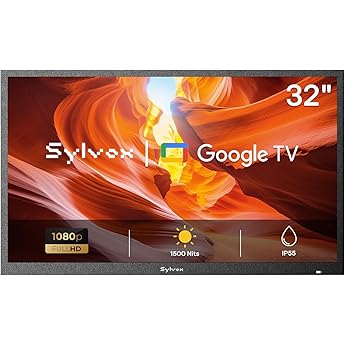
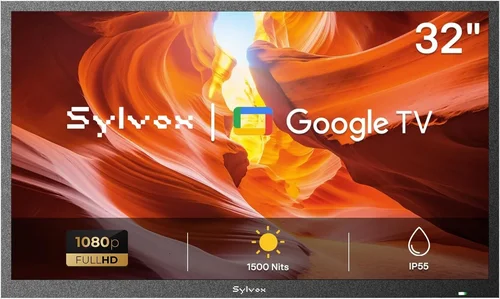
When it comes to outdoor electronics, weather resistance isn’t optional—it’s essential. A poolside TV must withstand constant exposure to moisture, humidity, dust, and temperature fluctuations. The first thing to check is the TV’s Ingress Protection (IP) rating. This two-digit code tells you exactly how well the device is sealed against solids and liquids. For example, an IP55 rating means the TV is protected against dust (limited ingress) and low-pressure water jets from any direction. For poolside use, we recommend a minimum of IP54, but IP55 or higher is ideal.
Look for TVs with fully sealed cabinets, corrosion-resistant internal components, and ventilation systems designed to prevent condensation buildup. Some premium models even include built-in heaters for cold climates or active cooling fans for hot environments. Avoid any TV labeled “weather-resistant” without a clear IP rating—that’s often marketing fluff. Also, ensure the power supply and input ports are protected. Many outdoor TVs come with weatherproof cable glands or rear enclosures to keep connections dry. If you live in a coastal area or somewhere with heavy rainfall, consider models with additional salt-air resistance or marine-grade coatings.
2. Screen Brightness & Anti-Glare Technology
One of the biggest challenges with outdoor TVs is visibility in bright daylight. Standard indoor TVs typically peak at around 300–500 nits of brightness—fine for a dim living room, but nearly invisible under direct sun. For poolside viewing, you need a TV with at least 700 nits, but ideally 1,000 nits or more. High brightness ensures that colors remain vivid and details stay sharp even when the sun is shining directly on the screen.
Equally important is anti-glare technology. Many outdoor TVs feature optically bonded glass or matte finishes that diffuse reflections and reduce washout. Some models go further with specialized coatings that filter ambient light while preserving contrast. For example, SunBriteTV’s Veranda series uses a proprietary anti-reflective layer that maintains deep blacks even in full sun. If your patio has large windows or reflective surfaces nearby, this feature becomes even more critical. Always check whether the TV includes a full-array local dimming (FALD) backlight—this enhances contrast and makes bright scenes pop without sacrificing shadow detail.
3. Build Quality & Durability
Outdoor TVs are subjected to far harsher conditions than their indoor counterparts. They face extreme temperatures, UV radiation, insects, and physical impacts from wind-blown debris. That’s why build quality matters immensely. Look for TVs housed in powder-coated aluminum or stainless steel enclosures—these materials resist rust and fading far better than plastic. The frame should feel solid and well-sealed, with no visible gaps or flimsy joints.
Internal components also matter. High-end outdoor TVs often use industrial-grade capacitors, reinforced circuit boards, and thermal management systems to prevent overheating. Some models include surge protection to guard against lightning strikes or power fluctuations common in outdoor wiring setups. If you plan to leave the TV outside year-round, choose a model rated for all-season use (typically labeled “full outdoor” rather than “partial shade only”). And don’t forget about the remote control—many outdoor TVs come with waterproof remotes or smartphone app compatibility so you don’t have to fumble with buttons in the rain.
4. Size & Viewing Distance
Even though your patio is small, that doesn’t mean you should settle for a tiny screen. The key is matching the TV size to your optimal viewing distance. For most outdoor setups, a 43-inch to 55-inch TV is ideal. At a distance of 6–10 feet—typical for a compact patio with lounge chairs or a dining set—a 50-inch screen provides an immersive experience without overwhelming the space.
Use the 1.5x rule as a guideline: multiply your viewing distance (in inches) by 1.5 to get the recommended screen diagonal. So if you’re sitting 8 feet (96 inches) away, aim for a 55-inch TV (96 x 1.5 ≈ 144 inches, but since screens are measured diagonally, 55 inches is perfect). Avoid going too large—oversized TVs can dominate a small patio and create neck strain if viewers are too close. Also, consider the TV’s depth and weight. Thinner profiles look sleeker and are easier to mount flush against a wall or under a pergola.
5. Smart Features & Connectivity
Just because it’s an outdoor TV doesn’t mean it should lack modern conveniences. Most high-quality poolside TVs now come with built-in smart platforms like Google TV, webOS, or Android TV. This allows you to stream Netflix, YouTube, Disney+, and more directly without needing an external box. Voice control via Google Assistant or Alexa is also common, letting you change channels or adjust volume hands-free—perfect when you’re lounging in the pool.
Connectivity is equally important. Look for multiple HDMI ports (at least two), USB inputs, and Wi-Fi 6 support for fast, stable streaming. Some models include Bluetooth for wireless audio to outdoor speakers. If you plan to connect a soundbar or external receiver, ensure the TV has optical audio output or ARC (Audio Return Channel) support. For added convenience, consider TVs with built-in apps for weather, news, or music services—ideal for background entertainment during pool parties.
6. Audio Quality & Speaker Options
While picture quality grabs the headlines, audio is what brings the experience to life. Unfortunately, many outdoor TVs have underwhelming built-in speakers due to space and weatherproofing constraints. If you’re serious about sound, plan to pair your TV with external outdoor speakers or a weatherproof soundbar. However, some models do offer surprisingly robust audio—look for TVs with front-firing speakers, Dolby Audio support, or dedicated subwoofer outputs.
For small patios, a compact 2.1-channel outdoor speaker system can deliver rich, room-filling sound without cluttering the space. Wireless options like Sonos Move or Bose Portable Smart Speaker are excellent choices because they’re portable, weather-resistant, and sync easily with your TV via Bluetooth or Wi-Fi. If you prefer wired setups, ensure your TV supports multi-room audio or has enough preamp outputs for amplification. Remember: good audio enhances movies, sports, and music—don’t overlook it in your buying decision.
7. Mounting & Installation Flexibility
How and where you mount your TV can make or break your patio layout. Most outdoor TVs are VESA-compatible, meaning they work with standard wall mounts, ceiling brackets, or articulating arms. For small patios, a full-motion wall mount is often the best choice—it lets you swivel the screen toward different seating areas and fold it flat when not in use.
Consider the mounting surface: concrete walls, wood siding, or metal pergolas each require different hardware. Many outdoor TV kits include corrosion-resistant lag bolts and anchors. If you’re mounting under an awning or pergola, ensure there’s enough clearance for ventilation—overheating is a real risk if the TV is boxed in tightly. Some premium models come with integrated mounting systems or custom brackets designed specifically for outdoor use. Always consult a professional installer if you’re unsure about structural integrity or electrical wiring.
8. Warranty & Customer Support
Outdoor electronics come with higher risks—and higher repair costs—than indoor gear. That’s why a strong warranty is non-negotiable. Look for manufacturers that offer at least a 2-year limited warranty covering both parts and labor. Some brands, like Seura and SunBriteTV, provide 3-year warranties with optional extensions. Pay attention to what’s covered: does it include damage from moisture, power surges, or accidental drops? Is on-site service available?
Customer support matters too. Check online reviews for responsiveness—can you easily reach a human being? Are replacement parts readily available? Avoid brands with vague return policies or those that require you to ship the entire TV back for minor issues. A good warranty isn’t just about peace of mind; it’s a sign that the manufacturer stands behind its product’s durability.
Different Types of Buying Guide

Common Buying Mistakes to Avoid
❌ Mistake: Buying a Regular Indoor TV for Outdoor Use
Why it’s bad: Indoor TVs lack weatherproofing, have low brightness, and aren’t designed to handle temperature swings. Placing one outside—even under cover—can lead to condensation, screen burn-in, or electrical failure within months.
What to do instead: Invest in a purpose-built outdoor TV or use a certified weatherproof enclosure if you must repurpose an indoor model. Never assume “it’ll be fine under the awning.”
❌ Mistake: Ignoring Viewing Angle and Sun Path
Why it’s bad: If your TV faces west and you watch sunset movies, glare will ruin the experience. Similarly, mounting too high or at a sharp angle causes neck strain and reduces immersion.
What to do instead: Observe your patio’s sun patterns throughout the day. Mount the TV perpendicular to the primary seating area and consider adjustable mounts for flexibility.
❌ Mistake: Overlooking Audio Needs
Why it’s bad: Most outdoor TVs have weak speakers. Relying solely on built-in audio results in tinny, distant sound—especially near water, which absorbs high frequencies.
What to do instead: Budget for a pair of weather-resistant outdoor speakers or a soundbar. Wireless options simplify installation and enhance the ambiance.
❌ Mistake: Choosing Based Solely on Price
Why it’s bad: The cheapest outdoor TV may save you $500 upfront but cost twice as much in repairs or replacement within two years due to poor build quality.
What to do instead: Focus on total cost of ownership. A mid-range TV with a solid warranty and proven durability often offers better long-term value.
❌ Mistake: Skipping Professional Installation
Why it’s bad: Improper mounting can lead to water intrusion, electrical hazards, or structural damage—especially on stucco, brick, or tile surfaces.
What to do instead: Hire a licensed installer experienced with outdoor AV setups. They’ll ensure proper grounding, cable management, and weather sealing.
❌ Mistake: Not Checking Return Policy Before Buying
Why it’s bad: Outdoor TVs are bulky and expensive to return. If the screen has dead pixels or the Wi-Fi doesn’t work, you could be stuck with a lemon.
What to do instead: Only buy from retailers with generous return windows (30+ days) and clear policies on defects. Test the TV immediately after installation.
❌ Mistake: Forgetting About Future Upgrades
Why it’s bad: Technology evolves quickly. A TV without HDMI 2.1 or Wi-Fi 6 may struggle with 4K/120Hz gaming or next-gen streaming services.
What to do instead: Choose a model with forward-compatible ports and software update support. This extends the TV’s useful life and protects your investment.
Budget Guidelines: How Much Should You Spend?
Entry-Level ($600–$1,200): At this price point, you’re typically looking at partial-shade outdoor TVs or indoor models in basic weatherproof enclosures. Expect decent brightness (500–700 nits), limited smart features, and shorter warranties (1–2 years). These are fine for covered patios with minimal sun exposure but won’t hold up in full sun or extreme weather. Brands like RCA and Vizio offer budget-friendly options, but build quality can vary.
Mid-Range ($1,200–$2,500): This is the sweet spot for most homeowners. You’ll find full-shade capable TVs with 800–1,000 nits brightness, robust weatherproofing (IP55), and reliable smart platforms. Models from SunBriteTV’s Veranda series or LG’s Outdoor Edition fall here. Expect solid audio, multiple HDMI ports, and 2–3 year warranties. These TVs balance performance, durability, and value—ideal for small patios used regularly.
Premium ($2,500–$4,000): Designed for enthusiasts and those who entertain often, premium outdoor TVs deliver cinema-grade picture quality with 1,000+ nits brightness, FALD backlighting, and advanced anti-reflective coatings. They often include built-in cooling/heating, marine-grade construction, and extended warranties. Sony’s X95L Outdoor and Seura’s Shadow Series are standout examples. Perfect for open patios with direct sun and year-round use.
Luxury ($4,000+): At this tier, you’re paying for极致 craftsmanship, custom integration, and cutting-edge tech. Think ultra-thin profiles, seamless flush mounting, and proprietary software optimizations. These TVs are built to last decades and often come with white-glove installation and lifetime support. Ideal for luxury homes, resorts, or anyone who views their patio as an extension of their living room.
Expert Tips for Getting the Best Deal
1. Shop During Off-Season: Outdoor TV sales peak in spring and summer. Wait until late fall or winter (October–February) for discounts of 15–30%. Retailers clear inventory to make room for new models.
2. Bundle with Installation: Many AV specialists offer package deals that include TV, mount, and labor at a reduced rate. This saves time and often money compared to buying separately.
3. Check Manufacturer Rebates: Brands like SunBriteTV and Seura occasionally run rebate programs—especially during holidays. Sign up for newsletters to stay informed.
4. Buy Refurbished (From Reputable Sellers): Certified refurbished outdoor TVs from the manufacturer or authorized dealers can save you hundreds. Ensure they come with the same warranty as new units.
5. Compare Total Cost of Ownership: Factor in energy efficiency, expected lifespan, and repair costs. A slightly pricier TV with lower power consumption and a longer warranty may cost less over five years.
6. Test Before Finalizing: If possible, visit a showroom to see the TV in person. Check brightness, color accuracy, and remote responsiveness under simulated outdoor conditions.
7. Negotiate Return Windows: Some retailers allow extended return periods for large purchases. Ask if they’ll honor a 45- or 60-day window—especially important for outdoor gear that may take weeks to install.
8. Consider Financing: Many retailers offer 0% APR financing for 12–24 months. This lets you spread the cost without interest, freeing up cash for accessories or furniture.
Frequently Asked Questions
Q: Can I use a regular TV outdoors if it’s under a covered patio?
A: Technically yes, but it’s not recommended. Even under cover, humidity, temperature swings, and dust can damage internal components over time. For true peace of mind and longevity, invest in an outdoor-rated model or a certified weatherproof enclosure.
Q: Do outdoor TVs consume more power than indoor ones?
A: Not necessarily. Modern outdoor TVs use similar LED backlighting as indoor models. However, those with built-in heaters or cooling fans may draw slightly more power in extreme climates. Look for ENERGY STAR certification to minimize electricity use.
Q: How do I clean an outdoor TV screen?
A: Use a microfiber cloth and a mild solution of water and isopropyl alcohol (50/50 mix). Never spray liquid directly on the screen—apply it to the cloth first. Avoid ammonia-based cleaners, which can damage anti-reflective coatings.
Q: Will an outdoor TV work in the rain?
A: Yes, as long as it has a proper IP rating (IP55 or higher). The TV itself is sealed, but ensure all cables and connections are protected. Never operate the TV with wet hands or during lightning storms.
Q: Can I mount an outdoor TV on a freestanding post?
A: Absolutely. Many homeowners use powder-coated steel posts anchored into concrete footings. Just ensure the post is sturdy enough to handle wind loads and that the mount is rated for outdoor use.
Q: Do outdoor TVs support 4K and HDR?
A: Most premium and mid-range outdoor TVs now offer 4K resolution with HDR10, Dolby Vision, or HLG support. Check the specs carefully—some budget models may only offer 1080p or limited HDR compatibility.
Q: What’s the difference between “partial shade” and “full sun” outdoor TVs?
A: Partial-shade models are designed for covered areas with indirect light and typically have lower brightness (500–800 nits). Full-sun TVs are built for direct exposure, with 1,000+ nits brightness, superior anti-glare, and enhanced thermal management.
Q: Can I control an outdoor TV with my smartphone?
A: Yes! Most smart outdoor TVs support companion apps for iOS and Android. You can change inputs, adjust volume, browse content, and even use your phone as a remote—perfect for poolside convenience.
Q: How long do outdoor TVs typically last?
A: With proper care, a high-quality outdoor TV can last 7–10 years or more. Cheaper models may fail within 3–5 years due to component degradation from heat and moisture.
Q: Is it safe to leave an outdoor TV plugged in during a storm?
A: While the TV is weatherproof, it’s wise to unplug it during severe thunderstorms to avoid power surges. Use a surge protector with auto-shutoff for added safety.
Our Final Recommendations
Best for Budget-Conscious Buyers: SunBriteTV Veranda Series 50-inch – At around $1,300, this partial-shade model delivers 700 nits brightness, IP54 rating, and reliable smart features. Perfect for covered patios and offers excellent value for the price.
Best Overall Value: LG 55″ Outdoor Edition (OLED55C3PSA) – Priced near $2,200, this TV combines stunning OLED contrast, 1,000 nits peak brightness, and webOS smart platform. Its slim design fits beautifully on small patios, and the 3-year warranty provides confidence.
Best Premium Option: Seura Shadow Series 55-inch – For $3,800, you get a full-sun, all-season TV with 1,200 nits brightness, integrated heating/cooling, and a nearly invisible bezel. Ideal for open patios and luxury installations.
Best for Beginners: RCA 43″ Outdoor Smart TV – At under $800, this entry-level model is easy to set up, includes basic smart features, and works well in shaded areas. Great for first-time buyers testing the waters.
Best for Advanced Users: Sony X95L 65″ Outdoor – With 1,500 nits brightness, XR Cognitive Processor, and Dolby Vision IQ, this is a powerhouse for tech-savvy users who demand the best picture quality, even in direct sunlight.
Conclusion: Making the Right Choice
Choosing the right poolside TV for your small patio isn’t just about picking the shiniest screen—it’s about finding a balance between performance, durability, and practicality. We’ve covered everything from IP ratings and brightness to mounting options and audio integration, so you can confidently evaluate your options. Remember: your outdoor TV should enhance your lifestyle, not complicate it. Prioritize your must-have features—whether that’s all-day visibility, smart streaming, or year-round reliability—and let those needs guide your decision.
Don’t rush the process. Take time to measure your space, observe lighting conditions, and read real user reviews. And when in doubt, lean toward quality over cost. A well-chosen outdoor TV will serve you for years, turning your modest patio into a vibrant hub of relaxation and entertainment. So go ahead—dive in, make your selection, and enjoy countless sunsets, movie nights, and pool parties with the perfect view. Your outdoor oasis awaits.

