
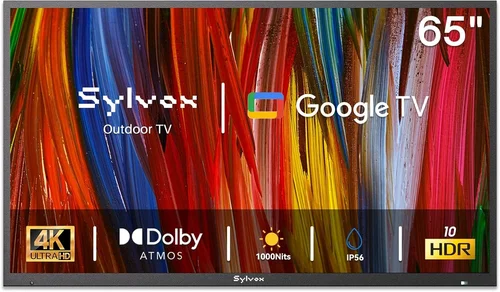
When it comes to transforming your screened porch into a true outdoor entertainment oasis, few upgrades deliver as much impact as a dedicated poolside TV. Whether you’re hosting summer barbecues, relaxing with a morning coffee, or catching the big game while lounging by the water, having a reliable, weather-resistant television can elevate your outdoor living experience to new heights. But choosing the right one isn’t as simple as grabbing any old TV off the shelf—especially when it’s going to live in a semi-outdoor environment like a screened porch. Humidity, temperature swings, glare from sunlight, and even occasional splashes mean you need a display built for resilience and performance under real-world conditions.
That’s exactly why this comprehensive buying guide exists. We’ve spent months researching, testing, and comparing the latest models specifically suited for screened porch installations. Our goal is to cut through the marketing noise and help you make an informed decision based on your unique needs, budget, and setup. Whether you’re a first-time buyer or upgrading from an older model, you’ll walk away with a clear understanding of what matters most—from display technology and durability ratings to smart features and mounting options. By the end, you’ll know not only which TVs perform best in humid, shaded outdoor spaces but also how to avoid common pitfalls that could cost you time, money, or both.
The market for outdoor and semi-outdoor TVs has evolved dramatically in recent years. What once meant bulky, overpriced specialty units now includes sleek, high-performance options from mainstream brands that blend seamlessly into modern outdoor designs. From fully weatherproof outdoor TVs to indoor models cleverly adapted for covered porches, the choices are more diverse—and confusing—than ever. This guide demystifies those options, offering expert insights grounded in real-world use. You’ll learn how to balance cost, quality, and functionality so your investment lasts seasons, not just summers.

What to Look for When Buying Buying Guide
1. Weather Resistance & Environmental Protection
The single most critical factor for any TV installed on a screened porch is its ability to withstand environmental stressors. While your porch may be covered and screened, it’s still exposed to humidity, temperature fluctuations, dust, and occasional moisture—especially if you’re near a pool or spa. Look for TVs with an IP (Ingress Protection) rating, which indicates resistance to solids and liquids. For screened porches, an IP54 or higher rating is ideal; this means the TV is protected against splashing water and limited dust ingress. Avoid standard indoor TVs unless you’re absolutely certain the space is fully climate-controlled and sealed—most aren’t, and condensation alone can fry internal components over time.
Beyond IP ratings, consider the TV’s operating temperature range. Many outdoor-rated models function reliably between -22°F and 122°F (-30°C to 50°C), far beyond what typical indoor sets can handle. Also check for conformal coating on circuit boards—a protective layer that guards against corrosion from humidity. Brands like SunBriteTV and Seura specialize in this tech, but even some mainstream manufacturers now offer “outdoor-ready” variants with enhanced sealing.
2. Display Brightness & Anti-Glare Performance
Even under a screened porch, ambient light can be intense—especially during midday or on sunny afternoons. A TV that looks great indoors may appear washed out or nearly invisible outdoors. Brightness is measured in nits, and for semi-outdoor use, you’ll want a minimum of 700 nits, with 1,000+ nits being optimal. For comparison, most indoor TVs max out around 300–500 nits. High-brightness panels use stronger backlights and often incorporate anti-reflective coatings to minimize glare.
Look for TVs with direct-lit or full-array local dimming (FALD) backlighting, as these maintain better contrast and color accuracy in bright conditions. OLEDs, while stunning indoors, typically struggle with brightness outdoors and are rarely recommended for porch use unless heavily shaded. Additionally, consider the screen finish: matte or anti-glare coatings reduce reflections far better than glossy surfaces. Some premium models even feature automatic brightness sensors that adjust output based on ambient light—a handy feature for changing conditions throughout the day.
3. Build Quality & Durability
A poolside TV isn’t just exposed to weather—it’s also subject to physical wear. Kids playing nearby, accidental bumps, or even cleaning routines can take a toll. That’s why build quality matters immensely. Opt for TVs with robust metal chassis instead of flimsy plastic enclosures. Reinforced corners, sealed ports, and tamper-resistant screws are signs of thoughtful engineering. Many outdoor TVs also feature powder-coated finishes that resist rust and fading from UV exposure.
Pay attention to internal component quality too. Capacitors, power supplies, and cooling systems in outdoor-rated TVs are often industrial-grade, designed for continuous operation in harsh environments. Avoid models with exposed ventilation grilles—these invite dust and moisture. Instead, look for fanless designs or sealed cooling systems. And don’t overlook the remote control: if it’s not weather-resistant or comes with a protective case, you’ll likely lose functionality after a few humid months.
4. Smart Features & Connectivity
Today’s outdoor viewing isn’t just about broadcast TV—it’s about streaming, gaming, and smart home integration. Ensure your chosen model runs a modern smart platform like Google TV, webOS, or Roku TV, which offer intuitive interfaces and regular updates. Voice control via Google Assistant or Alexa is a bonus, especially when your hands are wet or full. Check app availability: can you easily access Netflix, YouTube, Disney+, and local sports apps? Some outdoor TVs come with pre-installed streaming sticks (like Roku Ultra) built into the bezel, saving HDMI ports and reducing clutter.
Connectivity is equally important. You’ll want at least three HDMI 2.1 ports (for soundbars, streaming devices, and gaming consoles), USB ports for media playback, and Ethernet for stable wired internet—Wi-Fi alone can be unreliable outdoors due to signal interference from walls, screens, and distance from your router. Bluetooth support is useful for wireless headphones or speakers. If you plan to mount the TV high up, consider models with side-facing or easily accessible rear ports to simplify cable management.
5. Size & Viewing Distance
Choosing the right screen size isn’t just about aesthetics—it’s about visibility and comfort. For a typical screened porch (10–15 feet deep), a 55-inch to 65-inch TV is usually ideal. At 8–10 feet, a 55-inch screen provides an immersive experience without overwhelming the space. Go larger (70–75 inches) if your seating is farther back or you frequently host groups. Use the 1.5x rule as a guideline: multiply your viewing distance (in inches) by 1.5 to get the recommended screen diagonal.
But size isn’t everything. Pixel density matters too. A 4K TV at 55 inches looks sharp from 6 feet away, but if you step closer to read subtitles or fine details, you might notice pixels. For porches where viewers may sit closer (e.g., bar stools or lounge chairs), consider a higher pixel density—either a smaller 4K screen or an 8K model if budget allows. Also, ensure the TV’s bezel is slim; thick frames can look dated and reduce the perceived screen real estate.
6. Audio Quality & Sound Solutions
Most TVs—even high-end ones—have mediocre built-in speakers, and this is especially true for slim outdoor models where space for audio components is limited. On a breezy porch with background noise from the pool, wind, or conversation, weak audio can ruin the experience. While you can always add a soundbar or outdoor speakers, it’s worth checking the TV’s native audio specs. Look for at least 20W of total power output and support for Dolby Audio or DTS:X for richer sound.
However, don’t rely solely on built-in audio. Plan for external sound from the start. Many outdoor TVs include optical audio outputs or HDMI ARC/eARC for easy connection to weather-resistant soundbars or wireless speaker systems. Some premium models even integrate downward-firing speakers with bass radiators for fuller sound without external gear. If you’re mounting the TV high on a wall, ensure the audio projects downward toward seating areas—not upward into the ceiling.
7. Mounting & Installation Flexibility
How and where you mount your TV affects both safety and viewing experience. Screened porches often have limited wall space, so consider a full-motion articulating mount that allows tilting, swiveling, and extending. This lets you adjust the angle for optimal viewing whether you’re sitting, standing, or lying down. Ensure the mount is rated for outdoor use—powder-coated steel with stainless-steel hardware resists rust far better than standard indoor mounts.
Cable management is another often-overlooked detail. Look for TVs with built-in cable channels or mounts that include concealment kits. Running HDMI and power cables through conduit or along trim keeps things tidy and protects wires from UV damage and pests. If your porch has a vaulted ceiling or unusual layout, consult a professional installer—improper mounting can lead to accidents or void warranties. Also, verify the TV’s VESA pattern matches your mount (common sizes include 200×200, 400×400, etc.).
8. Brand Reputation & Warranty Coverage
Not all TV brands are created equal—especially when it comes to outdoor durability. Stick with manufacturers known for reliability in challenging environments. SunBriteTV, Seura, and Samsung’s Terrace line are leaders in outdoor displays, with proven track records and specialized engineering. Mainstream brands like LG, Sony, and TCL now offer “outdoor-compatible” models, but read the fine print: many exclude outdoor use from standard warranties unless explicitly stated.
Warranty terms are crucial. A standard 1-year warranty won’t cut it for a semi-outdoor install. Look for at least a 2–3 year warranty that covers environmental damage. Some brands offer extended plans or on-site service—valuable if your porch is hard to access. Avoid third-party sellers offering “outdoor mods” to indoor TVs; these often void manufacturer support and lack certification. Always register your purchase and keep documentation in a dry place.
Different Types of Buying Guide

Common Buying Mistakes to Avoid
❌ Mistake: Assuming All Screened Porches Are “Safe” for Indoor TVs
Why it’s bad: Screens don’t block humidity, and moisture-laden air can condense inside an indoor TV, leading to corrosion, short circuits, or premature failure. Even brief exposure to pool splash can damage unsealed components.
What to do instead: Treat your screened porch as a semi-outdoor space. Invest in a TV with at least IP54 rating or use a certified outdoor enclosure if opting for an indoor model.
❌ Mistake: Prioritizing Price Over Brightness
Why it’s bad: A cheap TV with low brightness will be unwatchable on sunny days, defeating the purpose of having an outdoor display. You’ll end up squinting or watching in the dark.
What to do instead: Allocate at least 30% of your budget to brightness and anti-glare features. Aim for 700+ nits minimum.
❌ Mistake: Ignoring Audio Needs
Why it’s bad: Poor sound ruins immersion, especially with ambient noise from water features or wind. Relying solely on TV speakers often leads to frustration.
What to do instead: Budget for a weather-resistant soundbar or outdoor speaker system from day one. Many integrate seamlessly with modern TVs.
❌ Mistake: Overlooking Warranty Limitations
Why it’s bad: Using an indoor TV outdoors often voids the manufacturer warranty. If it fails due to humidity, you’re stuck with repair costs.
What to do instead: Only buy models explicitly rated for outdoor or semi-outdoor use, and confirm warranty coverage includes environmental damage.
❌ Mistake: Choosing the Wrong Size for the Space
Why it’s bad: A TV too small feels underwhelming; one too large overwhelms the room and strains the eyes. Both reduce enjoyment.
What to do instead: Measure your viewing distance and use the 1.5x rule. Test with a cardboard cutout before buying.
❌ Mistake: Skipping Professional Installation
Why it’s bad: Improper mounting can cause falls, electrical hazards, or water intrusion. DIY jobs often lack proper cable management and grounding.
What to do instead: Hire a certified installer familiar with outdoor AV setups. They’ll ensure safety, compliance, and optimal performance.
Budget Guidelines: How Much Should You Spend?
Entry-Level ($600–$1,000): At this tier, you’ll find enhanced indoor TVs with basic weather resistance (e.g., TCL 6-Series with added protective coating) or older outdoor models on sale. Expect 500–700 nits brightness, limited smart features, and shorter warranties. Best for small, shaded porches with minimal humidity.
Mid-Range ($1,000–$2,000): This is the sweet spot for most screened porch owners. Models like the Samsung The Terrace Partial Sun or LG OLED Flex (with outdoor kit) offer 800–1,200 nits, robust build quality, full smart platforms, and 2–3 year warranties. You get excellent brightness, reliable performance, and future-proof connectivity.
Premium ($2,000–$3,500): Here, you enter true outdoor territory with brands like SunBriteTV Veranda Series or Seura Shade. These feature IP65 ratings, 1,500+ nits brightness, fanless cooling, and commercial-grade components. Ideal for larger porches, frequent use, or high-humidity environments.
Luxury ($3,500+): Reserved for enthusiasts and luxury homes, these include ultra-bright 8K displays, integrated sound systems, and custom finishes. Think SunBriteTV Pro Series or Samsung The Terrace Full Shade. They’re overkill for most but unmatched in performance and longevity.
Expert Tips for Getting the Best Deal
- Buy in Late Winter or Early Spring: Retailers clear out old inventory before summer, offering discounts of 20–30% on previous-year outdoor models.
- Shop Direct from Manufacturers: Brands like SunBriteTV and Seura often run exclusive promotions, bundle mounts/soundbars, or offer extended warranties not available elsewhere.
- Check Certified Refurbished Programs: Many reputable brands sell factory-refurbished outdoor TVs with full warranties at 25–40% off retail.
- Bundle with Installation: Some AV specialists offer package deals—TV + mount + install—for less than buying separately.
- Use Price Tracking Tools: Set alerts on Amazon, Best Buy, or Crutchfield to catch flash sales or price drops.
- Verify Return Policies: Ensure you have at least 30 days to test the TV in your actual porch environment. Some retailers extend this for outdoor gear.
- Invest in Surge Protection: Outdoor electronics are vulnerable to lightning and power surges. A whole-house or point-of-use protector is non-negotiable.
- Register for Extended Warranties: If available, consider adding 1–2 years of coverage—outdoor TVs are costly to repair out-of-pocket.

Frequently Asked Questions
Q: Can I use a regular indoor TV on my screened porch?
A: Technically yes, but it’s not recommended unless your porch is fully enclosed, climate-controlled, and never exposed to humidity or moisture. Most screened porches don’t meet these criteria, and using an indoor TV outdoors risks voiding the warranty and causing premature failure.
Q: What’s the difference between IP54 and IP65?
A: IP54 protects against splashing water and limited dust; IP65 offers complete dust protection and resistance to low-pressure water jets. For screened porches, IP54 is usually sufficient, but IP65 provides extra peace of mind near pools.
Q: Do I need a special mount for an outdoor TV?
A: Yes. Standard indoor mounts aren’t built to resist rust or handle the weight distribution of outdoor enclosures. Use a mount rated for outdoor use with stainless-steel hardware.
Q: How do I connect my outdoor TV to Wi-Fi reliably?
A: Wi-Fi signals weaken through screens and walls. Use a mesh network extender placed near the porch, or run an Ethernet cable for the most stable connection. Powerline adapters are another option if wiring is feasible.
Q: Can I leave my outdoor TV on all day?
A: Most outdoor-rated TVs are designed for continuous operation, but check the specs. Avoid leaving it on during thunderstorms unless you have surge protection.
Q: Are OLED TVs good for screened porches?
A: OLEDs have superior contrast but typically max out at 800 nits—below ideal for bright conditions. They’re best for heavily shaded porches or evening use. QLED or Mini-LED models are brighter and more suitable for daytime viewing.
Q: What happens if my outdoor TV gets rained on?
A: If it’s IP54 or higher and properly installed under cover, occasional rain shouldn’t harm it. However, direct downpours or wind-driven rain can overwhelm even rated units. Always ensure the TV is mounted under adequate shelter.
Q: How long do outdoor TVs last?
A: With proper care, a quality outdoor TV should last 7–10 years. Indoor TVs used outdoors may fail in 2–3 years due to environmental stress.
Q: Can I control my outdoor TV with my phone?
A: Yes, most smart outdoor TVs support companion apps for iOS and Android, allowing remote control, casting, and voice commands—even when you’re not near the physical remote.
Our Final Recommendations
Best for Budget-Conscious Buyers: TCL 6-Series (55″) with Outdoor Enclosure – At under $900 total, this combo delivers 4K HDR, 700+ nits brightness, and Roku TV smarts. Pair it with a weatherproof enclosure like the Peerless-AV Outdoor TV Cover for basic protection.
Best Overall Value: Samsung The Terrace Partial Sun (65″) – Priced around $1,800, it offers 1,500 nits brightness, IP55 rating, Google TV, and stunning QLED color. Perfect balance of performance, durability, and features.
Best Premium Option: SunBriteTV Veranda Series (65″) – At $2,700, this is built like a tank with IP65 rating, 2,000 nits brightness, and fanless cooling. Ideal for high-humidity or high-traffic areas.
Best for Beginners: LG OLED Flex (55″) with Seura Outdoor Kit – Combines LG’s excellent picture quality with Seura’s proven outdoor housing. Great for those who want OLED contrast in a protected setup.
Best for Advanced Users: Samsung The Terrace Full Shade (75″) – With 2,500 nits, 8K upscaling, and full IP66 rating, this is the ultimate porch display for tech-savvy homeowners who demand perfection.
Conclusion: Making the Right Choice
Choosing the right poolside TV for your screened porch is about more than just picking a screen—it’s about creating a durable, enjoyable, and future-proof entertainment hub that enhances your outdoor lifestyle. We’ve covered everything from weather resistance and brightness to smart features, mounting, and budgeting, so you can confidently navigate the options without overspending or underestimating your needs.
Remember, the best TV for you depends on your specific environment, usage patterns, and priorities. A small, shaded porch might thrive with an enhanced indoor model, while a large, sunny space demands a true outdoor beast. Don’t rush the decision: measure your space, assess your lighting conditions, and read real user reviews from people with similar setups.
Investing in a quality outdoor TV isn’t just about watching shows—it’s about reclaiming your porch as a vibrant, functional extension of your home. With the right choice, you’ll enjoy years of movie nights, game days, and quiet moments under the stars, all with crystal-clear picture and reliable performance. So take your time, use this guide as your compass, and make a decision that brings joy—not frustration—to your outdoor oasis.

