
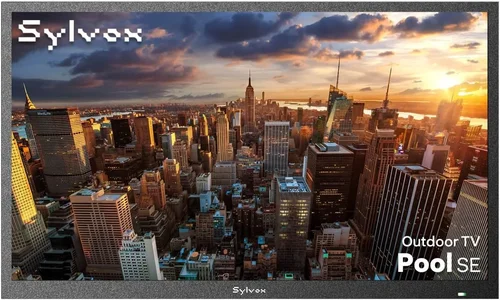
Summer is here, and with it comes the season of backyard barbecues, pool parties, and long evenings spent outdoors under the stars. Whether you’re hosting a game night for friends, screening a blockbuster for the neighborhood, or simply enjoying a quiet movie under the open sky, having the right entertainment setup can make all the difference. Enter the patio TV—a specialized outdoor display designed to deliver high-quality visuals in challenging environmental conditions. Unlike standard indoor TVs, patio TVs are built to withstand heat, humidity, dust, and even light rain, making them ideal for year-round outdoor use.
But with so many options on the market—ranging from ruggedized outdoor displays to weather-resistant smart TVs—it’s easy to feel overwhelmed when trying to choose the right one. That’s where this comprehensive buying guide comes in. We’ve spent months researching, testing, and comparing the latest patio TVs to help you make an informed decision. Whether you’re a casual host or a serious entertainer, this guide will walk you through everything you need to know: from key performance specs and durability features to budget considerations and expert recommendations. By the end, you’ll have a clear understanding of what to look for, what to avoid, and which models offer the best value for your specific needs.
The outdoor TV market has evolved significantly in recent years. What once consisted of bulky, expensive commercial-grade displays has now expanded to include sleek, consumer-friendly models that blend seamlessly into modern outdoor living spaces. Brands like Samsung, LG, Sony, and specialized outdoor manufacturers such as SunBriteTV and Seura have introduced innovative solutions that combine weather resistance with smart functionality, 4K resolution, and even built-in streaming capabilities. At the same time, portable and semi-permanent options have emerged, offering flexibility for renters or those with smaller patios. With advancements in display technology, mounting systems, and connectivity, there’s never been a better time to invest in an outdoor TV. This guide will help you navigate the options and find the perfect fit for your summer gatherings and beyond.

What to Look for When Buying Buying Guide
1. Weather Resistance & IP Rating
One of the most critical factors when choosing a patio TV is its ability to withstand outdoor elements. Unlike indoor TVs, outdoor models must endure temperature fluctuations, humidity, dust, and even light precipitation. The first thing to check is the TV’s Ingress Protection (IP) rating, which indicates how well the unit resists dust and water. For example, an IP55 rating means the TV is protected against dust (limited ingress) and low-pressure water jets from any direction—ideal for covered patios or screened-in porches. For fully exposed areas, look for IP65 or higher, which offers full dust protection and resistance to water projected from a nozzle.
Beyond the IP rating, consider the TV’s operating temperature range. Most outdoor TVs are designed to function between -22°F and 122°F (-30°C to 50°C), but some premium models can handle even more extreme conditions. If you live in a region with harsh winters or scorching summers, this spec becomes crucial. Additionally, check whether the TV includes a built-in heater or cooling fan, which helps maintain optimal internal temperatures and prevents condensation or overheating. For instance, SunBriteTV’s Veranda series includes an integrated thermal management system that automatically adjusts based on ambient conditions.
2. Brightness & Anti-Glare Display
Outdoor viewing presents a unique challenge: ambient light. Even on a cloudy day, sunlight reflecting off concrete, water, or nearby surfaces can wash out the image on a standard TV. That’s why brightness—measured in nits—is a make-or-break factor for patio TVs. While indoor TVs typically range from 300 to 600 nits, outdoor models should deliver at least 700 nits, with premium options reaching 2,500 nits or more. For example, the Samsung The Terrace boasts a peak brightness of 2,000 nits, making it visible even in direct sunlight.
Equally important is the display’s anti-reflective coating. Look for models with matte or anti-glare screens that minimize reflections without sacrificing color accuracy. OLED panels, while stunning indoors, often struggle outdoors due to their lower peak brightness and reflective surfaces. Instead, LED-LCD panels with full-array local dimming (FALD) are preferred for outdoor use, as they offer higher brightness and better contrast in bright environments. Some manufacturers also use optical bonding—a process that bonds the glass directly to the display layer—to reduce internal reflections and improve clarity in sunlight.
3. Size & Viewing Distance
Choosing the right screen size for your patio depends on several factors, including the size of your outdoor space, seating arrangement, and typical viewing distance. As a general rule, the optimal viewing distance is about 1.5 to 2.5 times the diagonal screen size. For example, a 55-inch TV is best viewed from 6.9 to 11.5 feet away. On a small balcony, a 43-inch or 50-inch model may be sufficient, while larger patios or pool decks may benefit from 65-inch or even 75-inch displays.
However, size isn’t just about immersion—it’s also about practicality. A TV that’s too large can overwhelm a compact space or require a more robust mounting solution. Consider the TV’s depth and weight, especially if you plan to mount it on a wall or ceiling. Some outdoor TVs come with slim profiles and lightweight designs, making them easier to install. Additionally, think about how the TV will integrate with your outdoor furniture and decor. A low-profile model with a sleek bezel can blend in seamlessly, while a bulky unit might look out of place.
4. Smart Features & Connectivity
Modern patio TVs are more than just weatherproof screens—they’re full-fledged smart entertainment hubs. Most outdoor models now come with built-in Wi-Fi, Bluetooth, and streaming platforms like Netflix, YouTube, and Amazon Prime Video. This eliminates the need for external streaming devices and simplifies setup. Look for TVs with intuitive interfaces, such as Samsung’s Tizen OS or LG’s webOS, which offer smooth navigation and regular software updates.
Connectivity is another key consideration. Ensure the TV has enough HDMI ports (at least two or three) to connect devices like gaming consoles, soundbars, or cable boxes. USB ports are useful for playing media files directly from a flash drive. Some models also include optical audio outputs or ARC (Audio Return Channel) support for connecting to external audio systems. For those who enjoy outdoor gaming or movie nights, low input lag (under 20ms) is essential for responsive gameplay. Additionally, check for support for HDR formats like HDR10, HLG, or Dolby Vision, which enhance color and contrast for a more immersive experience.
5. Build Quality & Durability
Outdoor TVs are an investment, and you want one that will last for years. Build quality starts with the materials used in the chassis and screen. Look for models with powder-coated aluminum or stainless steel frames, which resist rust and corrosion. The screen should be made of tempered glass or reinforced acrylic to prevent scratches and shattering. Avoid TVs with plastic casings, as they can degrade over time when exposed to UV rays and temperature changes.
Durability also extends to the internal components. High-quality capacitors, sealed circuit boards, and moisture-resistant wiring are essential for long-term reliability. Some manufacturers, like Seura, use conformal coating on internal electronics to protect against humidity and dust. Additionally, check whether the TV includes a protective cover or hood to shield the screen when not in use. For permanent installations, consider models with reinforced VESA mounting patterns that support heavy-duty brackets and articulating arms.
6. Audio Performance
While many outdoor TVs come with built-in speakers, they’re often underpowered and lack the depth needed for outdoor environments. Wind, ambient noise, and distance from the screen can make dialogue hard to hear. That’s why audio performance is a crucial—but often overlooked—factor. Look for TVs with at least 20W of total speaker output, and preferably models with dedicated tweeters and woofers for better sound balance.
Even with decent built-in audio, most users will benefit from an external sound system. Consider pairing your patio TV with weather-resistant outdoor speakers or a wireless soundbar. Some TVs support Bluetooth audio output, allowing you to connect wireless headphones or portable speakers for private listening. For larger gatherings, a multi-zone audio system with speakers placed around the patio can ensure everyone hears the action clearly. Brands like Polk Audio and Sonos offer outdoor speaker kits designed to complement outdoor TV setups.
7. Installation & Mounting Options
How you plan to install your patio TV will influence your choice of model and mounting hardware. Most outdoor TVs are designed for wall or ceiling mounting, but some portable models come with built-in stands or can be placed on a weatherproof TV cabinet. Wall mounting is the most common option, offering a clean, space-saving look. However, it requires careful planning to ensure the wall can support the TV’s weight and that cables can be routed safely.
Look for TVs with standard VESA mounting patterns (e.g., 200×200, 400×400) to ensure compatibility with aftermarket brackets. Articulating mounts allow you to tilt and swivel the screen for optimal viewing angles, which is especially useful on uneven patios. For ceiling mounts, ensure the TV is lightweight and has a low profile to avoid obstructing sightlines. Some manufacturers offer all-in-one mounting kits that include weatherproof conduit and cable management systems. If you’re not comfortable with DIY installation, consider hiring a professional—especially for permanent setups or hardwired connections.
8. Brand Reputation & Warranty
Not all outdoor TVs are created equal, and brand reputation plays a significant role in reliability and customer support. Established brands like Samsung, LG, and Sony have a track record of producing high-quality displays, while specialized outdoor manufacturers like SunBriteTV and Seura focus exclusively on weather-resistant technology. Research customer reviews and professional ratings to gauge real-world performance and longevity.
Warranty is another critical factor. Standard indoor TVs often come with one-year limited warranties, but outdoor models should offer longer coverage—typically two to three years—due to their harsher operating conditions. Some brands, like Seura, provide up to a five-year warranty on select models. Check what the warranty covers: does it include labor, parts, and on-site service? Are there exclusions for weather damage or improper installation? A strong warranty not only protects your investment but also reflects the manufacturer’s confidence in their product.
Different Types of Buying Guide

Common Buying Mistakes to Avoid
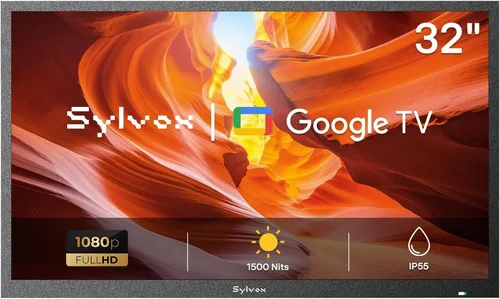
❌ Mistake: Buying an Indoor TV for Outdoor Use
Why it’s bad: Indoor TVs are not designed to handle outdoor conditions. They lack weatherproofing, have lower brightness, and can overheat or short-circuit when exposed to moisture or temperature extremes. Using an indoor TV outside voids most warranties and poses safety risks.
What to do instead: Invest in a TV specifically rated for outdoor use. Even if you plan to use it under a covered patio, choose a model with at least an IP55 rating and high brightness to ensure visibility and longevity.
❌ Mistake: Ignoring Brightness Requirements
Why it’s bad: A dim screen will be nearly impossible to see during the day, especially in direct sunlight. Many buyers assume their indoor TV’s brightness is sufficient, only to be disappointed by a washed-out image.
What to do instead: Aim for a minimum of 700 nits, with 1,000+ nits recommended for sunny areas. Check reviews and manufacturer specs to confirm real-world brightness performance.
❌ Mistake: Overlooking Audio Needs
Why it’s bad: Built-in speakers on outdoor TVs are often weak and lack bass, making dialogue hard to hear over wind or background noise. Relying solely on the TV’s audio can ruin the viewing experience.
What to do instead: Plan for external audio from the start. Invest in weather-resistant speakers or a soundbar, and ensure your TV supports audio output options like Bluetooth or optical.
❌ Mistake: Choosing the Wrong Size
Why it’s bad: A TV that’s too small won’t provide an immersive experience, while one that’s too large can overwhelm the space and require costly mounting solutions.
What to do instead: Measure your viewing distance and use the 1.5x to 2.5x screen size rule. Consider the layout of your patio and how the TV will fit with furniture and decor.
❌ Mistake: Skipping Professional Installation
Why it’s bad: Improper mounting can lead to instability, water ingress, or electrical hazards. DIY installations may also void warranties if not done according to manufacturer guidelines.
What to do instead: Hire a certified installer, especially for permanent setups or hardwired connections. They can ensure proper grounding, cable management, and compliance with local codes.
❌ Mistake: Not Checking Warranty Coverage
Why it’s bad: Outdoor TVs are expensive, and repairs can be costly. A limited or unclear warranty may leave you paying out of pocket for issues caused by normal outdoor use.
What to do instead: Read the warranty terms carefully. Look for coverage of at least two years, including protection against weather damage and on-site service options.
❌ Mistake: Forgetting About Cable Management
Why it’s bad: Exposed cables are unsightly, pose tripping hazards, and can be damaged by weather or pests. Poor cable routing can also interfere with airflow and cooling.
What to do instead: Use weatherproof conduit, cable raceways, or in-wall solutions to hide and protect wires. Plan your layout before installation to minimize clutter.
Budget Guidelines: How Much Should You Spend?
- Entry-Level ($500 – $1,200): These are typically portable or semi-permanent models with basic weather resistance (IP54 or lower) and moderate brightness (500–700 nits). They’re ideal for small patios, screened porches, or occasional use. Examples include the Seura Portable Outdoor TV and certain models from Vizio with outdoor enclosures. Expect limited smart features and shorter warranties.
- Mid-Range ($1,200 – $2,500): This is the sweet spot for most buyers. These TVs offer full weatherproofing (IP55 or higher), high brightness (1,000+ nits), and robust smart platforms. Models like the Samsung The Terrace 55″ and SunBriteTV Veranda series fall into this category. They include advanced features like HDR, low input lag, and strong audio output, making them suitable for regular outdoor entertainment.
- Premium ($2,500 – $4,000): Designed for enthusiasts and frequent entertainers, these TVs deliver top-tier performance with features like 2,000+ nits brightness, OLED or QLED panels, and integrated thermal management. The LG Outdoor OLED and Sony X95L Outdoor Edition are prime examples. They often come with extended warranties and professional installation support.
- Luxury ($4,000+): These are commercial-grade or custom-built displays meant for high-end homes, hotels, or public venues. They offer 24/7 operation, extreme durability, and advanced cooling systems. Brands like Peerless-AV and Planar produce models in this tier, often with custom enclosures and mounting solutions.
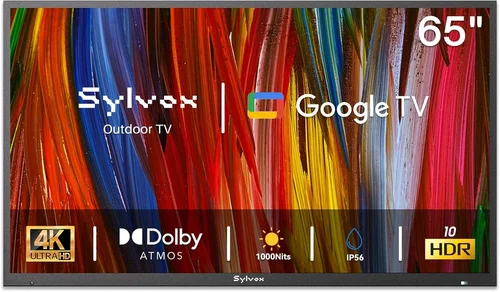
Expert Tips for Getting the Best Deal
- Buy During Off-Season: The best time to purchase an outdoor TV is in late fall or winter, when demand is low. Retailers often offer discounts to clear inventory before the spring selling season. Look for Black Friday, Cyber Monday, or end-of-year sales.
- Compare Retailers: Prices can vary significantly between online and brick-and-mortar stores. Check Amazon, Best Buy, Costco, and specialty outdoor electronics retailers. Some offer price matching or bundle deals with installation services.
- Consider Refurbished Models: Certified refurbished outdoor TVs from reputable sellers can save you 20–30% off the original price. Ensure they come with a warranty and have been tested for performance and weather resistance.
- Negotiate Installation Packages: Many retailers offer free or discounted installation when you purchase a TV and mount together. Ask about package deals, especially during promotional periods.
- Check Return Policies: Outdoor TVs are large and expensive, so make sure the retailer offers a generous return window (at least 30 days) in case the unit doesn’t meet your expectations.
- Test Before Committing: If possible, visit a showroom to see the TV in person. Pay attention to brightness, color accuracy, and ease of use. Some retailers allow in-home trials for high-end models.
- Read the Fine Print on Warranties: Understand what’s covered and what’s not. Some warranties exclude damage from improper installation or extreme weather, so follow the manufacturer’s guidelines closely.
- Join Loyalty Programs: Sign up for newsletters and loyalty programs from electronics retailers. They often send exclusive coupons, early access to sales, and special financing options.

Frequently Asked Questions
Q: Can I use a regular TV outdoors if it’s under a covered patio?
A: Technically, yes—but it’s not recommended. Even under cover, humidity, temperature swings, and dust can damage an indoor TV over time. For reliable, long-term use, invest in a TV designed for outdoor conditions.
Q: Do outdoor TVs consume more power than indoor models?
A: Not necessarily. While some high-brightness models may use slightly more energy, many outdoor TVs are energy-efficient and meet ENERGY STAR standards. Look for models with eco modes to reduce power consumption.
Q: How do I protect my outdoor TV from theft?
A: Use a locking mount or security cable, install the TV in a visible area, and consider adding motion-sensor lighting or a security camera. Some models come with built-in anti-theft features.
Q: Can I leave my outdoor TV on during rain?
A: Only if it has a high IP rating (IP65 or higher) and is designed for full exposure. Most semi-permanent models should be covered or turned off during heavy rain or storms.
Q: Do outdoor TVs support 4K and HDR?
A: Yes, most modern outdoor TVs support 4K resolution and HDR formats like HDR10 and Dolby Vision. Check the specs to ensure compatibility with your streaming devices and content.
Q: How often do I need to clean my outdoor TV?
A: Clean the screen and vents every 1–2 months with a soft, dry cloth. Avoid harsh chemicals. For deeper cleaning, use a mild soap solution and rinse thoroughly.
Q: Can I mount an outdoor TV on a ceiling?
A: Yes, many models support ceiling mounting with compatible brackets. Ensure the ceiling structure can support the weight and that cables are routed safely.
Q: Are outdoor TVs compatible with voice assistants?
A: Most smart outdoor TVs work with Alexa, Google Assistant, or Siri. You can control volume, change inputs, or launch apps using voice commands.
Q: What’s the average lifespan of an outdoor TV?
A: With proper care, a quality outdoor TV can last 7–10 years or more. Factors like climate, usage frequency, and maintenance play a significant role.
Q: Can I use my outdoor TV in the winter?
A: Yes, as long as it’s rated for low temperatures. Most outdoor TVs operate down to -22°F (-30°C), but avoid turning them on immediately after exposure to extreme cold—allow them to acclimate first.
Our Final Recommendations
- Best for Budget-Conscious Buyers: Seura Portable Outdoor TV (43″) – At under $1,000, this model offers solid weather resistance, 700 nits brightness, and built-in streaming. Perfect for small spaces and occasional use.
- Best Overall Value: Samsung The Terrace 55″ – With 2,000 nits brightness, IP55 rating, and Tizen OS, it delivers premium performance at a mid-range price. Ideal for covered patios and frequent entertainers.
- Best Premium Option: LG Outdoor OLED 65″ – Combines stunning picture quality, 1,500 nits brightness, and full weatherproofing. A top choice for those who want the best in outdoor viewing.
- Best for Beginners: SunBriteTV Veranda 50″ – Easy to install, reliable, and backed by a strong warranty. Great for first-time buyers looking for a hassle-free outdoor TV.
- Best for Advanced Users: Sony X95L Outdoor Edition 75″ – Features QLED technology, advanced HDR, and professional-grade durability. Designed for tech-savvy users who demand excellence.
Conclusion: Making the Right Choice
Choosing the right patio TV is about more than just finding a screen that works outside—it’s about enhancing your outdoor lifestyle with reliable, high-quality entertainment. From weather resistance and brightness to smart features and audio performance, every detail matters when you’re investing in a device meant to withstand the elements and deliver unforgettable summer experiences. By considering your specific needs, budget, and environment, you can find a model that not only meets but exceeds your expectations.
Remember, the best patio TV is the one that fits seamlessly into your space, performs consistently in all conditions, and brings people together. Whether you’re hosting a movie night under the stars or watching the big game with friends, the right TV can transform your backyard into a true outdoor oasis. Use this guide as your roadmap, avoid common pitfalls, and prioritize features that matter most to you. With the right preparation and knowledge, your summer parties will be brighter, bolder, and better than ever.

