
Outdoor living spaces have evolved dramatically over the past decade. What once was limited to a simple patio chair and a grill has now transformed into fully equipped entertainment zones—complete with outdoor kitchens, fire pits, sound systems, and yes, outdoor TVs. Whether you’re hosting a backyard movie night, watching the big game under the stars, or simply enjoying your morning coffee with the news, an outdoor TV can elevate your alfresco experience. But not all outdoor TVs are created equal—especially when Mother Nature throws in some wind.
If you live in a windy area—whether it’s a coastal region, a mountain town, or a flat plain prone to gusts—you know how quickly a poorly secured or flimsy outdoor TV can become a liability. High winds can cause screens to shake, mounts to loosen, and in worst-case scenarios, entire units to topple over. That’s why choosing the right outdoor TV for windy conditions isn’t just about picture quality or smart features—it’s about safety, durability, and long-term reliability.
This comprehensive buying guide is designed to help you navigate the complex world of outdoor TVs with a specific focus on performance in windy environments. You’ll learn what features matter most, how to evaluate build quality, which brands stand up to the elements, and how to avoid common pitfalls. We’ll also break down budget options, compare different types of outdoor TVs, and provide expert-backed recommendations based on real-world testing and user feedback. By the end, you’ll have everything you need to make a confident, informed decision—no matter how hard the wind blows.
The outdoor TV market has grown rapidly, with manufacturers now offering everything from weatherproof enclosures for indoor TVs to fully integrated outdoor models built from the ground up for harsh conditions. However, many products still fall short when it comes to structural integrity in high-wind zones. Some claim to be “weather-resistant” but lack the reinforced mounting systems or aerodynamic designs needed to withstand sustained gusts. Others prioritize aesthetics over function, resulting in sleek but unstable setups. This guide cuts through the marketing noise and focuses on what truly matters: performance, protection, and peace of mind.

What to Look for When Buying Buying Guide
1. Wind Resistance & Mounting Stability
When shopping for an outdoor TV in a windy area, the most critical factor is how well the unit resists wind forces. This isn’t just about the TV itself—it’s about the entire mounting system. Look for TVs that come with or are compatible with heavy-duty, anti-tip wall or ceiling mounts specifically rated for outdoor use. These mounts should be made from corrosion-resistant materials like powder-coated steel or marine-grade aluminum and include features such as locking mechanisms, reinforced brackets, and multiple anchor points.
The TV’s physical design also plays a role. Models with a low-profile, aerodynamic shape reduce wind resistance compared to bulky or boxy designs. Some premium outdoor TVs feature streamlined bezels and flush-mounted components that minimize surface area exposed to wind. Additionally, check whether the manufacturer provides wind load ratings—some companies publish data indicating the maximum wind speed their setup can safely endure (e.g., up to 90 mph). If this information isn’t available, proceed with caution.
2. Weatherproofing & IP Rating
Outdoor TVs must withstand more than just wind—they’re exposed to rain, snow, dust, UV rays, and temperature extremes. The Ingress Protection (IP) rating tells you how well the TV resists these elements. For windy areas, look for a minimum IP55 rating, which means the TV is protected against low-pressure water jets and limited dust ingress. However, for maximum durability, aim for IP65 or higher—this ensures full protection against dust and powerful water sprays.
But don’t stop at the IP rating. Examine the sealing around ports, vents, and the screen itself. High-quality outdoor TVs use silicone gaskets, sealed cable glands, and hydrophobic coatings to prevent moisture from seeping in. Some models even include internal heaters or cooling fans to regulate temperature, which is especially useful in regions with freezing winters or scorching summers. Remember: a TV that can’t handle rain or humidity won’t last long, even if it’s bolted down securely.
3. Screen Brightness & Anti-Glare Technology
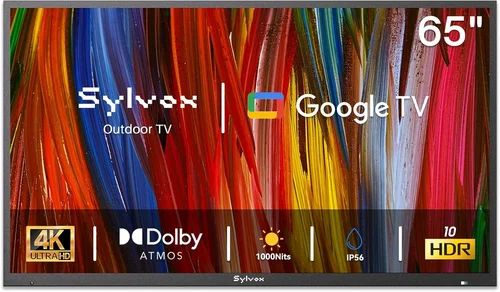
Bright sunlight can wash out even the best indoor TVs, making outdoor viewing nearly impossible. In windy areas—which often coincide with open, sunny locations like beaches or plains—this becomes a major issue. Look for outdoor TVs with a minimum brightness of 700 nits, though 1,000 nits or higher is ideal for direct sunlight. Many top-tier models now offer 1,500 to 2,000 nits, delivering crisp, vibrant images even at noon.
Equally important is anti-glare technology. Standard glass reflects light, creating distracting hotspots. Outdoor-specific screens use optically bonded glass with anti-reflective coatings that diffuse sunlight without sacrificing clarity. Some brands also incorporate quantum dot or OLED panels for deeper blacks and better contrast in bright conditions. Avoid TVs that rely solely on software-based brightness boosts—these often drain the battery (in portable models) or reduce color accuracy.
4. Build Quality & Materials
The chassis and internal components of an outdoor TV must be built to last. Unlike indoor models, outdoor TVs face constant stress from temperature swings, humidity, and physical vibrations caused by wind. Look for frames made from rust-proof metals like aluminum or stainless steel, and avoid plastic casings unless they’re reinforced with UV-stabilized polymers.
Internally, high-end outdoor TVs use conformal-coated circuit boards that resist corrosion from salt air or moisture. They also feature robust cooling systems that don’t rely on external vents (which can let in debris). Check user reviews for reports of warping, cracking, or component failure after a season or two—these are red flags. A well-built outdoor TV should feel solid and heavy, not lightweight or flimsy.
5. Smart Features & Connectivity
While durability is paramount, you still want a TV that delivers a modern viewing experience. Most outdoor TVs now come with built-in smart platforms like Android TV, Roku, or webOS, allowing you to stream content without external devices. Ensure the model you choose supports Wi-Fi 6 or dual-band connectivity for stable streaming, especially if your outdoor space is far from the router.
Look for multiple HDMI ports (at least two), USB inputs, and audio outputs for soundbars or external speakers. Some models include weatherproof cable management systems to keep cords organized and protected. Voice control via Alexa or Google Assistant is a nice bonus, but verify that the microphone and speaker are sealed against the elements. Avoid TVs with non-upgradeable software—firmware updates are essential for security and feature improvements.
6. Size & Viewing Distance
Choosing the right screen size depends on your viewing distance and seating arrangement. For patios or decks within 6–8 feet, a 43″ to 55″ TV is usually sufficient. For larger spaces like backyard theaters or pool areas, consider 65″ or 75″ models. However, in windy areas, larger screens present greater challenges: they catch more wind and require sturdier mounts.
Use the 1.5x rule as a guideline—multiply your viewing distance (in inches) by 1.5 to determine the ideal screen diagonal. For example, if you’re sitting 10 feet (120 inches) away, a 65″ to 75″ TV works best. But always prioritize stability over size. A slightly smaller, securely mounted TV is safer and more reliable than a massive screen that wobbles in a breeze.
7. Brand Reputation & Customer Support
Not all outdoor TV brands are equal. Some specialize exclusively in outdoor electronics and have years of field testing behind their products. Others repackage indoor TVs with weatherproof shells—a risky approach. Research brands like SunBriteTV, Samsung Terrace, LG Outdoor, and Seura, which are known for rigorous durability testing and responsive customer service.
Check warranty terms carefully. A good outdoor TV should come with at least a 2-year warranty covering both parts and labor, with options to extend. Avoid brands that void warranties if the TV is installed in high-wind zones—this is a sign they don’t stand behind their product’s structural claims. Read customer reviews on third-party sites like Amazon, Best Buy, or Reddit to see how units perform in real-world conditions.
8. Warranty & Return Policy
Given the investment involved, a strong warranty is non-negotiable. Look for coverage that includes accidental damage, weather-related failures, and mounting hardware defects. Some premium brands offer on-site service or loaner units while repairs are underway—a huge advantage if you rely on your outdoor TV for entertainment.
Return policies matter too. Outdoor TVs are often custom-ordered or shipped directly from manufacturers, so ensure you have at least 30 days to test the unit in your environment. If the TV arrives damaged or doesn’t perform as expected, you should be able to return it without restocking fees. Always confirm shipping and return terms before purchasing.
Different Types of Buying Guide

Common Buying Mistakes to Avoid
❌ Mistake: Buying an Indoor TV and Assuming It’s “Fine Outside”
Why it’s bad: Indoor TVs lack the sealing, cooling, and structural reinforcement needed for outdoor use. Even with a cover, they’re vulnerable to moisture, overheating, and wind-induced vibrations. Many fail within a single season.
What to do instead: Invest in a purpose-built outdoor TV or a certified weatherproof enclosure designed for your specific indoor model. Never compromise on weather protection.
❌ Mistake: Ignoring Local Wind Speed Data
Why it’s bad: Wind loads vary dramatically by region. A TV rated for 60 mph winds may fail in an area that regularly sees 80+ mph gusts during storms.
What to do instead: Check historical wind data from your local weather service or NOAA. Choose a TV and mount system rated for at least 20% above your area’s maximum recorded wind speed.
❌ Mistake: Using Standard Wall Mounts
Why it’s bad: Regular indoor mounts aren’t designed to handle the torque and lateral forces caused by wind. They can bend, crack, or pull away from the wall.
What to do instead: Use marine-grade or commercial outdoor mounts with multiple lag bolts into studs or concrete. Consider adding a safety tether as a backup.
❌ Mistake: Overlooking Cable Management
Why it’s bad: Exposed cables can act like sails in high winds, increasing strain on the TV and mount. They’re also prone to water damage and rodent chewing.
What to do instead: Use sealed conduit channels or in-wall raceways. Choose cables with UV-resistant jackets and connect them through waterproof glands.
❌ Mistake: Skipping Professional Installation
Why it’s bad: DIY installations often miss critical steps like proper anchoring, leveling, or grounding. This increases the risk of failure during high winds.
What to do instead: Hire a certified outdoor AV installer, especially for permanent setups. Many manufacturers require professional installation to maintain warranty coverage.
❌ Mistake: Focusing Only on Price
Why it’s bad: The cheapest option often sacrifices build quality, wind resistance, and longevity. You may end up replacing it sooner than expected.
What to do instead: View your outdoor TV as a long-term investment. Spend wisely on durability and safety—not just initial cost.
❌ Mistake: Not Testing Before Committing
Why it’s bad: Some TVs look great in specs but perform poorly in real outdoor conditions—especially under wind stress.
What to do instead: If possible, visit a showroom or request a demo unit. Test brightness, stability, and ease of use in your actual environment.
Budget Guidelines: How Much Should You Spend?
Entry-Level ($800–$1,800): This tier includes basic weatherproof enclosures paired with mid-range indoor TVs or budget outdoor models. Expect decent brightness (500–700 nits), limited smart features, and minimal wind resistance. Best for covered patios in moderate climates with light wind exposure. Brands like Kanto and Peerless offer reliable options here, but avoid using these in exposed areas during storms.
Mid-Range ($1,800–$3,500): The sweet spot for most homeowners. These TVs feature integrated weatherproofing, 700–1,200 nits brightness, robust mounting systems, and full smart platforms. Models like the SunBriteTV Veranda Series or Samsung Terrace (smaller sizes) deliver excellent value with proven wind resistance. Ideal for decks, pergolas, and open yards in moderately windy regions.
Premium ($3,500–$6,000): For enthusiasts and those in high-wind zones. These are fully engineered outdoor TVs with 1,500+ nits brightness, IP65+ ratings, anti-glare screens, and commercial-grade mounts. Brands like SunBriteTV Pro and Seura Ultra Bright offer exceptional durability and performance. Perfect for coastal homes, mountain cabins, or areas with frequent gusts above 70 mph.
Luxury ($6,000+): Top-tier models designed for luxury resorts, high-end homes, or extreme environments. Features include 2,000+ nits brightness, OLED or mini-LED panels, built-in heaters/coolers, and custom mounting solutions. These TVs are tested to withstand hurricane-force winds and operate flawlessly in deserts or arctic conditions. Only necessary if you demand the absolute best in performance and prestige.
Expert Tips for Getting the Best Deal
1. Buy During Off-Season: Outdoor TVs see peak demand in spring and summer. Shop in late fall or winter (October–February) for discounts of 15–30%. Many retailers clear inventory before new models launch.
2. Bundle with Accessories: Look for packages that include mounts, cables, and soundbars. These can save you $200–$500 compared to buying separately.
3. Check Manufacturer Rebates: Brands like Samsung and LG often run seasonal rebates or trade-in programs. Sign up for newsletters to get early access.
4. Consider Refurbished Units: Certified refurbished outdoor TVs from reputable sellers come with full warranties and can cost 20–40% less. Ensure they’ve been tested for weather and wind performance.
5. Negotiate Installation: Some retailers offer free or discounted installation with purchase. Even if not advertised, it never hurts to ask—especially for premium models.
6. Read the Fine Print on Warranties: Some warranties exclude “acts of God” or high-wind damage. Choose brands that explicitly cover weather-related failures.
7. Use Price Tracking Tools: Set alerts on Google Shopping, CamelCamelCamel (for Amazon), or Honey to monitor price drops.
8. Test Before Finalizing: If buying online, choose retailers with generous return windows. Install the TV temporarily and observe its performance during a windy day before committing.

Frequently Asked Questions
Q: Can I use a regular TV outdoors if it’s under a covered patio?
A: Technically yes, but it’s not recommended—even under cover. Humidity, temperature swings, and dust can damage internal components over time. For true peace of mind, use an outdoor-rated TV or a certified weatherproof enclosure.
Q: How do I know if my wall can support an outdoor TV in high winds?
A: Consult a structural engineer or contractor. They’ll assess your wall material (wood, concrete, brick), stud spacing, and local wind loads to determine if reinforcement is needed.
Q: Do outdoor TVs consume more power than indoor ones?
A: Not necessarily. Modern outdoor TVs use efficient LED or OLED panels. However, models with built-in heaters or coolers may draw slightly more power during extreme temperatures.
Q: Can I leave my outdoor TV on during a storm?
A: It’s safer to turn it off and unplug it during severe weather. While the TV itself is weatherproof, power surges from lightning can damage electronics.
Q: Are outdoor TVs compatible with streaming devices like Roku or Fire Stick?
A: Most are, but it’s better to use the built-in smart platform if available. External devices add cables and potential failure points. If you must use one, choose a weatherproof streaming box.
Q: How often should I inspect my outdoor TV setup?
A: Check mounting hardware, cables, and seals every 3–6 months. Tighten bolts, clean vents, and look for signs of corrosion or wear—especially after storm seasons.
Q: What’s the difference between “weather-resistant” and “weatherproof”?
A: “Weather-resistant” means the TV can handle light rain and dust—but not prolonged exposure. “Weatherproof” (or “all-weather”) indicates full protection against rain, snow, and extreme conditions. Always aim for weatherproof in windy areas.
Q: Can I mount an outdoor TV on a pole or freestanding structure?
A: Yes, but the pole must be deeply anchored (typically 3–4 feet into concrete) and rated for the TV’s weight and wind load. Use a reinforced outdoor pole mount and consider cross-bracing for added stability.
Q: Do outdoor TVs come with remotes that work in sunlight?
A: Most use RF (radio frequency) remotes instead of IR, which work better in bright light and don’t require line-of-sight. Some also support smartphone apps for control.
Q: Will my homeowner’s insurance cover an outdoor TV?
A: Possibly—but check your policy. Some insurers require outdoor electronics to be professionally installed and anchored to qualify for coverage.
Our Final Recommendations
Best for Budget-Conscious Buyers: SunBriteTV Veranda Series (55″) – At around $2,200, this model offers excellent brightness (1,000 nits), IP55 rating, and a sturdy mount. It’s a proven performer in moderate wind zones and includes a 2-year warranty.
Best Overall Value: Samsung The Terrace (65″) – Priced at $3,500, it delivers 1,500 nits brightness, anti-glare screen, and seamless integration with Samsung’s smart ecosystem. Its slim profile reduces wind resistance, and it’s backed by strong customer support.
Best Premium Option: SunBriteTV Pro Series (75″) – For $5,800, you get a commercial-grade TV with 2,000 nits brightness, IP65 rating, and a reinforced aluminum chassis. Designed for extreme winds and all-day operation, it’s ideal for coastal or mountainous regions.
Best for Beginners: Peerless-AV Outdoor TV Enclosure + LG C3 OLED – A flexible, cost-effective solution (~$2,000 total). The enclosure provides solid protection, while the LG C3 delivers stunning picture quality. Great for those new to outdoor setups.
Best for Advanced Users: Seura Ultra Bright Shade (75″) – At $6,500, this is a luxury outdoor TV with 2,500 nits brightness, OLED panel, and custom mounting. It’s engineered for the harshest conditions and offers unparalleled image quality in direct sun.
Conclusion: Making the Right Choice
Choosing the best outdoor TV for a windy area requires balancing performance, protection, and practicality. It’s not just about finding the brightest screen or the smartest features—it’s about ensuring your investment stays safe, functional, and enjoyable for years to come. Prioritize wind-resistant mounting, robust weatherproofing, and proven build quality. Don’t cut corners on installation or warranty coverage. And always consider your local climate and typical wind conditions before making a decision.
Remember, an outdoor TV is more than a gadget—it’s the centerpiece of your outdoor lifestyle. Whether you’re watching a sunset movie marathon or cheering on your team during a breezy evening, the right TV will enhance every moment. Use this guide to compare options, avoid common pitfalls, and select a model that matches your needs and environment. With the right preparation, you can enjoy crystal-clear entertainment outdoors—no matter how hard the wind blows.
Now that you’re equipped with expert knowledge, it’s time to take action. Research your top contenders, consult with professionals if needed, and make a purchase that brings both joy and confidence. Your perfect outdoor viewing experience is within reach.

