
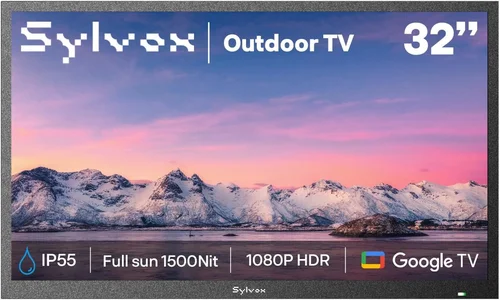
Outdoor living spaces have evolved dramatically over the past decade. What was once a simple patio with a few chairs and a grill has transformed into a full-fledged extension of the home—complete with outdoor kitchens, fire pits, sound systems, and yes, even televisions. For homeowners with small patios, the idea of adding an outdoor TV might seem like a luxury reserved for sprawling backyards. But thanks to advances in weather-resistant technology, compact designs, and smart integration, enjoying your favorite shows, sports, or movies under the open sky is now entirely feasible—even in tight spaces.
This comprehensive buying guide is designed to help you navigate the growing market of outdoor TVs with confidence and clarity. Whether you’re looking to upgrade your morning coffee routine with the news, host intimate movie nights under string lights, or catch the big game without crowding your living room, choosing the right outdoor TV for a small patio requires careful consideration. Unlike indoor TVs, outdoor models must withstand temperature swings, humidity, dust, and direct sunlight—all while delivering crisp visuals and reliable performance. With so many options flooding the market, it’s easy to feel overwhelmed. That’s where this guide comes in.
By the end of this article, you’ll have a clear understanding of what makes an outdoor TV truly suitable for small spaces, how to evaluate key features like brightness and durability, and which models offer the best balance of performance, price, and portability. We’ll break down the essential factors to consider, compare different types of outdoor displays, highlight common pitfalls to avoid, and provide expert-backed recommendations tailored to various budgets and lifestyles. Whether you’re a first-time buyer or upgrading from an older model, this guide will equip you with the knowledge to make a smart, informed decision that enhances your outdoor living experience for years to come.
The outdoor TV market has matured significantly in recent years. Once dominated by bulky, expensive all-weather enclosures that housed standard indoor TVs, today’s offerings include purpose-built outdoor displays with integrated weatherproofing, anti-glare screens, and energy-efficient designs. Brands like SunBriteTV, Samsung, LG, and Seura have pioneered innovations that make outdoor viewing not just possible, but enjoyable—even on a compact balcony or cozy courtyard. At the same time, newer entrants and smart TV platforms have driven prices down and features up, giving consumers more choices than ever before. However, not all “outdoor-ready” TVs are created equal, especially when space is limited. A model that works well on a large deck may be overkill—or worse, impractical—for a small patio. That’s why understanding your specific needs and constraints is the first step toward finding the perfect fit.

What to Look for When Buying Buying Guide
1. Brightness & Screen Visibility
One of the most critical factors when selecting an outdoor TV for a small patio is screen brightness, measured in nits. Unlike indoor environments where lighting is controlled, outdoor spaces are exposed to direct sunlight, glare from reflective surfaces, and shifting ambient light throughout the day. A standard indoor TV typically delivers around 300–400 nits of brightness—adequate for a dimly lit living room but nearly invisible in daylight. For outdoor use, especially on a sun-drenched patio, you’ll need a display capable of at least 700 nits, with premium models offering 1,000 to 2,500 nits or more.
High brightness ensures that colors remain vibrant and text remains legible even when the sun is high. Look for TVs with anti-reflective coatings or optically bonded screens, which reduce glare and improve contrast in bright conditions. Some manufacturers also incorporate ambient light sensors that automatically adjust brightness based on surrounding light levels—a handy feature for small patios where lighting can change quickly as clouds pass or shadows shift. Additionally, consider the screen’s viewing angle. On a small patio, viewers may be seated at various angles relative to the screen, so a wide viewing angle (ideally 178 degrees) helps maintain image quality for everyone.
2. Weather Resistance & Durability
Outdoor TVs must endure far harsher conditions than their indoor counterparts. Rain, snow, extreme heat, freezing temperatures, dust, and UV exposure can all degrade electronics over time. That’s why weather resistance isn’t just a nice-to-have—it’s essential. Look for TVs with an IP (Ingress Protection) rating, which indicates resistance to solids and liquids. For outdoor use, an IP55 or higher rating is recommended. IP55 means the TV is protected against dust (limited ingress) and low-pressure water jets from any direction—ideal for patios exposed to rain or sprinklers.
Beyond the IP rating, examine the materials used in construction. High-quality outdoor TVs feature powder-coated aluminum chassis, stainless steel hardware, and sealed ports to prevent moisture intrusion. Internal components should be rated for a wide operating temperature range—typically from -22°F to 122°F (-30°C to 50°C)—to ensure reliable performance in both winter chill and summer heat. Also, check whether the TV includes a built-in heater or cooling fan for extreme climates. These features help regulate internal temperature and prevent condensation, which can damage circuitry.
For small patios, durability also means resilience against accidental bumps or vibrations—especially if the TV is mounted near foot traffic or outdoor furniture. A robust build ensures longevity and reduces the risk of costly repairs or replacements.
3. Size & Mounting Flexibility
When space is at a premium, every inch counts. Choosing the right screen size for your small patio involves balancing visibility with practicality. A 32-inch TV might be perfect for a cozy balcony where viewers sit just a few feet away, while a 55-inch model could overwhelm the same space or block natural light and airflow. As a general rule, measure the distance from your seating area to the intended mounting location and use the 1.5x to 2.5x rule: multiply the screen size (in inches) by 1.5 to 2.5 to determine the optimal viewing distance in inches. For example, a 43-inch TV is best viewed from 5.4 to 9 feet away.
Mounting options are equally important. Wall mounts are common, but on small patios, ceiling mounts, articulating arms, or even portable stands can maximize flexibility. Look for TVs compatible with VESA mounting standards (e.g., 200×200, 400×400) to ensure compatibility with third-party brackets. Some outdoor TVs come with built-in mounting hardware or optional kits designed specifically for outdoor use. Consider whether you want the TV to be fixed or adjustable—swivel mounts allow you to angle the screen toward different seating areas, which is useful if your patio doubles as a dining or lounging zone.
Portability is another factor if you plan to move the TV seasonally or store it during harsh weather. While most outdoor TVs are designed to stay put, lighter models under 30 pounds may offer easier handling.
4. Smart Features & Connectivity
Modern outdoor TVs aren’t just about surviving the elements—they’re also about delivering a seamless entertainment experience. Smart TV platforms like Android TV, webOS (LG), Tizen (Samsung), or Roku TV enable access to streaming services such as Netflix, Hulu, Disney+, and YouTube directly from the screen. This eliminates the need for external devices like streaming sticks or boxes, reducing cable clutter and simplifying setup—a major plus for small patios where space is limited.
Look for Wi-Fi 5 (802.11ac) or Wi-Fi 6 support for stable streaming, especially if your patio is far from your router. Ethernet ports are also valuable for wired connections, which offer faster, more reliable speeds. HDMI inputs (preferably HDMI 2.0 or higher) allow you to connect gaming consoles, Blu-ray players, or cable boxes. USB ports let you play media files directly from a flash drive.
Voice control compatibility (via Alexa, Google Assistant, or Siri) adds convenience, letting you change channels or search content without reaching for a remote. Some high-end models even include built-in voice assistants. Additionally, check for Bluetooth support if you plan to pair wireless headphones or speakers—ideal for late-night viewing without disturbing neighbors.
5. Audio Quality & Speaker Options
While many outdoor TVs include built-in speakers, they’re often underpowered for open-air environments. Wind, background noise, and distance can quickly drown out dialogue or music. For a small patio, decent built-in audio might suffice if viewers are seated close by—but for richer sound, external audio solutions are usually necessary.
Check the TV’s audio output options: optical digital audio, 3.5mm headphone jack, or HDMI ARC (Audio Return Channel) allow connection to soundbars, outdoor speakers, or wireless audio systems. Some models even support multi-room audio syncing with other smart speakers in your home. If you plan to host gatherings, investing in a weather-resistant soundbar or a pair of outdoor speakers can dramatically enhance the experience.
That said, avoid TVs with front-firing speakers if the screen will be mounted flush against a wall—sound can become muffled. Side- or rear-firing speakers offer better dispersion in open spaces.
6. Brand Reputation & Reliability
Not all outdoor TV brands are created equal. Established names like SunBriteTV (a pioneer in the category), Samsung, and LG have spent years refining their outdoor technologies and offer proven track records for reliability. These brands often provide detailed specifications, rigorous testing data, and strong customer support networks.
Newer or lesser-known brands may offer lower prices, but they might cut corners on materials, firmware updates, or long-term durability. Research user reviews on trusted platforms like Amazon, Best Buy, or specialty outdoor living forums. Pay attention to comments about performance after 6–12 months of use—initial impressions can be misleading. A brand that offers consistent firmware updates and responsive customer service is more likely to stand behind its product if issues arise.
Also, consider whether the brand specializes in outdoor displays or simply markets indoor TVs as “outdoor-ready.” Purpose-built outdoor TVs typically outperform adapted indoor models in real-world conditions.
7. Warranty & Support
Outdoor electronics are inherently more vulnerable to failure due to environmental stress. A strong warranty is your safety net. Most reputable outdoor TV manufacturers offer at least a 2-year warranty, with some extending to 3 or even 5 years. Look for coverage that includes both parts and labor, and clarify whether on-site service is available—especially important if the TV is wall-mounted and difficult to remove.
Check the fine print: some warranties are voided if the TV is installed incorrectly or used in conditions outside its rated specifications (e.g., submerging it in water). Also, verify that the warranty is honored nationwide or in your region. Customer support responsiveness matters too—can you reach a human quickly? Is there a dedicated outdoor product support line?
Extended warranty plans may be worth considering for premium models, but weigh the cost against the likelihood of failure. For budget-friendly options, a standard manufacturer warranty may suffice.
8. Budget & Price Range
Outdoor TVs represent a significant investment compared to indoor models of similar size and specs. Prices vary widely based on brightness, build quality, smart features, and brand. For a small patio, you don’t necessarily need the most expensive model—but skimping too much can lead to disappointment.
Entry-level outdoor TVs start around $800–$1,200 for 32–43 inch models with basic weather resistance and moderate brightness. Mid-range options ($1,500–$2,500) offer better durability, higher nits, and full smart functionality. Premium models ($2,500–$4,000+) deliver top-tier brightness (1,500+ nits), advanced cooling/heating systems, and luxury finishes. Ultra-premium or commercial-grade displays can exceed $5,000 but are typically overkill for residential patios.
Set a realistic budget based on how often you’ll use the TV and how long you plan to keep it. Remember: a well-chosen outdoor TV should last 5–7 years with proper care. Factor in installation costs (mounting, wiring, weatherproofing) and potential add-ons like sound systems or protective covers.
Different Types of Buying Guide

Common Buying Mistakes to Avoid
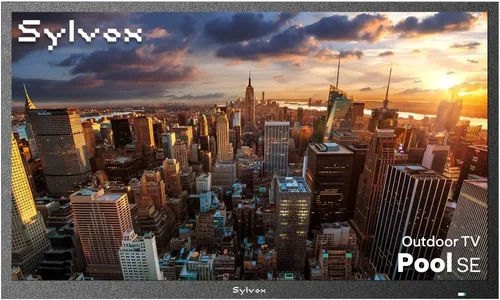
❌ Mistake: Buying an Indoor TV for Outdoor Use
Why it’s bad: Indoor TVs lack weatherproofing, have low brightness, and aren’t designed to handle temperature extremes. Using one outdoors—even under cover—can lead to overheating, screen fogging, or electrical failure. Many manufacturers void warranties if indoor TVs are used outside.
What to do instead: Invest in a TV specifically rated for outdoor use, or pair an indoor TV with a certified weatherproof enclosure. Never assume “it’ll be fine under the awning.”
❌ Mistake: Ignoring Viewing Distance and Screen Size
Why it’s bad: A TV that’s too large can dominate a small patio, block light, or force viewers uncomfortably close. Conversely, a screen that’s too small becomes hard to see, defeating the purpose.
What to do instead: Measure your space and seating layout. Use the 1.5x–2.5x rule to determine ideal size. When in doubt, go slightly smaller—you can always sit closer, but you can’t shrink a giant screen.
❌ Mistake: Overlooking Audio Needs
Why it’s bad: Built-in speakers on outdoor TVs are often weak and easily drowned out by ambient noise. Relying solely on them results in frustrating, muffled audio.
What to do instead: Plan for external audio from the start. Budget for a weather-resistant soundbar or wireless outdoor speakers. Test audio quality during daylight hours when noise levels are highest.
❌ Mistake: Skimping on Mounting Hardware
Why it’s bad: Standard indoor mounts aren’t built for outdoor conditions. Rust, vibration, and wind can loosen improperly secured brackets, risking damage or injury.
What to do instead: Use marine-grade or outdoor-specific mounting kits with corrosion-resistant bolts and seals. Have installations done by professionals if unsure.
❌ Mistake: Not Checking Local Weather Patterns
Why it’s bad: A TV rated for mild climates may fail in areas with heavy rain, snow, or extreme heat. Assuming “outdoor = all climates” is a costly error.
What to do instead: Match the TV’s operating temperature range and IP rating to your local weather. Consult historical climate data for your region.
❌ Mistake: Forgetting About Power and Connectivity
Why it’s bad: Running extension cords across a patio creates tripping hazards and looks messy. Poor Wi-Fi signal leads to buffering and frustration.
What to do instead: Plan cable routing during installation. Use weatherproof conduit for wires. Boost Wi-Fi with a mesh extender or outdoor-rated router if needed.
❌ Mistake: Neglecting Long-Term Maintenance
Why it’s bad: Dust, pollen, and bird droppings can accumulate on screens and vents, reducing performance and lifespan.
What to do instead: Clean the screen monthly with a microfiber cloth and mild cleaner. Inspect seals and vents seasonally. Consider a protective cover for off-seasons.
Budget Guidelines: How Much Should You Spend?
Why it’s bad: Standard indoor mounts aren’t built for outdoor conditions. Rust, vibration, and wind can loosen improperly secured brackets, risking damage or injury.
What to do instead: Use marine-grade or outdoor-specific mounting kits with corrosion-resistant bolts and seals. Have installations done by professionals if unsure.
❌ Mistake: Not Checking Local Weather Patterns
Why it’s bad: A TV rated for mild climates may fail in areas with heavy rain, snow, or extreme heat. Assuming “outdoor = all climates” is a costly error.
What to do instead: Match the TV’s operating temperature range and IP rating to your local weather. Consult historical climate data for your region.
❌ Mistake: Forgetting About Power and Connectivity
Why it’s bad: Running extension cords across a patio creates tripping hazards and looks messy. Poor Wi-Fi signal leads to buffering and frustration.
What to do instead: Plan cable routing during installation. Use weatherproof conduit for wires. Boost Wi-Fi with a mesh extender or outdoor-rated router if needed.
❌ Mistake: Neglecting Long-Term Maintenance
Why it’s bad: Dust, pollen, and bird droppings can accumulate on screens and vents, reducing performance and lifespan.
What to do instead: Clean the screen monthly with a microfiber cloth and mild cleaner. Inspect seals and vents seasonally. Consider a protective cover for off-seasons.
Budget Guidelines: How Much Should You Spend?
Why it’s bad: Running extension cords across a patio creates tripping hazards and looks messy. Poor Wi-Fi signal leads to buffering and frustration.
What to do instead: Plan cable routing during installation. Use weatherproof conduit for wires. Boost Wi-Fi with a mesh extender or outdoor-rated router if needed.
❌ Mistake: Neglecting Long-Term Maintenance
Why it’s bad: Dust, pollen, and bird droppings can accumulate on screens and vents, reducing performance and lifespan.
What to do instead: Clean the screen monthly with a microfiber cloth and mild cleaner. Inspect seals and vents seasonally. Consider a protective cover for off-seasons.
Budget Guidelines: How Much Should You Spend?
– Entry-Level ($800–$1,500): Ideal for covered patios or partial-shade areas. Expect 32–43 inch screens with 700–1,000 nits brightness, basic smart features, and IP54/IP55 ratings. Great for casual viewers who prioritize affordability over premium performance. Examples include partial-shade models from Seura or budget-friendly enclosures with indoor TVs.
– Mid-Range ($1,500–$2,500): The sweet spot for most small patio owners. These TVs offer 1,000–1,500 nits, robust weatherproofing, full smart platforms, and better audio. Sizes typically range from 43 to 55 inches. Brands like SunBriteTV’s Veranda series or Samsung’s outdoor models fall here. Perfect for regular use in varied conditions.
– Premium ($2,500–$4,000): For enthusiasts who want top-tier brightness (1,500+ nits), advanced thermal management, and luxury finishes. These are built for full sun exposure and long-term durability. Often include features like automatic brightness adjustment, enhanced cooling, and extended warranties. Best for patios used daily or for entertaining.
– Luxury ($4,000+): Reserved for commercial applications or ultra-high-end homes. These include massive screens, extreme ruggedness, and custom installation services. Overkill for typical residential patios but may appeal to those seeking maximum performance or future-proofing.
Expert Tips for Getting the Best Deal
– Buy during off-seasons: Prices often drop in late fall and winter when demand for outdoor electronics declines. Look for Black Friday, Cyber Monday, or end-of-year clearance sales.
– Compare total cost of ownership: Factor in mounting, wiring, audio upgrades, and potential maintenance. A cheaper TV may cost more long-term if it requires frequent repairs.
– Shop at specialty retailers: Stores like Best Buy, Crutchfield, or outdoor living specialists often have knowledgeable staff and demo units. Avoid big-box stores with limited outdoor TV expertise.
– Check for bundle deals: Some retailers offer discounts when you buy a TV with a mount, soundbar, or installation service.
– Read real user reviews: Focus on reviews from buyers in similar climates and patio setups. Look for comments about longevity, customer service, and real-world brightness.
– Verify return policies: Ensure you can return or exchange the TV if it doesn’t perform as expected—especially important for online purchases.
– Consider refurbished or open-box models: Certified pre-owned units from reputable sellers can save 20–30% with full warranties.
– Test before committing: If possible, visit a showroom to see the screen in bright conditions. Brightness and glare handling are hard to judge from specs alone.

Frequently Asked Questions
Q: Can I use a regular TV outdoors if it’s under a roof?
A: Technically yes, but it’s not recommended. Even under cover, temperature swings, humidity, and dust can damage indoor TVs. For reliable, long-term use, choose a purpose-built outdoor model or a certified weatherproof enclosure.
Q: Do outdoor TVs need special installation?
A: Yes. Proper mounting, wiring, and sealing are crucial. Hire a professional installer familiar with outdoor electronics to ensure safety and performance.
Q: How do I protect my outdoor TV in winter?
A: Most outdoor TVs are designed to operate in cold weather, but if temperatures drop below the rated minimum, consider a protective cover or temporary storage. Avoid covering the screen with plastic, which can trap moisture.
Q: Will my Wi-Fi reach the patio?
A: It depends on distance and obstacles. Use a Wi-Fi extender or mesh system to boost signal. For best results, run an Ethernet cable through conduit.
Q: Can I leave my outdoor TV on all the time?
A: Not advisable. Continuous operation generates heat and wears out components. Use a timer or smart plug to turn it off when not in use.
Q: Are outdoor TVs energy efficient?
A: Many modern models are Energy Star certified and use LED backlighting, which consumes less power than older technologies. Check specs for annual energy consumption (kWh).
Q: What’s the difference between partial-shade and full-sun outdoor TVs?
A: Partial-shade models are designed for covered areas with indirect light and typically have lower brightness (700–1,000 nits). Full-sun TVs handle direct sunlight with 1,500+ nits and enhanced cooling.
Q: Can I mount an outdoor TV on a brick or concrete wall?
A: Yes, but use appropriate anchors and seal all penetrations to prevent water ingress. Consult a professional for masonry installations.
Q: Do outdoor TVs come with remotes that work in sunlight?
A: Most use standard IR remotes, which can struggle in bright light. Consider models with Bluetooth remotes or use a smartphone app for control.
Q: How long do outdoor TVs last?
A: With proper care, 5–7 years is typical. Harsh climates may shorten lifespan. Regular maintenance and avoiding extreme conditions can extend usability.
Our Final Recommendations
– Best for Budget-Conscious Buyers: Seura Shade Series 43″ – Offers excellent value with 1,000 nits brightness, IP54 rating, and smart features for under $1,500. Ideal for covered patios.
– Best Overall Value: SunBriteTV Veranda Series 50″ – Combines 1,000 nits brightness, robust build, and full smart functionality at a mid-range price. Perfect balance for most small patios.
– Best Premium Option: SunBriteTV Pro Series 55″ – Built for full sun with 2,500 nits, advanced cooling, and commercial-grade durability. Worth the investment for daily use.
– Best for Beginners: Samsung The Terrace Partial Shade 43″ – User-friendly interface, reliable performance, and strong brand support. Great first outdoor TV.
– Best for Advanced Users: LG Outdoor Smart TV with webOS 55″ – High brightness, excellent color accuracy, and seamless smart integration for tech-savvy homeowners.
Conclusion: Making the Right Choice
Choosing the best outdoor TV for a small patio is about more than just picking a screen that fits the space—it’s about finding a display that enhances your lifestyle, withstands the elements, and delivers consistent performance year after year. From brightness and weather resistance to smart features and audio quality, every factor plays a role in creating an enjoyable outdoor viewing experience. By understanding your specific needs, avoiding common pitfalls, and investing wisely within your budget, you can transform your compact patio into a cozy entertainment oasis.
Remember, the goal isn’t to buy the most expensive or feature-packed model, but the one that aligns perfectly with your usage patterns, climate, and space constraints. Take the time to research, compare options, and consult experts if needed. Your outdoor TV should feel like a natural extension of your home—not a compromise. With the insights from this guide, you’re now equipped to make a confident, informed decision that brings joy to your outdoor living for seasons to come. So go ahead—grab some popcorn, invite a friend, and enjoy the show under the open sky.

