
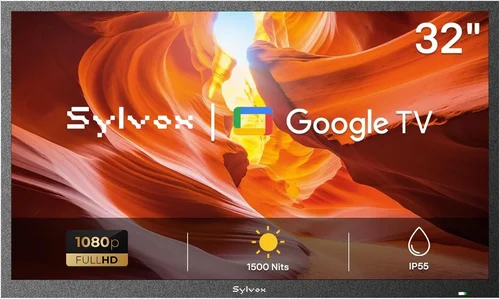
Outdoor television has evolved from a niche luxury to a must-have centerpiece for modern family gatherings. Whether you’re hosting a backyard barbecue, watching the big game under the stars, or enjoying a movie night by the pool, the right outdoor TV can transform your outdoor space into a true entertainment hub. But with so many options flooding the market in 2026—ranging from weatherproof models to ultra-bright displays designed for direct sunlight—it’s easy to feel overwhelmed. That’s exactly why this comprehensive buying guide exists: to cut through the noise and help you make a smart, informed decision.
In this guide, you’ll learn everything you need to know about choosing the perfect outdoor television for your family’s needs. We’ll break down the key factors that matter most—from brightness and weather resistance to smart features and installation requirements. You’ll also discover the different types of outdoor TVs available, common pitfalls to avoid, and expert tips for getting the best value. Whether you’re on a tight budget or ready to invest in a premium setup, this guide will equip you with the knowledge to pick a TV that delivers stunning visuals, reliable performance, and years of enjoyment—rain or shine.
The outdoor TV market has grown rapidly in recent years, driven by advancements in display technology and increased demand for outdoor living spaces. Brands like SunBriteTV, Samsung, LG, and Seura have introduced specialized models built to withstand extreme temperatures, humidity, rain, and even snow. At the same time, traditional indoor TVs are being retrofitted with outdoor enclosures, offering a more affordable alternative. With so many choices, understanding the differences between fully outdoor-rated TVs and DIY solutions is crucial. This guide will walk you through the entire process, ensuring you choose a TV that not only fits your space and lifestyle but also stands the test of time.

What to Look for When Buying Buying Guide
1. Brightness & Display Quality
One of the most critical factors when choosing an outdoor TV is brightness—measured in nits. Unlike indoor TVs, which typically range from 300 to 600 nits, outdoor models need significantly higher brightness to combat glare from sunlight. For shaded areas, a minimum of 700 nits is recommended, while direct sunlight exposure demands at least 1,000 to 2,500 nits. Look for TVs with anti-reflective coatings and high dynamic range (HDR) support to enhance contrast and color accuracy in bright conditions.
Additionally, consider the display technology. OLED offers superior contrast and deep blacks but can be prone to burn-in and may not perform as well in direct sun. QLED and LED-LCD models, especially those with quantum dot enhancement, provide excellent brightness and color vibrancy, making them ideal for outdoor use. Resolution is another key consideration: 4K UHD is now the standard, delivering crisp, detailed images even on larger screens. Some premium models now support 8K, though content availability remains limited.
2. Weather Resistance & Durability
Outdoor TVs must endure a wide range of environmental challenges, from rain and snow to dust, humidity, and temperature extremes. Look for models with an IP (Ingress Protection) rating of at least IP55 or higher, which ensures protection against water jets and dust ingress. Fully sealed enclosures, rust-resistant materials, and UV-protected screens are essential for long-term durability.
Temperature tolerance is equally important. Quality outdoor TVs are engineered to operate safely in temperatures ranging from -22°F to 122°F (-30°C to 50°C). Internal heating and cooling systems help maintain optimal performance in extreme climates. Avoid placing TVs in areas exposed to salt air or heavy chemical exposure unless specifically rated for such environments. Also, ensure the TV is mounted securely to withstand wind and vibrations.
3. Size & Viewing Distance
Choosing the right screen size depends on your outdoor space and typical viewing distance. For patios and decks, a 55-inch to 65-inch TV is usually ideal, providing a cinematic experience without overwhelming the area. Larger spaces like backyard theaters or pool decks may benefit from 75-inch or even 85-inch models. Use the 1.5x rule as a guideline: multiply your viewing distance (in inches) by 1.5 to determine the optimal screen size. For example, if viewers sit 10 feet (120 inches) away, a 60-inch to 70-inch TV is appropriate.
Consider the TV’s bezel design and overall footprint. Slim bezels maximize screen real estate and blend seamlessly into outdoor decor. Wall-mounted installations save space and reduce tripping hazards, while freestanding or portable models offer flexibility for seasonal use. Always measure your mounting area and account for ventilation space to prevent overheating.
4. Smart Features & Connectivity
Modern outdoor TVs come equipped with smart platforms that support streaming apps like Netflix, YouTube, Disney+, and Amazon Prime Video. Look for models running Android TV, webOS, or Tizen, which offer intuitive interfaces and regular software updates. Built-in Wi-Fi and Ethernet ports ensure reliable connectivity, while Bluetooth allows for wireless audio streaming to outdoor speakers or headphones.
HDMI inputs are essential for connecting gaming consoles, cable boxes, or media players. Aim for at least three HDMI 2.1 ports to support 4K/120Hz content and future-proof your setup. Some models include USB ports for media playback or firmware updates. Voice control via Google Assistant or Alexa adds convenience, especially when your hands are full during family gatherings. Don’t overlook audio quality—many outdoor TVs have built-in speakers, but for a truly immersive experience, consider pairing them with a weatherproof soundbar or outdoor speaker system.
5. Installation & Mounting Options
Proper installation is crucial for both performance and safety. Outdoor TVs should be mounted on sturdy, weather-resistant brackets designed for outdoor use. Tilt and swivel mounts allow you to adjust the viewing angle to reduce glare and optimize sightlines. Ceiling mounts are ideal for covered patios, while wall mounts work well for decks and pergolas.
Consider cable management solutions to keep wires organized and protected from the elements. Conduit systems or in-wall wiring can enhance aesthetics and prevent tripping. If you’re not comfortable with DIY installation, hire a professional—especially if electrical work or structural modifications are required. Always follow the manufacturer’s guidelines for mounting height and ventilation to ensure optimal airflow and prevent overheating.
6. Brand Reputation & Reliability
Not all outdoor TVs are created equal. Established brands like SunBriteTV, Samsung, and LG have a proven track record of building durable, high-performance outdoor displays. SunBriteTV, for example, specializes exclusively in outdoor TVs and offers models with advanced weatherproofing and brightness. Samsung’s The Terrace series combines sleek design with robust functionality, while LG’s outdoor-ready OLEDs deliver exceptional picture quality.
Research customer reviews and professional ratings to gauge reliability and long-term performance. Look for brands that offer comprehensive warranties and responsive customer support. Avoid lesser-known brands that may cut corners on materials or lack proper certifications. A reputable brand not only ensures quality but also provides peace of mind knowing your investment is protected.
7. Warranty & Support
A solid warranty is a strong indicator of a manufacturer’s confidence in their product. Most premium outdoor TVs come with a 2- to 3-year warranty, covering defects, weather damage, and performance issues. Some brands offer extended warranties or service plans for an additional cost. Read the fine print to understand what’s covered—some warranties exclude damage from improper installation or extreme weather events.
Customer support is equally important. Choose brands with accessible service centers, online troubleshooting guides, and responsive technical support. Check if the company offers on-site repairs or replacement programs. A good warranty and support system can save you time, money, and frustration down the road.
8. Budget & Price Range
Outdoor TVs are a significant investment, with prices ranging from $1,000 to over $10,000 depending on size, features, and build quality. Entry-level models start around $1,200 and are suitable for shaded areas with basic smart features. Mid-range options ($2,000–$4,000) offer better brightness, weather resistance, and connectivity. Premium models ($5,000+) include advanced features like 8K resolution, built-in heaters, and professional-grade enclosures.
Don’t forget to factor in additional costs such as mounting hardware, cables, sound systems, and installation fees. While it’s tempting to go for the cheapest option, skimping on quality can lead to premature failure and higher long-term costs. Balance your budget with your needs—invest in a TV that matches your usage patterns and environmental conditions.
Different Types of Buying Guide

Common Buying Mistakes to Avoid
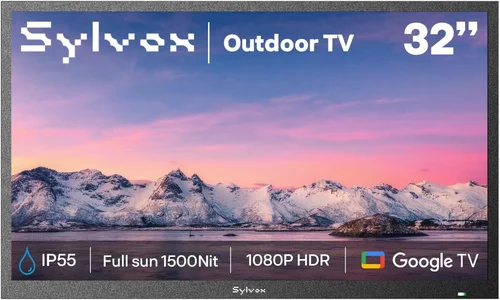
❌ Mistake: Buying an Indoor TV for Outdoor Use Without Protection
Why it’s bad: Indoor TVs are not designed to withstand moisture, temperature swings, or UV exposure. Using one outdoors—even under a covered patio—can lead to condensation, overheating, screen damage, and electrical failure. The warranty will likely be voided, and repair costs can exceed the TV’s value.
What to do instead: Invest in a fully outdoor-rated TV or use a certified outdoor enclosure. These solutions are specifically engineered to protect internal components and ensure safe, reliable operation in outdoor conditions.
❌ Mistake: Ignoring Brightness Requirements
Why it’s bad: A dim TV will look washed out and unwatchable in daylight, especially during afternoon gatherings. Even in shaded areas, ambient light can reduce visibility. Low brightness defeats the purpose of having an outdoor TV.
What to do instead: Choose a model with at least 700 nits for shaded areas and 1,000+ nits for direct sun. Look for anti-glare coatings and local dimming features to enhance contrast and clarity.
❌ Mistake: Overlooking Installation and Ventilation
Why it’s bad: Poor installation can lead to instability, water intrusion, or overheating. Mounting a TV too close to a wall or in an enclosed space restricts airflow, causing internal components to fail prematurely.
What to do instead: Use a weatherproof mount with proper tilt and swivel. Ensure at least 2–3 inches of clearance around the TV for ventilation. Follow the manufacturer’s installation guidelines and consider professional help if needed.
❌ Mistake: Skimping on Audio Quality
Why it’s bad: Built-in speakers on outdoor TVs are often underpowered and muffled by wind or ambient noise. Relying solely on them results in a poor audio experience, especially during lively family events.
What to do instead: Pair your TV with weatherproof outdoor speakers or a soundbar. Wireless options like Bluetooth speakers offer flexibility, while wired systems provide consistent, high-quality sound.
❌ Mistake: Not Considering Future-Proofing
Why it’s bad: Technology evolves quickly. A TV with outdated ports or limited smart features may become obsolete within a few years, forcing an early upgrade.
What to do instead: Choose a model with HDMI 2.1, Wi-Fi 6, and regular software updates. Opt for a platform with a strong app ecosystem and voice control compatibility to extend the TV’s lifespan.
❌ Mistake: Choosing Based on Price Alone
Why it’s bad: The cheapest option may lack essential features like weather resistance or adequate brightness, leading to disappointment and additional costs down the line.
What to do instead: Evaluate the total cost of ownership, including installation, accessories, and potential repairs. Prioritize value over price—invest in a TV that meets your needs and lasts for years.
❌ Mistake: Neglecting Warranty and Support
Why it’s bad: Outdoor TVs face harsh conditions, and repairs can be costly. Without a solid warranty, you’re left footing the bill for any issues that arise.
What to do instead: Choose a brand with a comprehensive warranty and reliable customer support. Read reviews about their service quality and response times before purchasing.
Budget Guidelines: How Much Should You Spend?
Entry-Level ($800 – $1,500): These options are ideal for shaded patios or seasonal use. They typically include indoor TVs in basic outdoor enclosures or compact portable models. Expect lower brightness (500–700 nits), limited smart features, and shorter warranties. Best for casual viewers who don’t need year-round performance.
Mid-Range ($1,500 – $4,000): This is the sweet spot for most families. These TVs offer 700–1,500 nits of brightness, full weatherproofing, and robust smart platforms. Models like the SunBriteTV Veranda series or Samsung The Terrace fall into this category. They’re suitable for covered decks, pergolas, and areas with partial sun exposure.
Premium ($4,000 – $8,000): Designed for enthusiasts and those who entertain frequently, premium outdoor TVs deliver 1,500–2,500 nits, advanced HDR, and superior build quality. Features like built-in heaters, anti-reflective screens, and professional mounting systems ensure top-tier performance in all conditions. Ideal for direct sunlight and extreme climates.
Luxury ($8,000+): These are the top-of-the-line models, often used in commercial settings or luxury homes. They include 8K resolution, commercial-grade durability, 24/7 operation capability, and custom installation options. Brands like Peerless-AV and Planar offer these high-end solutions for those who demand the absolute best.
Expert Tips for Getting the Best Deal
- Shop During Seasonal Sales: The best time to buy an outdoor TV is during spring and early summer, when retailers offer discounts to kick off the outdoor season. Black Friday and Cyber Monday also feature significant deals, though inventory may be limited.
- Compare Online and In-Store Prices: Online retailers like Amazon, Best Buy, and specialty outdoor tech stores often have lower prices and exclusive bundles. However, in-store purchases allow you to see the TV in person and ask questions.
- Look for Bundled Packages: Many brands offer TV + mount + soundbar bundles at a discounted rate. These can save you 10–20% compared to buying items separately.
- Check for Rebates and Incentives: Some manufacturers and utility companies offer rebates for energy-efficient outdoor electronics. Visit the brand’s website or contact customer service to learn about current promotions.
- Read Return Policies Carefully: Outdoor TVs are often custom-ordered and may have strict return windows. Ensure you have at least 30 days to test the TV and return it if unsatisfied.
- Test Before Committing: If possible, visit a showroom or ask for a demo unit. Pay attention to brightness, color accuracy, and ease of use in real-world conditions.
- Consider Refurbished or Open-Box Models: Certified refurbished TVs from reputable sellers can offer significant savings with full warranties. Just ensure they’re inspected and come with a return policy.
- Negotiate with Installers: If hiring a professional, ask for package deals that include TV purchase, installation, and setup. Some companies offer discounts for bundled services.

Frequently Asked Questions
Q: Can I use a regular TV outdoors if it’s under a covered patio?
A: While possible, it’s not recommended unless the TV is in a fully enclosed, climate-controlled space. Even under cover, humidity, temperature changes, and dust can damage internal components. For reliable performance, use an outdoor-rated TV or a certified enclosure.
Q: How do I protect my outdoor TV from rain and snow?
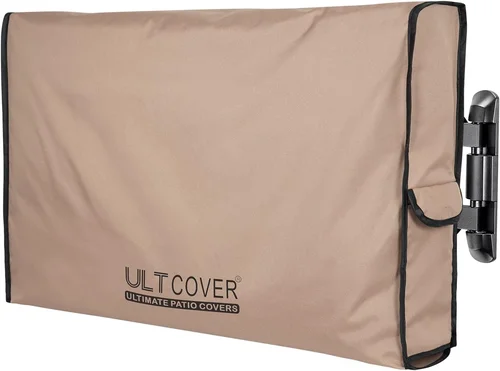
A: Choose a model with an IP55 or higher rating, which ensures protection against water jets and dust. Ensure the TV is mounted under a roof or awning, and use a weatherproof cover when not in use for added protection.
Q: Do outdoor TVs need special power outlets?
A: Most outdoor TVs use standard 120V outlets, but it’s essential to use a GFCI (Ground Fault Circuit Interrupter) outlet for safety. This prevents electrical shock in wet conditions. Consult an electrician if your outdoor outlets aren’t GFCI-protected.
Q: Can I mount an outdoor TV on a brick or concrete wall?
A: Yes, but you’ll need masonry anchors and a heavy-duty mount. Ensure the wall can support the TV’s weight and that drilling won’t damage structural elements. Use a template to mark holes accurately.
Q: How long do outdoor TVs typically last?
A: With proper care and installation, high-quality outdoor TVs can last 7–10 years or more. Lower-end models may fail sooner due to inferior materials and lack of weatherproofing.
Q: Are outdoor TVs energy-efficient?
A: Many modern outdoor TVs are ENERGY STAR certified and use LED backlighting, which consumes less power than older technologies. However, higher brightness settings do increase energy use, so adjust settings based on lighting conditions.
Q: Can I use streaming devices like Roku or Apple TV with an outdoor TV?
A: Absolutely. Most outdoor TVs have HDMI ports and support external streaming devices. Just ensure the device is protected from the elements or placed in a weatherproof box near the TV.
Q: What’s the difference between an outdoor TV and a weatherproof TV?
A: “Outdoor TV” usually refers to models specifically designed and tested for outdoor use, with built-in weatherproofing. “Weatherproof TV” may refer to indoor TVs in protective enclosures. The former offers better integration and reliability.
Q: Do I need a permit to install an outdoor TV?
A: In most residential areas, no permit is required for TV installation. However, if you’re modifying electrical systems or structural elements, check local building codes. Always follow safety guidelines.
Q: Can I leave my outdoor TV on during a storm?
A: It’s not recommended. While outdoor TVs are weather-resistant, lightning strikes and power surges can damage electronics. Use a surge protector and turn off the TV during severe weather.
Our Final Recommendations
Best for Budget-Conscious Buyers: SunBriteTV Veranda Series (55-inch) – At around $2,200, this model offers excellent brightness (1,000 nits), full weatherproofing, and a user-friendly smart platform. Ideal for shaded patios and covered decks.
Best Overall Value: Samsung The Terrace (65-inch) – Priced at $3,500, it delivers 2,000 nits of brightness, stunning 4K HDR, and a sleek design. Perfect for direct sunlight and frequent family gatherings.
Best Premium Option: LG OLED Outdoor TV (77-inch) – At $7,500, this model combines OLED’s deep blacks with outdoor durability. Features built-in heating, anti-reflective coating, and webOS smart platform.
Best for Beginners: Seura Outdoor TV (50-inch) – Easy to install and operate, this TV offers 800 nits brightness and a simple interface. Great for first-time buyers looking for reliability.
Best for Advanced Users: Peerless-AV Xtreme Outdoor Display (86-inch) – A commercial-grade powerhouse with 3,000 nits, 24/7 operation, and custom mounting. Ideal for large venues or tech-savvy homeowners.
Conclusion: Making the Right Choice
Choosing the right outdoor television for family gatherings is about more than just picture quality—it’s about creating lasting memories in a space that feels like an extension of your home. From brightness and weather resistance to smart features and installation, every decision impacts your overall experience. By understanding the key factors, avoiding common mistakes, and aligning your purchase with your budget and needs, you can confidently select a TV that delivers years of entertainment.
Remember, the best outdoor TV isn’t necessarily the most expensive—it’s the one that fits your lifestyle, environment, and viewing habits. Whether you’re hosting a summer cookout or cozying up for a fall movie night, the right TV will enhance every moment. Take your time, do your research, and don’t hesitate to seek expert advice. With the insights from this guide, you’re well-equipped to make a smart, satisfying investment in your outdoor living space.
Now it’s your turn. Explore your options, compare models, and envision the gatherings you’ll enjoy with your new outdoor TV. The perfect setup is out there—ready to bring your family together under the open sky.

