
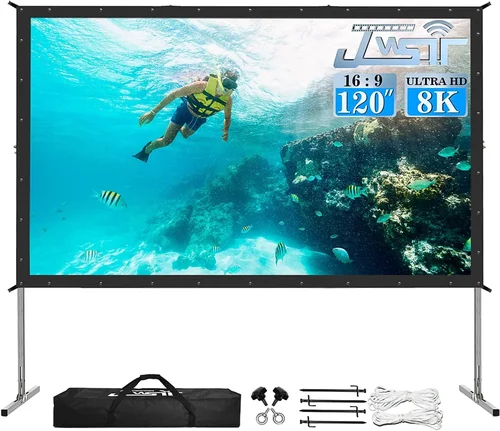
Garden TVs have become one of the most exciting and practical additions to outdoor living spaces in recent years. As summer parties, backyard barbecues, and alfresco movie nights grow in popularity, homeowners are increasingly looking for ways to bring the comfort and entertainment of indoor television to their patios, decks, and gardens. Whether you’re hosting a casual gathering with friends or planning a full-scale outdoor event, having a reliable, weather-resistant TV can transform your space into a true entertainment hub. But with so many options flooding the market in 2026, choosing the right garden TV can feel overwhelming. That’s where this comprehensive buying guide comes in.
In this detailed article, we’ll walk you through everything you need to know to make a smart, informed decision when purchasing a garden TV. From understanding key performance specs and durability requirements to comparing different types of outdoor TVs and avoiding common pitfalls, we’ve got you covered. You’ll learn how to balance budget with features, what to look for in terms of weather resistance and image quality, and how to future-proof your investment. Whether you’re a first-time buyer or upgrading from an older model, this guide is designed to help you find the perfect outdoor TV for your summer parties and year-round enjoyment. By the end, you’ll have the confidence to choose a model that not only meets your needs but enhances your outdoor lifestyle.
The market for outdoor TVs has evolved dramatically over the past few years. What was once a niche category dominated by a handful of premium brands has now expanded to include a wide range of options—from budget-friendly all-weather displays to high-end, commercial-grade models with advanced smart features. Innovations in display technology, such as anti-glare screens, brighter panels, and improved weatherproofing, have made garden TVs more accessible and functional than ever. At the same time, consumer demand for outdoor entertainment has surged, driven by trends like staycations, outdoor home theaters, and the desire to maximize usable living space. As a result, manufacturers are responding with more choices, better performance, and smarter designs tailored specifically for outdoor use.

What to Look for When Buying Buying Guide
1. Weather Resistance & IP Rating
One of the most critical factors when choosing a garden TV is its ability to withstand the elements. Unlike indoor TVs, outdoor models must endure rain, humidity, dust, extreme temperatures, and even direct sunlight. This is where the IP (Ingress Protection) rating comes into play. The IP rating is a two-digit code that indicates how well a device is protected against solids (like dust) and liquids (like water). For garden TVs, you’ll want a minimum rating of IP55, which means the TV is protected against dust and water jets from any direction. However, for full outdoor exposure—especially in areas with heavy rain or snow—look for IP65 or higher. IP65-rated TVs are dust-tight and can handle low-pressure water sprays, making them ideal for uncovered patios or decks.
Beyond the IP rating, consider the TV’s internal components. High-quality garden TVs often feature sealed cooling systems, corrosion-resistant materials, and thermal management to prevent overheating in summer or freezing in winter. Some models even include built-in heaters or fans to regulate internal temperature. For example, a TV installed in a coastal area with high salt content in the air will benefit from marine-grade coatings and stainless steel hardware to prevent rust. Always check the manufacturer’s specifications for operating temperature ranges—most outdoor TVs are designed to function between -22°F and 122°F (-30°C to 50°C), but this can vary.
2. Display Brightness & Anti-Glare Technology
Brightness is arguably the most important display feature for a garden TV. Indoor TVs typically operate in dimly lit environments, but outdoor settings are flooded with natural light—especially during daytime parties or early evening gatherings. A standard indoor TV with a brightness of 300–400 nits will appear washed out and nearly unwatchable in direct sunlight. For outdoor use, you need a TV with a minimum brightness of 700 nits, but ideally 1,000 nits or higher for optimal visibility.
Look for models with high-brightness LED or QLED panels specifically engineered for outdoor viewing. These displays use advanced backlighting and anti-reflective coatings to reduce glare from the sun. Some premium garden TVs also feature optical bonding, a process where the glass layer is fused directly to the LCD panel. This eliminates air gaps that can cause reflections and improves contrast and clarity in bright conditions. Additionally, consider the screen’s viewing angle. Wide viewing angles (178 degrees or more) ensure that guests seated at various positions around the TV can still enjoy a clear picture without color distortion.
Another innovation to watch for is adaptive brightness technology. These TVs use ambient light sensors to automatically adjust screen brightness based on surrounding light conditions. For example, the screen will dim slightly at night to reduce glare and improve contrast, then brighten during the day for better visibility. This not only enhances the viewing experience but also helps conserve energy and extend the TV’s lifespan.
3. Build Quality & Durability
Outdoor TVs are exposed to more stress than their indoor counterparts, so build quality is paramount. The chassis should be constructed from robust, weather-resistant materials such as powder-coated aluminum or marine-grade stainless steel. These materials resist rust, corrosion, and UV degradation, ensuring the TV remains functional and aesthetically pleasing for years. Avoid plastic-heavy models, as they can become brittle over time when exposed to sunlight and temperature fluctuations.
Pay close attention to the mounting system. A high-quality garden TV should come with a sturdy, corrosion-resistant wall mount or allow for secure installation on a ceiling or post. Some models include built-in cable management to keep wires hidden and protected from the elements. Additionally, check the weight and dimensions of the TV—larger screens may require reinforced mounting hardware, especially in windy areas.
Durability also extends to the internal electronics. Look for TVs with solid-state components, sealed circuit boards, and protective conformal coatings that guard against moisture and dust. Brands that design their TVs specifically for outdoor use often undergo rigorous testing, including salt spray tests, thermal cycling, and drop tests, to ensure long-term reliability. For instance, some manufacturers simulate 10 years of outdoor exposure in accelerated lab tests before releasing a product.
4. Smart Features & Connectivity
Modern garden TVs are no longer just passive displays—they’re full-fledged smart entertainment systems. Most outdoor models in 2026 come with built-in Wi-Fi, Bluetooth, and popular streaming platforms like Netflix, YouTube, Disney+, and Amazon Prime Video. This allows you to stream content directly without needing an external device, which is especially convenient for outdoor setups where space and cable management are concerns.
When evaluating smart features, consider the operating system. Android TV, webOS, and Tizen are common platforms, each with its own interface, app ecosystem, and voice assistant compatibility (like Google Assistant or Alexa). A user-friendly interface with intuitive navigation is essential, especially when guests are using the TV. Some high-end models even include gesture control or remote-free operation via smartphone apps.
Connectivity options are equally important. Ensure the TV has multiple HDMI ports (at least two, preferably three), USB ports for media playback, and audio outputs for external speakers or soundbars. If you plan to connect gaming consoles, sound systems, or streaming devices, having enough ports and support for HDMI 2.1 (for 4K/120Hz gaming) is a plus. For wireless audio, Bluetooth 5.0 or higher ensures stable connections with outdoor speakers or headphones.
5. Audio Performance & External Sound Options
While picture quality is crucial, audio performance is often overlooked—yet it’s essential for creating an immersive outdoor entertainment experience. Most garden TVs come with built-in speakers, but these are typically limited in power and clarity, especially when competing with ambient noise like wind, traffic, or party chatter. For casual viewing, built-in audio may suffice, but for movie nights or music playback, external sound is highly recommended.
Look for TVs with audio output options such as optical digital audio, 3.5mm headphone jacks, or HDMI ARC (Audio Return Channel). These allow you to connect external speakers, soundbars, or even a full outdoor audio system. Some premium models include built-in subwoofers or support for Dolby Atmos, delivering richer, more dynamic sound. However, keep in mind that high-volume audio may require permits or neighbor considerations, depending on your location.
If you plan to host frequent parties, consider investing in a weather-resistant sound system designed for outdoor use. Many brands offer matching speaker sets that complement their TVs, ensuring seamless integration and aesthetic consistency. Wireless options like Bluetooth speakers or Wi-Fi-enabled systems (e.g., Sonos Outdoor) offer flexibility in placement and reduce cable clutter.
6. Size & Viewing Distance
Choosing the right screen size for your garden TV depends on several factors, including viewing distance, seating arrangement, and the size of your outdoor space. A TV that’s too small will be hard to see from a distance, while one that’s too large can overwhelm the area and strain the eyes.
As a general rule, the optimal viewing distance is about 1.5 to 2.5 times the diagonal screen size. For example, a 55-inch TV is best viewed from 6.5 to 11 feet away. For larger patios or open gardens, consider a 65-inch or 75-inch model. However, always measure your space and consider obstructions like trees, railings, or furniture that might block the view.
Portability is another consideration. Some garden TVs are designed to be mounted permanently, while others come with optional stands or wheels for easy movement. If you plan to use the TV in different areas—like moving it from the patio to the pool deck—look for lightweight models with handles or compatible mobile carts. Keep in mind that larger screens are heavier and may require two people to move safely.
7. Brand Reputation & Customer Support
With so many brands entering the outdoor TV market, it’s important to choose a reputable manufacturer with a proven track record. Established brands like Samsung, LG, Sony, and SunBriteTV have extensive experience in display technology and offer reliable, well-tested products. These companies often provide detailed installation guides, responsive customer service, and strong warranty coverage.
Research customer reviews and professional ratings from trusted sources like CNET, Wirecutter, or Consumer Reports. Pay attention to feedback about long-term durability, ease of setup, and post-purchase support. A brand that offers comprehensive customer service—including phone support, online troubleshooting, and local repair options—can save you time and frustration if issues arise.
Additionally, consider the availability of replacement parts and accessories. Some brands offer extended warranties, service plans, or upgrade programs that allow you to trade in older models. For commercial installations or high-end residential setups, working with a certified installer recommended by the manufacturer can ensure proper setup and maximize performance.
8. Warranty & Return Policy
Outdoor TVs represent a significant investment, so protecting that purchase with a solid warranty is essential. Most reputable manufacturers offer warranties ranging from one to three years, covering defects in materials and workmanship. However, outdoor-specific models often come with extended coverage due to their specialized design.
Read the warranty terms carefully. Some policies exclude damage caused by improper installation, extreme weather events, or unauthorized modifications. Look for warranties that cover both parts and labor, and check whether on-site service is available. For example, a three-year comprehensive warranty with free shipping for repairs provides peace of mind and reduces downtime.
Return policies are equally important, especially if you’re buying online. A 30-day return window allows you to test the TV in your actual outdoor environment and ensure it meets your expectations. Some retailers offer extended return periods during peak seasons like spring and summer. Always keep the original packaging and documentation in case you need to return or exchange the product.
Different Types of Buying Guide

Common Buying Mistakes to Avoid
❌ Mistake: Buying an Indoor TV for Outdoor Use
Why it’s bad: Indoor TVs are not designed to handle moisture, temperature extremes, or UV exposure. Using one outdoors can lead to rapid degradation, electrical failure, or even safety hazards like short circuits. Even if covered, indoor TVs lack the necessary brightness and anti-glare features for outdoor viewing.
What to do instead: Always choose a TV specifically rated for outdoor use. If budget is a concern, consider a covered-area model or an indoor TV with a certified outdoor enclosure.
❌ Mistake: Ignoring the IP Rating
Why it’s bad: A low or unspecified IP rating means the TV may not be fully protected against rain, dust, or humidity. This can result in internal damage, reduced lifespan, and voided warranties.
What to do instead: Verify the IP rating before purchasing. For full exposure, aim for IP65 or higher. Check the manufacturer’s installation guidelines to ensure proper placement.
❌ Mistake: Overlooking Brightness Requirements
Why it’s bad: A dim screen will be nearly invisible in daylight, ruining the outdoor viewing experience. Guests will struggle to see the picture, especially during daytime parties.
What to do instead: Choose a TV with at least 700 nits of brightness, preferably 1,000+ nits for sunny areas. Look for anti-glare coatings and optical bonding for better clarity.
❌ Mistake: Skimping on Audio
Why it’s bad: Built-in speakers on outdoor TVs are often weak and lack bass. In noisy environments, dialogue and music can be drowned out, making content hard to enjoy.
What to do instead: Invest in weather-resistant external speakers or a soundbar. Use audio outputs like HDMI ARC or optical to connect high-quality audio systems.
❌ Mistake: Poor Mounting or Installation
Why it’s bad: Improper mounting can lead to instability, especially in windy conditions. It may also void the warranty or cause damage to the TV or structure.
What to do instead: Use a certified outdoor mount and follow the manufacturer’s installation instructions. Consider hiring a professional installer for permanent setups.
❌ Mistake: Not Checking Return Policies
Why it’s bad: Outdoor conditions vary widely. A TV that looks good in a showroom may not perform well in your specific environment.
What to do instead: Buy from retailers with generous return windows (30 days or more). Test the TV in real-world conditions before finalizing your purchase.
❌ Mistake: Forgetting About Cable Management
Why it’s bad: Exposed cables are unsightly, prone to damage, and can create tripping hazards. They also attract pests and degrade over time.
What to do instead: Choose a TV with built-in cable management or use weatherproof conduit and clips to route wires safely and neatly.
Budget Guidelines: How Much Should You Spend?
Entry-Level ($500 – $1,200): These are typically portable TVs or indoor models with outdoor enclosures. Best for temporary use, covered areas, or small spaces. Expect basic smart features, moderate brightness (500–700 nits), and limited weather resistance. Ideal for casual viewers or those on a tight budget.
Mid-Range ($1,200 – $2,500): This is the sweet spot for most homeowners. These TVs offer full weatherproofing (IP55 or higher), 700–1,000 nits brightness, and solid smart functionality. Models in this range often include better audio, wider viewing angles, and reliable build quality. Perfect for regular summer parties and year-round use in covered or semi-covered areas.
Premium ($2,500 – $4,500): Designed for enthusiasts and frequent entertainers, these TVs feature ultra-bright displays (1,000+ nits), advanced anti-glare technology, and premium materials. Expect top-tier smart platforms, multiple connectivity options, and robust warranties. Ideal for large patios, pool areas, or homes in extreme climates.
Luxury ($4,500+): These are commercial-grade or custom-built outdoor displays with 24/7 operation capability, extreme durability, and cutting-edge features like 8K resolution, Dolby Vision, and integrated lighting. Often used in high-end residences, hotels, or public venues. Built to last decades with minimal maintenance.
Expert Tips for Getting the Best Deal
- Buy during seasonal sales: The best time to purchase a garden TV is in early spring (March–April) or during Black Friday. Many retailers offer discounts of 15–30% during these periods.
- Compare online and in-store prices: Online retailers often have lower prices and better return policies, but in-store purchases allow you to see the TV in person and ask questions.
- Look for bundle deals: Some brands offer discounts when you buy a TV with a mount, sound system, or installation service.
- Check for manufacturer rebates: Companies like Samsung and LG frequently run rebate programs that can save you $100–$300.
- Read the fine print on warranties: Ensure the warranty covers outdoor use and includes labor costs. Avoid extended warranties with high markups.
- Test before you commit: If possible, visit a showroom or borrow a friend’s TV to test visibility and sound in your outdoor space.
- Consider refurbished models: Certified refurbished outdoor TVs from reputable sellers can offer significant savings with full warranty coverage.
- Plan for installation costs: Factor in the cost of professional installation, especially for permanent mounts or complex wiring.

Frequently Asked Questions
Q: Can I use a regular TV outdoors if it’s under a roof?
A: While a covered area reduces exposure, it doesn’t eliminate risks from humidity, temperature swings, or indirect moisture. For reliable performance and safety, it’s best to use a TV specifically designed for outdoor use.
Q: How long do outdoor TVs typically last?
A: With proper care and installation, a high-quality garden TV can last 7–10 years or more. Regular maintenance, such as cleaning the screen and checking seals, can extend its lifespan.
Q: Do outdoor TVs consume more power?
A: Brightness and smart features can increase power usage, but most modern outdoor TVs are energy-efficient. Look for ENERGY STAR certification to minimize electricity costs.
Q: Can I leave my garden TV on all the time?
A: Most outdoor TVs are designed for continuous use, but it’s not recommended to leave them on 24/7 unless they’re commercial-grade models. Turn them off when not in use to save energy and reduce wear.
Q: What’s the difference between IP55 and IP65?
A: IP55 protects against dust and water jets, while IP65 is dust-tight and resistant to low-pressure water sprays. IP65 is better for full outdoor exposure.
Q: Can I mount an outdoor TV on a brick wall?
A: Yes, but you’ll need a masonry mount and possibly a professional installer. Ensure the wall can support the TV’s weight and that cables are properly routed.
Q: Do outdoor TVs come with remotes?
A: Yes, most include weather-resistant remotes. Some also support smartphone apps or voice control for added convenience.
Q: Are outdoor TVs worth the investment?
A: If you frequently entertain outdoors or enjoy outdoor movies, a garden TV can significantly enhance your lifestyle. The durability and performance justify the cost for most users.
Q: Can I use streaming services on an outdoor TV?
A: Absolutely. Most outdoor TVs in 2026 come with built-in apps for Netflix, YouTube, Hulu, and more. Just ensure you have a stable Wi-Fi connection.
Q: What if my TV gets damaged by a storm?
A: Check your homeowner’s insurance policy—some cover outdoor electronics. Also, verify if the manufacturer’s warranty includes weather-related damage.
Our Final Recommendations
Best for Budget-Conscious Buyers: SunBriteTV Veranda Series 55-inch – Offers excellent value with IP55 rating, 700 nits brightness, and reliable performance for under $1,500.
Best Overall Value: Samsung The Terrace 65-inch – Combines stunning 4K QLED display, 1,500 nits brightness, and robust weatherproofing at a mid-range price point.
Best Premium Option: LG Outdoor OLED 77-inch – Features ultra-bright OLED panel, Dolby Vision, and commercial-grade durability for the ultimate outdoor cinema experience.
Best for Beginners: Seura Shade 50-inch – User-friendly interface, easy installation, and solid performance make it ideal for first-time buyers.
Best for Advanced Users: Peerless-AV Xtreme 86-inch – Built for 24/7 operation, this commercial-grade display offers unmatched brightness, durability, and customization options.
Conclusion: Making the Right Choice
Choosing the right garden TV for your summer parties doesn’t have to be a daunting task. By focusing on key factors like weather resistance, brightness, build quality, and smart features, you can find a model that delivers exceptional performance and lasting value. Remember to consider your specific needs—whether you’re hosting intimate gatherings or large events—and prioritize durability and visibility in outdoor conditions.
Avoid common pitfalls like using indoor TVs or ignoring IP ratings, and take advantage of seasonal sales and expert tips to get the best deal. With the right TV, your backyard can become the ultimate entertainment destination, offering movie nights, sports viewing, and music sessions under the stars.
Ultimately, the best garden TV is one that fits your space, budget, and lifestyle. Use this guide as your roadmap, and don’t hesitate to reach out to manufacturers or professionals for advice. Your perfect outdoor entertainment setup is within reach—make 2026 the year you elevate your summer parties to the next level.

