
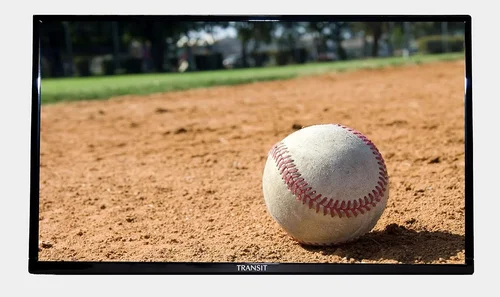
Living near the coast offers breathtaking views, salty breezes, and a unique lifestyle—but it also presents distinct challenges, especially when it comes to outdoor electronics. If you’re a coastal homeowner dreaming of enjoying your favorite shows, sports events, or nature documentaries while lounging in your seaside garden, you need more than just a standard outdoor TV. You need a garden TV specifically engineered for coastal environments—one that can withstand salt spray, high humidity, strong winds, and intense sun exposure without compromising performance or longevity.
This comprehensive buying guide is designed to help you navigate the specialized world of outdoor televisions built for coastal homes. Whether you’re upgrading your patio entertainment setup or installing your first weather-resistant display, we’ll walk you through every critical factor—from build materials and IP ratings to smart features and warranty coverage. By the end of this guide, you’ll have the expert knowledge needed to make a confident, informed decision that balances performance, durability, and value.
The market for outdoor TVs has evolved significantly in recent years, with manufacturers now offering models tailored to harsh environmental conditions. However, not all “outdoor” TVs are created equal—especially when it comes to coastal resilience. Many budget-friendly options claim weather resistance but fall short when exposed to corrosive salt air. This guide cuts through the marketing noise and focuses exclusively on what matters most for seaside living: long-term reliability, image quality in bright daylight, ease of installation, and protection against the elements. Let’s dive into the essentials.

What to Look for When Buying Buying Guide
1. Salt-Resistant Build Materials & Corrosion Protection
Coastal environments are notoriously unforgiving to electronics due to constant exposure to salt-laden air, which accelerates corrosion and degrades internal components. When selecting a garden TV for your coastal home, prioritize models constructed with marine-grade aluminum, stainless steel hardware, and powder-coated finishes. These materials resist oxidation and prevent rust from compromising the TV’s structural integrity over time.
Look for manufacturers that explicitly mention “salt-air resistant,” “marine environment tested,” or “coastal-ready” in their product specifications. Some brands go further by applying conformal coatings to circuit boards—a thin protective layer that shields sensitive electronics from moisture and corrosive particles. Avoid plastic-heavy enclosures or painted steel frames, as these are prone to chipping and rust formation within months in salty climates.
2. IP Rating & Weatherproofing Standards
The Ingress Protection (IP) rating is your first line of defense when evaluating an outdoor TV’s ability to handle the elements. For coastal gardens, aim for a minimum rating of IP55, but ideally IP65 or higher. An IP65 rating means the TV is dust-tight and protected against low-pressure water jets from any direction—perfect for rain, sea spray, and occasional hose cleaning.
Pay close attention to how the rating is achieved. Some TVs use removable covers or require additional enclosures to meet IP standards, which can complicate installation and reduce usability. True all-weather models integrate sealed seams, rubber gaskets around ports, and hydrophobic screen coatings to repel water and prevent internal condensation. Also, ensure the mounting hardware is included and rated for outdoor use—corroded brackets can lead to dangerous failures in windy coastal conditions.
3. Brightness & Anti-Glare Screen Performance
Sunlight reflecting off sand, water, and light-colored patio surfaces can wash out even the best indoor TVs. In a coastal garden, you need a display with exceptional brightness—measured in nits—to maintain visibility during daytime viewing. Look for outdoor TVs with a minimum brightness of 700 nits, though 1,000+ nits is ideal for full sun exposure.
Equally important is the screen technology. Opt for models with anti-reflective coatings, optically bonded glass, or direct-lit LED backlighting. These features minimize glare and enhance contrast in bright conditions. Avoid standard LCD panels designed for shaded patios—they simply won’t deliver a usable image when the sun is high. Some premium models even include ambient light sensors that automatically adjust brightness based on surrounding conditions, ensuring optimal viewing without manual tweaking.
4. Smart Features & Connectivity Options
Modern garden TVs aren’t just about surviving the weather—they’re also about delivering a seamless entertainment experience. Ensure your coastal-ready model includes built-in Wi-Fi, Bluetooth, and popular streaming platforms like Netflix, YouTube, and Disney+. Many outdoor TVs now run on Android TV or Roku OS, giving you access to thousands of apps without needing an external streaming device.
Check connectivity ports: HDMI 2.0 (or higher), USB, Ethernet, and audio outputs are essential for connecting soundbars, gaming consoles, or cable boxes. For coastal installations, look for rear-facing or recessed ports protected by rubber flaps to prevent saltwater intrusion. Wireless options like screen mirroring (Miracast or AirPlay) add convenience, especially if you plan to stream content from smartphones or tablets while relaxing outdoors.
5. Size, Viewing Angle & Placement Flexibility
Choosing the right screen size depends on your seating distance and garden layout. For most coastal patios or decks, a 55-inch to 65-inch TV offers the best balance of visibility and space efficiency. Use the 1.5x rule: multiply your viewing distance (in inches) by 1.5 to determine ideal screen size. So, if you’re sitting 8 feet (96 inches) away, a 55-inch TV (96 ÷ 1.5 ≈ 64) is perfect.
Wide viewing angles (178° horizontal/vertical) are crucial if your seating area spans multiple directions—common in open-plan coastal gardens. OLED and high-end QLED panels excel here, maintaining color accuracy even at extreme angles. Also, consider placement flexibility: wall-mounted, ceiling-mounted, or freestanding models each have pros and cons. Wall mounts save space but require secure anchoring into masonry or reinforced wood, while freestanding units offer portability but may be vulnerable to strong winds unless weighted properly.
6. Audio Quality & External Sound Integration
Built-in speakers on outdoor TVs are often underpowered due to space and weatherproofing constraints. While adequate for casual listening, they rarely deliver the rich, immersive sound needed for movies or live sports. Most coastal garden TVs support external audio via optical output, Bluetooth, or HDMI ARC, allowing you to connect weather-resistant soundbars or outdoor speaker systems.
When evaluating audio specs, look for TVs with at least 20W total output and support for Dolby Digital or DTS decoding. Better yet, choose models that include a dedicated subwoofer output for deep bass—ideal for enhancing ocean-themed documentaries or action films. Remember: sound travels differently outdoors, so investing in a quality external audio setup will significantly improve your viewing experience.
7. Brand Reputation & Coastal-Specific Experience
Not all outdoor TV brands are equally equipped to handle coastal demands. Stick with manufacturers that specialize in ruggedized displays or have a proven track record in marine and hospitality installations. Brands like SunBriteTV, Seura, Avid Power, and Kodak Outdoor TV have developed products specifically for salt-air environments and often provide detailed coastal installation guides.
Research customer reviews from users in similar geographic regions—Florida, California coast, Mediterranean, etc.—to gauge real-world performance. A brand may advertise “weatherproof” features, but only long-term coastal users can confirm whether the TV holds up after two or three seasons of salt exposure. Additionally, reputable brands typically offer better customer service and faster replacement parts, which is vital when you’re miles from the nearest electronics store.
8. Warranty, Support & Service Network
A robust warranty is non-negotiable for coastal garden TVs. Salt corrosion can cause premature failures that aren’t always covered under standard warranties. Look for at least a 3-year limited warranty with explicit coverage for environmental damage. Some premium brands offer extended service plans or on-site repair options, which are invaluable if your TV malfunctions during peak entertaining season.
Verify the availability of local service technicians or authorized repair centers. If you live in a remote coastal area, shipping a large TV for repairs can be costly and time-consuming. Brands with strong dealer networks or partnerships with local AV installers provide peace of mind. Also, check if the warranty requires professional installation—some manufacturers void coverage if the TV is mounted incorrectly or without certified hardware.
Different Types of Buying Guide

Common Buying Mistakes to Avoid
❌ Mistake: Assuming All “Outdoor” TVs Are Coastal-Ready
Why it’s bad: Many retailers market TVs as “outdoor” based solely on IP ratings, but ignore critical factors like salt corrosion resistance. A TV rated IP65 may survive rain but fail within a year in salty air due to unprotected internal components.
What to do instead: Always verify that the manufacturer explicitly states compatibility with coastal or marine environments. Check for marine-grade materials and ask about salt mist testing certifications.
❌ Mistake: Overlooking Brightness Requirements
Why it’s bad: Standard indoor TVs (200–300 nits) become unwatchable in direct sunlight. Even some outdoor models with 500 nits struggle on bright coastal days, leading to frustrated viewing experiences.
What to do instead: Choose a TV with at least 700 nits, preferably 1,000+. Test the display in similar lighting conditions if possible, or rely on verified user reviews from sunny regions.
❌ Mistake: Skimping on Mounting Hardware
Why it’s bad: Using indoor wall mounts or low-quality brackets in coastal areas invites disaster. Salt corrosion weakens metal fasteners, and strong winds can dislodge improperly secured TVs, causing property damage or injury.
What to do instead: Invest in stainless steel, marine-grade mounting kits designed for outdoor use. Ensure the wall or structure can support the TV’s weight and wind load—consult a professional installer if unsure.
❌ Mistake: Ignoring Audio Needs
Why it’s bad: Relying solely on built-in speakers results in tinny, inadequate sound—especially with ocean waves and seabirds creating ambient noise. You’ll miss dialogue and effects, reducing enjoyment.
What to do instead: Plan for an external audio system from day one. Pair your TV with weather-resistant speakers or a soundbar rated for outdoor use.
❌ Mistake: Buying Without Checking Warranty Terms
Why it’s bad: Some warranties exclude “environmental damage” or require proof of professional installation. If your TV fails due to salt corrosion and the warranty doesn’t cover it, you’re stuck with a costly repair.
What to do instead: Read the fine print carefully. Choose brands that offer comprehensive coverage for coastal conditions and provide clear documentation requirements.
❌ Mistake: Neglecting Ventilation and Heat Management
Why it’s bad: Coastal summers can be brutally hot, and enclosed TVs without proper ventilation overheat, leading to shutdowns or permanent damage. Passive cooling systems may clog with sand or salt residue.
What to do instead: Select models with active cooling (quiet fans) and dust filters. Ensure there’s adequate airflow around the unit and avoid placing it in fully enclosed cabinets unless specifically designed for it.
❌ Mistake: Forgetting About Future Maintenance
Why it’s bad: Coastal TVs require periodic cleaning to remove salt buildup, which can degrade screens and ports over time. Neglecting maintenance shortens lifespan and affects performance.
What to do instead: Establish a routine cleaning schedule using distilled water and microfiber cloths. Avoid harsh chemicals or abrasive materials that could scratch anti-reflective coatings.
Budget Guidelines: How Much Should You Spend?
- Entry-Level ($500 – $900): These are typically partial-shade models or indoor TVs in basic enclosures. Suitable for covered lanais or short-term use, but not recommended for direct coastal exposure. Expect lower brightness (400–600 nits), limited smart features, and minimal corrosion protection.
- Mid-Range ($900 – $1,800): The sweet spot for most coastal homeowners. These TVs offer IP65 ratings, 700–1,000 nits brightness, decent smart platforms, and better build quality. Ideal for semi-covered patios with occasional sun exposure. Brands like Kodak Outdoor TV and Avid Power excel in this tier.
- Premium ($1,800 – $3,500): Designed for full outdoor use in harsh conditions. Features include 1,000+ nits brightness, marine-grade construction, advanced cooling, and full smart functionality. Models from SunBriteTV and Seura dominate this category, offering 3–5 year warranties and proven coastal reliability.
- Luxury ($3,500+): Commercial-grade displays built for 24/7 operation in resorts, yachts, or high-end estates. These units boast extreme durability, ultra-high brightness (1,500+ nits), modular designs, and professional installation support. Overkill for most residential gardens but unmatched in performance and longevity.
Expert Tips for Getting the Best Deal
- Buy during off-season: Prices drop significantly in late fall and winter (October–February) when demand for outdoor electronics declines. Retailers often clear inventory before spring launches.
- Shop authorized dealers: Avoid third-party sellers on large marketplaces. Authorized dealers provide valid warranties, genuine parts, and expert advice—critical for coastal installations.
- Bundle with installation: Many brands offer discounted professional installation when purchased together. This ensures proper mounting, cable management, and warranty compliance.
- Look for trade-in programs: Some manufacturers accept old TVs for credit toward new outdoor models—especially useful if upgrading from an indoor set.
- Check for local rebates: Coastal communities sometimes offer energy-efficiency rebates for low-power outdoor electronics. Contact your utility provider for details.
- Test before committing: If possible, visit a showroom or dealer display to evaluate brightness, color accuracy, and menu navigation in daylight conditions.
- Negotiate extended warranties: Use competing quotes to negotiate longer coverage periods or free service plans—valuable for high-cost investments.
- Consider refurbished units: Certified refurbished outdoor TVs from reputable brands often come with full warranties at 20–30% off retail price.
Frequently Asked Questions
Q: Can I use a regular indoor TV in my coastal garden if it’s under a covered patio?
A: Technically yes, but it’s not recommended long-term. Even under cover, salt-laden humidity can infiltrate vents and corrode internal components. For true peace of mind, invest in a purpose-built outdoor model.
Q: How often should I clean my coastal garden TV?
A: Clean the screen and exterior every 2–4 weeks during peak salt season (spring/summer). Use distilled water and a soft microfiber cloth—never ammonia-based cleaners.
Q: Will a garden TV work in winter or rainy weather?
A: Yes, as long as it’s rated for all-weather use (IP65+). Most outdoor TVs operate safely in temperatures from -22°F to 122°F (-30°C to 50°C).
Q: Do I need a special internet connection for streaming?
A: A stable Wi-Fi signal is essential. Consider a weather-resistant mesh Wi-Fi extender if your garden is far from the router.
Q: Can I mount my TV on a wooden deck railing?
A: Only if the railing is structurally sound and rated for dynamic loads. Most experts recommend wall or ceiling mounts into solid construction.
Q: Are outdoor TVs energy-efficient?
A: Modern LED-based models are quite efficient, typically using 100–200W. Look for ENERGY STAR certification for lower operating costs.
Q: What happens if salt gets inside the TV?
A: Corrosion can cause short circuits, screen flickering, or complete failure. Prevention through proper sealing and maintenance is key—repair is often not cost-effective.
Q: Can I leave my garden TV on all day?
A: Commercial-grade models are designed for 24/7 operation. Residential units should be turned off when not in use to prolong lifespan and save energy.
Q: Is it worth spending more on a premium brand?
A: For coastal environments, absolutely. The difference in materials, testing, and warranty support justifies the higher cost over 5–10 years of use.
Q: How do I protect my TV during hurricanes or storms?
A: For permanent installations, ensure the mount is hurricane-rated. For portable units, store indoors during severe weather. Some homeowners install motorized retractable systems for automatic protection.
Our Final Recommendations
- Best for Budget-Conscious Buyers: Kodak 55″ Outdoor Smart TV – Offers solid IP65 rating, 800 nits brightness, and Roku OS at under $1,000. Great for covered coastal patios.
- Best Overall Value: SunBriteTV Veranda Series 65″ – Marine-grade aluminum, 1,000 nits, Android TV, and 3-year warranty. Perfect balance of price, performance, and durability.
- Best Premium Option: Seura Shadow 75″ Ultra Bright – 1,500 nits, anti-glare glass, and whisper-quiet cooling. Ideal for luxury coastal homes with expansive outdoor spaces.
- Best for Beginners: Avid Power 50″ All-Weather TV – Easy setup, intuitive interface, and reliable performance for first-time outdoor TV owners.
- Best for Advanced Users: Peerless-AV Xtreme Outdoor Display – Modular design, customizable mounting, and enterprise-level reliability for tech-savvy homeowners wanting full control.
Conclusion: Making the Right Choice
Choosing the right garden TV for your coastal home isn’t just about picking the shiniest screen or the biggest brand name—it’s about investing in a device that will endure the unique challenges of seaside living while delivering exceptional entertainment value year after year. From corrosion-resistant materials and high-brightness displays to smart features and robust warranties, every element matters when you’re battling salt, sun, and sea spray.
As you weigh your options, remember to prioritize your specific needs: How much direct sun does your garden get? Will the TV be permanently mounted or moved seasonally? Do you value streaming convenience or long-term durability more? By aligning your priorities with the expert insights in this guide, you’ll avoid costly mistakes and select a TV that enhances—not hinders—your coastal lifestyle.
Don’t rush the decision. Take time to compare models, read real user reviews from similar climates, and consult with professionals if needed. Your perfect garden TV is out there—one that lets you savor sunset dramas, summer blockbusters, and morning news broadcasts with the ocean as your backdrop. Make the investment wisely, and you’ll enjoy countless hours of outdoor entertainment for seasons to come.

