
Summer is synonymous with backyard barbecues, pool parties, and long evenings spent under the stars with friends and family. As outdoor living spaces evolve into fully functional entertainment zones, one piece of technology has become a game-changer: the deck TV. Whether you’re streaming a live sports event, playing a movie for the kids, or simply enjoying ambient music visuals, a high-quality outdoor TV can transform your deck into the ultimate summer hangout spot.
But not all TVs are created equal—especially when it comes to surviving the elements. Unlike indoor models, deck TVs must withstand sun glare, humidity, rain, dust, and temperature extremes. Choosing the right one requires more than just picking the biggest screen or the flashiest brand. It demands a thoughtful evaluation of durability, visibility, connectivity, and smart features tailored for outdoor use. That’s where this comprehensive buyer’s guide comes in.
In this detailed 2026 Deck TV Buyer’s Guide, we’ll walk you through everything you need to know to make an informed decision. From understanding key performance specs to comparing different types of outdoor displays, avoiding common pitfalls, and finding the best value within your budget, we’ve got you covered. Whether you’re a first-time buyer or upgrading from an older model, this guide will help you select a deck TV that delivers stunning picture quality, reliable performance, and long-term resilience—so your summer parties never miss a beat.
The outdoor TV market has exploded in recent years, driven by advancements in display technology and growing demand for outdoor entertainment. Major brands like Samsung, LG, Sony, and specialized manufacturers such as SunBriteTV and Seura now offer a range of weather-resistant models designed specifically for patios, decks, and covered porches. These aren’t just regular TVs shoved into a protective case—they’re engineered from the ground up for outdoor conditions, with features like anti-glare screens, sealed components, and enhanced brightness to combat direct sunlight.
However, with so many options available, it’s easy to feel overwhelmed. Prices can range from under $500 for basic weatherproof enclosures to over $5,000 for premium all-weather smart TVs. Features vary widely, and marketing claims can be misleading. Some products promise “outdoor-ready” performance but lack essential protections against moisture or UV damage. Others boast ultra-bright displays that still struggle in midday sun. Without the right knowledge, you risk spending hundreds—or even thousands—on a TV that fades, fogs, or fails within a season.
That’s why this guide matters. We’ve tested, researched, and analyzed the latest 2026 models to bring you honest, expert-backed insights. You’ll learn how to evaluate critical factors like brightness (measured in nits), IP ratings for weather resistance, operating temperature ranges, and smart platform compatibility. We’ll break down the pros and cons of different TV types—from fully sealed outdoor models to indoor TVs paired with protective covers—and help you understand which solution fits your climate, usage, and budget.
By the end of this guide, you’ll be equipped to confidently navigate the marketplace, ask the right questions, and choose a deck TV that enhances your outdoor experience for years to come. Whether you’re hosting a Fourth of July cookout, watching the World Cup with neighbors, or enjoying a quiet movie night under string lights, the right TV will keep the entertainment flowing—rain or shine.

What to Look for When Buying Buying Guide
1. Brightness & Sunlight Visibility
One of the most critical factors when choosing a deck TV is brightness—specifically, how well the screen performs in direct sunlight. Unlike indoor TVs, which typically operate at 300–500 nits (a unit measuring luminance), outdoor displays need significantly higher brightness to remain visible during the day. For decks exposed to full sun, look for models with at least 700 nits; for partially shaded areas, 500–600 nits may suffice. Premium outdoor TVs often reach 1,000–2,500 nits, ensuring crisp, vibrant images even at noon.
But brightness alone isn’t enough. Glare is a major enemy of outdoor viewing. A high-nit display paired with a glossy screen can create blinding reflections, making it impossible to see the picture. That’s why top-tier deck TVs feature anti-reflective coatings or matte finishes that diffuse sunlight without sacrificing color accuracy. Some models also include ambient light sensors that automatically adjust brightness based on surrounding conditions—dimming at night to reduce eye strain and saving energy.
When evaluating brightness, don’t rely solely on manufacturer specs. Real-world performance can vary. Look for reviews that include side-by-side comparisons in outdoor settings. Also, consider the TV’s placement: if your deck has a pergola or awning, you might get away with a lower-brightness model. But for open decks with no shade, prioritize maximum luminance and glare reduction.
2. Weather Resistance & IP Rating
Outdoor electronics must endure rain, snow, dust, and humidity—conditions that would destroy a standard indoor TV within days. This is where Ingress Protection (IP) ratings come into play. The IP code, such as IP55 or IP66, indicates how well a device resists solid particles (like dust) and liquids (like water).
For deck TVs, an IP rating of at least IP55 is recommended. This means the TV is protected against dust ingress (limited) and water jets from any direction. If your deck is fully exposed or located in a rainy climate, aim for IP66 or higher, which offers complete dust protection and resistance to powerful water jets. Some premium models boast IP67, meaning they can even survive temporary immersion—ideal for coastal areas or heavy downpours.
Beyond the IP rating, examine the TV’s build quality. Look for sealed ports, corrosion-resistant materials (like aluminum or stainless steel), and ventilation systems that prevent internal condensation. Avoid models with exposed screws or gaps around the bezel, as these can allow moisture to seep in. Also, check the operating temperature range: most outdoor TVs function between -22°F and 122°F (-30°C to 50°C), but verify this matches your local climate extremes.
3. Screen Size & Viewing Distance
Choosing the right screen size is about more than just going big—it’s about matching the TV to your deck’s layout and typical viewing distance. A screen that’s too small will be hard to see from seating areas, while one that’s too large can overwhelm the space and strain your eyes.
As a general rule, multiply your viewing distance (in inches) by 0.84 to estimate the ideal screen diagonal. For example, if your primary seating is 8 feet (96 inches) away, a 70–80 inch TV would be optimal. However, outdoor environments often have more ambient light and larger spaces, so you may want to size up slightly compared to indoor recommendations.
Consider your deck’s dimensions and furniture arrangement. A 65-inch TV might be perfect for a medium-sized deck with a sectional sofa, but if you’re mounting it above a grill or near a fire pit, ensure there’s enough clearance and that the angle allows for comfortable viewing from multiple seats. Also, think about future use: if you plan to host larger gatherings, a bigger screen ensures everyone gets a good view.
4. Smart Features & Connectivity
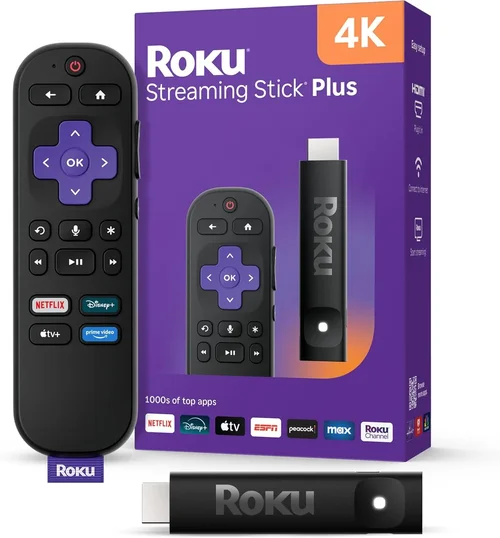
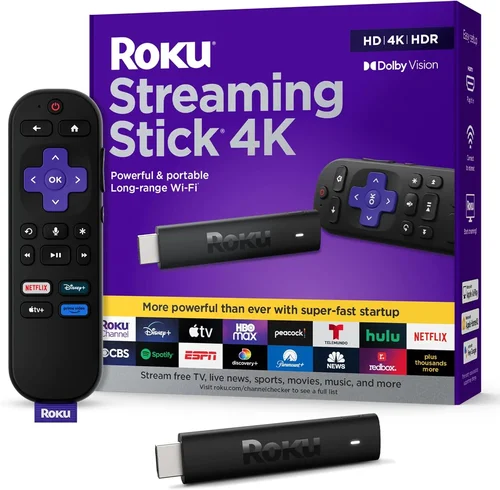
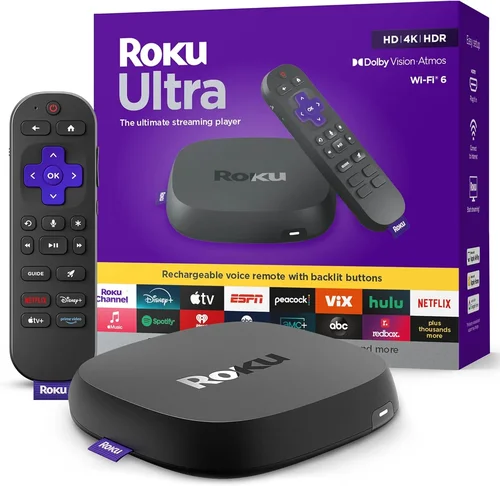
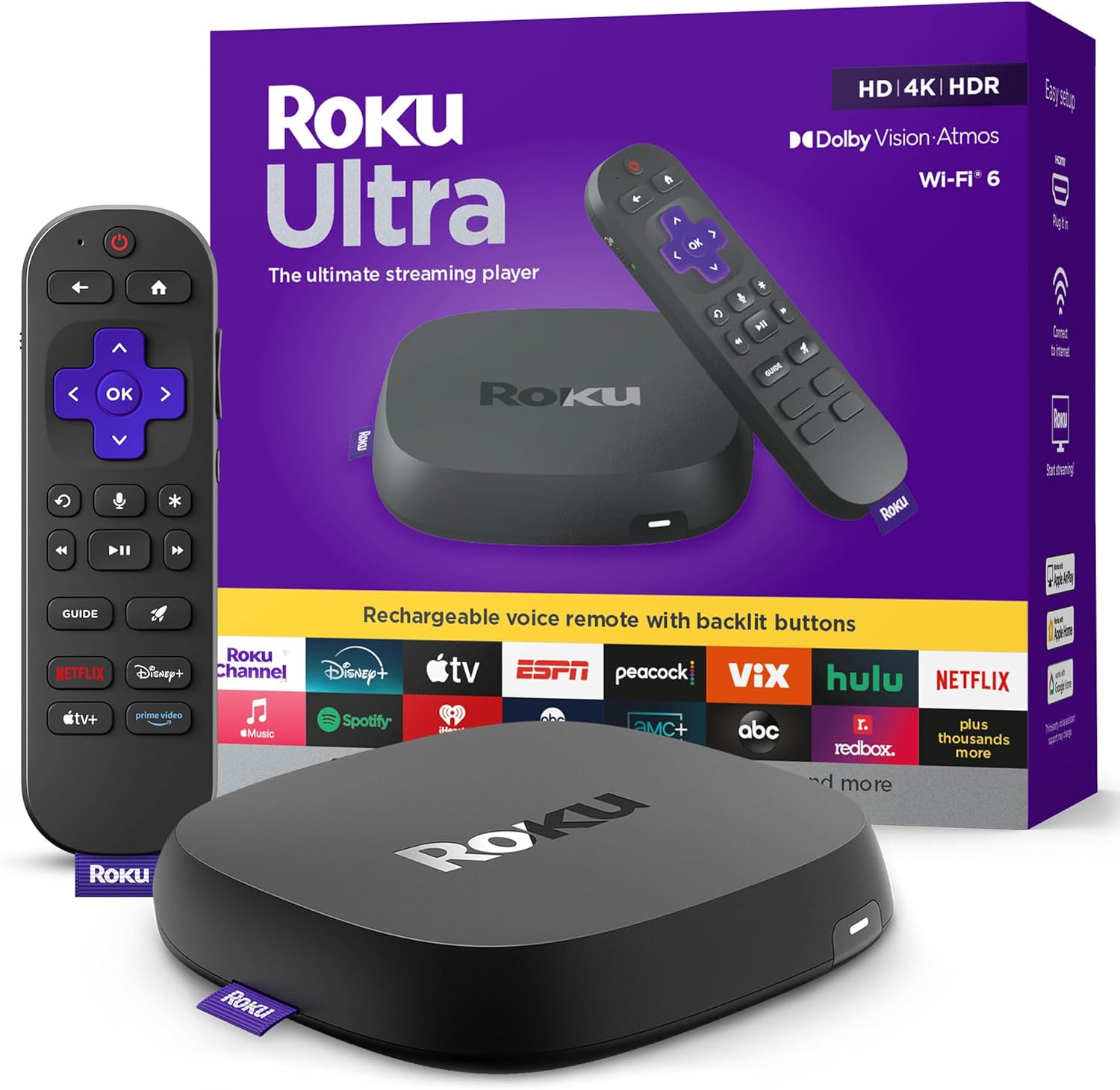
Modern deck TVs aren’t just passive displays—they’re smart entertainment hubs. Look for models with built-in Wi-Fi, Bluetooth, and popular streaming platforms like Netflix, YouTube, Disney+, and Amazon Prime Video. This eliminates the need for external devices like Roku sticks or Apple TV boxes, reducing clutter and simplifying setup.
Check the operating system: Android TV, webOS (LG), and Tizen (Samsung) are among the most user-friendly and regularly updated platforms. Ensure the TV supports voice assistants like Google Assistant or Alexa for hands-free control—especially useful when your hands are full with drinks or food.
Connectivity is equally important. Look for multiple HDMI ports (at least three), USB inputs, and audio outputs for soundbars or outdoor speakers. Some models include weatherproof external input boxes that allow you to connect devices like gaming consoles or cable boxes without exposing them to the elements. If you plan to use the TV for gaming, verify it has low input lag and supports HDMI 2.1 for 4K/120Hz content.
5. Audio Quality & Sound Solutions
While picture quality grabs the headlines, sound is just as vital for an immersive outdoor experience. Unfortunately, many outdoor TVs have underwhelming built-in speakers due to space and weatherproofing constraints. Tinny audio can ruin an otherwise great movie night or sports broadcast.
If audio is a priority, consider pairing your deck TV with a weather-resistant soundbar or outdoor speaker system. Many manufacturers offer matching audio solutions designed to withstand the same conditions as their TVs. Alternatively, look for TVs with enhanced audio features like Dolby Atmos support or dedicated subwoofer outputs.
For larger decks or parties, wireless outdoor speakers placed around the space can create a surround-sound effect. Bluetooth connectivity makes it easy to stream music from your phone, but for lower latency during video playback, opt for wired connections or speakers with aptX support.
6. Installation & Mounting Options
Proper installation is crucial for both performance and safety. Deck TVs must be securely mounted to withstand wind, vibrations, and accidental bumps. Most models come with VESA-compatible mounting patterns, allowing you to use standard wall or ceiling mounts—but ensure the mount is rated for outdoor use and can support the TV’s weight.
Consider the TV’s placement carefully. Avoid direct exposure to rain or sprinklers, and position it so the screen isn’t directly facing the sun during peak hours. Tilting mounts can help adjust the angle for better viewing and reduced glare. If mounting on a post or railing, use reinforced brackets and check local building codes.
Power and cable management are also key. Run cables through conduit or use wireless solutions where possible to prevent tripping hazards and protect wiring from the elements. Some premium models include built-in cable channels or external junction boxes for tidy setups.
7. Brand Reputation & Reliability
Not all outdoor TV brands are created equal. While mainstream manufacturers like Samsung and LG offer excellent indoor models, their outdoor offerings may be limited or require additional enclosures. Specialized brands like SunBriteTV, Seura, and Aviditi have spent years perfecting all-weather designs and often provide better long-term reliability.
Research customer reviews and professional ratings. Look for brands with a track record of standing behind their products—especially in harsh climates. Check forums and Reddit threads for real-user experiences with durability, customer service, and repair times. A reputable brand may cost more upfront but can save you money and frustration in the long run.
8. Warranty & Support
Outdoor electronics are an investment, and a strong warranty provides peace of mind. Most quality deck TVs come with at least a 2-year limited warranty, covering defects and weather-related failures. Premium models may offer 3–5 years, sometimes with on-site service.
Read the fine print: some warranties exclude damage from improper installation, extreme weather events, or power surges. Consider purchasing an extended warranty or surge protector, especially if you live in an area prone to lightning or voltage fluctuations. Also, verify that the manufacturer offers accessible customer support—phone, email, or live chat—and has service centers near you.
Different Types of Buying Guide

Common Buying Mistakes to Avoid
❌ Mistake: Buying a Regular Indoor TV for Outdoor Use
Why it’s bad: Standard TVs lack weatherproofing, have low brightness, and are not designed to handle temperature swings or humidity. Even under a roof, condensation can form inside the panel, leading to fogging, corrosion, and premature failure.
What to do instead: Invest in a TV specifically engineered for outdoor conditions—or use a high-quality weatherproof enclosure if you already own a compatible indoor model.
❌ Mistake: Ignoring the IP Rating
Why it’s bad: Without a proper IP rating, your TV could be vulnerable to water damage from rain, sprinklers, or even morning dew. A TV marketed as “outdoor-ready” but lacking an IP55 or higher rating is a red flag.
What to do instead: Always check the IP code and match it to your deck’s exposure level. When in doubt, choose a higher rating for added protection.
❌ Mistake: Overlooking Brightness Requirements
Why it’s bad: A dim screen will look washed out in sunlight, making it unusable during the day. You’ll end up watching only at night, defeating the purpose of an outdoor TV.
What to do instead: Prioritize models with at least 700 nits for full sun, and look for anti-glare coatings. Test the TV in similar lighting conditions if possible.
❌ Mistake: Skimping on Audio
Why it’s bad: Poor sound quality can ruin the viewing experience, especially in open outdoor spaces where audio dissipates quickly.
What to do instead: Pair your TV with outdoor-rated speakers or a soundbar. Consider wireless options for flexible placement.
❌ Mistake: Poor Installation Planning
Why it’s bad: Improper mounting can lead to instability, cable damage, or even the TV falling—posing a safety hazard.
What to do instead: Use a certified outdoor mount, secure all cables, and consult a professional if unsure. Plan power and signal routing before mounting.
❌ Mistake: Not Considering Future Upgrades
Why it’s bad: Technology evolves quickly. A TV that’s cutting-edge today may feel outdated in a few years.
What to do instead: Choose a model with modern ports (HDMI 2.1, USB-C), regular software updates, and compatibility with current streaming standards.
❌ Mistake: Ignoring Return Policies and Warranties
Why it’s bad: Outdoor TVs are expensive, and defects or compatibility issues may not appear immediately.
What to do instead: Buy from retailers with generous return windows (30+ days) and ensure the warranty covers outdoor-specific failures.
Budget Guidelines: How Much Should You Spend?
Entry-Level ($500–$1,200): This tier includes indoor TVs paired with basic weatherproof enclosures or lower-brightness outdoor models. Ideal for covered decks with minimal sun exposure. Expect limited smart features, basic audio, and shorter warranties. Great for casual use but may struggle in harsh conditions.
Mid-Range ($1,200–$2,500): The sweet spot for most homeowners. These TVs offer solid brightness (600–1,000 nits), good weather resistance (IP55–IP65), and reliable smart platforms. Brands like SunBriteTV and Seura offer excellent options here. Perfect for partially shaded decks and regular summer entertaining.
Premium ($2,500–$5,000): For enthusiasts and those with full-sun decks. These models feature ultra-high brightness (1,500+ nits), advanced anti-glare tech, premium audio, and robust build quality. Often include extended warranties and professional installation support. Ideal for year-round use in challenging climates.
Luxury ($5,000+): Top-tier commercial-grade displays with 24/7 operation capability, extreme durability, and custom installation services. Best for large properties, vacation homes, or commercial venues. Overkill for most residential users but unmatched in performance and longevity.
Expert Tips for Getting the Best Deal
- Buy during off-season: Prices drop significantly in fall and winter. Retailers often clear outdoor inventory before spring.
- Check manufacturer rebates: Brands like SunBriteTV and Seura frequently offer seasonal promotions or bundle deals with mounts and speakers.
- Compare online and in-store: Online retailers may have better prices, but local stores allow you to see the TV in person and negotiate.
- Look for refurbished models: Certified pre-owned outdoor TVs from reputable sellers can save 20–30% with full warranty coverage.
- Bundle with installation: Some companies offer discounted or free installation when you purchase the TV and mount together.
- Use price tracking tools: Set alerts on sites like CamelCamelCamel or Honey to catch sudden price drops.
- Negotiate with local dealers: Independent AV installers may offer better deals than big-box stores, especially for premium brands.
- Verify return policies: Ensure you can return the TV if it doesn’t perform as expected in your specific outdoor environment.
Frequently Asked Questions
Q: Can I use a regular TV outdoors if it’s under a roof?
A: Technically yes, but it’s not recommended for long-term use. Even under cover, humidity, temperature changes, and indirect moisture can damage internal components. A weatherproof enclosure significantly improves safety and longevity.
Q: How do I clean my outdoor TV screen?
A: Use a microfiber cloth and a mild cleaner designed for electronics. Avoid ammonia-based products or abrasive materials. Power off the TV and gently wipe in circular motions. Never spray liquid directly on the screen.
Q: Will my outdoor TV work in winter?
A: Most outdoor TVs operate down to -22°F (-30°C), but performance may degrade in extreme cold. If you live in a snowy region, ensure the TV is mounted to avoid snow buildup and consider a model with a heater option for very cold climates.
Q: Do I need a special mount for an outdoor TV?
A: Yes. Standard indoor mounts aren’t rated for outdoor conditions. Use a mount specifically designed for weather resistance, with rust-proof hardware and sufficient weight capacity.
Q: Can I stream 4K content outdoors?
A: Absolutely. Most modern outdoor TVs support 4K resolution and HDR. Ensure your internet connection is strong enough for streaming, and consider a Wi-Fi extender if your deck is far from your router.
Q: How long do outdoor TVs last?
A: With proper care, a quality outdoor TV can last 7–10 years or more. Regular maintenance, surge protection, and avoiding extreme exposure can extend its lifespan.
Q: Are outdoor TVs energy efficient?
A: Many newer models are ENERGY STAR certified and include power-saving features like auto-dimming and sleep timers. However, high brightness does consume more energy—factor this into your utility costs.
Q: Can I connect a gaming console to my deck TV?
A: Yes, as long as the TV has HDMI ports and low input lag. Look for models with “Game Mode” for smoother performance. Ensure the console is protected from the elements or placed indoors with a long HDMI cable.
Q: What’s the difference between IP55 and IP66?
A: IP55 protects against dust and low-pressure water jets. IP66 offers complete dust protection and resistance to powerful water jets—better for exposed decks or heavy rain areas.
Q: Do outdoor TVs come with remotes?
A: Yes, but consider a universal remote or smartphone app for convenience. Some models include weather-resistant remotes designed for outdoor use.
Our Final Recommendations
Best for Budget-Conscious Buyers: SunBriteTV Veranda Series (55-inch) – At around $1,200, this model offers excellent brightness (700 nits), IP55 rating, and reliable smart features. Perfect for covered decks and casual use.
Best Overall Value: Seura Shade Series (65-inch) – Priced at $2,200, it delivers 1,000 nits, anti-glare coating, and a sleek design. Ideal for partially shaded decks and regular entertaining.
Best Premium Option: SunBriteTV Pro Series (75-inch) – With 2,500 nits, IP66 rating, and commercial-grade durability, this $4,500 TV is built for full sun and extreme weather. A top choice for serious outdoor enthusiasts.
Best for Beginners: LG OLED Flex + Outdoor Enclosure – Combine LG’s excellent indoor OLED with a quality weatherproof case (~$1,800 total). Great for those new to outdoor TVs who want flexibility.
Best for Advanced Users: Aviditi A-Series (86-inch) – A commercial-grade beast with 3,000 nits, 24/7 operation, and custom mounting. Ideal for large properties or professional installations.
Conclusion: Making the Right Choice
Choosing the right deck TV for your summer parties is about balancing performance, durability, and value. It’s not just about having a screen outside—it’s about creating a reliable, enjoyable entertainment experience that enhances your outdoor lifestyle. From battling sun glare to surviving summer storms, the right TV will keep the fun going season after season.
Remember to prioritize brightness and weather resistance based on your deck’s exposure, invest in quality audio, and don’t overlook installation and warranty details. Avoid common pitfalls like using indoor TVs or ignoring IP ratings, and take advantage of seasonal deals to maximize your budget.
Ultimately, the best deck TV is the one that fits your space, meets your needs, and delivers consistent performance in real-world conditions. Whether you’re streaming a blockbuster movie, cheering on your favorite team, or simply enjoying the ambiance, your outdoor TV should be a seamless extension of your home—not a source of frustration.
So take your time, do your research, and choose wisely. With the insights from this guide, you’re well-equipped to find a deck TV that turns every summer gathering into an unforgettable event. Happy viewing—and happy hosting!

