
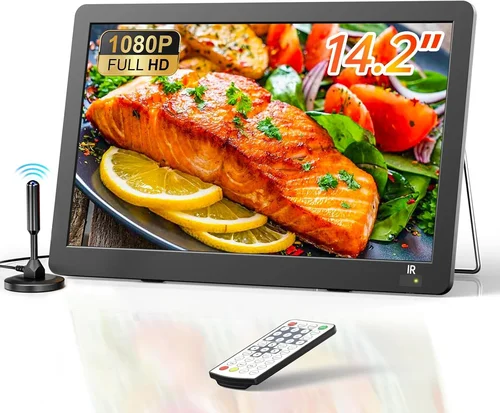
Choosing the right television for your small patio can transform an underused outdoor space into a vibrant entertainment hub. Whether you’re hosting summer barbecues, enjoying quiet evenings under the stars, or catching the big game with friends, having a reliable, weather-resistant TV makes all the difference. But unlike indoor TVs, outdoor models face unique challenges—direct sunlight, humidity, temperature swings, dust, and even pests. That’s why selecting the perfect deck TV isn’t just about screen size or picture quality; it’s about finding a unit built to withstand the elements while delivering a crisp, enjoyable viewing experience.
This comprehensive buying guide is designed to help you navigate the often-confusing world of outdoor televisions in 2026. We’ll walk you through every critical factor—from durability and brightness to smart features and budget considerations—so you can make a confident, informed decision. Whether you’re a first-time buyer or upgrading from an older model, this guide covers everything you need to know. You’ll learn how to evaluate performance specs, avoid common pitfalls, understand different types of outdoor TVs, and ultimately choose a model that fits both your lifestyle and your space. By the end, you’ll have a clear roadmap to finding the ideal deck TV that delivers stunning visuals, rugged reliability, and long-term value.
The outdoor TV market has evolved significantly in recent years. Once dominated by bulky, expensive all-weather enclosures, today’s options include sleek, purpose-built outdoor displays that rival indoor models in design and functionality. Brands like Samsung, LG, Sony, and specialized outdoor manufacturers such as SunBriteTV and Seura now offer a range of solutions tailored to various climates and use cases. From fully sealed, weatherproof 4K Smart TVs to modular systems that pair indoor TVs with protective outdoor housings, the choices are more diverse—and accessible—than ever. With advancements in anti-glare coatings, enhanced brightness (measured in nits), and improved thermal management, modern deck TVs deliver a truly immersive outdoor viewing experience without compromising on protection.
What to Look for When Buying Buying Guide
1. Weather Resistance & IP Rating
When it comes to outdoor electronics, weather resistance isn’t optional—it’s essential. Unlike indoor TVs, deck TVs are exposed to rain, snow, dust, humidity, and extreme temperatures. That’s why the Ingress Protection (IP) rating is one of the most critical specs to check. The IP rating consists of two numbers: the first indicates protection against solid particles (like dust), and the second against liquids (like water). For a deck TV, look for a minimum rating of IP55, which means it’s protected from limited dust ingress and low-pressure water jets from any direction. However, for full peace of mind—especially in areas with heavy rain or snow—opt for IP65 or higher. An IP65 rating ensures complete dust protection and resistance to water projected from a nozzle, making it ideal for uncovered patios or decks near pools.
Beyond the IP rating, consider the TV’s internal components. High-quality outdoor TVs use conformal-coated circuit boards, sealed ports, and corrosion-resistant materials to prevent moisture damage. Some models also feature built-in heaters or cooling fans to regulate internal temperature, preventing overheating in summer or freezing in winter. For example, SunBriteTV’s Veranda series includes a thermal management system that keeps the internal temperature stable, even in direct sunlight. Always verify that the TV is rated for outdoor use—don’t assume an indoor TV in a weatherproof case offers the same protection as a true outdoor model.
2. Brightness & Anti-Glare Technology
One of the biggest challenges with outdoor viewing is screen glare from sunlight. Even on a cloudy day, ambient light can wash out colors and reduce visibility. That’s why brightness, measured in nits, is a make-or-break factor for deck TVs. While most indoor TVs range from 300 to 600 nits, outdoor models need significantly higher brightness to remain visible in daylight. For a small patio—especially one with partial shade—look for a TV with at least 700 nits. If your deck is fully exposed to sun, aim for 1,000 nits or more. Some premium models, like the Samsung The Terrace, offer up to 2,000 nits, ensuring a vivid picture even at noon.
Equally important is anti-glare technology. Many outdoor TVs feature optically bonded screens with anti-reflective coatings that minimize glare and improve contrast. Optically bonded displays eliminate the air gap between the glass and the LCD panel, reducing reflections and enhancing clarity. Additionally, some models include ambient light sensors that automatically adjust brightness based on surrounding conditions. This not only improves visibility but also extends the TV’s lifespan by preventing excessive power usage in low-light settings. When comparing models, check for terms like “direct sunlight readable,” “high-brightness display,” or “anti-glare coating” in the product description.
3. Screen Size & Viewing Distance
Choosing the right screen size for your small patio depends on both available space and optimal viewing distance. Unlike living rooms, patios often have limited wall space and shorter seating arrangements, so a massive 75-inch TV might overwhelm the area. For most small decks, a 43-inch to 55-inch screen is ideal. A 43-inch TV works well for seating 4 to 6 feet away, while a 55-inch model is better suited for 6 to 8 feet. Use the 1.5x rule as a guideline: multiply the screen size (in inches) by 1.5 to get the minimum recommended viewing distance in inches. For example, a 50-inch TV should be viewed from at least 75 inches (6.25 feet) away.
Also consider the TV’s bezel and overall dimensions. Outdoor TVs often have thicker bezels and protective casings, which can add several inches to the total size. Measure your mounting area carefully, including clearance for ventilation and cable access. If space is tight, consider a slim-profile model or a wall-mounted bracket that allows the TV to tilt or swivel for better viewing angles. Some manufacturers offer compact outdoor TVs specifically designed for small spaces, such as the Seura Shade series, which combines a 43-inch display with a sleek, low-profile design perfect for cozy patios.
4. Smart Features & Connectivity
Today’s outdoor TVs aren’t just about durability—they’re also packed with smart features that rival indoor models. Most modern deck TVs run on popular platforms like Android TV, webOS (LG), or Tizen (Samsung), giving you access to streaming apps like Netflix, YouTube, Disney+, and more. This means you can enjoy your favorite shows, movies, and live sports without needing a separate streaming device. Look for models with built-in Wi-Fi and Bluetooth for seamless connectivity. Some even support voice assistants like Google Assistant or Amazon Alexa, allowing hands-free control—perfect when you’re grilling or relaxing with a drink in hand.
Connectivity is another key consideration. Ensure the TV has enough HDMI ports (at least two, preferably three) for devices like gaming consoles, soundbars, or cable boxes. USB ports are useful for playing media files or updating firmware. For outdoor setups, consider models with rear-facing or side-facing ports protected by weatherproof covers. Some TVs also include built-in tuners for over-the-air broadcasts, which is great for watching local news or sports without a subscription. If you plan to use a soundbar or external speakers, check for optical audio output or ARC (Audio Return Channel) support. Lastly, verify that the TV supports the latest HDMI standards (like HDMI 2.1) if you’re a gamer or plan to use 4K/120Hz content.
5. Build Quality & Durability
A deck TV is an investment, and build quality directly impacts how long it will last. High-end outdoor TVs are constructed with powder-coated aluminum or stainless steel frames that resist rust and corrosion. The screen itself should be made of tempered glass or reinforced polymer to withstand impacts from wind-blown debris. Internally, components are often potted or sealed to prevent moisture ingress. Look for models with reinforced mounting points and VESA-compatible brackets for secure installation. Avoid TVs with plastic casings or flimsy stands—these are more prone to cracking or warping in extreme temperatures.
Durability also extends to the TV’s ability to handle temperature extremes. Most outdoor TVs are rated for operation between -30°F and 120°F (-34°C to 49°C), but check the manufacturer’s specifications for your climate. If you live in a region with harsh winters or scorching summers, choose a model with active thermal management. For example, the SunBriteTV Pro series includes a built-in heater that activates below 40°F, preventing screen damage from freezing. Additionally, some models feature dust filters or self-cleaning vents to maintain airflow and prevent overheating. Always read user reviews to see how the TV performs in real-world conditions—especially in similar climates.
6. Audio Performance
While picture quality often takes center stage, audio is just as important for an immersive outdoor experience. Unfortunately, many outdoor TVs have underpowered built-in speakers due to space and weatherproofing constraints. Most deliver 10 to 20 watts of total output, which may not be enough to overcome ambient noise from traffic, wind, or nearby conversations. If you plan to use the TV’s internal speakers, look for models with enhanced audio features like Dolby Audio, DTS Studio Sound, or virtual surround processing. Some TVs also include a dedicated subwoofer output or support for wireless audio transmission.
For better sound, consider pairing your deck TV with an outdoor soundbar or weather-resistant speakers. Many manufacturers offer compatible audio systems designed specifically for outdoor use. For example, the Bose FreeSpace 51 outdoor speakers are built to withstand the elements and deliver rich, full-range sound. Alternatively, you can connect a Bluetooth speaker for portable audio. Just ensure the speaker is rated for outdoor use and has a strong enough battery life for extended viewing sessions. If you’re mounting the TV near a wall or under an awning, position speakers to avoid sound reflection and maximize clarity.
7. Installation & Mounting Options
Proper installation is crucial for both performance and safety. Most deck TVs are designed for wall mounting, but you’ll need a sturdy bracket that can support the TV’s weight and withstand wind loads. Look for a VESA-compatible mount with tilt and swivel capabilities to adjust the viewing angle. For small patios, a full-motion articulating arm allows you to pull the TV out for better visibility or tuck it away when not in use. Ensure the mounting surface—whether it’s a wall, post, or railing—is structurally sound and can handle the load. Use lag bolts or concrete anchors for secure attachment, and avoid mounting on flimsy materials like vinyl siding.
Cable management is another important aspect. Outdoor TVs require power, HDMI, and possibly Ethernet cables, all of which must be protected from the elements. Use weatherproof conduit or cable raceways to route wires safely from the TV to your power source and AV equipment. Some TVs include built-in cable management channels or rear covers to keep connections tidy and protected. If you’re running cables through walls or under decking, hire a licensed electrician to ensure compliance with local codes. Finally, consider the TV’s power requirements—most outdoor models use standard 120V outlets, but check for energy efficiency ratings to minimize long-term costs.
8. Warranty & Customer Support
Given the premium price of outdoor TVs, a strong warranty is essential. Most reputable brands offer at least a 2-year limited warranty, covering defects in materials and workmanship. However, some manufacturers provide extended coverage—up to 3 or even 5 years—especially for commercial or high-end models. Read the fine print carefully: some warranties exclude damage from extreme weather, improper installation, or unauthorized modifications. Look for brands with responsive customer support and accessible service centers. SunBriteTV, for example, offers a 3-year warranty and 24/7 technical support, which is a major advantage if issues arise.
Additionally, check if the warranty includes on-site service or if you’ll need to ship the TV for repairs. For deck installations, on-site service is far more convenient. Some retailers also offer extended protection plans that cover accidental damage or power surges. While these add to the upfront cost, they can save you hundreds in repair bills down the line. Before purchasing, visit the manufacturer’s website to review warranty terms and contact support with any questions. A reliable warranty not only protects your investment but also reflects the brand’s confidence in its product.
Different Types of Buying Guide

Common Buying Mistakes to Avoid
❌ Mistake: Using an Indoor TV Outdoors
Why it’s bad: Indoor TVs are not designed to handle moisture, temperature changes, or dust. Even with a weatherproof cover, they can overheat, suffer screen damage, or short-circuit when exposed to the elements. The internal components lack conformal coating, and the cooling system isn’t built for outdoor airflow.
What to do instead: Invest in a purpose-built outdoor TV or use a certified outdoor enclosure. These solutions are engineered for durability and include features like sealed ports, thermal regulation, and anti-glare screens. The extra cost is justified by longevity and safety.
❌ Mistake: Ignoring Brightness Requirements
Why it’s bad: A TV with low brightness (under 500 nits) will appear dim and washed out in daylight, making it difficult to see details or enjoy vibrant colors. This is especially problematic on sunny days or near reflective surfaces like pools or glass railings.
What to do instead: Choose a TV with at least 700 nits for shaded areas and 1,000+ nits for full sun exposure. Look for models with anti-reflective coatings and ambient light sensors to maintain optimal visibility in changing conditions.
❌ Mistake: Overlooking Installation Challenges
Why it’s bad: Improper mounting can lead to instability, cable damage, or even the TV falling. Using indoor brackets or weak mounting surfaces increases the risk of accidents, especially in windy conditions.
What to do instead: Use a heavy-duty, VESA-compatible outdoor mount rated for your TV’s weight. Ensure the mounting surface is secure and consider professional installation for peace of mind. Plan cable routing in advance to avoid tripping hazards and water exposure.
❌ Mistake: Skimping on Audio
Why it’s bad: Built-in outdoor TV speakers are often weak and struggle to overcome ambient noise. This leads to poor dialogue clarity and an unsatisfying audio experience, especially during outdoor gatherings.
What to do instead: Pair your TV with weather-resistant outdoor speakers or a soundbar. Look for models with Bluetooth or wired connectivity and ensure they’re rated for outdoor use. Position speakers strategically to maximize sound coverage.
❌ Mistake: Not Checking Warranty Terms
Why it’s bad: Some warranties don’t cover outdoor use or exclude weather-related damage. If your TV fails due to rain or temperature extremes, you could be left with a costly repair bill.
What to do instead: Read the warranty carefully and choose a model with comprehensive outdoor coverage. Brands like SunBriteTV and Seura offer robust warranties specifically for outdoor conditions.
❌ Mistake: Buying the Largest Screen Possible
Why it’s bad: A TV that’s too large for your space can overwhelm the deck, block views, or require excessive viewing distance. It may also be harder to mount and more expensive to power.
What to do instead: Measure your space and use the 1.5x rule to determine the ideal screen size. For small patios, 43 to 55 inches is usually sufficient. Prioritize picture quality and brightness over sheer size.
❌ Mistake: Forgetting About Power and Connectivity
Why it’s bad: Running extension cords across the deck creates tripping hazards and exposes cables to weather damage. Limited HDMI ports can restrict your ability to connect devices.
What to do instead: Plan your power source and cable routing before installation. Use weatherproof outlets and conduit to protect connections. Choose a TV with multiple HDMI ports and consider a wireless streaming device for added flexibility.
Budget Guidelines: How Much Should You Spend?
Entry-Level ($500 – $1,200): This tier includes outdoor TV enclosures paired with mid-range indoor TVs or basic partial-shade outdoor models. While affordable, these options may lack advanced features like high brightness or smart platforms. Best for covered decks with minimal sun exposure.
Mid-Range ($1,200 – $2,500): The sweet spot for most buyers. These TVs offer excellent brightness (700–1,000 nits), smart features, and solid weather resistance. Models like the SunBriteTV Veranda series or Samsung The Terrace (partial shade) deliver great value and performance for small patios.
Premium ($2,500 – $4,000): For enthusiasts and frequent entertainers. These TVs feature top-tier brightness (1,500+ nits), advanced thermal management, and premium audio. Ideal for fully exposed decks or those who want a seamless, high-end experience.
Luxury ($4,000+): Top-tier commercial-grade displays with 24/7 operation, extreme durability, and professional installation support. Best for luxury homes, hotels, or high-traffic outdoor venues.
Expert Tips for Getting the Best Deal
- Buy during seasonal sales: Look for discounts in spring (March–May) when retailers promote outdoor living products, or during Black Friday for year-end deals.
- Compare online and in-store prices: Online retailers often offer better pricing and free shipping, but in-store purchases allow you to inspect build quality and speak with experts.
- Check for bundle deals: Some retailers include mounts, cables, or soundbars at a discounted rate when purchased together.
- Read real user reviews: Focus on feedback from buyers in similar climates and setups. Look for comments on brightness, durability, and customer service.
- Negotiate extended warranties: Ask if the retailer offers discounted or free extended coverage, especially during promotions.
- Consider refurbished models: Certified refurbished outdoor TVs from reputable brands can save 20–30% and often come with the same warranty.
- Test before you buy: If possible, visit a showroom to see the TV in bright lighting conditions. Pay attention to glare, color accuracy, and menu responsiveness.

Frequently Asked Questions
Q: Can I use a regular TV outdoors if I cover it?
A: While a weatherproof cover can offer temporary protection, it’s not a long-term solution. Indoor TVs lack the internal sealing, thermal management, and brightness needed for outdoor use. Over time, moisture and heat can damage components, leading to failure. For reliable performance, use a dedicated outdoor TV or enclosure.
Q: Do outdoor TVs need special power outlets?
A: Most outdoor TVs use standard 120V outlets, but they should be GFCI-protected for safety. Install a weatherproof outlet cover and ensure the circuit can handle the TV’s power draw, especially if using additional devices like soundbars or streaming boxes.
Q: How do I clean my outdoor TV screen?
A: Use a microfiber cloth and a mild cleaning solution designed for electronics. Avoid ammonia-based cleaners or abrasive materials. Turn off the TV and let it cool before cleaning. For stubborn grime, lightly dampen the cloth—never spray liquid directly on the screen.
Q: Can I leave my outdoor TV on all the time?
A: Most outdoor TVs are designed for continuous use, but it’s best to turn them off when not in use to extend lifespan and save energy. Commercial-grade models are built for 24/7 operation, while consumer models may overheat with prolonged use.
Q: What’s the difference between partial-shade and full-sun outdoor TVs?
A: Partial-shade models are designed for covered areas like pergolas or under eaves and typically have lower brightness (500–700 nits). Full-sun TVs are built for direct exposure and feature higher brightness (1,000+ nits), enhanced cooling, and superior weather sealing.
Q: Do outdoor TVs support 4K and HDR?
A: Yes, most modern outdoor TVs support 4K resolution and HDR formats like HDR10 and Dolby Vision. Ensure the model you choose has HDMI 2.0 or higher for full 4K/HDR compatibility.
Q: Can I mount an outdoor TV on a post or railing?
A: Yes, but use a heavy-duty post mount or railing bracket rated for outdoor use. Ensure the structure is stable and can support the TV’s weight, especially in windy conditions.
Q: How long do outdoor TVs last?
A: With proper care, a high-quality outdoor TV can last 7–10 years or more. Factors like climate, usage frequency, and maintenance play a role. Regular cleaning and avoiding extreme temperature exposure can extend lifespan.
Q: Are outdoor TVs energy efficient?
A: Many outdoor TVs are ENERGY STAR certified and use LED backlighting for efficiency. However, higher brightness models consume more power. Look for TVs with automatic brightness adjustment to reduce energy use in low-light conditions.
Q: Can I use my outdoor TV in winter?
A: Yes, as long as the TV is rated for cold temperatures (most are). Models with built-in heaters will activate below freezing to protect the screen. Avoid turning on the TV immediately after bringing it in from extreme cold—let it acclimate first.
Our Final Recommendations
Best for Budget-Conscious Buyers: SunBriteTV Veranda 43-inch – A reliable partial-shade outdoor TV with 700 nits brightness, smart features, and solid build quality at an affordable price.
Best Overall Value: Samsung The Terrace 55-inch – Combines stunning 4K picture, 1,500 nits brightness, and Tizen OS in a sleek, weatherproof design. Ideal for most small patios.
Best Premium Option: SunBriteTV Pro 2 65-inch – A full-sun, commercial-grade display with 2,000 nits brightness, advanced thermal management, and 24/7 operation capability.
Best for Beginners: Seura Shade 43-inch – Easy to install, compact, and packed with smart features. Perfect for first-time outdoor TV buyers.
Best for Advanced Users: LG OLED Flex (Outdoor Edition) – A cutting-edge, customizable outdoor TV with OLED technology, adjustable curvature, and premium audio. For tech enthusiasts who want the best.
Conclusion: Making the Right Choice
Selecting the perfect deck TV for your small patio is about balancing performance, durability, and value. You’ve learned that weather resistance, brightness, and smart features are just as important as screen size and price. By understanding the different types of outdoor TVs, avoiding common mistakes, and following expert tips, you’re now equipped to make a confident decision. Remember, the best TV isn’t necessarily the most expensive—it’s the one that fits your space, meets your needs, and delivers a reliable, enjoyable experience year after year.
Take the time to assess your patio’s conditions, measure your space, and prioritize what matters most: whether it’s stunning picture quality, long-term durability, or seamless smart functionality. Don’t rush the process—read reviews, compare models, and consider professional installation for the best results. Your outdoor oasis deserves a TV that enhances every moment, from quiet mornings with coffee to lively gatherings under the stars. With the insights from this guide, you’re ready to transform your deck into the ultimate entertainment destination.

