
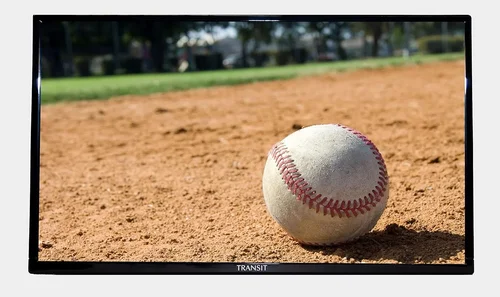
Outdoor living spaces have evolved far beyond simple patios and backyards. Today’s decks are fully functional entertainment zones—complete with grills, seating areas, sound systems, and yes, even televisions. But when it comes to mounting a TV outdoors in hot climates, most standard indoor models simply won’t cut it. The intense sun, high temperatures, humidity, dust, and occasional rain demand specialized equipment built to withstand the elements. That’s why choosing the right deck TV isn’t just about screen size or resolution—it’s about durability, performance under extreme conditions, and long-term reliability.
This comprehensive buying guide is designed for homeowners, contractors, and outdoor design enthusiasts who want to make an informed decision when selecting a television for hot-climate deck installations. Whether you’re upgrading your current setup or building a new outdoor media space from scratch, you’ll learn exactly what to look for, which features matter most, and how to avoid common pitfalls. We’ll break down everything from heat-resistant components and weatherproof ratings to brightness levels, smart functionality, and budget considerations. By the end, you’ll have the confidence to choose a deck TV that delivers stunning picture quality year-round—even under the harshest summer sun.
The market for outdoor TVs has expanded significantly in recent years, driven by demand for year-round outdoor entertainment. Major brands like Samsung, LG, Sony, and specialized manufacturers such as SunBriteTV and Seura now offer models specifically engineered for exterior use. However, not all “outdoor” TVs are created equal—especially when it comes to performance in hot climates. Some are merely indoor TVs sold with optional weather shields, while others are fully sealed, thermally managed systems built from the ground up for outdoor environments. Understanding these differences is critical to ensuring your investment lasts more than one season.

What to Look for When Buying Buying Guide
1. Weather Resistance & IP Rating
When installing a TV on your deck in a hot climate, weather resistance isn’t optional—it’s essential. Look for televisions with an official Ingress Protection (IP) rating, which indicates how well the unit resists dust and moisture. For outdoor use, an IP55 rating or higher is strongly recommended. IP55 means the TV is protected against low-pressure water jets from any direction and limited dust ingress. Higher ratings like IP65 offer even greater protection, making them ideal for areas prone to heavy rain or coastal humidity.
Beyond the rating, examine the build quality. Fully sealed enclosures prevent internal condensation, which can occur when hot daytime temperatures drop rapidly at night. Look for gaskets around ports, reinforced hinges on cable covers, and corrosion-resistant materials like powder-coated aluminum or marine-grade stainless steel. Avoid models that rely solely on external covers or shades—these can trap heat and reduce airflow, potentially causing overheating.
2. High Brightness & Anti-Glare Display
In hot climates, sunlight is often intense and direct—especially during midday and early afternoon. Standard indoor TVs typically peak at 300–500 nits of brightness, which is easily washed out under full sun. For deck installations, you need a display capable of at least 700 nits, but ideally 1,000 nits or more. Many premium outdoor TVs now feature brightness levels exceeding 2,500 nits, ensuring clear visibility even in direct sunlight.
Equally important is anti-glare technology. Look for screens with optically bonded glass and anti-reflective coatings. These reduce mirror-like reflections and improve contrast by minimizing ambient light scatter. Some models also include adjustable backlighting zones or local dimming, which enhances black levels and overall image depth—critical for watching movies or sports outdoors where ambient light can flatten the picture.
3. Thermal Management & Heat Dissipation
High ambient temperatures can wreak havoc on electronic components, especially in enclosed spaces like TV cabinets. Prolonged exposure to heat above 95°F (35°C) can shorten the lifespan of LEDs, processors, and power supplies. That’s why effective thermal management is non-negotiable for deck TVs in hot climates.
Top-tier outdoor models incorporate passive cooling systems—such as heat sinks, vented chassis designs, and thermally conductive materials—that dissipate heat without relying on internal fans (which can fail or let in dust). Some advanced units even include temperature sensors that automatically adjust brightness or enter low-power mode if internal temps rise too high. Always check the manufacturer’s operating temperature range; reputable outdoor TVs should function reliably from -22°F to 122°F (-30°C to 50°C) or higher.
4. Build Quality & Durability
Durability goes beyond weatherproofing. A deck TV must withstand UV exposure, temperature swings, wind, and physical impacts. Look for ruggedized frames made from non-corrosive metals and shatter-resistant glass. The screen itself should be laminated to prevent delamination—a common issue in humid, high-heat environments where layers can separate over time.
Pay attention to cable management too. Outdoor-rated HDMI and power cables should route through sealed grommets or conduit channels to prevent water ingress. Internal wiring should be insulated with heat-resistant materials. Additionally, consider the mounting system: ensure it’s compatible with VESA standards and rated for outdoor use. Wall mounts or ceiling brackets should be made of galvanized or stainless steel to resist rust.
5. Smart Features & Connectivity
Just because your TV is outdoors doesn’t mean it should lack modern conveniences. Most buyers expect smart functionality, streaming apps, and voice control—even on their deck. Look for models running established platforms like Android TV, webOS (LG), or Tizen (Samsung), which offer regular updates and broad app support.
Connectivity is equally vital. Ensure the TV has multiple HDMI 2.1 ports (for 4K/120Hz gaming or future-proofing), USB inputs, and robust Wi-Fi (preferably dual-band 5GHz). Bluetooth support allows wireless audio streaming to outdoor speakers. Some premium models even include built-in streaming devices or support for Matter/Thread smart home protocols, enabling seamless integration with outdoor lighting, fans, or security systems.
One often-overlooked feature is remote control design. Standard remotes can be hard to see in bright sunlight. Opt for models with backlit buttons or consider using a smartphone app as a backup controller.
6. Size & Viewing Distance
Choosing the right screen size depends on your deck layout and typical viewing distance. A common rule of thumb: divide your viewing distance (in inches) by 1.5 to get the ideal screen diagonal in inches. For example, if you’ll be sitting 8 feet (96 inches) away, a 65-inch TV is a good fit.
However, in bright outdoor settings, larger screens with higher pixel density (like 4K UHD) perform better because they maintain detail and clarity despite glare. Avoid going too large—oversized screens can appear pixelated or washed out if not paired with sufficient brightness and resolution. Also, consider sightlines: ensure the TV is mounted at eye level when seated and angled slightly downward to reduce neck strain.
7. Brand Reputation & Specialization
Not all TV brands are equally equipped to handle outdoor challenges. While mainstream manufacturers like Samsung and LG now offer outdoor-compatible models, companies like SunBriteTV, Seura, and Peerless-AV specialize exclusively in outdoor displays. These brands invest heavily in R&D for environmental resilience and often provide longer warranties and better customer support for outdoor use cases.
Research brand history and read professional reviews from sources like CNET, RTINGS.com, or Outdoor Living Today. Look for brands that publish detailed environmental test data—such as salt fog resistance (for coastal areas) or extended thermal cycling results. Avoid generic “outdoor TV” sellers on e-commerce platforms without verifiable certifications or customer service infrastructure.
8. Warranty & Support
A strong warranty is your best defense against premature failure in harsh conditions. Most reputable outdoor TVs come with 2–3 year limited warranties, but some premium models offer up to 5 years. Pay close attention to what’s covered: does the warranty include labor for on-site repairs? Are consumables like remotes or cables included? Is accidental damage covered?
Customer support matters too. Can you reach a human during business hours? Do they offer installation guidance or troubleshooting for outdoor-specific issues like signal interference from nearby Wi-Fi networks or power surges during thunderstorms? Brands with dedicated outdoor support teams typically resolve issues faster and more effectively.
Different Types of Buying Guide

Common Buying Mistakes to Avoid
❌ Mistake: Buying an Indoor TV and Expecting It to Survive Outdoors
Why it’s bad: Indoor TVs lack weatherproofing, thermal management, and UV-resistant materials. Even with a cover, they’re vulnerable to moisture, heat buildup, and electrical failure. Many users report screen burn-in or complete shutdown within weeks of outdoor exposure.
What to do instead: Invest in a purpose-built outdoor TV or pair a high-brightness indoor model with a certified weatherproof enclosure. Never assume “it’ll be fine under the awning”—microclimates on decks can still reach damaging temperatures and humidity levels.
❌ Mistake: Ignoring Brightness Requirements
Why it’s bad: A dim screen turns your deck into a guessing game. You’ll strain your eyes, miss details in sports or movies, and likely end up watching less often—defeating the purpose of the investment.
What to do instead: Prioritize TVs with at least 1,000 nits of brightness. If your deck gets direct sun for more than 2 hours a day, aim for 2,000+ nits. Check real-world reviews—not just specs—to see how the screen performs in daylight.
❌ Mistake: Overlooking Mounting and Cable Management
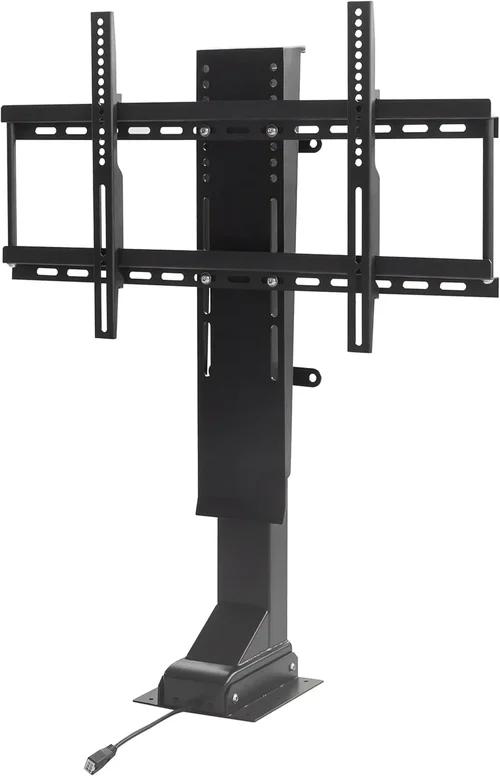
Why it’s bad: Poorly mounted TVs can vibrate in wind, tilt over time, or suffer from water seeping through unsealed cable holes. DIY mounts not rated for outdoor use may corrode or fail.
What to do instead: Use VESA-compatible outdoor mounts from trusted brands. Route all cables through waterproof conduits or the TV’s built-in cable management system. Seal any wall penetrations with silicone or outdoor-rated grommets.
❌ Mistake: Choosing Based Solely on Price
Why it’s bad: The cheapest “outdoor” option is often a repackaged indoor TV with minimal protection. You’ll likely replace it within 1–2 years, costing more in the long run.
What to do instead: View your deck TV as a long-term investment. Allocate budget for quality, durability, and performance. Mid-range outdoor models ($2,000–$3,500) often offer the best balance of features and longevity.
❌ Mistake: Neglecting Audio Solutions
Why it’s bad: Most outdoor TVs have weak built-in speakers due to space and weather constraints. Relying on them results in tinny, indistinct sound—especially with ambient noise from wind or traffic.
What to do instead: Plan for external audio from day one. Pair your TV with weather-resistant outdoor speakers or a soundbar designed for exterior use. Wireless options like Bluetooth speakers offer flexibility without running wires.
❌ Mistake: Assuming All “Outdoor” TVs Are Equal
Why it’s bad: Marketing terms like “weather-resistant” or “suitable for covered patios” can be misleading. Some models are only meant for fully shaded areas, not direct sun or rain.
What to do instead: Read the fine print. Check the IP rating, operating temperature range, and intended installation type. When in doubt, contact the manufacturer directly to confirm suitability for your specific climate and deck setup.
Budget Guidelines: How Much Should You Spend?
- Entry-Level ($800–$1,800): This tier typically includes indoor TVs paired with basic weatherproof enclosures or lower-end outdoor models with limited brightness (500–700 nits). Suitable for fully covered decks with minimal sun exposure. Expect shorter lifespans (2–3 years) and fewer smart features. Best for occasional use or secondary viewing areas.
- Mid-Range ($1,800–$3,500): The sweet spot for most homeowners. These TVs offer 1,000–2,000 nits brightness, solid IP55+ ratings, reliable thermal management, and full smart functionality. Brands like SunBriteTV Veranda series or Samsung’s The Terrace fall here. Ideal for partially shaded decks with moderate sun and heat. Lifespan: 5–7 years with proper care.
- Premium ($3,500–$6,000): Designed for full sun exposure and extreme climates. Features include 2,500+ nits brightness, commercial-grade components, advanced anti-glare coatings, and extended warranties. Models like the SunBriteTV Pro Series or Seura Outdoor TVs excel here. Perfect for luxury decks, poolside areas, or homes in desert or tropical zones. Lifespan: 7–10 years.
- Luxury ($6,000+): Top-tier commercial displays with 24/7 operation capability, modular designs, and custom integration options. Often used in resorts, yachts, or high-end smart homes. Includes features like remote monitoring, redundant cooling, and vandal-resistant casings. Overkill for most residential decks but unmatched in performance and durability.
Expert Tips for Getting the Best Deal
- Buy During Off-Season: Prices on outdoor TVs drop significantly in late fall and winter (October–February). Retailers clear inventory before the spring outdoor season begins. You can save 15–25% by waiting for seasonal sales.
- Shop Authorized Dealers: Avoid third-party sellers on large e-commerce platforms. Purchase directly from manufacturer websites or authorized outdoor electronics retailers like Crutchfield, Abt, or Outdoor Living Today. This ensures warranty validity and access to expert support.
- Bundle with Accessories: Many brands offer package deals that include mounts, cables, or speakers at a discount. Compare total bundle pricing versus buying items separately—you might save $200 or more.
- Check for Rebates and Incentives: Some utility companies offer rebates for energy-efficient outdoor electronics. Additionally, credit card promotions or cashback programs can reduce your net cost.
- Negotiate Extended Warranties: If the standard warranty is only 2 years, ask if you can extend it at a reduced rate during purchase. Some dealers include this for free with bundled purchases.
- Test Before Finalizing: If possible, view the TV in person under bright lighting conditions. Many specialty retailers have outdoor demo areas. Pay attention to color accuracy, motion handling, and remote responsiveness.
- Read Return Policies Carefully: Outdoor TVs often have stricter return windows (14–30 days vs. 60+ for indoor models). Ensure you can return or exchange if the unit doesn’t perform as expected in your specific environment.
- Consider Refurbished Models: Certified refurbished outdoor TVs from reputable brands can offer 20–30% savings with full warranties. These are typically returned units that have been thoroughly tested and recertified.

Frequently Asked Questions
Q: Can I use a regular TV outside if it’s under a covered patio?
A: Technically yes—but with major caveats. Even under cover, temperatures can soar, humidity can condense overnight, and dust can accumulate. Without proper thermal management and sealing, an indoor TV may overheat or suffer moisture damage. For reliable long-term use, a purpose-built outdoor model or certified enclosure is strongly recommended.
Q: How do I protect my deck TV from lightning or power surges?
A: Install a whole-house surge protector and use a high-quality outdoor-rated power conditioner. Never plug the TV directly into an outdoor outlet without surge protection. During thunderstorms, consider unplugging the unit or using a smart plug that cuts power automatically.
Q: Will my deck TV work in winter or cooler months?
A: Yes—most outdoor TVs are designed to operate in a wide temperature range, including freezing conditions. However, avoid turning on the TV immediately after it’s been exposed to extreme cold; let it acclimate to ambient temperature first to prevent condensation.
Q: Do outdoor TVs consume more power than indoor models?
A: Generally, yes—due to higher brightness and additional cooling systems. However, many modern outdoor TVs use energy-efficient LED backlighting and auto-dimming features to reduce consumption. Look for ENERGY STAR certification if efficiency is a priority.
Q: Can I mount my outdoor TV on a freestanding pole instead of a wall?
A: Absolutely. Many manufacturers offer pole mounts or pedestal stands specifically for outdoor use. Ensure the base is weighted or anchored securely to prevent tipping in wind. Check local building codes for height and placement restrictions.
Q: How often should I clean my outdoor TV?
A: Clean the screen and casing every 1–2 months with a microfiber cloth and mild, non-abrasive cleaner. Avoid ammonia-based products, which can damage anti-reflective coatings. Wipe down vents and cable ports to prevent dust buildup.
Q: Are outdoor TVs compatible with streaming devices like Roku or Apple TV?
A: Yes—most have standard HDMI ports. However, for best results, choose a model with built-in smart features to reduce clutter and potential failure points. If using an external device, house it in a weatherproof media box near the TV.
Q: What’s the difference between “outdoor” and “all-weather” TVs?
A: “Outdoor” is a broad term that may include partially protected models. “All-weather” typically indicates full exposure capability—direct sun, rain, snow, and extreme temperatures. Always verify the IP rating and operating specs to confirm true all-weather performance.
Q: Can I control my outdoor TV with my smartphone?
A: Most smart outdoor TVs support companion apps for iOS and Android. These allow you to change channels, adjust volume, launch apps, and even mirror your screen—all from your phone. Ensure the TV supports Wi-Fi and has an active internet connection.
Q: How long do outdoor TVs typically last?
A: With proper installation and maintenance, a quality outdoor TV should last 5–10 years. Factors like climate severity, usage frequency, and build quality play major roles. Premium models with commercial-grade components often exceed 10 years.
Our Final Recommendations
- Best for Budget-Conscious Buyers: SunBriteTV Veranda Series (55”) – Offers excellent brightness (1,000 nits), IP55 rating, and reliable performance for under $2,500. Ideal for covered or partially shaded decks.
- Best Overall Value: Samsung The Terrace (65” Full Sun) – Combines stunning 2,500-nit brightness, sleek design, and robust smart features. Priced around $4,500, it’s a top performer for full-sun environments.
- Best Premium Option: SunBriteTV Pro Series (75”) – Built for extreme conditions with 3,000+ nits, military-grade durability, and 5-year warranty. Perfect for luxury decks, pool areas, or coastal homes.
- Best for Beginners: Seura Outdoor TV (50”) – User-friendly setup, intuitive interface, and strong customer support. Great for first-time outdoor TV owners who want reliability without complexity.
- Best for Advanced Users: Peerless-AV Xtreme Outdoor Display (65”) – Modular design, customizable mounting, and integration with home automation systems. Ideal for tech-savvy users building a fully connected outdoor space.
Conclusion: Making the Right Choice
Choosing the right deck TV for a hot climate is about more than just picking a shiny screen—it’s about investing in a system that will endure the elements, deliver exceptional picture quality, and enhance your outdoor lifestyle for years to come. From weather resistance and thermal management to brightness and smart features, every detail matters when you’re battling sun, heat, and humidity.
Remember: prioritize your specific needs. If your deck is fully exposed, don’t compromise on brightness or sealing. If you’re on a tight budget, consider a mid-range model with a solid warranty rather than the cheapest option. And always plan for audio, mounting, and long-term maintenance from the start.
By following this guide, you’re not just buying a TV—you’re creating a lasting centerpiece for outdoor entertainment. Take your time, compare options, and choose wisely. Your perfect deck viewing experience is within reach.

