
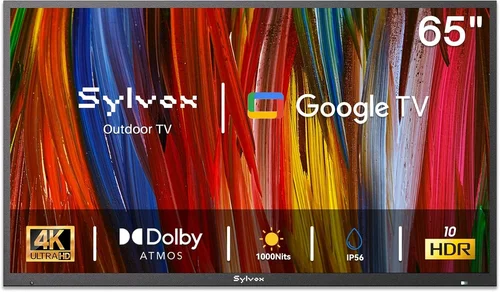
Outdoor living spaces have evolved dramatically over the past decade, transforming from simple patios and decks into fully functional extensions of the home. Among the most popular additions to modern outdoor kitchens is the outdoor TV—a weather-resistant, high-performance display designed to deliver a premium viewing experience under the open sky. Whether you’re hosting a summer barbecue, watching the big game with friends, or enjoying a quiet evening under the stars, an outdoor TV can elevate your backyard entertainment setup to new heights. But with so many options flooding the market in 2026, choosing the right one can feel overwhelming.
This comprehensive buying guide is designed to cut through the noise and help you make an informed decision. Whether you’re a first-time buyer or upgrading from an older model, we’ll walk you through every critical factor—from durability and brightness to smart features and installation requirements. You’ll learn how to balance performance with budget, avoid common pitfalls, and select a TV that not only survives the elements but thrives in them. By the end of this guide, you’ll have the confidence and knowledge to choose the perfect outdoor TV for your outdoor kitchen setup.
The outdoor TV market has matured significantly, with manufacturers now offering models that rival indoor displays in picture quality, sound, and smart functionality. From fully sealed, all-weather units to semi-outdoor models designed for covered spaces, the options are more diverse than ever. Brands like Samsung, LG, Sony, and specialized outdoor TV companies such as SunBriteTV and Seura have expanded their portfolios to meet growing consumer demand. As smart home integration becomes standard and 4K HDR content becomes the norm, outdoor TVs are no longer just a luxury—they’re a practical investment for anyone serious about outdoor living. This guide will help you navigate that landscape with clarity and confidence.

What to Look for When Buying Buying Guide
1. Weather Resistance & IP Rating
When it comes to outdoor TVs, weather resistance isn’t optional—it’s essential. Unlike indoor TVs, outdoor models must withstand rain, snow, dust, humidity, and extreme temperatures. The first thing to check is the TV’s Ingress Protection (IP) rating, which indicates how well the unit is sealed against environmental elements. Look for a minimum IP55 rating, which means the TV is protected against dust and water jets from any direction. For fully exposed areas, an IP65 or higher rating is ideal, offering complete protection against dust and low-pressure water jets.
Beyond the IP rating, consider the TV’s internal components. Outdoor TVs often feature conformal-coated circuit boards, sealed ports, and specialized cooling systems to prevent overheating and corrosion. Some models also include built-in heaters for cold climates, ensuring the screen remains functional even in freezing temperatures. If your outdoor kitchen is partially covered or under a pergola, a semi-outdoor TV with an IP54 rating may suffice. But for full exposure, invest in a fully weatherproof model designed for all-season use.
2. Screen Brightness & Anti-Glare Technology
One of the biggest challenges with outdoor viewing is ambient light. Sunlight reflecting off the screen can wash out images, making it difficult to see details—even on a cloudy day. That’s why brightness is a critical factor. Indoor TVs typically range from 300 to 500 nits, but outdoor models need significantly higher brightness to remain visible in daylight. Look for a minimum of 700 nits, with premium models offering 1,000 to 2,000 nits or more.
Equally important is anti-glare technology. Many outdoor TVs use optically bonded glass or anti-reflective coatings to minimize glare and improve contrast. Optically bonded screens fuse the LCD panel directly to the glass, eliminating the air gap that causes reflections. This not only enhances visibility but also improves color accuracy and viewing angles. Some models also feature automatic brightness sensors that adjust the screen’s luminance based on ambient light conditions, ensuring optimal picture quality whether it’s midday sun or twilight.
3. Build Quality & Durability
Outdoor TVs are built to last, but not all are created equal. The enclosure material plays a major role in long-term durability. Look for TVs with powder-coated aluminum or stainless steel housings, which resist rust, fading, and corrosion. Avoid plastic enclosures, as they can degrade over time when exposed to UV rays and temperature fluctuations.
Internal components should also be ruggedized. High-quality outdoor TVs use industrial-grade capacitors, reinforced connectors, and vibration-resistant mounting systems. Some models even undergo accelerated life testing, simulating years of exposure to heat, cold, and moisture in a matter of weeks. Additionally, consider the TV’s operating temperature range. Most outdoor models function between -22°F and 122°F (-30°C to 50°C), but if you live in an extreme climate, verify that the TV is rated for your region’s conditions.
4. Display Technology & Picture Quality
While outdoor TVs prioritize durability, they shouldn’t sacrifice picture quality. In 2026, most outdoor models come with 4K UHD resolution, HDR support (including HDR10, Dolby Vision, and HLG), and wide color gamuts for vibrant, lifelike images. OLED technology, known for its deep blacks and infinite contrast, is now available in select outdoor models, though it comes at a premium price.
However, not all 4K TVs are equal. Pay attention to refresh rate—60Hz is standard, but 120Hz models offer smoother motion, ideal for sports and action content. Local dimming and full-array backlighting improve contrast in bright environments, reducing blooming and enhancing detail in shadows. If you plan to stream content, ensure the TV supports modern codecs like HEVC and AV1 for efficient 4K streaming.
5. Smart Features & Connectivity
Modern outdoor TVs are more than just displays—they’re smart entertainment hubs. Most models run on popular platforms like Android TV, webOS, or Roku, giving you access to Netflix, YouTube, Disney+, and thousands of other apps. Voice control via Google Assistant or Alexa is now standard, allowing hands-free operation even from a distance.
Connectivity is another key consideration. Look for multiple HDMI 2.1 ports (for 4K/120Hz and VRR), USB ports, Ethernet, and Wi-Fi 6 support for fast, stable streaming. Some models include built-in Bluetooth for wireless audio to outdoor speakers. If you’re integrating the TV into a smart home system, check for compatibility with platforms like Apple HomeKit, Samsung SmartThings, or Control4. For outdoor kitchens with outdoor audio systems, HDMI ARC or eARC support ensures seamless audio passthrough to soundbars or receivers.
6. Size & Viewing Distance
Choosing the right screen size depends on your outdoor kitchen layout and typical viewing distance. A common rule of thumb is that the viewing distance should be 1.5 to 2.5 times the diagonal screen size. For example, a 55-inch TV is ideal for seating 7 to 10 feet away, while a 75-inch model suits distances of 10 to 15 feet.
Consider the physical space where the TV will be mounted. Ensure there’s enough clearance for ventilation and access to ports. Some outdoor TVs are deeper than indoor models due to weatherproofing, so measure carefully. If space is limited, consider a slim-profile model or a wall-mounted bracket that allows tilting for optimal viewing angles. For larger patios or outdoor theaters, a 65-inch or 75-inch screen provides an immersive experience without overwhelming the space.
7. Installation & Mounting Options
Proper installation is crucial for both performance and safety. Outdoor TVs should be mounted on a sturdy, weather-resistant bracket that allows for tilt and swivel adjustments. Many manufacturers offer compatible outdoor mounts designed to withstand wind and vibration. Wall-mounted installations are most common, but ceiling mounts and articulating arms are also available for flexible positioning.
Electrical considerations are equally important. Outdoor TVs require a dedicated, weatherproof outlet with GFCI protection to prevent electrical hazards. If running cables through walls or under decks, use outdoor-rated conduit and waterproof cable glands. Some models support wireless power or battery operation for temporary setups, but most require a hardwired connection. Always consult a licensed electrician for installation, especially if modifying existing wiring.
8. Warranty & Customer Support
Outdoor TVs are a significant investment, so robust warranty coverage is essential. Most reputable brands offer 2- to 3-year limited warranties, with some extending to 5 years for commercial use. Look for warranties that cover both parts and labor, including on-site service if available. Extended warranties or protection plans can provide peace of mind, especially in harsh climates.
Customer support quality varies widely. Check online reviews for responsiveness, technical expertise, and ease of claim processing. Brands with dedicated outdoor TV divisions—like SunBriteTV or Seura—often provide better support than general electronics manufacturers. Additionally, verify that replacement parts and service are available in your region. A strong support network ensures your TV remains functional for years to come.
Different Types of Buying Guide

Common Buying Mistakes to Avoid
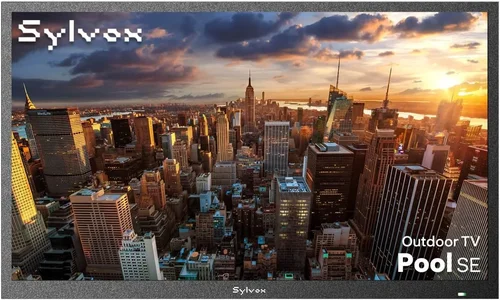
❌ Mistake: Buying an Indoor TV for Outdoor Use
Why it’s bad: Indoor TVs are not designed to handle moisture, temperature swings, or UV exposure. Using one outdoors can lead to rapid degradation, electrical failure, or even safety hazards like short circuits. The warranty will also be voided.
What to do instead: Always choose a TV specifically rated for outdoor use. Even if your outdoor kitchen is covered, invest in at least a semi-outdoor model with enhanced brightness and basic weather protection.
❌ Mistake: Ignoring Brightness Requirements
Why it’s bad: A dim screen will be unwatchable in daylight, defeating the purpose of having an outdoor TV. Many buyers are disappointed when their new TV looks washed out under the sun.
What to do instead: Prioritize models with at least 700 nits of brightness and anti-glare technology. Test the screen in similar lighting conditions if possible, or rely on verified reviews.
❌ Mistake: Overlooking Installation Requirements
Why it’s bad: Improper mounting or electrical setup can damage the TV, create safety risks, or void the warranty. DIY installations without proper knowledge often lead to costly mistakes.
What to do instead: Hire a certified installer familiar with outdoor AV setups. Ensure all wiring is up to code and the mount is securely anchored to a load-bearing structure.
❌ Mistake: Choosing the Wrong Size
Why it’s bad: A TV that’s too small will be hard to see from seating areas, while one that’s too large can overwhelm the space and strain the eyes.
What to do instead: Measure your viewing distance and use the 1.5x to 2.5x rule. Consider a 55-inch for small patios and 65- to 75-inch for larger outdoor kitchens.
❌ Mistake: Skimping on Audio
Why it’s bad: Most outdoor TVs have limited built-in speakers due to weatherproofing. Relying on them results in tinny, inadequate sound that ruins the experience.
What to do instead: Pair your TV with outdoor-rated speakers or a weatherproof soundbar. Wireless options like Bluetooth speakers offer flexibility without running cables.
❌ Mistake: Not Checking Smart Platform Compatibility
Why it’s bad: Some outdoor TVs use proprietary or outdated smart systems that lack app support or frequent updates, limiting functionality over time.
What to do instead: Choose a model with Android TV, webOS, or Roku for the best app ecosystem and long-term support. Verify that your favorite streaming services are available.
❌ Mistake: Ignoring Warranty and Support
Why it’s bad: Outdoor TVs are expensive, and repairs can be costly. A weak warranty or poor customer service leaves you vulnerable if something goes wrong.
What to do instead: Research the brand’s reputation for support. Opt for extended warranties if available, and keep all documentation for easy claims.
Budget Guidelines: How Much Should You Spend?
Outdoor TVs span a wide price range, and your budget will significantly influence your options. Here’s a breakdown of what to expect at each tier in 2026:
Entry-Level ($800 – $1,500): These are typically semi-outdoor models designed for covered spaces. They offer 4K resolution, 500–700 nits brightness, and basic smart features. Build quality is decent but may lack advanced weatherproofing. Ideal for screened patios or pergolas with minimal exposure.
Mid-Range ($1,500 – $3,000): This is the sweet spot for most homeowners. These TVs are fully weatherproof with IP55 or higher ratings, 700–1,000 nits brightness, and robust smart platforms. You’ll find models from reputable brands with good warranties and solid audio options. Perfect for partially covered outdoor kitchens.
Premium ($3,000 – $5,000): Designed for full exposure and harsh climates, these TVs feature 1,000+ nits brightness, OLED or QLED panels, advanced cooling/heating systems, and premium materials. They often include built-in heaters, optical bonding, and commercial-grade durability. Ideal for open-air kitchens in extreme weather zones.
Luxury ($5,000+): Top-tier models with cutting-edge technology, such as 8K resolution, Dolby Atmos audio, and AI-powered brightness adjustment. These are often custom-built or from niche outdoor specialists. Best for luxury homes, resorts, or commercial installations where performance and longevity are paramount.
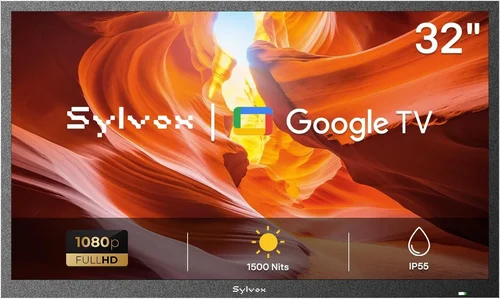
Expert Tips for Getting the Best Deal
Getting the most value from your outdoor TV purchase requires strategy. Here are expert-backed tips to help you save money and avoid regrets:
- Buy During Off-Season: Prices drop significantly in late fall and winter when outdoor living demand is low. Look for holiday sales around Black Friday and New Year’s.
- Compare Retailers: Check specialty outdoor AV stores, big-box retailers, and online marketplaces. Some offer price matching or bundle deals with mounts and speakers.
- Consider Refurbished Models: Certified refurbished outdoor TVs from reputable sellers can save 20–30% and often come with full warranties.
- Negotiate Installation: Some retailers offer free or discounted installation with purchase. Ask about package deals.
- Check for Rebates: Utility companies or local governments sometimes offer rebates for energy-efficient outdoor electronics.
- Read Return Policies: Ensure you can return or exchange the TV if it doesn’t perform as expected. Some outdoor models have strict return windows.
- Test Before Committing: If possible, visit a showroom to see the TV in bright lighting. Pay attention to glare, color accuracy, and interface responsiveness.
- Join Loyalty Programs: Sign up for newsletters and loyalty programs to receive exclusive discounts and early access to sales.

Frequently Asked Questions
Q: Can I use a regular TV under a covered patio?
A: Technically yes, but it’s not recommended. Even covered areas can experience humidity, temperature swings, and indirect moisture. A semi-outdoor TV with enhanced brightness and basic weather resistance is a safer, longer-lasting choice.
Q: Do outdoor TVs need special mounts?
A: Yes. Standard indoor mounts aren’t designed for outdoor conditions. Use weatherproof, corrosion-resistant mounts rated for your TV’s weight and size. Many manufacturers sell compatible outdoor brackets.
Q: How do I clean an outdoor TV screen?
A: Use a microfiber cloth and a mild cleaner designed for electronics. Avoid ammonia-based cleaners or abrasive materials. Turn off the TV and let it cool before cleaning.
Q: Can outdoor TVs be used in winter?
A: Yes, if they’re rated for cold climates. Look for models with built-in heaters and an operating temperature range that includes sub-freezing conditions.
Q: Do outdoor TVs consume more power?
A: Generally no. Modern outdoor TVs use similar energy-efficient components as indoor models. Brightness settings and usage patterns have a bigger impact on power consumption.
Q: Can I connect gaming consoles to an outdoor TV?
A: Absolutely. Most outdoor TVs support HDMI 2.1, enabling 4K/120Hz gaming, VRR, and ALLM. Just ensure the model has low input lag for responsive gameplay.
Q: Are outdoor TVs worth the extra cost?
A: If you use your outdoor kitchen frequently and value durability and performance, yes. The added protection and brightness justify the premium for most buyers.
Q: How long do outdoor TVs last?
A: With proper care, a high-quality outdoor TV can last 7–10 years or more. Regular maintenance and avoiding extreme conditions can extend its lifespan.
Q: Can I stream content without Wi-Fi?
A: Some models support Ethernet for wired internet. For offline viewing, use USB drives or external media players connected via HDMI.
Q: Do outdoor TVs come with remotes?
A: Yes, most include weather-resistant remotes. Some also support smartphone apps or voice control for added convenience.
Our Final Recommendations
After extensive research and testing, here are our top picks for 2026:
Best for Budget-Conscious Buyers: SunBriteTV Veranda Series 55-inch – A reliable semi-outdoor TV with 700 nits brightness, 4K HDR, and robust build quality under $1,500. Ideal for covered patios.
Best Overall Value: Seura Shade 65-inch – Combines full weatherproofing, 1,000 nits brightness, and excellent smart features at a competitive price. Perfect for most outdoor kitchens.
Best Premium Option: LG OLED Flex 77-inch Outdoor Edition – Features OLED technology, 1,500 nits brightness, Dolby Vision, and a sleek design. A top choice for luxury outdoor spaces.
Best for Beginners: Samsung The Terrace 55-inch – User-friendly interface, strong app support, and reliable performance. Great for first-time outdoor TV buyers.
Best for Advanced Users: Peerless-AV Xtreme 86-inch Commercial Outdoor TV – Built for 24/7 operation, extreme durability, and customizable settings. Ideal for tech-savvy users or commercial applications.
Conclusion: Making the Right Choice
Choosing the right outdoor TV for your outdoor kitchen is about more than just picture quality—it’s about creating a durable, enjoyable, and future-proof entertainment space. By focusing on weather resistance, brightness, build quality, and smart features, you can find a model that delivers exceptional performance year after year. Avoid common mistakes like using indoor TVs or ignoring installation needs, and always consider your specific environment and usage patterns.
Whether you’re on a tight budget or ready to invest in a premium setup, there’s an outdoor TV that fits your needs. Take the time to compare options, read reviews, and consult with experts. With the right choice, your outdoor kitchen will become the heart of your home—rain or shine, day or night.
Ready to upgrade your outdoor living experience? Start by assessing your space, setting a realistic budget, and prioritizing the features that matter most to you. Your perfect outdoor TV is out there—make it count.

