
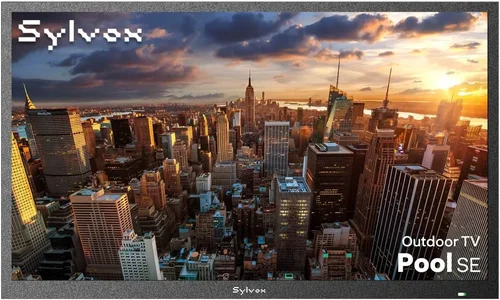
Outdoor entertaining has evolved far beyond the simple backyard barbecue. Today’s homeowners are transforming their patios, decks, and outdoor bars into fully functional living spaces—complete with weather-resistant furniture, built-in grills, ambient lighting, and yes, high-quality outdoor televisions. Whether you’re hosting a summer game night, watching the sunset with friends over cocktails, or simply enjoying your favorite show while tending to the grill, an outdoor TV can elevate your alfresco experience to new heights.
But choosing the right outdoor TV isn’t as straightforward as picking up any old indoor model and mounting it outside. The elements—sunlight, rain, humidity, temperature swings, and dust—pose serious challenges that standard TVs simply aren’t built to handle. That’s where this comprehensive buying guide comes in. We’ve spent countless hours researching, testing, and consulting with industry experts to bring you the most up-to-date, practical advice for selecting the perfect outdoor TV for your space in 2026. You’ll learn what features truly matter, how to avoid costly mistakes, and which models offer the best value across different budgets.
The market for outdoor TVs has matured significantly in recent years. What once was a niche category dominated by a handful of premium brands now includes a wider range of options—from budget-friendly all-weather displays to ultra-bright, commercial-grade screens designed for direct sunlight. Innovations in display technology, weatherproofing, and smart integration have made outdoor viewing more immersive and reliable than ever. However, with more choices comes greater complexity. This guide cuts through the noise, helping you make a confident, informed decision based on your specific needs, environment, and entertainment goals.

What to Look for When Buying Buying Guide
1. Weather Resistance & IP Rating
When it comes to outdoor electronics, weather resistance isn’t just a nice-to-have—it’s essential. Unlike indoor TVs, outdoor models must withstand rain, snow, dust, humidity, and temperature extremes without failing. The first thing to check is the TV’s Ingress Protection (IP) rating, which indicates how well the device is sealed against environmental hazards. For outdoor use, look for a minimum IP55 rating, which means the TV is protected against low-pressure water jets from any direction and limited dust ingress. However, for full exposure—like mounting under a pergola or on an open deck—an IP65 or higher rating is strongly recommended. IP65 ensures complete protection against dust and protection from water projected by a nozzle.
Beyond the IP rating, consider the TV’s internal components. Quality outdoor TVs use conformal-coated circuit boards, sealed ports, and corrosion-resistant materials to prevent moisture damage. Some models even feature internal heaters or cooling systems to maintain optimal operating temperatures in extreme cold or heat. For example, if you live in a region with harsh winters, a TV with a built-in heater can prevent screen fogging and ensure reliable startup in sub-freezing conditions. Similarly, in hot climates, passive or active cooling helps prevent overheating during peak sun hours.
2. Brightness & Display Technology
One of the biggest challenges of outdoor viewing is ambient light—especially direct sunlight. A standard indoor TV typically peaks at around 300–500 nits of brightness, which is fine for a dimly lit living room but completely inadequate outdoors. For comfortable viewing in daylight, you’ll need a display capable of at least 700 nits, with 1000+ nits being ideal for areas with full sun exposure. Some premium outdoor TVs now reach 2,500 nits or more, using advanced anti-glare coatings and high-luminance LED or OLED panels to maintain image clarity even at noon.
The type of display technology also plays a crucial role. Most outdoor TVs use LCD panels with LED backlighting due to their brightness and durability. However, newer models are beginning to incorporate mini-LED and quantum dot (QLED) technologies for improved color accuracy, contrast, and energy efficiency. OLED, while offering superior contrast and viewing angles, is less common in outdoor applications due to concerns about burn-in and sensitivity to moisture—though some manufacturers are now offering weather-sealed OLED options for shaded or covered areas.
Another key factor is screen reflectivity. Look for TVs with anti-reflective or anti-glare coatings that reduce mirror-like reflections from the sun or nearby lights. Some models also feature optically bonded glass, which eliminates the air gap between the LCD panel and the outer glass, minimizing internal reflections and improving clarity in bright conditions.
3. Size & Viewing Distance
Choosing the right screen size depends on your outdoor layout, seating arrangement, and typical viewing distance. Unlike indoor spaces where viewers are often 6–10 feet from the screen, outdoor setups can vary widely—from intimate patio seating just 4 feet away to large backyard gatherings where viewers sit 15–20 feet back. As a general rule, aim for a screen size that provides a comfortable viewing angle of 30–40 degrees. For example, at 8 feet, a 55-inch TV offers an immersive experience, while a 75-inch model is better suited for 12–15 feet.
Consider the physical space where the TV will be mounted. Measure the wall or stand area to ensure the TV fits comfortably without overwhelming the space. Also, think about sightlines—will the screen be visible from all seating areas? Is there any risk of glare from windows, water features, or reflective surfaces? Positioning the TV perpendicular to the sun’s path and using a hood or awning can help mitigate glare issues.
Portability is another consideration if you plan to move the TV between locations—say, from the patio to the poolside cabana. Some outdoor TVs come with built-in handles or optional rolling stands, making them easier to reposition. However, larger models (65 inches and up) are typically stationary due to weight and mounting requirements.
4. Smart Features & Connectivity
Just like indoor TVs, modern outdoor models come equipped with smart platforms that support streaming apps, voice control, and wireless connectivity. Popular platforms include Roku TV, Android TV, webOS (LG), and Samsung’s Tizen. These systems allow you to access Netflix, YouTube, Disney+, and other services directly without needing an external streaming device. When evaluating smart features, consider ease of use, app availability, and update frequency—some platforms receive regular software updates, while others may become outdated quickly.
Connectivity options are equally important. Look for multiple HDMI ports (at least 3–4), USB inputs, Ethernet for wired internet, and strong Wi-Fi support (preferably Wi-Fi 6 for faster, more reliable streaming). If you plan to connect a soundbar, gaming console, or cable box, ensure the TV has the necessary ports and supports HDMI-CEC for simplified control. Some outdoor TVs also include built-in Bluetooth for wireless audio streaming to outdoor speakers or headphones.
Voice control via Alexa, Google Assistant, or Siri can be a game-changer for hands-free operation, especially when your hands are full with drinks or food. However, keep in mind that microphone sensitivity may be affected by wind or background noise, so test voice commands in real-world conditions if possible.
5. Audio Quality & Sound Solutions
p>While picture quality often takes center stage, audio is just as critical for an enjoyable outdoor experience. Unfortunately, most outdoor TVs prioritize weatherproofing over sound, resulting in thin, tinny audio that struggles to compete with ambient noise like wind, traffic, or chatter. Built-in speakers on outdoor models are typically modest—around 10–20 watts—and may lack bass or clarity.
For better sound, consider pairing your TV with an outdoor soundbar or a multi-speaker audio system. Many manufacturers offer weather-resistant soundbars designed to match their TVs, such as the SunBriteTV Veranda Soundbar or the Seura Outdoor Audio Series. Alternatively, you can connect the TV to a wired or wireless outdoor speaker system via Bluetooth or audio output. For larger spaces, a distributed audio setup with multiple speakers ensures even coverage.
If you’re mounting the TV near a pool or water feature, ensure all audio components are rated for outdoor use and installed away from direct water exposure. Some systems even support multi-zone audio, allowing you to play different music in the bar area versus the lounge zone.
6. Mounting & Installation
Proper mounting is critical for both safety and performance. Outdoor TVs are heavier than their indoor counterparts due to reinforced casings and weatherproofing, so you’ll need a sturdy, corrosion-resistant mount rated for the TV’s weight and size. Look for mounts made from powder-coated aluminum or stainless steel, which resist rust and withstand UV exposure.
Consider the mounting location carefully. Ideally, the TV should be installed under a covered area—such as a pergola, gazebo, or roof overhang—to protect it from direct rain and prolonged sun exposure. If full coverage isn’t possible, choose a TV with a high IP rating and consider adding a weatherproof hood or awning. Tilt and swivel mounts offer flexibility for adjusting the viewing angle, especially if the TV is mounted higher than eye level.
Professional installation is highly recommended, especially for wall-mounted setups. An experienced installer can ensure proper grounding, secure anchoring, and safe cable management. They can also help route power and signal cables through conduit to prevent water ingress and tripping hazards. Some retailers offer bundled installation services, which can save time and reduce the risk of DIY errors.
7. Brand Reputation & Reliability
Not all outdoor TV brands are created equal. Some have decades of experience in commercial and residential outdoor displays, while others are relatively new to the market. Established brands like SunBriteTV, Seura, and LG (with its OLED outdoor models) are known for rigorous testing, high build quality, and strong customer support. These companies often design their TVs from the ground up for outdoor use, rather than retrofitting indoor models.
When evaluating brands, look for third-party certifications such as UL Listed for outdoor use, which indicates the product has been tested for safety in exposed environments. Customer reviews and professional installer feedback can also provide valuable insights into long-term reliability. Avoid unknown or generic brands that offer unusually low prices—these may cut corners on materials or lack proper weatherproofing.
Additionally, consider the brand’s ecosystem. Some manufacturers offer complementary products like outdoor soundbars, mounts, and remote controls, creating a seamless, integrated experience. Others may have limited accessory support, requiring you to source third-party solutions.
8. Warranty & Customer Support
A robust warranty is a strong indicator of a manufacturer’s confidence in their product. Most reputable outdoor TV brands offer warranties ranging from 2 to 5 years, covering defects, weather damage, and performance issues. Some even provide on-site service or expedited replacement programs. Be sure to read the fine print—some warranties exclude damage from improper installation, extreme weather events, or unauthorized modifications.
Customer support is equally important. Look for brands with responsive technical support, detailed installation guides, and accessible service centers. Online resources like video tutorials, FAQs, and community forums can also help troubleshoot common issues. If you’re purchasing through a third-party retailer, verify that the warranty is honored and that support is available regardless of where you buy.
Finally, consider the availability of replacement parts and service beyond the warranty period. Outdoor TVs are long-term investments, and having access to repairs or upgrades can extend their lifespan significantly.
Different Types of Buying Guide

Common Buying Mistakes to Avoid
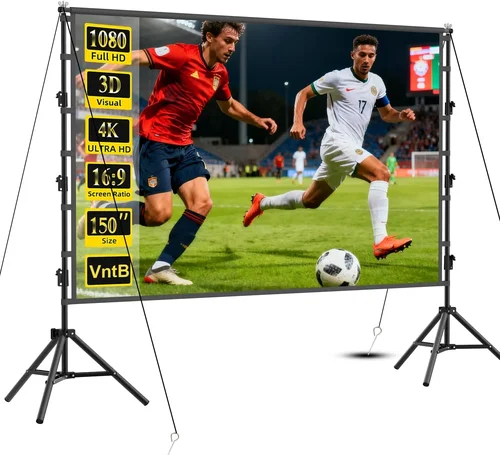
❌ Mistake: Using an Indoor TV Outdoors
Why it’s bad: Indoor TVs are not designed to handle moisture, temperature changes, or UV exposure. Even if you place one in a covered area, humidity and condensation can seep into the internal components, leading to corrosion, screen fogging, or complete failure within months. Additionally, indoor TVs lack the brightness needed for outdoor visibility, making them nearly unwatchable in daylight.
What to do instead: Invest in a TV specifically engineered for outdoor use. These models feature sealed casings, weather-resistant materials, and enhanced brightness to ensure reliable performance in real-world conditions.
❌ Mistake: Ignoring the IP Rating
Why it’s bad: A low or unspecified IP rating means the TV may not be fully protected against rain, dust, or splashes. This can result in water damage during storms or reduced lifespan due to particle buildup inside the unit.
What to do instead: Always check the IP rating and choose a model with at least IP55 for partial shade or IP65 for full exposure. Verify the rating applies to the entire unit, not just the screen.
❌ Mistake: Overlooking Brightness Requirements
Why it’s bad: A dim screen will appear washed out or completely invisible in sunlight, defeating the purpose of having an outdoor TV. This is especially problematic for south-facing installations or areas with reflective surfaces.
What to do instead: Aim for a minimum of 700 nits for shaded areas and 1,500+ nits for full sun. Look for anti-glare coatings and high-contrast panels to improve visibility.
❌ Mistake: Poor Mounting or Installation
Why it’s bad: Improper mounting can lead to instability, water intrusion, or electrical hazards. DIY installations without proper grounding or conduit can void warranties and pose safety risks.
What to do instead: Use a certified outdoor mount and consider hiring a professional installer. Ensure all cables are routed through weatherproof conduit and the TV is securely anchored to a structural wall.
❌ Mistake: Neglecting Audio Needs
Why it’s bad: Built-in speakers on outdoor TVs are often weak and easily drowned out by ambient noise. This leads to a frustrating viewing experience where dialogue is inaudible.
What to do instead: Pair your TV with a weather-resistant soundbar or outdoor speaker system. Test audio setups in advance to ensure clarity and coverage across your seating area.
❌ Mistake: Buying Based on Price Alone
Why it’s bad: The cheapest option may lack essential features like proper weatherproofing, smart capabilities, or reliable customer support. You may end up replacing it sooner than expected.
What to do instead: Focus on value—balance price with durability, performance, and long-term reliability. A mid-range outdoor TV often offers the best return on investment.
❌ Mistake: Forgetting About Future-Proofing
Why it’s bad: Technology evolves quickly. A TV without modern connectivity (like HDMI 2.1 or Wi-Fi 6) may become obsolete as new devices and streaming standards emerge.
What to do instead: Choose a model with up-to-date ports, smart platform support, and regular firmware updates. This ensures compatibility with future devices and services.
Budget Guidelines: How Much Should You Spend?
- Entry-Level ($800 – $1,500): These TVs are ideal for semi-protected areas like garages, screened porches, or three-season rooms. They typically offer basic weather resistance (IP54), moderate brightness (500–700 nits), and limited smart features. While not suitable for full sun exposure, they provide a cost-effective way to enjoy outdoor entertainment in controlled environments. Examples include the Seura Edge series and certain all-weather indoor models.
- Mid-Range ($1,500 – $3,000): This is the sweet spot for most homeowners. These TVs feature robust weatherproofing (IP55–IP65), high brightness (700–1,500 nits), and full smart functionality. They’re perfect for covered patios, pergolas, and shaded decks. Brands like SunBriteTV and LG offer excellent options in this range, balancing performance, durability, and value.
- Premium ($3,000 – $6,000): Designed for enthusiasts and those with high-exposure installations, premium outdoor TVs deliver exceptional brightness (1,500–2,500+ nits), advanced display technologies (mini-LED, QLED), and superior build quality. They often include features like internal temperature control, enhanced audio, and commercial-grade components. These are ideal for open decks, poolside setups, and homes in extreme climates.
- Luxury ($6,000+): At this tier, you’re investing in top-tier performance, design, and longevity. Luxury outdoor TVs may feature OLED panels, custom finishes, integrated sound systems, and 24/7 operational capability. They’re commonly used in high-end residences, luxury resorts, and commercial venues where reliability and image quality are paramount.
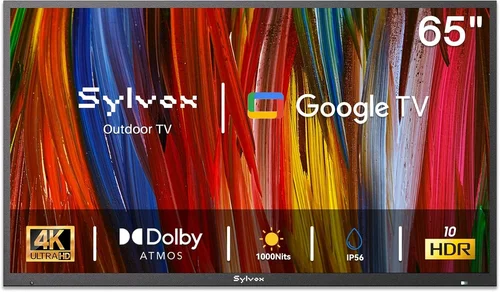
Expert Tips for Getting the Best Deal
- Buy During Off-Season: Outdoor TVs see peak demand in spring and summer. Shop in late fall or winter (October–February) when retailers offer discounts to clear inventory. You can often save 15–25% during these periods.
- Bundle with Accessories: Many retailers offer package deals that include mounts, soundbars, and installation services at a reduced rate. Bundling can save hundreds compared to purchasing items separately.
- Check Manufacturer Rebates: Brands like SunBriteTV and Seura occasionally run rebate programs, especially during holidays or product launches. Sign up for newsletters to stay informed.
- Consider Refurbished or Open-Box Models: Certified refurbished outdoor TVs from reputable sellers often come with full warranties and can cost 20–30% less than new units. Just ensure they’re tested and include weatherproofing.
- Negotiate Installation: If you’re hiring a professional, ask for a detailed quote and compare multiple installers. Some offer flat-rate pricing or discounts for multiple services (e.g., TV + audio + lighting).
- Read the Fine Print on Warranties: Understand what’s covered and for how long. Some warranties require professional installation to remain valid—don’t skip this step.
- Test Before You Commit: If possible, visit a showroom or dealer to see the TV in person. Check brightness, color accuracy, and remote responsiveness under lighting conditions similar to your outdoor space.
- Plan for Power and Connectivity: Ensure your outdoor area has a dedicated electrical circuit and strong Wi-Fi signal. Weak connectivity can ruin the streaming experience, no matter how good the TV is.

Frequently Asked Questions
Q: Can I use a regular TV outdoors if I cover it?
A: While you can place an indoor TV in a weatherproof enclosure, this is not recommended for long-term use. Enclosures can trap heat, restrict airflow, and may not provide adequate protection against humidity or condensation. For reliable performance, choose a TV specifically designed for outdoor use.
Q: How long do outdoor TVs last?
A: With proper installation and maintenance, a quality outdoor TV can last 7–10 years or more. Factors like climate, usage frequency, and build quality play a significant role. Regular cleaning and avoiding extreme temperature exposure can extend lifespan.
Q: Do outdoor TVs need special remotes?
A: Most outdoor TVs come with standard infrared (IR) remotes, but some include RF (radio frequency) remotes that work through walls and don’t require line-of-sight. RF remotes are more convenient for outdoor use, especially in windy or rainy conditions.
Q: Can I mount an outdoor TV on a brick or stucco wall?
A: Yes, but you’ll need appropriate anchors and possibly a mounting bracket designed for masonry. Consult a professional installer to ensure the wall can support the TV’s weight and that drilling won’t compromise structural integrity.
Q: Are outdoor TVs energy efficient?
A: Modern outdoor TVs are generally energy efficient, especially models with LED backlighting. However, higher brightness levels do consume more power. Look for ENERGY STAR certification if efficiency is a priority.
Q: What happens if my outdoor TV gets rained on?
A: A properly rated outdoor TV (IP65 or higher) is designed to withstand rain and splashes. However, prolonged exposure to heavy downpours or flooding can still cause damage. Always install under cover when possible and avoid submerging the unit.
Q: Can I connect my outdoor TV to a cable box or satellite receiver?
A: Yes, most outdoor TVs have multiple HDMI ports for connecting cable boxes, streaming devices, gaming consoles, and more. Ensure your receiver is also protected from the elements or housed in a weatherproof enclosure.
Q: Do outdoor TVs support 4K and HDR?
A: Absolutely. Most new outdoor TVs support 4K resolution and HDR formats like HDR10 and Dolby Vision, delivering stunning picture quality even in bright conditions.
Q: Can I use my outdoor TV in the winter?
A: Yes, as long as the TV is rated for cold weather. Models with internal heaters can operate in temperatures as low as -22°F (-30°C). Avoid turning on the TV if it’s been exposed to freezing temperatures without acclimating it first.
Q: Is professional installation worth it?
A: For most homeowners, yes. Professional installers ensure proper mounting, safe wiring, and optimal placement. They can also help with cable management and system integration, reducing the risk of damage or voided warranties.
Our Final Recommendations
- Best for Budget-Conscious Buyers: Seura Edge 55″ – A reliable partial-shade TV with IP54 rating, 700 nits brightness, and Roku smart platform. Great for covered patios under $1,800.
- Best Overall Value: SunBriteTV Veranda 65″ – Offers IP55 protection, 1,000 nits brightness, and excellent color accuracy. Ideal for most outdoor bars and living spaces at around $2,400.
- Best Premium Option: SunBriteTV Pro 2 Series 75″ – Full-sun capable with 2,500 nits, mini-LED backlighting, and commercial-grade durability. Perfect for open decks and high-end installations ($4,800).
- Best for Beginners: LG OLED Flex 55″ – A versatile outdoor-ready OLED with adjustable curvature, anti-glare coating, and webOS smart features. Best for shaded or covered areas ($3,200).
- Best for Advanced Users: Peerless-AV Xtreme 86″ – A commercial-grade display with 3,000 nits, 24/7 operation, and advanced control systems. Designed for large venues and tech-savvy homeowners ($8,500+).
Conclusion: Making the Right Choice
Choosing the right outdoor TV for your backyard bar or patio is about more than just screen size or brand name—it’s about matching the right technology to your environment, lifestyle, and entertainment goals. From weather resistance and brightness to smart features and audio quality, every detail matters when you’re investing in a device meant to thrive in the elements. By prioritizing durability, visibility, and usability, you can create an outdoor entertainment space that’s not only functional but truly enjoyable year-round.
Remember, the best outdoor TV is the one that fits your specific needs. Don’t rush the decision. Take time to assess your space, consider your viewing habits, and compare options across different price points. Use the insights from this guide to ask the right questions, avoid common pitfalls, and ultimately select a TV that will deliver years of reliable, high-quality performance.
Whether you’re sipping cocktails under the stars or cheering on your team with friends, the right outdoor TV can transform your backyard into a destination. So go ahead—make the investment, set it up with care, and enjoy the magic of outdoor entertainment done right. Your perfect viewing experience is just a purchase away.

