
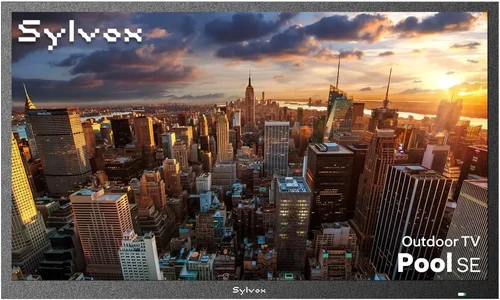
Outdoor entertainment has evolved dramatically over the past decade, and nothing symbolizes that shift more than the rise of the backyard TV. Whether you’re hosting summer barbecues, watching the big game under the stars, or enjoying a cozy movie night on your large patio, having a dedicated outdoor television transforms your outdoor space into a true extension of your living room. But with so many options flooding the market—from weather-resistant displays to ultra-bright commercial-grade screens—it’s easy to feel overwhelmed. That’s why this comprehensive buying guide exists: to cut through the noise and help you make a smart, informed decision.
In this expert-level guide, we’ll walk you through every critical factor to consider when choosing the best backyard TV for a large patio. You’ll learn how to balance performance, durability, and budget while avoiding common pitfalls that trip up even seasoned buyers. We’ll compare different types of outdoor TVs, break down pricing tiers, share insider tips for scoring deals, and answer the most frequently asked questions from real homeowners. By the end, you’ll have a clear roadmap tailored to your specific needs—whether you’re looking for a rugged 75-inch beast that can handle direct sunlight or a sleek, wall-mounted model that blends seamlessly into your outdoor décor.
The outdoor TV market has matured significantly in recent years. What once consisted of modified indoor TVs shoved into plastic enclosures now features purpose-built models designed from the ground up for outdoor use. Brands like SunBriteTV, Samsung, LG, and Seura have invested heavily in technologies that combat glare, resist moisture, and maintain color accuracy in bright daylight. At the same time, traditional electronics retailers and specialty outdoor living stores now carry a wider range of options than ever before. With innovation accelerating and prices becoming more accessible, there’s never been a better time to invest in a high-quality backyard TV—but only if you know what to look for.

What to Look for When Buying Buying Guide
1. Brightness & Display Technology
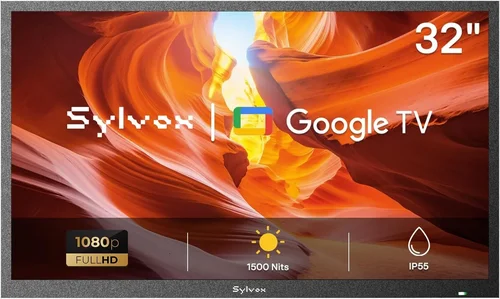
One of the most critical—and often misunderstood—factors when choosing an outdoor TV is brightness, measured in nits. Indoor TVs typically range from 300 to 500 nits, which is fine for dimly lit rooms but completely inadequate for outdoor use. On a sunny patio, ambient light can easily wash out a standard display, making images appear dim and colors look washed. For large patios exposed to direct sunlight, you’ll want a TV with at least 1,500 nits of brightness, with premium models offering 2,000 nits or more.
Look for TVs that use direct-lit LED or mini-LED backlighting rather than edge-lit panels, as these provide more uniform illumination and better control over local dimming zones. OLED technology, while stunning indoors, struggles outdoors due to its lower peak brightness and susceptibility to burn-in under constant static content (like sports tickers). Instead, opt for high-brightness LCD panels with anti-reflective coatings. These coatings reduce glare by scattering incoming light, significantly improving visibility even at sharp angles. Some top-tier models also feature optical bonding—a process where the glass is fused directly to the LCD layer—which minimizes air gaps and further reduces reflections.
Another key consideration is viewing angle. On a large patio, viewers may be seated off-center or standing at various positions around the screen. TVs with IPS (In-Plane Switching) panels offer wider viewing angles without color shift, though they may sacrifice some contrast compared to VA panels. For mixed-use scenarios (some viewers directly in front, others at an angle), a high-quality VA panel with advanced compensation films can strike a good balance.
2. Weather Resistance & Build Quality
Unlike indoor TVs, outdoor models must withstand temperature swings, humidity, rain, dust, and even snow. The gold standard for weather resistance is an IP55 or higher rating, which means the TV is protected against low-pressure water jets from any direction and limited dust ingress. However, don’t rely solely on IP ratings—many manufacturers build custom enclosures that exceed standard certifications.
Look for TVs housed in powder-coated aluminum or marine-grade stainless steel, which resist rust and corrosion far better than plastic or standard steel. Pay close attention to ventilation design: passive cooling is preferred over fans, which can suck in moisture and debris. Sealed ports, rubber gaskets around buttons, and fully enclosed internal components are signs of thoughtful engineering. Also, consider the operating temperature range. Most outdoor TVs function between -22°F and 122°F (-30°C to 50°C), but if you live in an extreme climate, verify this spec carefully.
For large patios, especially those without covered areas, full weatherproofing is non-negotiable. Even if your TV is mounted under an awning or pergola, unexpected rain or morning dew can still cause damage over time. Investing in a truly outdoor-rated model now saves you from costly replacements down the road.
3. Screen Size & Viewing Distance
Choosing the right screen size for a large patio isn’t just about going big—it’s about matching the TV to your seating layout and viewing distance. As a general rule, multiply your optimal viewing distance (in feet) by 0.84 to get the ideal screen diagonal (in inches). For example, if your farthest seat is 12 feet away, a 100-inch screen (12 × 0.84 ≈ 101) would provide an immersive experience without overwhelming closer viewers.
On expansive patios, 65-inch and 75-inch models are common, but don’t shy away from 85-inch or even 98-inch displays if space allows. Larger screens maintain detail and impact when viewed from greater distances, which is typical in outdoor settings. However, ensure your mounting solution can support the weight and size—some outdoor TVs weigh significantly more than their indoor counterparts due to reinforced frames and cooling systems.
Also consider sightlines. Will trees, furniture, or architectural features block parts of the screen? Position your TV so that all seating areas have a clear, unobstructed view. If your patio has multiple zones (e.g., dining area, lounge, fire pit), consider a swivel mount or dual-arm bracket to adjust the angle based on activity.
4. Audio Performance & External Speaker Options
Most outdoor TVs come with built-in speakers, but don’t expect cinematic sound quality. Due to space constraints and weatherproofing requirements, internal audio systems are often underpowered and lack bass response. On a large patio, ambient noise from traffic, wind, or nearby conversations can easily drown out dialogue.
The best approach is to pair your TV with external outdoor speakers. Look for TVs that offer optical audio output, HDMI ARC/eARC, or Bluetooth connectivity for wireless streaming. Many homeowners opt for weather-resistant soundbars or distributed speaker systems (like rock speakers or in-ground subs) that blend into the landscape. Some premium outdoor TVs even include dedicated audio outputs for multi-zone setups.
If you plan to host parties or watch loud events like sports or action movies, prioritize audio integration from day one. Running speaker wires after installation is far more difficult than doing it during initial setup. Pre-wire your patio with conduit or use wireless solutions that support low-latency audio sync.
5. Smart Features & Connectivity
Modern outdoor TVs often include smart platforms like Android TV, webOS, or Tizen, allowing access to streaming apps without external devices. This is convenient, but be cautious: not all smart TVs perform equally well in bright conditions. Menus and interfaces may appear washed out, making navigation frustrating.
For large patios where users might control the TV from a distance, voice control via Alexa or Google Assistant can be a game-changer. Ensure the TV supports far-field microphones or works reliably with external smart speakers. HDMI ports are equally important—look for at least three HDMI 2.1 inputs to accommodate a streaming box, gaming console, and soundbar. USB ports for media playback and firmware updates are also useful.
Consider future-proofing: does the TV support Wi-Fi 6 or Ethernet for stable streaming? Can it receive over-the-air broadcasts via a built-in tuner? While not essential, these features add long-term value and reduce reliance on additional hardware.
6. Mounting & Installation Flexibility
Outdoor TVs require specialized mounting solutions that account for wind load, vibration, and corrosion. Standard indoor mounts won’t cut it—especially on large patios exposed to strong breezes. Look for mounts rated for outdoor use, preferably made from galvanized or stainless steel with sealed bearings.
Tilt, swivel, and full-motion mounts offer flexibility for adjusting viewing angles based on sun position or seating arrangements. Ceiling mounts work well under covered patios, while wall mounts are ideal for brick or stucco surfaces. Always consult a professional installer if you’re unsure about structural integrity—hanging a 100-pound TV on an improperly anchored bracket can lead to disaster.
Cable management is another often-overlooked detail. Use weatherproof conduit or raceways to protect power and signal cables from UV exposure and pests. Some TVs include built-in cable channels or hidden compartments to keep everything tidy.
7. Brand Reputation & Ecosystem Compatibility
Not all outdoor TV brands are created equal. Established players like SunBriteTV (a leader in outdoor displays since 2004), Samsung (with its The Terrace series), and Seura (known for mirror TVs and outdoor models) have proven track records for reliability and customer support. Lesser-known brands may offer lower prices, but often cut corners on components or lack service networks.
Consider ecosystem compatibility if you already own smart home devices. A Samsung TV integrates seamlessly with SmartThings, while LG’s webOS works well with HomeKit. If you use a specific streaming platform (e.g., Roku or Apple TV), ensure the TV supports it natively or via external dongles.
Read professional reviews and user forums to gauge long-term reliability. Pay attention to reports of premature backlight failure, moisture ingress, or software glitches—these issues can render an expensive TV useless within a year.
8. Warranty & Support
Outdoor electronics face harsher conditions than indoor gear, so warranty coverage is crucial. Most reputable brands offer 2–3 years of limited warranty, but some extend coverage to 5 years for commercial-grade models. Check what’s included: does it cover accidental damage, power surges, or corrosion? Is on-site service available?
Avoid brands with vague warranty terms or those that require you to ship the TV back at your expense—this can cost hundreds in freight fees for large screens. Look for companies with local service centers or certified technicians in your area. Extended warranties from third-party providers (like SquareTrade) can add peace of mind but read the fine print carefully.
Different Types of Buying Guide

Common Buying Mistakes to Avoid
❌ Mistake: Buying an Indoor TV for Outdoor Use
Why it’s bad: Indoor TVs lack the brightness, weather resistance, and thermal management needed for outdoor environments. Even under cover, humidity and temperature swings can cause condensation, corrosion, and premature failure. The result? A dead screen within months and voided warranty.
What to do instead: Invest in a purpose-built outdoor TV or use a certified outdoor enclosure. If budget is tight, choose a covered patio model designed for semi-protected areas—not a standard living room TV.
❌ Mistake: Ignoring Viewing Angles and Sun Position
Why it’s bad: Placing your TV where afternoon sun hits the screen directly will create unbearable glare, no matter how bright the display. Similarly, mounting it too high or at a skewed angle forces neck strain and reduces immersion.
What to do instead: Observe your patio’s sun patterns throughout the day. Mount the TV perpendicular to the primary light source, ideally under an eave or awning. Use a tilt mount to fine-adjust the angle based on seasonal sun changes.
❌ Mistake: Overlooking Audio Needs
Why it’s bad: Relying solely on built-in speakers leads to poor dialogue clarity and weak sound, especially in open spaces. Guests will struggle to hear during windy days or lively gatherings.
What to do instead: Plan your audio system alongside your TV purchase. Wire for outdoor speakers during installation or choose a TV with strong Bluetooth range for wireless options.
❌ Mistake: Skimping on Mounting Hardware
Why it’s bad: Using indoor mounts or DIY brackets risks collapse, especially in high winds. A falling TV can cause injury, property damage, and costly repairs.
What to do instead: Purchase mounts specifically rated for outdoor use and your TV’s weight/size. Hire a certified installer if you’re unsure about wall integrity or electrical work.
❌ Mistake: Not Checking Return and Warranty Policies
Why it’s bad: Outdoor TVs are expensive, and defects may not appear immediately. Some retailers charge restocking fees or refuse returns on large items.
What to do instead: Buy from retailers with generous return windows (30+ days) and clear warranty terms. Keep all documentation and test the TV thoroughly upon delivery.
❌ Mistake: Forgetting About Power and Connectivity
Why it’s bad: Running extension cords across the patio creates tripping hazards and looks messy. Poor signal strength leads to buffering and lag.
What to do instead: Install a dedicated outdoor-rated outlet near the TV location. Use Ethernet over Wi-Fi for stable streaming, and protect cables with UV-resistant conduit.
Budget Guidelines: How Much Should You Spend?
Entry-Level ($800–$1,800): This tier includes basic covered patio TVs or indoor models in outdoor enclosures. Expect modest brightness (800–1,200 nits), limited smart features, and shorter warranties. Best for shaded or fully covered areas with minimal sun exposure. Ideal for occasional use or secondary viewing spaces.
Mid-Range ($1,800–$3,500): The sweet spot for most homeowners. These TVs offer 1,500+ nits brightness, solid weather resistance (IP55), reliable smart platforms, and 2–3 year warranties. Models like the SunBriteTV Veranda series or Samsung The Terrace (smaller sizes) fall here. Perfect for large patios with partial cover or morning/evening use.
Premium ($3,500–$6,000): Designed for serious outdoor entertainers. Features include 2,000+ nits brightness, full weatherproofing, advanced anti-glare coatings, and robust audio outputs. Brands like SunBriteTV Pro and Seura Outdoor deliver exceptional durability and performance. Ideal for fully exposed patios, pool areas, or luxury homes.
Luxury ($6,000+): Top-tier commercial-grade displays with 24/7 operation capability, modular designs, and custom integration options. These are overkill for most residential users but suit high-end resorts, yachts, or expansive estates. Expect bespoke mounting, extended service plans, and concierge support.
Expert Tips for Getting the Best Deal
- Shop during off-seasons: Prices drop significantly in late fall and winter when outdoor living demand slows. Look for Black Friday, Cyber Monday, and post-holiday sales.
- Compare specialty retailers: Stores like Crutchfield, Abt Electronics, and Outdoor TV Direct often bundle mounts, cables, and extended warranties at discounted rates.
- Consider refurbished models: Certified pre-owned outdoor TVs from reputable sellers can save 20–30% with full warranty coverage.
- Negotiate installation packages: Many retailers offer free or discounted installation with purchase—especially for large-screen models.
- Check for local rebates: Some utility companies offer incentives for energy-efficient outdoor electronics.
- Read the fine print on brightness: Marketing materials may cite peak HDR brightness, not sustained outdoor performance. Always verify real-world nit ratings.
- Test before finalizing: If possible, view the TV in person under similar lighting conditions to your patio.

Frequently Asked Questions
Q: Can I use a regular TV outdoors if it’s under a roof?
A: Technically yes, but it’s not recommended for long-term use. Even under cover, humidity, temperature swings, and dust can damage internal components. For reliable performance, choose a TV rated for covered outdoor use or invest in a proper outdoor model.
Q: How do I clean my outdoor TV screen?
A: Use a microfiber cloth and distilled water only. Avoid ammonia-based cleaners or paper towels, which can scratch anti-reflective coatings. Power off the TV and wipe gently in circular motions.
Q: Will my outdoor TV work in winter?
A: Most outdoor TVs operate down to -22°F (-30°C), but performance may degrade in extreme cold. Allow the TV to acclimate before turning it on after exposure to sub-freezing temps.
Q: Do I need a special antenna for over-the-air broadcasts?
A: Yes—use an outdoor-rated UHF/VHF antenna mounted away from the TV to avoid interference. Indoor antennas won’t provide reliable signal in most backyard setups.
Q: Can I leave my outdoor TV on all the time?
A: Consumer-grade outdoor TVs aren’t designed for 24/7 operation. Continuous use can shorten backlight life. Use sleep timers or smart plugs to automate shutdown.
Q: What’s the difference between IP55 and IP65?
A: IP55 protects against low-pressure water jets and dust ingress. IP65 offers complete dust protection and resistance to water projected from a nozzle. For most patios, IP55 is sufficient; choose IP65 for poolside or coastal areas.
Q: How long do outdoor TVs last?
A: With proper care, expect 5–7 years of reliable service. Commercial models may last 10+ years. Avoid leaving static images on screen for extended periods to prevent burn-in.
Q: Can I mount my outdoor TV on a brick wall?
A: Yes, but use masonry anchors rated for the TV’s weight. Consult a professional if the wall is old or shows signs of deterioration.
Our Final Recommendations
Best for Budget-Conscious Buyers: SunBriteTV Veranda Series (55″–75″) – Excellent value with 1,000+ nits brightness, IP55 rating, and reliable smart features. Ideal for covered patios.
Best Overall Value: Samsung The Terrace (65″–75″) – Combines QLED color accuracy, 2,000-nit brightness, and seamless SmartThings integration. Great for mixed indoor/outdoor use.
Best Premium Option: SunBriteTV Pro Series (75″–86″) – Built for extreme conditions with 2,500+ nits, full weatherproofing, and modular design. Perfect for luxury patios and commercial settings.
Best for Beginners: Seura Outdoor TV (65″) – User-friendly interface, sleek design, and strong customer support. Easy setup with included mounting hardware.
Best for Advanced Users: Peerless-AV Xtreme Outdoor Display (86″+) – Commercial-grade performance with customizable bezels, 24/7 operation, and professional installation support.
Conclusion: Making the Right Choice
Choosing the right backyard TV for your large patio is about more than just picking the biggest or brightest screen—it’s about aligning technology with your lifestyle, environment, and long-term goals. From understanding the critical role of brightness and weather resistance to avoiding common installation pitfalls, every decision you make shapes your outdoor entertainment experience. Remember: a well-chosen TV doesn’t just deliver stunning visuals—it becomes the heart of your patio, fostering connection, relaxation, and unforgettable moments under the open sky.
As you weigh your options, prioritize durability and visibility over flashy extras. Invest in quality mounting and audio solutions early, and don’t hesitate to consult professionals for complex installations. The market offers something for every budget and need, so take your time, do your research, and choose a model that truly fits your space. With the insights from this guide, you’re now equipped to make a confident, informed purchase that will bring joy to your backyard for years to come. Happy viewing!

