
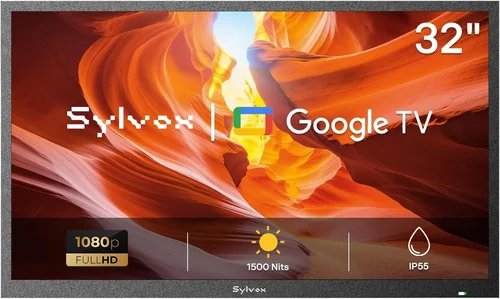
Summer is synonymous with backyard barbecues, pool parties, and long evenings spent outdoors under string lights. But what’s a summer gathering without the perfect entertainment setup? Enter the weatherproof TV—a game-changer for anyone who loves hosting al fresco movie nights, watching the big game by the pool, or simply enjoying music videos while grilling. Whether you’re planning a Fourth of July bash or a relaxed weekend hangout, a durable, outdoor-ready television can elevate your summer experience.
But here’s the catch: not all TVs are built to withstand the elements. Humidity, rain, dust, extreme heat, and even UV exposure can wreak havoc on standard indoor models. That’s why investing in a cheap weatherproof TV isn’t just about convenience—it’s about durability, safety, and long-term value. The good news? You don’t need to break the bank to get a reliable outdoor display. With advancements in technology and increased competition among brands, affordable options now offer impressive performance without sacrificing protection.
This comprehensive buying guide is designed to help you navigate the crowded market of outdoor TVs with confidence. We’ll walk you through everything you need to know—from key features and budget considerations to common pitfalls and expert tips—so you can make a smart, informed decision. Whether you’re a first-time buyer or upgrading from an older model, this guide will equip you with the knowledge to find the perfect weatherproof TV for your summer parties. Let’s dive in.

What to Look for When Buying Buying Guide
1. Budget & Price Range
When shopping for a cheap weatherproof TV, your budget is often the first and most important factor. Fortunately, the market has evolved significantly in recent years, offering high-quality outdoor displays at surprisingly affordable prices. Entry-level models now start around $300–$500, while mid-range options typically fall between $600 and $1,200. Premium weatherproof TVs with advanced features can go up to $2,000 or more, but for most summer party hosts, the sweet spot lies in the $500–$900 range.
It’s tempting to go for the absolute cheapest option, but beware: ultra-low-cost models may cut corners on critical components like weather sealing, brightness, or build quality. Instead, aim for a balance between affordability and reliability. Look for TVs that offer solid IP ratings (more on that below), decent brightness (at least 700 nits), and reputable brand backing—even if it means stretching your budget slightly.
2. Performance Specifications
Outdoor viewing conditions are vastly different from indoor ones. Sunlight glare, ambient light, and distance from the screen all impact how well you’ll see your content. That’s why performance specs matter more than ever when choosing a weatherproof TV.
Start with brightness, measured in nits. For shaded patios or covered decks, 500–700 nits is usually sufficient. But if your TV will be exposed to direct sunlight—even partially—you’ll want at least 1,000 nits, preferably 1,500 or higher. Many budget-friendly outdoor TVs now boast 1,000+ nits, making them viable for bright summer days.
Next, consider resolution. While 4K UHD is ideal for sharp, detailed images—especially on larger screens—some cheaper models still offer Full HD (1080p). If you’re placing the TV within 6–8 feet of viewers, 1080p may suffice. But for larger gatherings or screens over 55 inches, 4K is worth the extra cost.
Refresh rate is another often-overlooked spec. A 60Hz refresh rate is standard and fine for most casual viewing, but if you plan to stream sports or fast-action content, look for 120Hz support to reduce motion blur.
Finally, check HDR compatibility. High Dynamic Range improves color depth and contrast, making skies bluer, grass greener, and shadows more defined—perfect for summer vibes.
3. Build Quality & Durability
This is where weatherproof TVs truly earn their name. Unlike indoor models, outdoor TVs must endure rain, snow, dust, temperature swings, and even salt air (if you live near the coast). The cornerstone of durability is the Ingress Protection (IP) rating, which indicates how well the TV resists solids and liquids.
Look for a minimum IP55 rating—this means the TV is protected against dust (limited ingress) and low-pressure water jets from any direction. For harsher environments or full exposure, aim for IP65 or higher. Some premium models even feature IP66 or IP67 ratings, offering near-total protection against dust and powerful water streams.
Beyond the IP rating, examine the materials used. Aluminum or powder-coated steel housings resist rust and corrosion better than plastic. Sealed ports, reinforced glass, and internal climate control systems (like fans or heaters) also contribute to longevity. Cheaper models may skimp on these features, so read the fine print.
4. Features & Functionality
A great weatherproof TV isn’t just tough—it’s smart and versatile too. Modern outdoor models come packed with features that enhance usability during summer parties.
Smart TV platforms like Roku TV, Android TV, or webOS allow you to stream Netflix, YouTube, Spotify, and more directly from the screen. This eliminates the need for external devices and simplifies setup. Look for models with intuitive interfaces and regular software updates.
Connectivity options are equally important. Ensure the TV has multiple HDMI ports (at least two), USB inputs, and possibly optical audio out for connecting soundbars or external speakers. Wi-Fi and Bluetooth support are must-haves for wireless streaming and pairing headphones or portable speakers.
Some budget-friendly outdoor TVs now include built-in voice assistants (like Alexa or Google Assistant), letting you change channels or adjust volume hands-free—perfect when your hands are full of burgers and drinks.
Don’t forget about audio quality. While most outdoor TVs have decent built-in speakers, they’re rarely powerful enough for large gatherings. Plan to pair your TV with external weather-resistant speakers for a true party atmosphere.
5. Brand Reputation
Not all brands are created equal—especially in the niche world of outdoor electronics. Stick with manufacturers known for reliability, customer service, and real-world testing.
Established names like SunBriteTV, Seura, and Peerless dominate the premium segment, but they come with premium price tags. For budget-conscious buyers, look to brands like TCL, Hisense, Vizio, and Samsung, which now offer certified outdoor models or indoor TVs with optional weatherproof enclosures.
Research each brand’s track record for outdoor use. Read user forums, check Reddit communities, and look for third-party reviews that specifically test durability and performance in real outdoor conditions. A brand might advertise “outdoor-ready,” but if real users report fogging, overheating, or premature failure, it’s a red flag.
6. Warranty & Support
Outdoor TVs face harsher conditions than their indoor counterparts, so a solid warranty is non-negotiable. Most reputable brands offer at least a 1-year limited warranty, but some extend coverage to 2 or even 3 years—especially if you register your product.
Pay attention to what the warranty covers. Does it include damage from moisture or temperature extremes? Or is it voided if the TV is installed in direct sunlight? Some warranties require professional installation to remain valid, so read the terms carefully.
Customer support matters too. Can you easily reach a human being if something goes wrong? Are replacement parts readily available? Brands with strong U.S.-based support teams (like TCL and Vizio) tend to resolve issues faster than those relying solely on overseas service centers.
7. Size & Portability
Size affects both viewing experience and installation logistics. For intimate backyard gatherings, a 43- to 50-inch screen is usually sufficient. But if you’re hosting 10+ people or placing the TV farther away (e.g., across a large patio), consider 55 inches or larger.
Keep in mind that larger screens require more robust mounting solutions and may need additional structural support. Wall mounts for outdoor TVs must be rated for both weight and weather resistance—don’t reuse an old indoor mount.
Portability is another consideration. If you plan to move the TV between locations (e.g., from the deck to the garage for winter storage), look for models with handles or lightweight designs. Some brands offer portable outdoor TVs on wheels, though these are less common in the budget category.
8. User Reviews & Ratings
Never buy a weatherproof TV based solely on specs or marketing claims. Real-world user feedback is invaluable. Check Amazon, Best Buy, Crutchfield, and specialty outdoor electronics sites for detailed reviews.
Look for patterns in complaints or praise. Are multiple users reporting screen fogging after rain? Does the remote stop working in humid weather? Are the speakers tinny at high volumes? These insights can save you from costly mistakes.
Pay special attention to reviews from people in similar climates. A TV that performs well in Arizona’s dry heat might struggle in Florida’s humid, storm-prone environment. Filter reviews by location when possible.
Also, note how long users have owned the TV. A 5-star review from someone who’s had it for three months is helpful, but a 4-star review from a two-year owner carries more weight—it speaks to long-term reliability.
Different Types of Buying Guide

Common Buying Mistakes to Avoid
❌ Mistake: Assuming All “Outdoor” TVs Are Truly Weatherproof
Why it’s bad: Many manufacturers label TVs as “outdoor” simply because they’re sold with a weatherproof cover or marketed for patio use. But without proper sealing, internal components can corrode or short-circuit after just one rainy season.
What to do instead: Always verify the IP rating and look for certifications from independent labs. If a product doesn’t specify an IP rating, treat it with skepticism—even if it’s advertised as outdoor-friendly.
❌ Mistake: Ignoring Brightness Requirements
Why it’s bad: A dim screen turns your summer party into a squinting contest. Indoor TVs typically max out at 300–400 nits—nowhere near enough for daylight viewing.
What to do instead: Match brightness to your environment. Use 700+ nits for shade, 1,000+ for partial sun, and 1,500+ for full exposure. Check spec sheets carefully—some brands inflate brightness numbers with misleading metrics.
❌ Mistake: Overlooking Audio Needs
Why it’s bad: Most outdoor TVs have weak built-in speakers that get drowned out by wind, water features, or crowd noise. You’ll end up frustrated and reaching for your phone instead.
What to do instead: Budget for a pair of weather-resistant outdoor speakers or a soundbar. Look for models with optical or Bluetooth audio output for easy pairing.
❌ Mistake: Skimping on Mounting Hardware
Why it’s bad: Using indoor mounts outdoors can lead to rust, instability, or even TV detachment during storms. Cheap mounts may not support the TV’s weight in windy conditions.
What to do instead: Invest in a marine-grade or powder-coated outdoor mount rated for your TV’s size and weight. Consider tilt and swivel features for optimal viewing angles.
❌ Mistake: Buying Without Testing Return Policies
Why it’s bad: Outdoor TVs are harder to return due to size, weight, and installation complexity. If the TV fails or doesn’t meet expectations, you could be stuck with a costly paperweight.
What to do instead: Only buy from retailers with generous return windows (30+ days) and clear policies on opened/used items. Avoid third-party sellers with vague terms.
❌ Mistake: Forgetting About Power and Connectivity
Why it’s bad: Running extension cords across your yard is unsafe and unsightly. Poor cable management can also expose wires to moisture and pests.
What to do instead: Plan your setup in advance. Use in-wall rated cables for permanent installations or invest in a weatherproof cable raceway. Ensure outlets are GFCI-protected for safety.
❌ Mistake: Neglecting Seasonal Storage
Why it’s bad: Even weatherproof TVs benefit from winter storage in extreme climates. Leaving them exposed to sub-zero temperatures or heavy snow can degrade seals and screens over time.
What to do instead: If you live in a region with harsh winters, choose a model that’s easy to disassemble or store. Alternatively, install it in a sheltered location that’s usable year-round.
Budget Guidelines: How Much Should You Spend?
Choosing the right price tier depends on your usage, environment, and how much you value longevity versus upfront savings.
Entry-Level ($300–$600): This range includes basic indoor TVs paired with third-party weatherproof enclosures or budget outdoor models with limited brightness (500–700 nits) and minimal smart features. Best for covered patios with indirect light and occasional use. Expect shorter lifespans (2–4 years) and fewer warranty protections.
Mid-Range ($600–$1,200): The sweet spot for most summer party hosts. These TVs offer 1,000+ nits brightness, IP55 or higher ratings, reliable smart platforms (Roku, Android TV), and solid build quality. Brands like TCL and Hisense dominate this space with models that balance performance and affordability. Ideal for semi-exposed areas and regular use.
Premium ($1,200–$2,500): Designed for full outdoor exposure and heavy use. Expect IP65+ ratings, anti-glare screens, advanced cooling systems, and superior audio. These are built to last 5–10 years with minimal maintenance. Great for pool decks, open patios, or coastal homes.
Luxury ($2,500+): Reserved for commercial applications or enthusiasts who demand the best. Features include 2,000+ nits brightness, 24/7 operation capability, vandal-resistant casings, and custom installation support. Overkill for typical backyard use but unmatched in durability and performance.
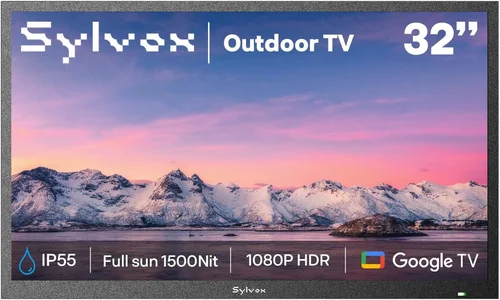
Expert Tips for Getting the Best Deal
1. Time Your Purchase Around Seasonal Sales
Outdoor TV prices drop significantly in late summer and early fall as retailers clear inventory for the next season. Look for deals in August and September—you’ll save 15–30% compared to spring pricing.
2. Buy Direct from Reputable Retailers
Stick with authorized dealers like Crutchfield, Best Buy, Amazon (sold by Amazon, not third parties), or the manufacturer’s website. These sellers offer better warranties, return policies, and customer support.
3. Bundle with Accessories
Some retailers offer discounts when you buy a TV, mount, and cables together. Check for package deals—they can save you $50–$150 versus buying separately.
4. Consider Refurbished or Open-Box Models
Certified refurbished outdoor TVs from brands like SunBriteTV or TCL often come with full warranties and cost 20–40% less than new units. Just ensure they’re inspected and sealed properly.
5. Read the Fine Print on Warranties
Some warranties are voided if the TV isn’t installed by a professional. If you’re DIY-ing, confirm that self-installation is allowed before purchasing.
6. Test Before Finalizing Installation
Once delivered, power on the TV and test all ports, Wi-Fi, and smart features indoors before mounting it outside. This makes returns or exchanges much easier.
7. Use Price Tracking Tools
Set up alerts on CamelCamelCamel (for Amazon) or Honey to notify you when your desired model drops in price. Patience can pay off with hundreds in savings.
8. Negotiate with Local Installers
If you’re hiring a professional, ask if they offer discounts on TV purchases made through them. Many installers have partnerships with brands and can pass savings to you.

Frequently Asked Questions
Q: Can I use a regular indoor TV outdoors if I cover it?
A: Technically yes, but it’s not recommended for anything beyond very temporary, fully covered use. Indoor TVs lack proper sealing, UV-resistant coatings, and thermal management. Even with a cover, humidity can seep in, causing internal corrosion or screen fogging. For anything more than occasional shade use, invest in a proper outdoor model or enclosure.
Q: Do weatherproof TVs work in winter?
A: Most are designed for year-round use in temperate climates. However, extreme cold (below 20°F) can affect LCD response times and battery performance (if portable). Check the operating temperature range in the specs—many work from -4°F to 122°F. For harsh winters, consider removable or sheltered installations.
Q: How do I clean my outdoor TV screen?
A: Use a microfiber cloth and distilled water only. Avoid ammonia-based cleaners, paper towels, or abrasive materials—they can scratch anti-reflective coatings. For stubborn grime, lightly dampen the cloth (never spray directly on the screen) and wipe gently.
Q: Will a weatherproof TV attract lightning?
A: No more than any other electronic device. However, during thunderstorms, it’s wise to unplug the TV and disconnect antennas or cables to prevent power surges. Surge protectors add an extra layer of safety.
Q: Can I mount my outdoor TV on a brick wall?
A: Yes, but use masonry anchors rated for the TV’s weight. Concrete screws or expansion bolts work best. Avoid drywall anchors—they won’t hold in brick or stucco. Always consult a professional if unsure.
Q: Do I need a special remote for outdoor use?
A: Most outdoor TVs come with standard IR remotes, which can struggle in bright sunlight. Consider upgrading to a Bluetooth remote (like those from Sofabaton or SideClick) for better range and reliability. Some smart TVs also work with smartphone apps.
Q: How long do weatherproof TVs typically last?
A: With proper care, 5–10 years is common. Cheaper models may last 3–5 years, while premium units can exceed a decade. Regular cleaning, seasonal storage (if applicable), and avoiding direct sun exposure when possible will extend lifespan.
Q: Are outdoor TVs energy efficient?
A: Modern LED-backlit models are quite efficient, especially compared to older plasma or CCFL displays. Look for ENERGY STAR certification—many outdoor TVs now qualify. Brightness settings also impact power use; lower brightness when possible to save energy.
Q: Can I stream 4K content outdoors?
A: Absolutely—if your TV supports 4K and you have a strong Wi-Fi signal. Consider using a weatherproof Wi-Fi extender or mesh network to ensure stable connectivity in your yard.
Our Final Recommendations
Best for Budget-Conscious Buyers: TCL 55S550G 55″ 4K QLED Outdoor TV
Priced under $800, this model delivers 1,000 nits brightness, IP55 rating, Roku TV platform, and vibrant QLED color. Perfect for covered patios and casual summer viewing.
Best Overall Value: Hisense 50A7G 50″ 4K UHD Outdoor Smart TV
At around $650, it offers 1,200 nits, Dolby Vision HDR, Android TV, and robust aluminum housing. A balanced choice for most homeowners.
Best Premium Option: SunBriteTV Veranda Series 55″ 4K
Though pricier ($1,800+), it’s built for full exposure with IP65 rating, 2,000 nits brightness, and military-grade durability. Ideal for poolside or open decks.
Best for Beginners: Vizio M-Series 50″ Outdoor Smart TV
User-friendly interface, solid app selection, and easy setup make this a great entry point. Includes voice control and works well under pergolas.
Best for Advanced Users: Peerless-AV Xtreme Outdoor 65″ 4K
Designed for tech-savvy hosts who want customization, this model supports custom calibrations, advanced mounting, and integrates with home automation systems.
Conclusion: Making the Right Choice
Choosing the right cheap weatherproof TV for your summer parties doesn’t have to be overwhelming. By focusing on key factors like brightness, IP rating, smart features, and real-world reviews, you can find a model that delivers both performance and protection without blowing your budget.
Remember: the cheapest option isn’t always the best value. Invest in a TV that matches your environment, usage frequency, and long-term goals. Whether you’re hosting intimate movie nights or large-scale gatherings, a reliable outdoor display will transform your backyard into a true entertainment hub.
Take your time, compare options, and don’t hesitate to ask questions before buying. With the insights from this guide, you’re now equipped to make a confident, informed decision. So fire up the grill, invite your friends, and enjoy summer the way it was meant to be—under the stars, with your favorite show playing loud and clear.

