
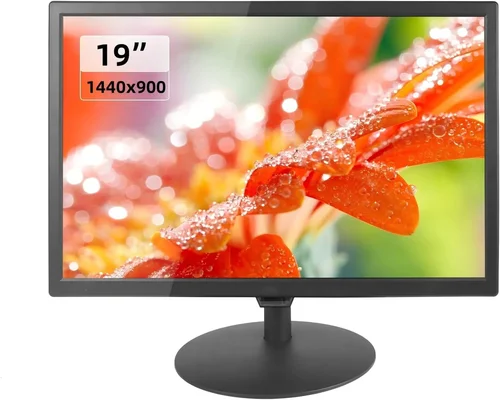
Outdoor living spaces have evolved far beyond simple patios with a few chairs and a grill. Today’s homeowners are transforming small outdoor areas into fully functional entertainment zones—complete with sound systems, lighting, and yes, even televisions. But bringing your favorite shows or sports games outside isn’t as simple as dragging an indoor TV onto the patio. Standard televisions aren’t built to withstand rain, humidity, dust, temperature swings, or direct sunlight. That’s where weatherproof TVs come in—specialized displays engineered to perform reliably in outdoor environments.
Choosing the right weatherproof TV for a small patio can feel overwhelming, especially when you’re on a budget. The market is flooded with options ranging from basic models under $500 to premium outdoor displays costing thousands. Many buyers make the mistake of assuming any TV labeled “outdoor” will do, only to find their screen washed out by glare, their unit damaged by moisture, or their warranty voided after a single storm. This guide cuts through the confusion. Whether you’re looking to catch the big game during a backyard barbecue or enjoy a movie night under the stars, we’ll help you find a durable, high-performing, and affordable weatherproof TV that fits your space and lifestyle.
In this comprehensive buying guide, you’ll learn everything you need to know about selecting the best cheap weatherproof TV for your small patio. We’ll break down the critical factors to consider—from IP ratings and brightness levels to build quality and smart features—so you can make an informed decision. You’ll also discover common pitfalls to avoid, realistic budget expectations, expert shopping tips, and top product recommendations based on real-world performance. By the end, you’ll have the confidence to choose a TV that delivers great picture quality, stands up to the elements, and doesn’t break the bank.
The outdoor TV market has matured significantly in recent years. What was once a niche category dominated by a handful of premium brands now includes a growing number of budget-friendly options from reputable manufacturers. Companies like SunBriteTV, Sylvane, and even mainstream brands like Samsung and LG have introduced outdoor-compatible models or partnered with enclosure specialists to offer more accessible solutions. At the same time, newer entrants are leveraging improved LCD technology, better weather sealing, and smarter designs to deliver solid performance at lower price points. This increased competition benefits consumers—but it also means more choices, more marketing claims, and more opportunities to overspend or underbuy. Our goal is to simplify that process and ensure you get the most value for your money.

What to Look for When Buying Buying Guide
1. IP Rating and Weather Resistance
The most fundamental consideration when buying a weatherproof TV is its Ingress Protection (IP) rating. This two-digit code tells you exactly how well the TV resists dust and water. For outdoor use, especially on a small patio exposed to rain, sprinklers, or morning dew, you need a minimum IP55 rating—meaning the TV is protected against dust (limited ingress) and water jets from any direction. However, for full four-season durability, aim for IP65 or higher. An IP65-rated TV is dust-tight and can handle low-pressure water jets, making it ideal for patios, covered decks, or screened-in porches.
Don’t confuse IP ratings with vague terms like “weather-resistant” or “all-weather.” These marketing phrases don’t guarantee specific protection levels. Always check the official IP certification. Also, consider your local climate. If you live in a region with heavy rainfall, snow, or high humidity, opt for a TV with enhanced sealing around ports, vents, and the screen bezel. Some budget models may claim outdoor compatibility but use indoor panels housed in basic enclosures—these often fail within a year due to internal condensation or corrosion.
2. Screen Brightness and Anti-Glare Performance
Indoor TVs typically operate at 300–500 nits of brightness—fine for a dim living room but nearly invisible in direct sunlight. Outdoor TVs must combat ambient light, especially on sunny patios. Look for a minimum brightness of 700 nits, but ideally 1,000 nits or higher for daytime viewing. This ensures colors remain vibrant and details stay sharp even when the sun is shining directly on the screen.
Equally important is anti-glare technology. Many outdoor TVs feature optically bonded glass or matte finishes that reduce reflections. Avoid glossy screens unless they’re specifically designed for outdoor use with advanced anti-reflective coatings. Some budget models skimp here, resulting in a “mirror effect” that makes it impossible to see the picture during daylight hours. If possible, test the TV in similar lighting conditions before purchasing—or read detailed user reviews that mention daytime visibility.
3. Build Quality and Durability
A cheap weatherproof TV isn’t just about low cost—it’s about getting robust construction without overspending. The chassis should be made of corrosion-resistant materials like powder-coated aluminum or marine-grade stainless steel. Plastic housings may save money upfront but often crack, fade, or degrade under UV exposure over time.
Pay attention to internal components too. Quality outdoor TVs use conformal-coated circuit boards that resist moisture and temperature fluctuations. They also include thermal management systems—like passive heat sinks or quiet fans—to prevent overheating in summer or freezing in winter. Avoid models that rely solely on passive cooling if you live in a hot climate; trapped heat can shorten the lifespan of the display panel and internal electronics.
4. Size and Viewing Distance
For a small patio, bigger isn’t always better. A 75-inch screen might overwhelm a cozy 10×12-foot space and force you to sit too close, causing eye strain. Conversely, a 32-inch TV may look tiny if you’re lounging 12 feet away. As a rule of thumb, multiply your viewing distance (in inches) by 0.84 to get the ideal screen diagonal. So, if you’ll be sitting 8 feet (96 inches) away, aim for around 80 inches—but since most budget outdoor TVs top out at 55–65 inches, you may need to adjust your seating or consider a slightly smaller screen.
Also, consider mounting options. Will the TV be wall-mounted under a roof overhang, or will it sit on a stand? Ensure the chosen size fits your available space and doesn’t obstruct walkways or views. Some compact outdoor TVs are designed specifically for small patios, with slim profiles and versatile mounting hardware.
5. Smart Features and Connectivity
Even budget outdoor TVs now come with smart platforms like Roku TV, Android TV, or webOS, allowing you to stream Netflix, YouTube, or Disney+ without extra devices. This is a huge convenience—especially if your patio lacks easy access to HDMI cables or streaming boxes. Look for Wi-Fi 5 (802.11ac) or better for stable streaming, and ensure the interface is responsive and easy to navigate with a remote in bright conditions.
Connectivity matters too. Check for multiple HDMI ports (at least two), USB inputs, and audio outputs. If you plan to connect a soundbar, gaming console, or cable box, verify compatibility. Some outdoor TVs omit certain ports to cut costs—so read the specs carefully. Also, note that outdoor environments can interfere with Wi-Fi signals; consider a mesh network extender or Ethernet-over-powerline adapter if your router is far from the patio.
6. Brand Reputation and Real-World Reliability
Not all “outdoor TV” brands are created equal. Established names like SunBriteTV and Seura have years of proven performance in harsh conditions, but their products often start at $1,500+. However, several reputable electronics brands now offer certified outdoor models or partner with enclosure specialists to deliver reliable budget options.
Research customer reviews on trusted sites like Amazon, Best Buy, or specialized forums. Look for patterns: Do users report failures after six months? Are complaints about poor brightness or water damage? Avoid unknown brands with no track record or overly optimistic marketing claims. A good rule: if the company doesn’t clearly state its IP rating, warranty terms, or testing standards, proceed with caution.
7. Warranty and Customer Support
Outdoor electronics are inherently more vulnerable to failure than indoor gear. That’s why a strong warranty is non-negotiable. Most reputable outdoor TVs come with at least a 2-year warranty, covering both parts and labor. Some premium brands offer 3–5 years. Avoid models with only a 1-year warranty—especially if they’re marketed as “budget outdoor.”
Also, check what the warranty covers. Does it include damage from rain, snow, or temperature extremes? Or is it voided if the TV gets wet? Read the fine print. Additionally, ensure the manufacturer provides accessible customer support—phone, email, or live chat—and has a network of service centers. You don’t want to ship a 50-pound TV across the country for repairs.
8. Price vs. Value Proposition
“Cheap” doesn’t have to mean “low quality”—but it does require smart shopping. The key is balancing upfront cost with long-term value. A $600 TV that lasts three years may cost more per year than a $900 model that lasts six. Consider total cost of ownership: includes potential repair costs, energy efficiency, and resale value.
Look for models that offer the best combination of essential features (brightness, IP rating, durability) at a reasonable price. Avoid overspending on unnecessary extras like 8K resolution (which offers no benefit on a 55-inch screen viewed from 8 feet) or ultra-thin designs (which compromise weather sealing). Focus on core performance and reliability.
Different Types of Buying Guide
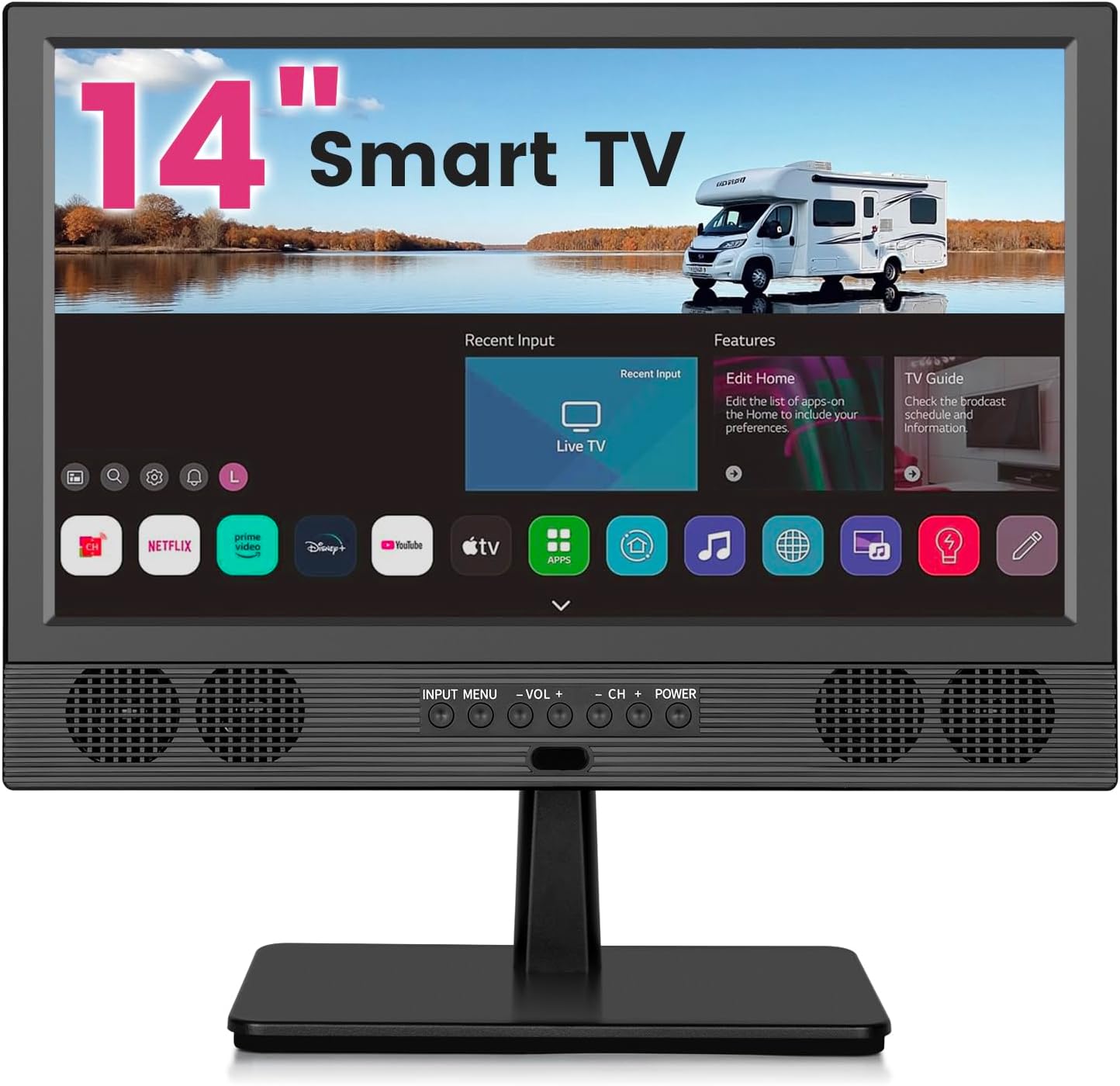
Common Buying Mistakes to Avoid
❌ Mistake: Buying an Indoor TV and Assuming It’s Fine Under Cover
Why it’s bad: Even under a roof, indoor TVs are vulnerable to humidity, temperature swings, and dust. Condensation can form inside the panel, leading to permanent damage. Most indoor TV warranties are voided if used outdoors.
What to do instead: Invest in a TV specifically designed for outdoor use or pair an indoor model with a certified outdoor enclosure that includes ventilation, drainage, and UV protection.
❌ Mistake: Ignoring the IP Rating
Why it’s bad: Without a proper IP rating, you have no guarantee the TV can handle rain, sprinklers, or morning dew. Many “outdoor-ready” TVs lack official certification and fail prematurely.
What to do instead: Always verify the IP rating (aim for IP55 or higher) and look for third-party testing documentation from the manufacturer.
❌ Mistake: Overlooking Screen Brightness
Why it’s bad: A dim screen (under 700 nits) will be unwatchable in daylight, turning your patio TV into a decorative mirror.
What to do instead: Choose a TV with at least 1,000 nits of brightness and anti-glare coating. Test reviews often mention daytime visibility—read them carefully.
❌ Mistake: Choosing the Wrong Size for Your Space
Why it’s bad: A TV that’s too large overwhelms a small patio; one that’s too small forces squinting from a distance. Both ruin the viewing experience.
What to do instead: Measure your seating distance and use the 0.84x rule to determine ideal screen size. For small patios, 43–55 inches is usually optimal.
❌ Mistake: Skimping on Warranty and Support
Why it’s bad: Outdoor TVs face harsher conditions than indoor models. A short or limited warranty leaves you unprotected against common failures.
What to do instead: Prioritize models with at least a 2-year comprehensive warranty and responsive customer service. Check return policies before buying.
❌ Mistake: Falling for “All-Weather” Marketing Without Proof
Why it’s bad: Buzzwords like “all-weather” or “weatherproof” are unregulated. Some brands use them to sell indoor TVs with minimal modifications.
What to do instead: Demand specifics: IP rating, brightness (nits), material specs, and warranty terms. If the info isn’t clear, assume it’s not truly outdoor-rated.
❌ Mistake: Neglecting Audio Quality
Why it’s bad: Many budget outdoor TVs have weak built-in speakers that struggle outdoors due to open space and ambient noise.
What to do instead: Plan for external audio—either a weatherproof soundbar or wireless outdoor speakers. Ensure the TV has audio output options (optical, HDMI ARC, or 3.5mm).
Budget Guidelines: How Much Should You Spend?
Entry-Level ($400–$700): This tier includes basic outdoor enclosures paired with mid-range indoor TVs or entry-level sealed outdoor models. Expect decent brightness (700–900 nits), IP55 rating, and limited smart features. Ideal for covered patios in mild climates. Brands like Sylvane and some TCL/Roku combos fall here. While affordable, these may lack long-term durability in harsh conditions.
Mid-Range ($700–$1,200): The sweet spot for most small patio owners. These TVs offer 1,000+ nits brightness, IP65 rating, robust build quality, and full smart platforms. Models from SunBriteTV’s Veranda series or Samsung’s outdoor-compatible displays (with proper enclosures) deliver excellent value. You’ll get reliable performance, good warranties, and features like voice control and multiple HDMI ports.
Premium ($1,200–$2,000): For those who want top-tier performance without going commercial. These include fully sealed 4K HDR models with advanced thermal management, anti-reflective glass, and extended warranties. Perfect for partially exposed patios or four-season use. Brands like Seura and premium SunBriteTV units dominate this space.
Luxury ($2,000+): Reserved for large installations, commercial use, or extreme environments. These TVs offer 2,000+ nits brightness, 24/7 operation capability, and professional-grade support. Overkill for a small patio—but worth considering if you host frequent outdoor events or live in a harsh climate.
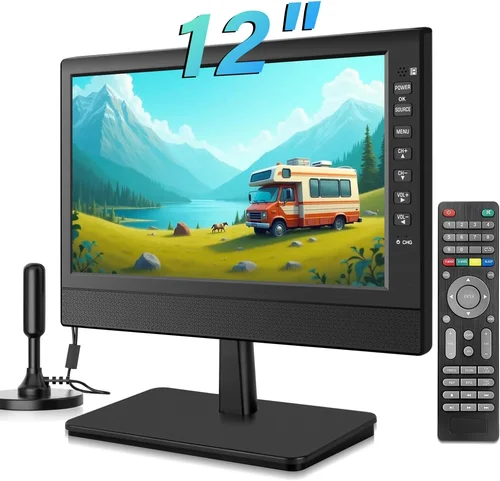
Expert Tips for Getting the Best Deal
1. Shop During Off-Season: Outdoor TV sales peak in spring and summer. Buy in late fall or winter (November–February) for discounts of 20–30%. Retailers clear inventory before new models arrive.
2. Compare Enclosure + TV Bundles: Sometimes, buying a certified outdoor enclosure with a compatible indoor TV is cheaper than a pre-built outdoor model—and offers more flexibility. Look for bundles from Sylvane, Peerless-AV, or Dotel.
3. Check Manufacturer Refurbished Programs: Brands like SunBriteTV offer certified refurbished units at 25–40% off. These come with full warranties and are thoroughly tested—great for budget buyers.
4. Use Price Tracking Tools: Set alerts on CamelCamelCamel (for Amazon) or Honey to monitor price drops. Outdoor TVs rarely go on flash sale, but gradual discounts happen.
5. Read Long-Term User Reviews: Focus on reviews older than 6 months. They reveal real-world durability, not just initial impressions. Look for mentions of weather performance, brightness consistency, and customer service experiences.
6. Verify Return Policies: Ensure you can return the TV if it doesn’t meet expectations—especially important when buying online. Some retailers charge restocking fees for large items, so confirm terms upfront.
7. Consider Energy Efficiency: Outdoor TVs often run longer hours. Look for ENERGY STAR certification or low power consumption specs (under 150W for 55-inch models) to save on electricity.
8. Test in Similar Conditions: If possible, visit a showroom or friend’s setup to see how the TV performs in daylight. Glare and brightness are hard to judge from specs alone.

Frequently Asked Questions
Q: Can I use a regular TV outdoors if it’s under a roof?
A: Technically yes—but it’s risky. Even under cover, humidity, temperature changes, and dust can damage internal components. Most indoor TV warranties are voided by outdoor use. For reliable, long-term performance, invest in a proper outdoor TV or enclosure.
Q: What’s the difference between partial sun and full sun outdoor TVs?
A: Partial sun models (like SunBrite Veranda) are designed for covered areas with indirect light and offer 500–700 nits brightness. Full sun TVs (like SunBrite Pro) handle direct sunlight with 1,500–2,500 nits and enhanced cooling. For small patios with roof overhangs, partial sun is usually sufficient and more affordable.
Q: Do outdoor TVs need special mounting hardware?
A: Yes. Use mounts rated for outdoor use with corrosion-resistant coatings (e.g., stainless steel or powder-coated aluminum). Ensure the mount allows airflow behind the TV to prevent overheating.
Q: How long do weatherproof TVs last?
A: With proper care, a quality outdoor TV can last 5–8 years—or longer in mild climates. Cheaper models or those used in extreme conditions may fail sooner. Regular cleaning and avoiding direct water jets can extend lifespan.
Q: Can I leave my outdoor TV on all the time?
A: Most consumer outdoor TVs aren’t designed for 24/7 operation. Continuous use can overheat components. If you need constant display (e.g., for security cameras), consider a commercial-grade model.
Q: Are outdoor TVs worth the extra cost?
A: Absolutely—if you plan to use your patio regularly. The durability, brightness, and peace of mind justify the investment. Trying to retrofit an indoor TV often leads to frustration and higher long-term costs.
Q: Do I need a separate streaming device?
A: Not if your outdoor TV has a built-in smart platform (like Roku or Android TV). However, if signal strength is weak, a streaming stick (e.g., Roku Ultra) with Ethernet support can improve performance.
Q: What about sound? Built-in speakers seem weak.
A: You’re right—most outdoor TVs have underwhelming audio. Pair yours with weatherproof Bluetooth speakers or a soundbar designed for outdoor use. Many modern TVs support wireless audio output.
Q: Can outdoor TVs handle snow and freezing temperatures?
A: Yes, if they’re rated for it. Look for operating temperature ranges that include sub-freezing temps (e.g., -22°F to 122°F). Avoid turning on the TV immediately after it’s been in extreme cold—let it acclimate first.
Q: Is 4K necessary for a small patio TV?
A: Not really. At typical viewing distances (6–10 feet), the human eye can’t discern 4K resolution on screens under 65 inches. Focus on brightness and weather resistance instead—they matter far more outdoors.
Our Final Recommendations
Best for Budget-Conscious Buyers: Sylvane 50″ Outdoor TV Enclosure + TCL 50S555 4K Roku TV
This combo delivers solid performance under $800. The TCL offers 400 nits brightness (boosted by the anti-glare enclosure), Roku smart features, and excellent value. The Sylvane enclosure provides IP55 protection and passive cooling. Ideal for covered patios in temperate zones.
Best Overall Value: SunBriteTV Veranda 55″ 4K UHD Outdoor TV
Priced around $1,100, this fully sealed model boasts 700 nits brightness, IP55 rating, and a 2-year warranty. It’s built for partial sun areas and includes Android TV for seamless streaming. Reliable, well-reviewed, and perfect for small patios.
Best Premium Option: Seura 55″ Shade Outdoor TV
At $1,800, this is a step up in brightness (1,000 nits), build quality, and anti-reflective technology. Designed for decks and patios with some sun exposure, it includes a sleek design, robust thermal management, and a 3-year warranty. Worth the splurge for serious outdoor entertainers.
Best for Beginners: Dotel 43″ All-Weather Outdoor Smart TV
A plug-and-play option under $600 with IP65 rating, 800 nits brightness, and built-in Roku. Great for first-time buyers who want simplicity without sacrificing core outdoor features.
Best for Advanced Users: SunBriteTV Pro 2 55″ Full Sun Outdoor TV
For those who want maximum performance, this $2,200 model delivers 2,000 nits brightness, full IP66 rating, and professional-grade durability. Overkill for most patios—but unmatched if you demand perfection.
Conclusion: Making the Right Choice
Choosing a cheap weatherproof TV for your small patio doesn’t have to be a gamble. By focusing on essential factors—IP rating, brightness, build quality, and warranty—you can find a reliable, high-performing display that fits your budget and enhances your outdoor lifestyle. Avoid the temptation to cut corners on weather protection or screen visibility; these are the features that truly define an outdoor TV’s value.
Remember, the goal isn’t just to save money upfront—it’s to invest wisely in a product that will deliver years of enjoyment. Whether you’re watching the sunset with a movie or hosting friends for the big game, your patio TV should be a source of convenience and comfort, not frustration. Use the guidelines, tips, and recommendations in this guide to narrow your options, ask the right questions, and make a confident purchase.
Finally, prioritize your specific needs. If your patio is fully covered and used mostly in the evening, a mid-range partial sun model may suffice. But if you live in a rainy or sunny climate and plan to use the TV daily, don’t hesitate to invest a bit more for durability and brightness. And always read the fine print—on warranties, return policies, and technical specs.
Your perfect outdoor TV is out there. With the knowledge from this guide, you’re now equipped to find it—without overspending or compromising on quality. So go ahead, upgrade your patio, and start enjoying entertainment under the open sky.

