
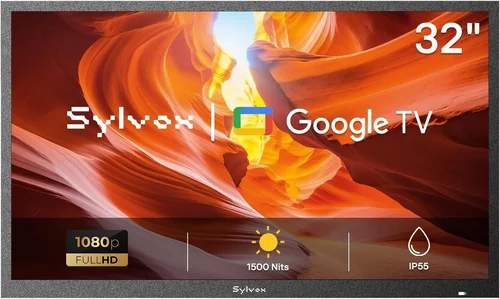
When it comes to transforming your screened porch into a year-round entertainment hub, few upgrades deliver the same impact as a weatherproof TV. Whether you’re watching the big game under the stars, catching up on your favorite series during a summer rain shower, or enjoying morning coffee with the news, a weatherproof television brings indoor comfort to your outdoor living space. But here’s the catch: not all outdoor TVs are created equal—and finding a truly reliable, affordable option can feel like navigating a stormy forecast. That’s where this guide comes in.
In this comprehensive buying guide, we’ll cut through the marketing hype and technical jargon to help you make a smart, informed decision. You’ll learn exactly what makes a TV “weatherproof,” how to balance performance with budget, and which features truly matter for screened porch use. We’ll compare different types of outdoor TVs, highlight common pitfalls to avoid, and share expert tips to help you get the best value for your money. Whether you’re a first-time buyer or upgrading from an older model, this guide is designed to equip you with everything you need to choose the perfect weatherproof TV for your space.
The market for outdoor TVs has exploded in recent years, with more brands offering affordable options than ever before. However, many so-called “weatherproof” TVs are little more than standard indoor models slapped with a protective cover—hardly ideal for long-term outdoor use. True weatherproof TVs are engineered from the ground up to withstand humidity, temperature swings, dust, and even light rain. For screened porches—which offer partial protection but still expose electronics to the elements—choosing the right TV is critical. This guide will walk you through the essentials, so you don’t end up with a pricey paperweight when the next thunderstorm rolls in.

What to Look for When Buying Buying Guide
1. Budget & Price Range
Setting a realistic budget is the first and most important step in your buying journey. Weatherproof TVs can range from under $500 for basic models to over $3,000 for premium, full-outdoor units. However, for screened porches—where the TV is shielded from direct rain and extreme weather—you don’t need the most rugged (and expensive) models. A mid-tier weatherproof TV typically offers the best balance of durability, performance, and affordability.
When budgeting, consider not just the TV itself but also installation costs, mounting hardware, and any necessary accessories like weatherproof enclosures or remote extenders. Some retailers offer bundled packages that include a wall mount and cables, which can save you money in the long run. Be wary of extremely low-priced “outdoor” TVs—if it seems too good to be true, it probably is. These models often cut corners on build quality and weather resistance, leading to premature failure.
2. Performance Specifications
Performance specs matter just as much outdoors as they do indoors—maybe even more. Brightness is critical: outdoor environments are far brighter than typical living rooms, so you’ll need a TV with high nits (brightness) to combat glare. Look for a minimum of 700 nits, but ideally 1,000 nits or higher for clear visibility on sunny days. Resolution should be at least Full HD (1080p), though 4K is strongly recommended for larger screens and future-proofing.
Refresh rate is another key factor. A 60Hz refresh rate is standard, but if you plan to watch sports or fast-paced action content, consider a model with 120Hz for smoother motion. HDR support (like HDR10 or Dolby Vision) enhances color and contrast, making your viewing experience more vibrant. Also, check the viewing angle—wide angles (178 degrees) ensure the picture stays clear even when viewed from the side, which is common on a porch with multiple seating areas.
Don’t overlook audio quality. Most outdoor TVs have built-in speakers, but they’re often underpowered. If you plan to use the TV without external speakers, look for models with at least 20W of audio output. Otherwise, consider investing in weatherproof outdoor speakers for a richer sound experience.
3. Build Quality & Durability
Not all weatherproof TVs are built to the same standard. The term “weatherproof” can be misleading—some manufacturers use it loosely to describe TVs with basic protective coatings. For a screened porch, you need a TV that’s truly built to resist moisture, dust, and temperature fluctuations. Look for TVs with an IP (Ingress Protection) rating. An IP55 or IP65 rating means the TV is protected against dust and water jets, making it suitable for semi-outdoor use.
The materials used in construction also matter. Aluminum or powder-coated steel housings resist rust and corrosion better than plastic. Internal components should be sealed to prevent moisture ingress. Some models include anti-glare screens and tempered glass to protect against scratches and impacts. Additionally, check if the TV is designed to operate in extreme temperatures—many outdoor TVs can function in conditions ranging from -22°F to 122°F (-30°C to 50°C), which is essential for year-round use.
Another durability factor is the cooling system. Unlike indoor TVs, outdoor models often use passive cooling (no fans) to avoid drawing in dust and moisture. This reduces noise and increases longevity. However, ensure the TV has adequate ventilation to prevent overheating during summer months.
4. Features & Functionality
Modern weatherproof TVs come packed with smart features, but not all are essential for outdoor use. Smart TV platforms like Android TV, Roku, or webOS allow you to stream content directly from apps like Netflix, Hulu, and YouTube. This is convenient, but consider whether you’ll actually use it outdoors. If you primarily watch live TV or use a streaming device (like a Roku Stick or Apple TV), a non-smart TV with HDMI inputs may suffice and save you money.
Connectivity is crucial. Look for multiple HDMI ports (at least two), USB ports for media playback, and audio outputs if you plan to connect external speakers. Some models include built-in Wi-Fi and Bluetooth for wireless streaming. Voice control via Alexa or Google Assistant can be handy, especially when your hands are full with a drink or grill tongs.
Other useful features include a weatherproof remote control, which resists moisture and dust, and a sleep timer or auto-off function to save energy. Some TVs also offer anti-theft mounting options, which can be useful if your porch is accessible to guests or children.
5. Brand Reputation
Brand reputation is a strong indicator of reliability and customer support. Established brands like Samsung, LG, and Sony have long histories of producing high-quality electronics, but their outdoor TV offerings can be pricey. However, several specialized brands focus exclusively on outdoor and weatherproof displays, such as SunBriteTV, Seura, and Peerless-AV. These companies design their products specifically for outdoor environments, often with superior build quality and longer warranties.
When evaluating brands, look beyond marketing claims. Read customer reviews on trusted sites like Amazon, Best Buy, or Consumer Reports. Pay attention to comments about long-term durability, customer service responsiveness, and ease of installation. A brand with a strong reputation for outdoor electronics is more likely to stand behind its products and offer reliable support if issues arise.
Also, consider the availability of replacement parts and service centers. If your TV needs repair, you’ll want a brand with accessible support. Some manufacturers offer on-site service or extended warranties, which can be worth the extra cost for peace of mind.
6. Warranty & Support
A solid warranty is a must for any outdoor electronics purchase. Standard indoor TVs typically come with a one-year warranty, but weatherproof models should offer longer coverage—ideally two to three years. Some premium brands provide up to five years of protection, especially for outdoor-specific units. Check what the warranty covers: does it include damage from moisture, temperature extremes, or power surges? Some warranties are voided if the TV is installed incorrectly, so follow the manufacturer’s guidelines carefully.
Customer support is equally important. Look for brands with responsive support teams, clear installation guides, and accessible service options. Online resources like FAQs, video tutorials, and user forums can also be invaluable. If a company offers a dedicated outdoor TV support line, that’s a strong sign they stand behind their products.
Additionally, consider purchasing an extended warranty or protection plan, especially if you live in an area with harsh weather conditions. These plans can cover accidental damage, power surges, and even theft, providing extra security for your investment.
7. Size & Portability
Size matters—but not just for picture quality. On a screened porch, space is often limited, so you’ll need to balance screen size with available wall or ceiling area. A 43-inch to 55-inch TV is usually ideal for most porches, offering a cinematic experience without overwhelming the space. Larger screens (65 inches and up) work well for bigger porches or if you plan to host outdoor movie nights.
Portability is less of a concern for permanently mounted TVs, but if you want the flexibility to move the TV between indoor and outdoor spaces, consider a model with a lightweight design and easy-to-remove mounting system. Some TVs come with optional stands or portable enclosures, though these are less common for weatherproof units.
Also, think about viewing distance. A general rule is to sit at a distance of 1.5 to 2.5 times the screen’s diagonal size. For example, a 50-inch TV should be viewed from 6 to 10 feet away. Measure your porch layout before buying to ensure the TV fits comfortably and provides an optimal viewing angle.
8. User Reviews & Ratings
User reviews are one of the most valuable resources when shopping for a weatherproof TV. They offer real-world insights that specs sheets can’t provide. Look for reviews that mention long-term use—how the TV performs after six months or a year outdoors. Pay attention to comments about brightness in sunlight, remote control reliability, and resistance to humidity or temperature changes.
Be cautious of overly positive or negative reviews. Some may be fake or biased. Instead, focus on detailed reviews that describe specific pros and cons. Look for patterns: if multiple users report the same issue (like poor Wi-Fi connectivity or a flimsy mount), it’s likely a genuine concern.
Ratings from trusted third-party sites like CNET, Wirecutter, or RTINGS.com can also help narrow your options. These sites often conduct rigorous testing and provide unbiased comparisons. However, remember that no TV is perfect—what matters most is how well it meets your specific needs.
Different Types of Buying Guide

Common Buying Mistakes to Avoid
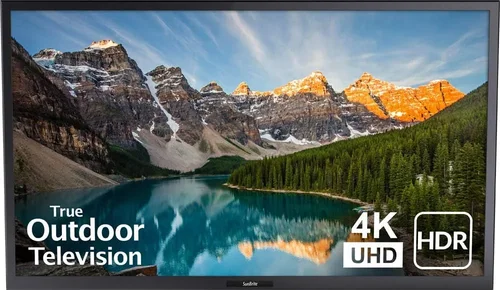
❌ Mistake: Buying a Standard Indoor TV for Outdoor Use
Why it’s bad: Indoor TVs are not designed to handle moisture, temperature changes, or dust. Even on a screened porch, humidity and condensation can seep into the electronics, causing corrosion, screen fogging, or complete failure. Additionally, indoor TVs lack the brightness needed for outdoor visibility, resulting in a dim, washed-out picture.
What to do instead: Always choose a TV specifically rated for outdoor or semi-outdoor use. Look for models with weatherproof certifications and high brightness levels. If you must use an indoor TV, invest in a high-quality weatherproof enclosure, but understand that this adds cost and complexity.
❌ Mistake: Ignoring Brightness (Nits) Ratings
Why it’s bad: A TV with low brightness will be nearly unwatchable on a sunny day, even under a screened porch. Most indoor TVs range from 300 to 500 nits, which is insufficient for outdoor environments. You’ll end up squinting or watching only at night.
What to do instead: Prioritize brightness. Aim for at least 700 nits, but 1,000 nits or higher is ideal for clear daytime viewing. Check the specs carefully—some manufacturers list “peak brightness” rather than sustained brightness, which can be misleading.
❌ Mistake: Overlooking Installation Requirements
Why it’s bad: Installing a weatherproof TV isn’t as simple as mounting a regular TV. You’ll need weatherproof cables, sealed conduit, and a secure mount that can withstand wind and vibration. Poor installation can lead to water damage, electrical issues, or even the TV falling.
What to do instead: Hire a professional installer experienced with outdoor electronics, or follow the manufacturer’s guidelines meticulously. Use outdoor-rated HDMI and power cables, and ensure all connections are sealed with waterproof tape or enclosures.
❌ Mistake: Choosing the Wrong Size
Why it’s bad: A TV that’s too small will be hard to see from a distance, while one that’s too large can overwhelm your porch and create glare or discomfort. Poor size choice leads to frustration and wasted money.
What to do instead: Measure your viewing distance and use a size calculator. For most screened porches, a 43-inch to 55-inch TV offers the best balance. Consider the layout—will people be sitting close or far away? Adjust accordingly.
❌ Mistake: Skimping on the Mount
Why it’s bad: A flimsy or indoor-rated mount can fail under outdoor conditions. Wind, temperature changes, and moisture can weaken the mount over time, risking damage to the TV or injury.
What to do instead: Invest in a heavy-duty, weatherproof wall or ceiling mount designed for outdoor use. Look for models with rust-resistant coatings and secure locking mechanisms. Some TVs come with compatible mounts—check compatibility before buying.
❌ Mistake: Not Considering Power and Connectivity
Why it’s bad: Running power and cables outdoors requires planning. If you don’t have an outdoor outlet nearby, you’ll need to hire an electrician. Poor cable management can lead to tripping hazards or water damage.
What to do instead: Plan your setup in advance. Ensure you have a GFCI-protected outdoor outlet within reach. Use weatherproof cable conduits and clips to secure wires. Consider wireless options like streaming sticks to reduce cable clutter.
❌ Mistake: Ignoring Long-Term Maintenance
Why it’s bad: Even the best weatherproof TVs require occasional cleaning and inspection. Dust, pollen, and moisture can accumulate on the screen and vents, affecting performance and longevity.
What to do instead: Clean the screen regularly with a microfiber cloth and mild cleaner. Check seals and vents for debris. Inspect cables and mounts annually. A little maintenance goes a long way in extending your TV’s life.
Budget Guidelines: How Much Should You Spend?
When it comes to weatherproof TVs for screened porches, your budget will largely determine the quality, features, and longevity of your purchase. Here’s a breakdown of what you can expect at different price points:
Entry-Level ($400 – $700): At this price, you’ll find basic models or indoor TVs in weatherproof enclosures. These may lack high brightness, smart features, or robust build quality. Suitable for occasional use in mild climates, but not recommended for long-term reliability. Look for brands like Vizio or TCL with outdoor enclosures.
Mid-Range ($800 – $1,500): This is the sweet spot for most screened porch buyers. You’ll get true weatherproof TVs with 700–1,000 nits brightness, 4K resolution, and solid build quality. Brands like SunBriteTV and Peerless-AV offer excellent options here. These TVs are durable, perform well in sunlight, and often include smart features.
Premium ($1,500 – $2,500): For those who want top-tier performance and durability, premium models deliver. Expect 1,000+ nits brightness, anti-glare screens, advanced cooling, and extended warranties. These are ideal for larger porches or areas with intense sunlight. Brands like Seura and Samsung offer high-end outdoor models in this range.
Luxury ($2,500+): At this level, you’re investing in commercial-grade or custom solutions. These TVs are built for 24/7 operation, extreme weather, and professional installations. They often include features like vandal resistance, remote monitoring, and ultra-high brightness. Best for luxury homes or commercial use.
Expert Tips for Getting the Best Deal
Getting the best value on a weatherproof TV requires strategy. Here are proven tips to help you save money and avoid regrets:
- Buy During Off-Season: Outdoor TVs are in highest demand during spring and summer. Shop in late fall or winter for discounts and clearance sales. Retailers often reduce prices to clear inventory.
- Compare Retailers: Check prices at multiple stores, including Amazon, Best Buy, Costco, and specialty outdoor electronics retailers. Some offer price matching or exclusive bundles.
- Look for Refurbished Models: Certified refurbished weatherproof TVs can save you 20–30% off retail. Ensure they come with a warranty and are inspected by the manufacturer.
- Bundle with Accessories: Some retailers offer packages that include a mount, cables, and a remote extender. These can be cheaper than buying items separately.
- Check for Rebates and Incentives: Some manufacturers offer mail-in rebates or trade-in programs. Energy-efficient models may qualify for local utility rebates.
- Read the Fine Print on Warranties: Understand what’s covered and for how long. Some warranties require professional installation to remain valid.
- Test Before Finalizing: If possible, view the TV in person or watch demo videos online. Pay attention to brightness, color accuracy, and remote responsiveness.
- Consider Financing: Many retailers offer 0% financing for large purchases. This can help spread the cost without interest, making a premium model more affordable.

Frequently Asked Questions
Q: Can I use a regular TV on my screened porch?
A: Technically yes, but it’s not recommended. Regular TVs aren’t designed for outdoor conditions and can fail prematurely due to moisture, temperature changes, or dust. For long-term reliability, invest in a weatherproof model or use a high-quality outdoor enclosure.
Q: What’s the difference between weatherproof and waterproof?
A: “Weatherproof” means the TV can withstand environmental conditions like rain, humidity, and temperature swings. “Waterproof” implies complete protection against water immersion, which is rare for TVs. Most outdoor TVs are weatherproof, not fully waterproof.
Q: Do I need a special mount for a weatherproof TV?
A: Yes. Use a heavy-duty, outdoor-rated mount made from rust-resistant materials. Ensure it’s compatible with your TV’s VESA pattern and can support the weight and size.
Q: How do I connect devices like a soundbar or streaming stick?
A: Most weatherproof TVs have HDMI and USB ports. Use outdoor-rated cables and consider a weatherproof media box or enclosure to protect connections. For wireless devices, ensure strong Wi-Fi coverage on your porch.
Q: Can I leave my weatherproof TV outside year-round?
A: Yes, if it’s rated for full outdoor use. For screened porches, most weatherproof TVs can handle year-round exposure, but check the operating temperature range and avoid extreme conditions if possible.
Q: What’s the best size for a screened porch TV?
A: A 43-inch to 55-inch TV is ideal for most porches. Consider your viewing distance—sit 6 to 10 feet away for a 50-inch screen. Measure your space before buying.
Q: Do weatherproof TVs come with remotes?
A: Yes, most include weatherproof remotes resistant to moisture and dust. Some models also support smartphone control via apps.
Q: How long do weatherproof TVs last?
A: With proper care, a quality weatherproof TV can last 7–10 years or more. Regular cleaning and maintenance help extend its lifespan.
Q: Can I install a weatherproof TV myself?
A: If you’re experienced with electrical work and mounting, yes. However, hiring a professional ensures safety, proper sealing, and warranty compliance.
Q: Are smart features worth it for outdoor use?
A: It depends. If you plan to stream content directly, smart features are convenient. If you use external devices, a non-smart TV may save money and reduce complexity.
Our Final Recommendations
Best for Budget-Conscious Buyers: SunBriteTV Veranda Series 50-inch – Offers excellent weather resistance, 1,000 nits brightness, and 4K resolution at a competitive price. Ideal for screened porches with partial sun exposure.
Best Overall Value: Peerless-AV Xtreme 55-inch – Combines durability, high brightness, and smart features. Built for outdoor use with a sleek design and reliable performance.
Best Premium Option: Seura 55-inch Outdoor TV – Features anti-glare glass, 1,200 nits brightness, and a slim profile. Perfect for luxury porches with direct sunlight.
Best for Beginners: Vizio V-Series 50-inch with Outdoor Enclosure – A cost-effective solution using a trusted indoor TV in a weatherproof case. Great for first-time buyers.
Best for Advanced Users: Samsung The Terrace 65-inch – A high-end outdoor TV with quantum dot technology, 2,000 nits brightness, and advanced cooling. Ideal for tech enthusiasts and large outdoor spaces.
Conclusion: Making the Right Choice
Choosing the right weatherproof TV for your screened porch is about balancing performance, durability, and budget. You don’t need the most expensive model on the market, but you do need one that’s built to handle the unique challenges of outdoor living. Focus on brightness, weather resistance, and build quality—these are the factors that will determine whether your TV lasts for years or fails after one rainy season.
Remember to measure your space, plan your installation, and read user reviews. Avoid common pitfalls like using indoor TVs or ignoring brightness ratings. With the right TV, your screened porch can become a true extension of your home—a place to relax, entertain, and enjoy the great outdoors, no matter the weather.
Take your time, do your research, and prioritize your needs. Whether you’re watching a sunset movie night or catching the morning news with coffee, the perfect weatherproof TV is out there. Use this guide to find it—and start enjoying your outdoor oasis to the fullest.

