
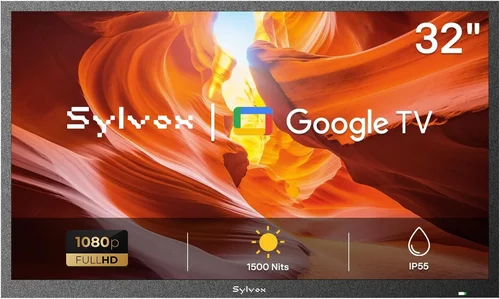
Outdoor living spaces like pergolas have become central hubs for relaxation, entertainment, and socializing. Whether you’re hosting summer barbecues, enjoying quiet evenings under string lights, or catching the big game with friends, having a reliable TV outdoors transforms your pergola into a true outdoor living room. But here’s the catch: not all TVs are built to withstand the elements. Rain, humidity, dust, extreme temperatures, and even UV exposure can quickly damage a standard indoor television. That’s why investing in a weatherproof TV isn’t just a luxury—it’s a necessity for anyone serious about outdoor entertainment.
This comprehensive buying guide is designed to help you navigate the often-confusing world of outdoor TVs, especially if you’re on a budget. We’ll cut through the marketing noise and focus on what truly matters: durability, performance, value, and real-world usability. Whether you’re a first-time buyer or upgrading from an older model, this guide will equip you with the knowledge to make a smart, informed decision. You’ll learn how to balance cost with quality, understand key technical specifications, avoid common pitfalls, and ultimately choose a TV that delivers great picture and sound—rain or shine.
The market for weatherproof TVs has grown significantly in recent years, with more brands entering the space and prices becoming increasingly competitive. While premium models from companies like Samsung and SunBrite can cost thousands, there are now several affordable options that offer solid performance and protection without breaking the bank. However, “cheap” doesn’t have to mean “low quality.” With the right research and understanding of what to look for, you can find a budget-friendly weatherproof TV that lasts for years and enhances your outdoor experience. Let’s dive into the essential factors you need to consider before making your purchase.

What to Look for When Buying Buying Guide
1. Weather Resistance Rating (IP Rating)
One of the most critical factors when choosing a weatherproof TV is its Ingress Protection (IP) rating. This standardized code tells you exactly how well the TV resists dust and water. For outdoor use—especially under a pergola where rain and moisture are still concerns—you’ll want a minimum IP54 rating, but ideally IP55 or higher. An IP55 rating means the TV is protected against low-pressure water jets from any direction and limited dust ingress, making it suitable for covered outdoor areas. If your pergola is partially exposed or you live in a region with heavy rainfall, consider models with IP65 or IP66 ratings for full protection against water jets and dust.
Don’t assume that “weatherproof” means fully waterproof. Many budget models are only splash-resistant and may fail if directly exposed to rain. Always check the manufacturer’s specifications and installation guidelines. Some TVs require additional protective enclosures or mounting solutions to maintain their IP rating, so factor in those costs if needed.
2. Brightness and Display Quality
Outdoor visibility is a major challenge. Sunlight glare, ambient light, and reflections can wash out even the best indoor TVs. That’s why brightness—measured in nits—is crucial. For a pergola setup, aim for a minimum of 700 nits, but 1000 nits or more is ideal for clear viewing during daytime. Many budget weatherproof TVs now feature anti-glare coatings and high-brightness LED or QLED panels designed specifically for outdoor use.
Resolution also matters. While 1080p (Full HD) is acceptable for smaller screens (under 43 inches), we recommend 4K UHD for anything larger. 4K offers sharper detail, better color accuracy, and improved upscaling of lower-resolution content. Look for TVs with HDR (High Dynamic Range) support—even basic HDR10—for richer colors and better contrast in varied lighting conditions.
3. Build Quality & Durational Materials
A cheap price tag shouldn’t mean flimsy construction. The chassis, bezel, and internal components must be built to endure temperature swings, humidity, and potential impacts. Look for TVs with powder-coated aluminum or reinforced polymer housings, which resist rust and corrosion better than standard plastic or untreated metal. Sealed ports, reinforced connectors, and vibration-resistant internal mounts are signs of thoughtful engineering.
Pay attention to the cooling system. Unlike indoor TVs, outdoor models often rely on passive cooling (no fans) to prevent dust and moisture ingress. Ensure the TV has adequate ventilation and heat dissipation, especially if it will be mounted in an enclosed space. Overheating can shorten the lifespan of internal components, so a well-designed thermal management system is essential for long-term reliability.
4. Smart Features & Connectivity
Even budget weatherproof TVs now come with smart platforms, allowing you to stream content directly without external devices. Look for models with built-in Wi-Fi, Bluetooth, and popular streaming apps like Netflix, YouTube, and Amazon Prime Video. Android TV, Roku TV, and webOS are user-friendly options, though some budget brands use proprietary systems that may lack app support or updates.
Connectivity is equally important. Ensure the TV has multiple HDMI ports (at least two), USB inputs, and possibly an optical audio output if you plan to connect a soundbar or external speakers. Some models include weatherproof cable glands or sealed input covers to protect connections from moisture—don’t overlook these details.
5. Size & Viewing Distance
Choosing the right screen size depends on your pergola’s dimensions and typical seating arrangement. A general rule of thumb: for every inch of screen size, sit about 1.5 to 2.5 feet away. So, a 55-inch TV is best viewed from 6.5 to 11 feet away. Measure your space carefully and consider mounting height—ideally, the center of the screen should be at eye level when seated.
Larger screens (65 inches and up) offer a more immersive experience but come at a higher price and may require stronger mounting hardware. For smaller pergolas or tighter budgets, a 43- to 50-inch model often strikes the perfect balance between visibility and affordability.
6. Brand Reputation & Reliability
Not all budget brands are created equal. While lesser-known manufacturers may offer lower prices, they often cut corners on quality control, software updates, and customer support. Stick with brands that have a proven track record in outdoor electronics, such as SunBrite (now part of Sylvane), Seura, or even mainstream brands like Samsung and LG that offer outdoor-compatible models.
Research user forums, YouTube reviews, and third-party testing sites to gauge real-world performance. A brand with consistent positive feedback on durability and after-sales service is worth the slight premium over no-name alternatives.
7. Warranty & Customer Support
A weatherproof TV is a long-term investment, so warranty coverage matters. Look for at least a 2-year warranty, with some premium models offering 3 to 5 years. Check what the warranty covers—does it include damage from moisture, power surges, or accidental drops? Some brands offer extended warranties or protection plans for outdoor use.
Customer support responsiveness is equally important. Can you easily reach a technician if something goes wrong? Are replacement parts available? Brands with local service centers or partnerships with certified installers provide peace of mind, especially for outdoor installations where DIY fixes may void the warranty.
8. Price vs. Value
“Cheap” doesn’t have to mean “cheaply made.” The goal is to find the best value—where price aligns with performance, durability, and features. Avoid the temptation to go for the absolute lowest price, as these models often lack essential protections or use outdated technology. Instead, compare models within your budget range and prioritize features that matter most to your use case.
For example, a $600 TV with IP55 rating, 1000 nits brightness, and 4K HDR may offer better long-term value than a $400 model with IP43 and 500 nits. Consider total cost of ownership, including mounting hardware, cables, and potential repairs.
Different Types of Buying Guide

Common Buying Mistakes to Avoid
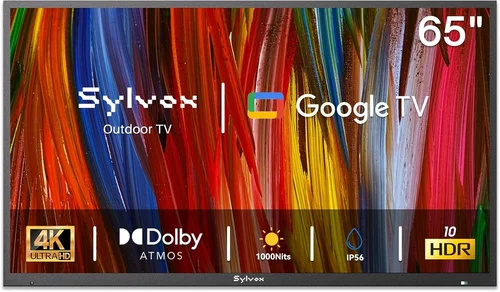
❌ Mistake: Assuming All “Outdoor” TVs Are Fully Waterproof
Why it’s bad: Many buyers assume that any TV labeled “outdoor” can be mounted directly under a pergola without additional protection. However, most budget models are only splash-resistant and can fail if exposed to heavy rain or condensation buildup.
What to do instead: Always verify the IP rating and installation requirements. If your pergola isn’t fully enclosed, consider a TV with IP65 or higher, or use a weatherproof enclosure even for “outdoor” models.
❌ Mistake: Ignoring Brightness Requirements
Why it’s bad: A TV with low brightness (under 500 nits) will appear washed out in daylight, making it difficult to watch sports, movies, or news during the day. This is especially problematic in pergolas with partial sun exposure.
What to do instead: Prioritize models with at least 700 nits, and aim for 1000+ nits if possible. Look for anti-reflective coatings and matte finishes to reduce glare.
❌ Mistake: Overlooking Mounting and Installation Costs
Why it’s bad: The TV itself may be affordable, but mounting hardware, weatherproof cables, and professional installation can add $200–$500 to your total cost. DIY installations may also void warranties if not done correctly.
What to do instead: Factor in all installation expenses upfront. Choose a TV with compatible mounting options and consider hiring a certified installer familiar with outdoor setups.
❌ Mistake: Choosing Based Solely on Price
Why it’s bad: The cheapest option often lacks essential features like proper sealing, smart functionality, or reliable customer support. You may end up replacing it within a year, costing more in the long run.
What to do instead: Compare value, not just price. Look for the best combination of durability, brightness, features, and warranty within your budget.
❌ Mistake: Neglecting Audio Quality
Why it’s bad: Many outdoor TVs have weak built-in speakers that struggle to overcome ambient noise like wind, traffic, or conversation. Poor audio ruins the viewing experience.
What to do instead: Plan for external audio. Invest in weatherproof speakers or a soundbar designed for outdoor use. Some TVs include audio outputs for easy connectivity.
❌ Mistake: Not Checking Return and Warranty Policies
Why it’s bad: If the TV arrives damaged or fails shortly after installation, a restrictive return policy or limited warranty can leave you stuck with a defective product.
What to do instead: Buy from retailers with generous return windows (30+ days) and choose brands with comprehensive outdoor warranties. Keep all documentation and photos during unboxing.
❌ Mistake: Forgetting About Power and Connectivity
Why it’s bad: Outdoor setups often lack nearby power outlets or stable Wi-Fi. Running extension cords or relying on weak signals can lead to frustration and safety hazards.
What to do instead: Plan your power and network setup in advance. Use outdoor-rated extension cords, Wi-Fi extenders, or wired Ethernet connections for reliable performance.
Budget Guidelines: How Much Should You Spend?
Entry-Level ($400 – $700): This tier includes basic weatherproof TVs or indoor models in protective enclosures. Expect IP43 to IP54 ratings, 500–700 nits brightness, and limited smart features. These are best for fully covered pergolas with minimal exposure. Brands like Vizio (in enclosures) or budget lines from Seura may fall here. Ideal for casual viewers who prioritize cost over premium performance.
Mid-Range ($700 – $1,200): The sweet spot for most buyers. These TVs offer IP55 ratings, 800–1,200 nits brightness, 4K HDR, and reliable smart platforms. Models from SunBrite’s Veranda series or Samsung’s outdoor-compatible QLEDs often fit here. You’ll get solid durability, good picture quality, and essential features without overspending.
Premium ($1,200 – $2,500): For enthusiasts and those with partially exposed pergolas. These TVs feature IP65+ ratings, 1,500+ nits brightness, advanced cooling, and premium build materials. Expect longer warranties, better audio, and support for external accessories. SunBrite Pro and LG’s outdoor models are strong contenders.
Luxury ($2,500+): Top-tier options with commercial-grade durability, 24/7 operation capability, and ultra-high brightness (2,000+ nits). These are overkill for most residential pergolas but ideal for large outdoor theaters or commercial use. Brands like Peerless-AV and Samsung’s The Terrace lead this category.
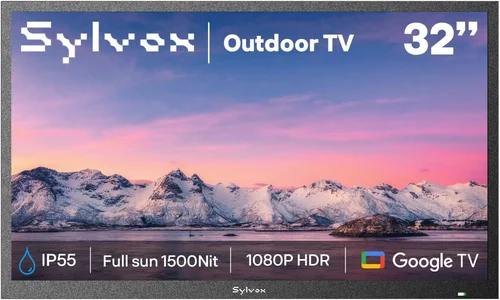
Expert Tips for Getting the Best Deal
- Shop During Off-Season: Prices on outdoor TVs drop significantly in late fall and winter (October–February) when demand is low. Retailers often clear inventory to make room for new models.
- Compare Online and In-Store: Online retailers like Amazon, Best Buy, and Sylvane often offer better prices and detailed specs. However, visiting a store lets you see brightness and build quality in person.
- Look for Bundles: Some sellers offer TV + mount + cable kits at a discount. These can save you $100–$200 compared to buying separately.
- Check for Open-Box or Refurbished Models: Certified refurbished TVs from reputable brands often come with full warranties and can be 20–30% cheaper than new units.
- Use Price Tracking Tools: Set up alerts on Google Shopping, CamelCamelCamel (for Amazon), or Honey to monitor price drops and flash sales.
- Negotiate with Local Installers: If you’re hiring a professional, ask if they offer package deals on TVs and installation. Some have partnerships with brands and can pass on discounts.
- Read the Fine Print on Warranties: Ensure the warranty covers outdoor use. Some manufacturers void coverage if the TV is installed in direct sunlight or exposed to rain.
- Test Before Finalizing: If possible, test the TV in similar lighting conditions to your pergola. Brightness and glare performance can vary significantly between models.

Frequently Asked Questions
Q: Can I use a regular TV under my pergola?
A: Technically yes, but it’s not recommended unless your pergola is fully enclosed and climate-controlled. Regular TVs lack weatherproofing and can suffer from moisture damage, overheating, or corrosion. For long-term reliability, a weatherproof model or indoor TV in a certified outdoor enclosure is the safer choice.
Q: Do weatherproof TVs need special mounting hardware?
A: Yes. Standard wall mounts aren’t designed for outdoor conditions. Look for mounts rated for outdoor use, made from rust-resistant materials like stainless steel or powder-coated aluminum. Tilt and full-motion mounts offer flexibility but must be securely anchored to withstand wind.
Q: How do I protect cables and connections from the weather?
A: Use weatherproof cable glands, conduit, or outdoor-rated HDMI cables with sealed connectors. Run cables through the wall or under decking when possible, and avoid leaving loose wires exposed. Silicone sealant can also help waterproof connection points.
Q: Will a weatherproof TV work in extreme temperatures?
A: Most outdoor TVs are rated for temperatures between -22°F and 122°F (-30°C to 50°C). However, performance may degrade at extremes. Avoid installing in direct sunlight if the TV lacks active cooling, and ensure adequate airflow around the unit.
Q: Can I leave my outdoor TV on all the time?
A: Only if it’s rated for 24/7 operation, which is typically found in commercial-grade models. Most residential outdoor TVs are designed for intermittent use. Leaving them on continuously can shorten lifespan and increase energy costs.
Q: Do I need a separate sound system?
A: Highly recommended. Built-in speakers on outdoor TVs are often underpowered and lack bass. Weatherproof soundbars or outdoor speaker systems (like those from Polk or Sonos) provide much better audio quality and volume for outdoor environments.
Q: How long do weatherproof TVs last?
A: With proper installation and maintenance, a quality outdoor TV can last 5–8 years or more. Factors like climate, usage frequency, and build quality play a big role. Regular cleaning and inspections can extend lifespan.
Q: Are there solar-powered outdoor TV options?
A: Not commonly available for residential use, but possible with custom setups. You’d need a solar panel system, battery storage, and an inverter. This is more feasible for off-grid cabins than typical pergolas.
Q: Can I control my outdoor TV with a smartphone?
A: Yes, most smart outdoor TVs support remote control via apps (like Samsung SmartThings or LG ThinQ). Some also work with voice assistants like Alexa or Google Assistant for hands-free operation.
Q: What’s the difference between “outdoor” and “all-weather” TVs?
A: “Outdoor” usually means designed for covered areas with limited exposure. “All-weather” or “fully outdoor” models are built for direct exposure to rain, snow, and sun, with higher IP ratings and more robust construction.
Our Final Recommendations
Best for Budget-Conscious Buyers: SunBrite Veranda Series 50-inch 4K UHD – At around $900, this model offers IP55 rating, 1,000 nits brightness, and reliable smart features. It’s a proven performer for covered pergolas and delivers excellent value for the price.
Best Overall Value: Samsung The Terrace 55-inch Full Sun 4K QLED – Priced around $1,800, this TV boasts IP56 rating, 2,000 nits brightness, and vibrant QLED color. It’s overkill for fully covered areas but ideal if your pergola sees partial sun or rain.
Best Premium Option: SunBrite Pro 2 65-inch 4K UHD – At $2,400, this is a commercial-grade beast with IP66 rating, 3,000 nits brightness, and fanless cooling. Perfect for large pergolas or those who want maximum durability and performance.
Best for Beginners: Vizio V-Series 50-inch in a Seura Outdoor Enclosure – Total cost around $700. A great entry point: use a quality indoor TV in a certified weatherproof case. Easy to install and replace if needed.
Best for Advanced Users: LG 65-inch OLED evo G3 in a Peerless-AV Outdoor Enclosure – For those who want the best picture quality outdoors. OLED offers perfect blacks and wide viewing angles, though it requires a high-end enclosure (total ~$3,000). Ideal for shaded pergolas with controlled lighting.
Conclusion: Making the Right Choice
Choosing the right weatherproof TV for your pergola is about more than just finding the cheapest option—it’s about balancing durability, performance, and value to match your lifestyle and environment. We’ve covered the essentials: from understanding IP ratings and brightness requirements to avoiding common pitfalls and maximizing your budget. Remember, a well-chosen outdoor TV isn’t just a gadget; it’s an investment in your outdoor living space that enhances every gathering, movie night, and quiet moment under the stars.
Prioritize your needs. If your pergola is fully covered and shaded, a mid-range model with solid weather resistance and smart features will serve you well. If you’re dealing with partial exposure or harsh climates, don’t skimp on protection—opt for higher IP ratings and brighter displays. And always plan for installation, audio, and long-term maintenance.
Ultimately, the best TV is the one that fits your space, your budget, and your expectations. Take your time, do your research, and don’t hesitate to reach out to manufacturers or installers with questions. With the right setup, your pergola can become the ultimate outdoor entertainment hub—rain or shine, day or night. Now go enjoy that perfect view, both on and off the screen.

