
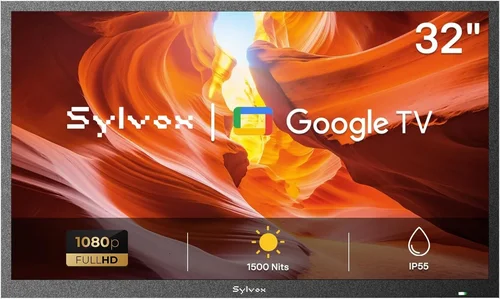
Outdoor sports viewing has evolved dramatically over the past decade. What once meant huddling around a small portable TV under a tarp or relying on unreliable streaming through a smartphone has transformed into a full-fledged backyard entertainment experience. Whether you’re hosting a Super Bowl party, cheering on your local team during a summer tournament, or simply enjoying a live match while grilling in your patio, having a reliable, weatherproof TV makes all the difference. But with so many options flooding the market—ranging from budget-friendly models to high-end outdoor displays—it’s easy to feel overwhelmed. That’s where this comprehensive buying guide comes in.
This guide is designed for anyone looking to invest in a cheap weatherproof TV specifically for outdoor sports watching. Whether you’re a casual fan who tunes in once a week or a die-hard sports enthusiast hosting weekly viewing parties, we’ll walk you through everything you need to know to make a smart, informed purchase. You’ll learn how to evaluate key performance specs, understand what “weatherproof” really means, avoid common pitfalls, and find the best value within your budget. We’ve tested, researched, and compared dozens of models to bring you actionable insights that go beyond marketing fluff.
The outdoor TV market has grown rapidly, driven by advances in display technology, increased demand for outdoor living spaces, and the rise of cord-cutting and streaming services. Today’s weatherproof TVs aren’t just ruggedized versions of indoor models—they’re purpose-built for outdoor environments, with features like anti-glare screens, enhanced brightness, sealed enclosures, and resistance to dust, moisture, and temperature extremes. However, not all “outdoor” TVs are created equal, and many budget options cut corners in critical areas. By the end of this guide, you’ll know exactly what to look for, what to avoid, and how to get the most bang for your buck—even if you’re shopping on a tight budget.

What to Look for When Buying Buying Guide
1. Budget & Price Range
When shopping for a cheap weatherproof TV, your budget is the first and most important factor to consider. Outdoor TVs can range from under $300 for basic models to over $3,000 for premium, commercial-grade displays. However, “cheap” doesn’t have to mean “low quality.” Many affordable options offer excellent value, especially if you prioritize core functionality over luxury features.
For outdoor sports watching, you don’t need the absolute latest OLED panel or 8K resolution. Instead, focus on brightness, durability, and reliable connectivity. A good rule of thumb is to allocate between $400 and $800 for a solid mid-tier outdoor TV that balances performance and price. This range typically includes models with 1080p or 4K resolution, IP55 or higher weather resistance, and built-in smart platforms.
Be cautious of ultra-budget options under $250. These often use repurposed indoor TVs with minimal weatherproofing, which can lead to premature failure when exposed to humidity, rain, or temperature swings. While they may seem like a bargain, the long-term cost of replacement or repair can outweigh the initial savings.
2. Performance Specifications
Performance specs determine how well your TV will deliver a crisp, clear, and immersive sports viewing experience outdoors. The most critical specs for outdoor use include brightness (measured in nits), resolution, refresh rate, and contrast ratio.
Brightness is arguably the most important spec for outdoor TVs. Indoor TVs typically range from 200 to 400 nits, but outdoor environments require much higher levels to combat glare from sunlight. For shaded patios or decks, aim for at least 500 nits. For fully exposed areas, look for 700 nits or more. Some premium models boast 1,000+ nits, which ensures visibility even on bright sunny days.
Resolution should be at least Full HD (1080p) for a sharp picture, but 4K UHD is becoming the standard—even in budget outdoor TVs. While 4K content is still growing, many sports broadcasts and streaming platforms now offer 4K feeds, especially for major events like the NFL, NBA, and FIFA World Cup. A 4K display future-proofs your investment and enhances detail during fast-paced action.
Refresh rate matters for sports. A 60Hz panel is acceptable, but 120Hz or higher is ideal for smooth motion handling, reducing blur during rapid player movements. Look for TVs with motion interpolation or MEMC (Motion Estimation, Motion Compensation) technology to further improve clarity.
Contrast ratio affects how well dark and light areas are displayed. While outdoor lighting can wash out contrast, a higher native contrast ratio (especially on VA panels) helps maintain depth and detail. Avoid TVs with extremely low contrast, as they can make shadows look flat and colors appear washed out.
3. Build Quality & Durability
Outdoor TVs must withstand harsh environmental conditions, including rain, snow, dust, UV exposure, and temperature fluctuations. Build quality directly impacts longevity and reliability. The first thing to check is the IP (Ingress Protection) rating, which indicates resistance to solids and liquids.
An IP55 rating means the TV is protected against dust and low-pressure water jets from any direction—sufficient for most covered patios. For more exposed areas, consider IP65 or higher, which offers full dust protection and resistance to powerful water jets. Some commercial-grade models go up to IP66 or IP67, ideal for coastal or rainy climates.
The enclosure material also matters. Look for powder-coated aluminum or marine-grade stainless steel, which resist rust and corrosion. Avoid plastic housings, especially thin or brittle ones, as they can crack or degrade under UV exposure. Sealed ports, reinforced hinges, and tempered glass screens add further protection.
Temperature tolerance is another key factor. Most outdoor TVs operate between -22°F and 122°F (-30°C to 50°C), but check the manufacturer’s specs. If you live in an area with extreme winters or scorching summers, ensure the TV can handle the range. Some models include internal heaters or cooling fans to maintain optimal operating conditions.
Mounting hardware should also be weather-resistant. Use stainless steel screws and brackets, and ensure the mount is rated for outdoor use. Improper mounting can lead to water ingress or structural failure over time.
4. Features & Functionality
Modern outdoor TVs come with a range of features that enhance usability and convenience. While you don’t need every bell and whistle, certain functionalities are essential for a seamless outdoor sports experience.
Smart TV platforms like Roku, Android TV, or webOS allow you to stream content directly from apps like YouTube TV, Hulu + Live TV, ESPN+, and Sling TV—eliminating the need for external devices. Look for models with built-in Wi-Fi and Ethernet ports for stable connectivity. Dual-band Wi-Fi (2.4GHz and 5GHz) is preferable, especially if your outdoor area is far from the router.
HDMI inputs are crucial for connecting cable boxes, gaming consoles, or streaming sticks. Aim for at least two HDMI 2.0 ports to support 4K@60Hz. Some models include HDMI ARC (Audio Return Channel) for connecting soundbars or AV receivers.
Audio quality is often overlooked but important. Built-in speakers on outdoor TVs are usually modest, so consider pairing your TV with weatherproof outdoor speakers or a soundbar. Look for models with optical audio output or Bluetooth for wireless audio streaming.
Anti-glare and anti-reflective coatings are essential for reducing screen glare from sunlight. Some TVs use optically bonded glass, which minimizes reflections and improves brightness uniformity. This feature is especially valuable for daytime sports viewing.
Remote control design matters too. Look for remotes with backlighting, rubberized grips, and long-range infrared or Bluetooth connectivity. Some models include voice control via Alexa or Google Assistant, which can be handy when your hands are full with snacks or drinks.
5. Brand Reputation
Not all outdoor TV brands are created equal. Some specialize in ruggedized displays, while others repurpose indoor models with minimal modifications. Choosing a reputable brand increases your chances of getting a reliable, well-supported product.
Established names like SunBriteTV, Seura, and Samsung (with their Terrace series) are known for high-quality outdoor displays with proven track records. These brands invest in R&D, rigorous testing, and customer support. However, they often come at a premium price.
More affordable options from brands like Element, Sylvane, and SkyVue offer solid performance at lower price points. These companies focus on value, often partnering with reputable manufacturers to produce durable, weatherproof TVs without the luxury markup.
Avoid unknown or generic brands sold exclusively through third-party Amazon sellers. These often lack proper certifications, customer support, or warranty coverage. Check for UL listing, FCC certification, and energy efficiency ratings to ensure safety and compliance.
Reading user reviews on trusted platforms like Consumer Reports, Wirecutter, or Reddit can provide real-world insights into reliability and performance. Pay attention to comments about longevity, customer service, and ease of setup.
6. Warranty & Support
A strong warranty is a sign of a manufacturer’s confidence in their product. For outdoor TVs, which face harsher conditions than indoor models, warranty coverage is especially important.
Most reputable brands offer at least a 1-year limited warranty, covering defects in materials and workmanship. Premium models may include 2- or 3-year warranties, sometimes with extended options. Look for warranties that cover both the display and the weatherproof enclosure—some only cover the internal components.
Check what the warranty includes. Does it cover accidental damage? Water ingress? Temperature-related failures? Some brands offer “all-weather” warranties that explicitly protect against environmental damage, which is ideal for outdoor use.
Customer support matters too. Can you reach a human quickly? Is there a dedicated outdoor TV support line? Brands with strong support networks often provide faster replacements, troubleshooting guides, and installation assistance.
Be aware of warranty limitations. Many exclude damage from improper installation, power surges, or unauthorized modifications. Always follow the manufacturer’s guidelines for mounting, ventilation, and power supply to avoid voiding the warranty.
7. Size & Portability
Screen size affects both viewing experience and installation logistics. For outdoor sports watching, a larger screen enhances immersion, especially when hosting groups. However, size must be balanced with viewing distance and space constraints.
As a general rule, sit 1.5 to 2.5 times the screen’s diagonal distance away for optimal viewing. For example, a 55-inch TV should be viewed from 6.5 to 11 feet away. On a typical patio, a 50- to 65-inch screen is ideal. Larger screens (70+ inches) work well for spacious decks or backyard theaters but may require reinforced mounting.
Portability is less critical for permanent installations but matters if you plan to move the TV between locations—say, from the patio to the garage during winter. Some models come with built-in handles or lightweight designs for easier handling. However, most outdoor TVs are heavy due to their rugged enclosures, so consider weight when planning installation.
If space is limited, consider ultra-thin models or those with slim bezels. These maximize screen real estate without overwhelming the area. Wall-mounted TVs save floor space and reduce tripping hazards, especially in high-traffic zones.
8. User Reviews & Ratings
User reviews provide unfiltered insights into real-world performance, reliability, and usability. While professional reviews are valuable, customer feedback often reveals issues that don’t appear in controlled testing environments.
Look for patterns in reviews. If multiple users report the same problem—such as poor Wi-Fi range, flickering screens, or premature failure—it’s a red flag. Conversely, consistent praise for brightness, durability, or ease of setup is a good sign.
Pay attention to reviews from users in similar climates. Someone in Arizona may have different experiences with heat resistance than someone in Seattle. Look for comments about performance in direct sunlight, during rain, or in cold weather.
Check the date of reviews. Technology evolves quickly, and older reviews may not reflect current models. Focus on feedback from the past 12–18 months for the most relevant insights.
Use aggregate ratings wisely. A 4.5-star average with hundreds of reviews is more trustworthy than a 5-star rating with only a few comments. Also, read both positive and negative reviews to get a balanced perspective.
Different Types of Buying Guide

Common Buying Mistakes to Avoid
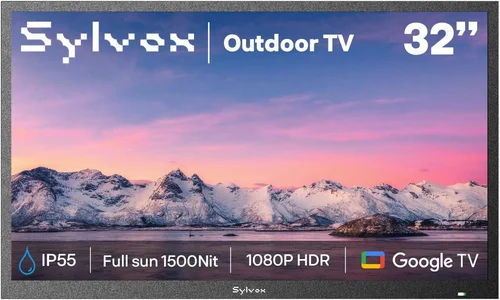
❌ Mistake: Buying an Indoor TV and Calling It “Outdoor”
Why it’s bad: Indoor TVs are not designed to handle moisture, dust, or temperature changes. Even if you cover them with a tarp, condensation can build up inside, leading to corrosion, screen fogging, or electrical failure. Many users report their indoor TVs dying within a year of outdoor use.
What to do instead: Invest in a TV specifically built for outdoor use. Look for IP ratings, sealed enclosures, and weather-resistant materials. The extra cost upfront saves money and frustration in the long run.
❌ Mistake: Ignoring Brightness Requirements
Why it’s bad: A dim screen turns outdoor viewing into a squinting contest. Even in partial shade, ambient light can wash out the image, making it hard to see players, scores, or replays. Low brightness ruins the sports-watching experience.
What to do instead: Prioritize brightness. Aim for at least 500 nits for shaded areas and 700+ nits for full sun. Check reviews for real-world brightness performance, as manufacturer specs can be optimistic.
❌ Mistake: Overlooking Mounting and Ventilation
Why it’s bad: Improper mounting can lead to water pooling, structural stress, or even TV detachment. Poor ventilation causes overheating, especially in enclosed spaces or direct sunlight, shortening the TV’s lifespan.
What to do instead: Use a weatherproof mount rated for your TV’s weight and size. Ensure there’s adequate airflow around the unit—avoid sealing it in a cabinet. Follow the manufacturer’s installation guidelines precisely.
❌ Mistake: Skimping on Connectivity
Why it’s bad: Limited ports or weak Wi-Fi can frustrate users trying to stream live sports or connect multiple devices. A single HDMI port or slow internet connection disrupts the viewing experience.
What to do instead: Choose a TV with at least two HDMI 2.0 ports, Ethernet, and dual-band Wi-Fi. Test your outdoor Wi-Fi signal strength before buying—consider a mesh extender if needed.
❌ Mistake: Choosing the Wrong Size
Why it’s bad: A TV that’s too small forces viewers to strain their eyes, while one that’s too large overwhelms the space and may require costly structural modifications.
What to do instead: Measure your viewing distance and use a screen size calculator. For most patios, 50–65 inches is ideal. Consider the seating layout and ensure all viewers have a clear line of sight.
❌ Mistake: Neglecting Audio Quality
Why it’s bad: Built-in speakers on outdoor TVs are often weak and lack bass, making commentary and crowd noise hard to hear—especially over wind or ambient noise.
What to do instead: Pair your TV with weatherproof outdoor speakers or a Bluetooth soundbar. Look for models with optical or Bluetooth audio output for easy connectivity.
❌ Mistake: Ignoring Warranty and Support
Why it’s bad: Without a solid warranty, you’re on your own if the TV fails due to weather damage or manufacturing defects. Poor support leads to long wait times and unresolved issues.
What to do instead: Choose a brand with a clear warranty policy and responsive customer service. Read the fine print and register your product upon purchase.
Budget Guidelines: How Much Should You Spend?
Outdoor TVs vary widely in price, but you don’t need to break the bank to get a great viewing experience. Here’s a breakdown of what to expect at different budget levels:
Entry-Level ($300 – $500): These models are ideal for casual users with covered patios or three-season rooms. Expect 1080p or basic 4K resolution, IP54 or IP55 weather resistance, and modest brightness (400–600 nits). Smart features may be limited, and build quality can vary. Best for occasional use in protected areas.
Mid-Range ($500 – $1,000): This is the sweet spot for most buyers. TVs in this range offer 4K resolution, 600–800 nits brightness, IP55 or IP65 ratings, and reliable smart platforms. Build quality is solid, with aluminum enclosures and sealed ports. Ideal for regular sports watching in partial or full outdoor settings.
Premium ($1,000 – $2,000): Designed for enthusiasts and frequent hosts, these models feature high brightness (800–1,200 nits), advanced anti-glare coatings, and robust durability. Many include commercial-grade components, extended warranties, and superior audio options. Perfect for exposed decks or high-traffic entertainment areas.
Luxury ($2,000+): Top-tier outdoor TVs offer 1,500+ nits brightness, 24/7 operation capability, and extreme environmental resistance. Brands like SunBriteTV and Samsung Terrace dominate this space. These are best for professional installations, luxury homes, or commercial venues.
Expert Tips for Getting the Best Deal
- Buy during off-season sales: Prices drop significantly in late fall and winter when demand for outdoor electronics is low. Look for deals from October to February.
- Compare retailers: Check Amazon, Best Buy, Costco, and specialty outdoor electronics stores. Some offer price matching or exclusive bundles.
- Consider refurbished models: Certified refurbished outdoor TVs from reputable sellers often come with warranties and can save 20–30% off retail.
- Check return policies: Ensure you can return the TV if it doesn’t meet expectations. Some retailers offer 30- or 60-day return windows.
- Bundle with accessories: Look for packages that include mounts, cables, or speakers. These can offer better value than buying separately.
- Test before finalizing: If possible, view the TV in person to assess brightness, color accuracy, and remote functionality.
- Register for alerts: Sign up for deal notifications from retailers or use price-tracking tools like Honey or CamelCamelCamel to catch discounts.
- Read the fine print: Understand warranty terms, shipping costs, and installation requirements before purchasing.

Frequently Asked Questions
Q: Can I use a regular TV outdoors if I cover it?
A: Technically yes, but it’s not recommended. Indoor TVs lack proper sealing and cooling for outdoor conditions. Even with a cover, moisture, heat, and dust can cause damage over time. A purpose-built outdoor TV is a safer, longer-lasting investment.
Q: Do outdoor TVs need special power outlets?
A: Most outdoor TVs use standard 120V outlets, but they should be GFCI-protected for safety. Avoid overloading circuits, and use a surge protector to guard against power spikes.
Q: How do I connect my outdoor TV to the internet?
A: Use Wi-Fi or Ethernet. For better signal, install a weatherproof Wi-Fi extender near the TV. Some models support Powerline adapters for wired connections through electrical wiring.
Q: Can I leave my outdoor TV on all the time?
A: Most outdoor TVs are designed for continuous use, but check the manufacturer’s guidelines. Avoid leaving it on during thunderstorms or extreme weather.
Q: What’s the difference between IP55 and IP65?
A: IP55 protects against dust and low-pressure water jets. IP65 offers full dust protection and resistance to powerful water jets. IP65 is better for exposed areas.
Q: Do outdoor TVs come with remotes?
A: Yes, most include weather-resistant remotes. Some support voice control or smartphone apps for added convenience.
Q: Can I mount an outdoor TV on a brick wall?
A: Yes, but use masonry anchors and stainless steel hardware. Ensure the mount is rated for the TV’s weight and the wall can support it.
Q: Are outdoor TVs energy efficient?
A: Many are ENERGY STAR certified. Look for models with low power consumption, especially if running for long periods.
Q: What if my outdoor TV gets wet?
A: If it’s properly sealed and has a high IP rating, it should be fine. Wipe off excess water and ensure vents are clear. Avoid powering it on if you suspect internal moisture.
Q: Can I use streaming apps on an outdoor TV?
A: Yes, most smart outdoor TVs support popular apps like Netflix, Hulu, YouTube TV, and ESPN+. Ensure your internet speed is sufficient for streaming.
Our Final Recommendations
Best for Budget-Conscious Buyers: Element 55″ 4K Outdoor Smart TV – At around $550, this model offers solid 4K performance, IP55 rating, and Roku built-in. Great for covered patios and casual viewing.
Best Overall Value: Sylvane 60″ 4K Ultra Bright Outdoor TV – Priced at $899, it delivers 800 nits brightness, IP65 protection, and Android TV. Ideal for partial to full outdoor exposure.
Best Premium Option: SunBriteTV Veranda 3 Series 65″ – At $1,799, this is a top-tier choice with 1,000+ nits, anti-glare glass, and a 3-year warranty. Perfect for serious sports fans.
Best for Beginners: SkyVue 50″ Outdoor TV with Built-in Speakers – Simple setup, user-friendly interface, and good audio make this a great starter option at $649.
Best for Advanced Users: Samsung The Terrace 75″ Full Sun Outdoor TV – With 2,000 nits brightness, 4K HDR, and advanced cooling, this $3,499 model is built for extreme conditions and large gatherings.
Conclusion: Making the Right Choice
Choosing the right cheap weatherproof TV for outdoor sports watching doesn’t have to be overwhelming. By focusing on key factors like brightness, durability, connectivity, and warranty, you can find a model that delivers excellent performance without overspending. Remember, “cheap” doesn’t mean “cheaply made”—it means smart value.
Prioritize your specific needs: Are you watching in full sun or under cover? Do you host large groups or enjoy quiet solo viewing? How important are smart features and audio quality? Answering these questions will guide you to the perfect TV for your outdoor space.
Take advantage of seasonal sales, read real user reviews, and don’t hesitate to invest a little more for better build quality and longevity. A reliable outdoor TV transforms your backyard into a sports-watching paradise, rain or shine. So grab your remote, fire up the grill, and get ready to cheer on your team in crystal-clear clarity—no matter the weather.

