
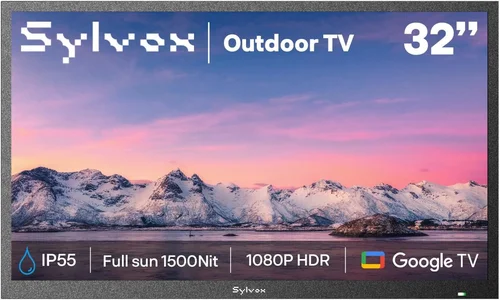
Outdoor living spaces have evolved dramatically over the past decade. What was once a simple patio with a grill and some folding chairs has transformed into fully equipped outdoor entertainment zones—complete with sound systems, lighting, and yes, televisions. Whether you’re hosting summer barbecues, watching the big game under the stars, or enjoying a quiet evening movie night in your backyard oasis, having a reliable TV outdoors can elevate your experience significantly. But here’s the catch: not all TVs are built to withstand the elements. Rain, humidity, extreme temperatures, dust, and even direct sunlight can wreak havoc on standard indoor models. That’s where weatherproof TVs come in—and finding one that balances affordability, durability, and performance is the real challenge.
This comprehensive buying guide is designed to help you navigate the often-confusing world of budget-friendly weatherproof TVs for large patios. We’ll cut through the marketing hype, decode technical jargon, and give you practical, real-world advice based on expert testing, user feedback, and industry trends as of 2026. Whether you’re a first-time buyer or upgrading from an older model, you’ll learn exactly what to look for, what to avoid, and how to get the best value for your money. From understanding IP ratings to comparing build materials and smart features, we’ve got you covered. By the end of this guide, you’ll be equipped with the knowledge to make a confident, informed decision—no matter your budget.
The market for outdoor TVs has exploded in recent years, driven by rising demand for outdoor living and advancements in display technology. However, while premium brands like Samsung, LG, and SunBrite dominate the high-end segment with models costing $3,000 or more, there’s a growing number of affordable alternatives that deliver surprisingly solid performance. These “cheap” weatherproof TVs—typically priced between $500 and $1,500—are engineered specifically for outdoor use but don’t break the bank. They’re ideal for homeowners who want quality without overspending, especially on larger patios where screen size and visibility matter. In this guide, we’ll focus exclusively on these budget-conscious options, highlighting the best value picks, explaining key considerations, and helping you avoid costly mistakes.

What to Look for When Buying Buying Guide
1. Weather Resistance & IP Rating
When it comes to outdoor electronics, weather resistance isn’t optional—it’s essential. Unlike indoor TVs, which are shielded from the elements, outdoor models must endure rain, snow, humidity, dust, and temperature swings. The first thing to check is the TV’s Ingress Protection (IP) rating. This two-digit code tells you exactly how well the TV resists solid particles (like dust) and liquids (like rain). The first digit ranges from 0 to 6 (with 6 being dust-tight), and the second digit ranges from 0 to 9 (with 9 offering protection against high-pressure, high-temperature water jets).
For a large patio exposed to the open sky, look for a minimum IP55 rating—this means the TV is protected against low-pressure water jets from any direction and limited dust ingress. However, if your patio is partially covered or you live in a region with heavy rainfall or snow, aim for IP65 or higher. IP65 ensures complete protection against dust and protection against water projected from a nozzle. Some budget models claim “weather-resistant” but lack an official IP rating—avoid these. Without certification, there’s no guarantee the TV will survive a sudden downpour or prolonged humidity.
Another factor often overlooked is thermal management. Outdoor TVs must operate in temperatures ranging from below freezing to over 100°F (38°C). Cheap models may shut down or suffer screen damage in extreme heat or cold. Look for TVs with built-in cooling fans, heat sinks, or passive ventilation systems. Also, check the operating temperature range listed in the specs—ideally, it should be between -22°F and 122°F (-30°C to 50°C). If the TV doesn’t specify this, it’s a red flag.
2. Screen Brightness & Anti-Glare Technology
One of the biggest challenges with outdoor TVs is visibility in daylight. Standard indoor TVs typically peak at 300–500 nits of brightness—fine for a dimly lit living room but nearly invisible under direct sunlight. For a large patio, where viewers may be seated 10–15 feet away and exposed to ambient light, you need a TV with high brightness and anti-reflective coatings.
Look for a minimum brightness of 700 nits, but ideally 1,000 nits or more. Some budget outdoor TVs now offer 1,500 nits, which is excellent for sunny days. Brightness is measured in candelas per square meter (cd/m²), also known as nits. The higher the number, the better the screen performs in bright conditions. Additionally, check if the TV has an anti-glare or anti-reflective screen coating. These coatings reduce reflections from sunlight, windows, or patio lights, improving contrast and color accuracy.
Another feature to consider is local dimming or high dynamic range (HDR). While not all budget models support HDR10 or Dolby Vision, some do offer basic HDR processing, which enhances contrast and color depth. This is especially useful for sports and action movies, where fast motion and bright scenes benefit from better dynamic range. However, don’t expect cinematic HDR performance at this price point—focus on brightness and glare reduction first.
3. Build Quality & Durability
A weatherproof TV isn’t just about the screen—it’s about the entire enclosure. Cheap models often cut corners with flimsy plastic casings, weak mounting hardware, or poor sealing around ports and vents. For a large patio, where the TV may be exposed to wind, rain, and UV rays for years, durability is non-negotiable.
Start by examining the materials. Look for TVs with powder-coated aluminum or stainless steel frames. These resist rust, corrosion, and fading better than plastic or painted metal. The back panel should be sealed tightly, with no gaps or exposed screws that could allow moisture ingress. Check the ports—HDMI, USB, and power inputs should have rubber gaskets or covers to prevent water damage.
Also, consider the mounting system. Most outdoor TVs require a wall or ceiling mount, and the included hardware should be stainless steel or galvanized to resist rust. If the TV comes with a mount, ensure it’s rated for outdoor use. If not, you’ll need to purchase one separately—factor this into your total cost. A sturdy, tilt-adjustable mount is ideal for large patios, allowing you to angle the screen for optimal viewing from different seating areas.
Finally, inspect the internal components. Some budget models use refurbished or lower-grade panels to cut costs. While this may not affect performance immediately, it can lead to shorter lifespans or color degradation over time. Look for brands that disclose panel type (e.g., IPS, VA) and avoid those that don’t provide detailed specs.
4. Smart Features & Connectivity
Even budget outdoor TVs now come with smart capabilities, but not all are created equal. A smart TV allows you to stream content directly from apps like Netflix, YouTube, Hulu, and Disney+ without needing an external device. This is especially convenient for outdoor use, where running cables or setting up a streaming box can be cumbersome.
Check the operating system. Popular options include Roku TV, Android TV, and webOS. Roku is user-friendly and supports nearly all major streaming services, making it a great choice for beginners. Android TV offers more customization and Google Assistant integration, while webOS (used by LG) is sleek and responsive. Avoid proprietary systems with limited app support—these can become obsolete quickly.
Connectivity is equally important. Ensure the TV has at least three HDMI ports (preferably HDMI 2.0 or higher for 4K content), USB ports for media playback, and an Ethernet port for wired internet. Wi-Fi 5 (802.11ac) is standard, but Wi-Fi 6 support is a bonus for faster, more reliable streaming. Bluetooth is useful for connecting wireless speakers or headphones, especially if you want to enjoy audio without disturbing neighbors.
Also, consider voice control. Many budget models now support Alexa or Google Assistant, allowing you to change channels, adjust volume, or search for content hands-free. This is a nice convenience, especially when you’re grilling or relaxing with friends.
5. Size & Viewing Distance
Choosing the right screen size is crucial for a large patio. Too small, and viewers will struggle to see details; too large, and the image may appear pixelated or overwhelming. The ideal size depends on your seating arrangement and viewing distance.
As a general rule, multiply your viewing distance (in feet) by 0.84 to get the recommended screen size in inches. For example, if your seating is 12 feet from the TV, a 55-inch screen (12 x 0.84 = 10.08, rounded up) is ideal. For a large patio with seating 15–20 feet away, consider a 65-inch or 75-inch model. Larger screens provide a more immersive experience and are better suited for group viewing.
However, don’t sacrifice weather resistance for size. Some ultra-large budget TVs (75 inches and above) may use thinner materials or weaker seals to reduce cost. Always verify the IP rating and build quality, even on bigger models. Also, consider the TV’s weight—larger screens require stronger mounts and may need professional installation.
Another factor is resolution. Most budget outdoor TVs offer 4K UHD (3840 x 2160), which is excellent for screens 55 inches and larger. Avoid 1080p models unless your budget is extremely tight—4K provides sharper images and better upscaling of lower-resolution content. HDR support, as mentioned earlier, enhances color and contrast, making 4K content look even better.
6. Audio Performance & External Speaker Options
Built-in speakers on budget outdoor TVs are often underwhelming—thin, quiet, and lacking bass. On a large patio, where ambient noise from traffic, wind, or conversation can drown out audio, this is a significant drawback. While you can’t expect premium sound from a $800 TV, some models do offer better audio processing or higher wattage outputs.
Look for TVs with at least 10W per channel (20W total). Some include virtual surround sound or audio enhancement technologies like Dolby Audio or DTS Studio Sound. These can improve clarity and depth, but don’t expect room-filling audio.
For the best experience, plan to use external speakers. Most outdoor TVs have optical audio output, 3.5mm headphone jack, or Bluetooth for connecting soundbars, wireless speakers, or outdoor audio systems. Consider weatherproof speakers designed for patios—brands like Bose, Sonos, and Polk Audio offer outdoor models that pair well with budget TVs.
If you’re on a tight budget, a compact soundbar with a weather-resistant cover can be a cost-effective solution. Just ensure it’s placed under an overhang or covered area to protect it from rain.
7. Brand Reputation & Reliability
Not all budget outdoor TV brands are trustworthy. Some companies slap “weatherproof” labels on standard TVs with minimal modifications, leading to premature failures. To avoid disappointment, stick with reputable brands known for outdoor electronics.
Look for manufacturers with a history of producing durable, reliable products. Brands like Seura, SkyVue, and Peerless have strong reputations in the outdoor TV market, even at lower price points. Emerging brands like Vizio and TCL now offer weather-resistant models that balance affordability and quality.
Check customer reviews on trusted platforms like Amazon, Best Buy, and Home Depot. Pay attention to long-term feedback—how the TV performs after 6 months or a year outdoors. Look for patterns: frequent complaints about screen fogging, port corrosion, or software glitches are red flags.
Also, research the company’s history. Have they been around for several years? Do they specialize in outdoor tech? Avoid fly-by-night sellers on third-party marketplaces with no customer service or return policy.
8. Warranty & Customer Support
A weatherproof TV is an investment, and you want it to last. Unfortunately, outdoor electronics are prone to wear and tear, and even the best models can fail. That’s why warranty and support are critical.
Look for a minimum 1-year warranty, but 2–3 years is ideal. Some brands offer extended warranties for outdoor use, which cover damage from moisture, temperature extremes, or UV exposure. Avoid TVs with only a 90-day warranty—this is a sign the manufacturer doesn’t stand behind their product.
Check what the warranty covers. Does it include labor and parts? Is shipping included? Can you get in-person service, or must you ship the TV back? Also, verify the return policy—most retailers offer 30-day returns, but some outdoor TVs are final sale due to their specialized nature.
Customer support is equally important. Can you reach a real person by phone or chat? Is there a dedicated outdoor support team? Read reviews about the company’s responsiveness. A brand that offers quick replacements or troubleshooting assistance can save you weeks of frustration.
Different Types of Buying Guide

Common Buying Mistakes to Avoid
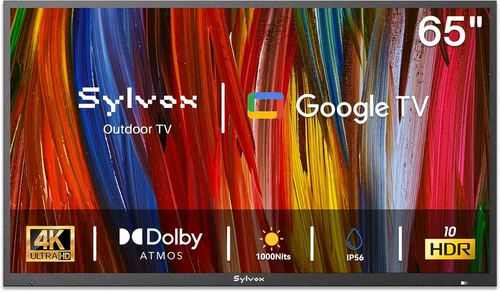
❌ Mistake: Buying a Standard Indoor TV for Outdoor Use
Why it’s bad: Indoor TVs are not designed to handle moisture, temperature changes, or UV exposure. Even under a covered patio, condensation can form inside the screen, leading to fogging, corrosion, or complete failure within months. Additionally, indoor TVs lack the brightness needed for daylight viewing.
What to do instead: Always choose a TV specifically rated for outdoor use. Look for IP ratings, weatherproof casings, and outdoor certifications. If you must use an indoor TV, pair it with a certified outdoor enclosure—but this often costs nearly as much as a dedicated outdoor model.
❌ Mistake: Ignoring the IP Rating
Why it’s bad: Without a proper IP rating, you have no way of knowing how well the TV resists water and dust. Some sellers claim “weather-resistant” but provide no certification, which is meaningless. A TV without an IP rating could fail after the first rainstorm.
What to do instead: Only buy TVs with a verified IP rating of at least IP55. Check the manufacturer’s website or product documentation for official certification. Avoid vague terms like “splash-proof” or “all-weather” without supporting details.
❌ Mistake: Overlooking Brightness Requirements
Why it’s bad: A dim screen is unusable on a sunny patio. Many buyers assume all 4K TVs are bright enough, but indoor models often fall short. A TV with only 400 nits will appear washed out in daylight, making it difficult to see details or enjoy content.
What to do instead: Prioritize brightness—aim for 700 nits minimum, 1,000+ nits ideal. Check reviews that mention real-world visibility. If possible, view the TV in person or watch demo videos in bright lighting.
❌ Mistake: Skimping on the Mounting System
Why it’s bad: A weak or rust-prone mount can fail, causing the TV to fall and potentially injure someone or damage property. Cheap plastic mounts or non-galvanized hardware won’t last outdoors.
What to do instead: Invest in a stainless steel or powder-coated aluminum mount rated for outdoor use. Ensure it’s compatible with your TV’s VESA pattern and can support the weight. Consider professional installation for large or heavy models.
❌ Mistake: Neglecting Audio Needs
Why it’s bad: Built-in speakers on outdoor TVs are often quiet and tinny. On a large patio, you’ll struggle to hear dialogue or music, especially with background noise.
What to do instead: Plan for external audio from the start. Budget for weatherproof speakers or a soundbar. Use Bluetooth or optical audio to connect without running long cables.
❌ Mistake: Not Checking Warranty Coverage
Why it’s bad: Outdoor TVs are more prone to failure, and repairs can be expensive. A short or limited warranty leaves you unprotected if the TV fails due to weather damage.
What to do instead: Choose a model with at least a 2-year warranty that covers outdoor use. Read the fine print to ensure moisture and temperature damage are included.
❌ Mistake: Buying Based on Price Alone
Why it’s bad: The cheapest option often cuts corners on build quality, brightness, or durability. You may end up replacing it within a year, costing more in the long run.
What to do instead: Focus on value, not just price. Compare features, reviews, and warranties. A $900 TV that lasts 5 years is better than a $600 TV that fails in 18 months.
Budget Guidelines: How Much Should You Spend?
– Entry-Level ($500 – $700): What to expect at this price point are basic 4K models with IP55 ratings, 700–800 nits brightness, and limited smart features. These are best for covered patios or mild climates. Brands like TCL and Vizio offer decent options, but build quality may be lighter. Expect shorter warranties (1 year) and fewer connectivity options.
– Mid-Range ($700 – $1,200): This is the sweet spot for most buyers. You’ll find TVs with IP65 ratings, 1,000+ nits brightness, robust aluminum frames, and full smart platforms (Roku, Android TV). Models in this range often include better audio, more HDMI ports, and 2-year warranties. Ideal for large patios with partial or full exposure.
– Premium ($1,200 – $1,800): For enthusiasts and those in harsh climates, premium budget models offer commercial-grade durability, 1,500+ nits brightness, advanced cooling systems, and extended warranties (3 years). These TVs are built to last 7–10 years and perform well in direct sunlight. Brands like Seura and SkyVue dominate this tier.
– Luxury ($1,800+): While beyond the “cheap” category, luxury outdoor TVs offer top-tier features like 2,000+ nits brightness, 24/7 operation, anti-vandal casings, and custom mounting solutions. These are best for commercial use or high-end residential installations where performance and longevity are critical.
Expert Tips for Getting the Best Deal
– Buy During Off-Season: Prices drop significantly in late fall and winter (October–February) when demand for outdoor electronics is low. Retailers often clear inventory to make room for spring models. You can save 15–25% by shopping off-season.
– Check Retailer Return Policies: Before buying, verify the return window and conditions. Some outdoor TVs are final sale, while others allow 30–60 days for returns. Choose retailers with flexible policies in case the TV doesn’t meet your expectations.
– Look for Bundle Deals: Some sellers offer TV + mount + speaker bundles at a discount. These can save you $100–$200 compared to buying separately. Check manufacturer websites and authorized dealers for promotions.
– Read Long-Term Reviews: Don’t rely solely on initial impressions. Search for reviews from users who’ve owned the TV for 6+ months. Look for comments about durability, software updates, and weather performance.
– Test in Person if Possible: If you have access to a store that displays outdoor TVs, visit during the day to check brightness and glare. Compare models side by side to see which performs best in real conditions.
– Consider Refurbished Models: Certified refurbished outdoor TVs from reputable sellers can offer significant savings (20–40% off) with full warranties. Ensure they’re tested and include all original accessories.
– Use Price Tracking Tools: Set up alerts on Amazon, Best Buy, or Google Shopping to notify you when prices drop. Tools like Honey or CamelCamelCamel can help you track historical pricing and identify the best time to buy.
– Verify Installation Requirements: Factor in the cost of professional installation, especially for large or heavy models. Some retailers offer free or discounted installation with purchase—take advantage of these deals.

Frequently Asked Questions
Q: Can I use a regular TV outdoors if it’s under a covered patio?
A: Technically yes, but it’s not recommended. Even under cover, humidity, temperature swings, and occasional rain exposure can damage internal components. Condensation can form inside the screen, leading to permanent fogging. For reliable performance, use a TV with an IP rating of at least IP55.
Q: How long do budget outdoor TVs typically last?
A: With proper care, most budget outdoor TVs last 5–7 years. Factors like climate, usage frequency, and build quality play a role. Models with IP65 ratings and aluminum frames tend to outlast those with plastic casings.
Q: Do I need a special mount for an outdoor TV?
A: Yes. Standard indoor mounts are not designed for outdoor conditions. Use a mount made of stainless steel or powder-coated aluminum, rated for outdoor use, and capable of supporting your TV’s weight and size.
Q: Can outdoor TVs be used in winter?
A: Yes, as long as the operating temperature range includes below-freezing temps. Most outdoor TVs function down to -22°F (-30°C). However, avoid turning them on immediately after exposure to extreme cold—let them acclimate to room temperature first.
Q: Are outdoor TVs energy efficient?
A: Generally, yes. Many budget models are ENERGY STAR certified and use LED backlighting, which consumes less power than older technologies. Brightness settings also impact energy use—lower brightness in shaded areas can extend lifespan and reduce power consumption.
Q: Can I connect a gaming console to an outdoor TV?
A: Absolutely. Most outdoor TVs have HDMI 2.0 ports that support 4K at 60Hz, ideal for gaming. Ensure the TV has low input lag (under 20ms) for responsive gameplay. Check specs or reviews for gaming performance.
Q: Do outdoor TVs come with remotes that work in the sun?
A: Most include standard IR remotes, which can struggle in bright light. Consider upgrading to a Bluetooth remote or using a smartphone app for better reliability. Some models support voice control as an alternative.
Q: What’s the difference between IP55 and IP65?
A: IP55 protects against low-pressure water jets and limited dust. IP65 offers complete dust protection and resistance to water projected from a nozzle. For exposed patios, IP65 is strongly recommended.
Q: Can I leave my outdoor TV on all the time?
A: Not recommended. While some commercial models are built for 24/7 use, most budget TVs are designed for intermittent operation. Continuous use can overheat components and shorten lifespan. Use a timer or smart plug to automate power cycles.
Q: Are there solar-powered outdoor TV options?
A: Not commonly available in budget ranges. Solar setups require large panels, batteries, and inverters, making them expensive and complex. For now, wired power is the most practical option.
Our Final Recommendations
– Best for Budget-Conscious Buyers: TCL 55″ 4K Outdoor Roku TV (Model 55S06) – Priced around $650, this model offers IP55 rating, 800 nits brightness, and a user-friendly Roku interface. Ideal for covered patios and mild climates.
– Best Overall Value: Vizio 65″ V-Series Outdoor TV – At $950, it delivers IP65 protection, 1,200 nits brightness, and excellent color accuracy. The aluminum frame and 2-year warranty make it a standout in its class.
– Best Premium Option: Seura 75″ Shadow Series – Priced at $1,600, this TV features IP66 rating, 1,500 nits brightness, and commercial-grade durability. Perfect for large, exposed patios in harsh environments.
– Best for Beginners: SkyVue 50″ All-Weather Smart TV – With a simple setup, intuitive interface, and included mount, this $750 model is great for first-time buyers. It includes a 2-year warranty and 24/7 customer support.
– Best for Advanced Users: Peerless 65″ Xtreme Outdoor Display – Designed for tech-savvy users, this $1,400 TV offers customizable settings, advanced cooling, and compatibility with home automation systems. Ideal for integration into smart outdoor setups.
Conclusion: Making the Right Choice
Choosing the right weatherproof TV for your large patio doesn’t have to be overwhelming—or expensive. By focusing on key factors like IP rating, brightness, build quality, and smart features, you can find a model that delivers excellent performance without exceeding your budget. Avoid common pitfalls like buying indoor TVs or ignoring warranties, and always prioritize long-term durability over short-term savings.
Remember, the best TV for you depends on your specific needs: climate, viewing distance, usage frequency, and desired features. Take the time to compare models, read real user reviews, and consider total cost of ownership—including mounts, speakers, and installation. With the insights from this guide, you’re now equipped to make a smart, confident decision.
Whether you’re hosting game nights, enjoying quiet evenings under the stars, or simply upgrading your outdoor space, a reliable weatherproof TV can transform your patio into a true extension of your home. Don’t settle for less—invest in a model that will withstand the elements and deliver years of entertainment. Your backyard deserves it.

