
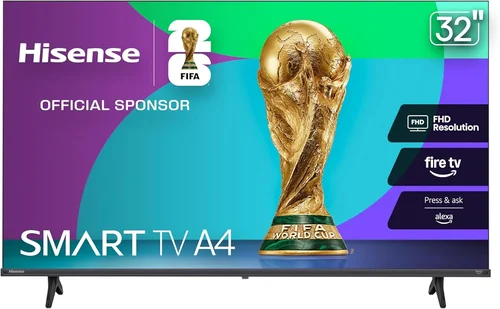
Whether you’re sipping coffee on your apartment balcony, grilling on a small patio, or simply want to enjoy your favorite show while soaking up some fresh air, a weatherproof TV can transform your outdoor living space. But here’s the catch: most apartments come with limited space, strict building regulations, and budget constraints—making the search for a “cheap” yet reliable weatherproof TV feel like navigating a minefield. You don’t want to spend hundreds only to have your screen fog up after one rainy evening or crack under direct sunlight. That’s where this guide comes in.
In this comprehensive buying guide for 2026, we’ll walk you through everything you need to know to find a high-quality, affordable weatherproof TV that fits your apartment lifestyle. From understanding IP ratings and display technologies to comparing brands and avoiding costly mistakes, we’ve done the research so you don’t have to. Whether you’re a first-time buyer or upgrading from an older model, you’ll learn how to balance cost, performance, and durability without sacrificing essential features. We’ll also break down real-world scenarios—like mounting options for renters, dealing with glare, and choosing the right size for compact spaces—so your purchase feels tailored to your unique needs.
The market for outdoor TVs has exploded in recent years, with more manufacturers offering budget-friendly models that promise year-round resilience. However, not all “weatherproof” TVs are created equal. Some are built for full exposure to rain and snow, while others are only suitable for covered areas like screened-in porches. By the end of this guide, you’ll be equipped with expert knowledge to make a confident, informed decision—no matter your budget or living situation.
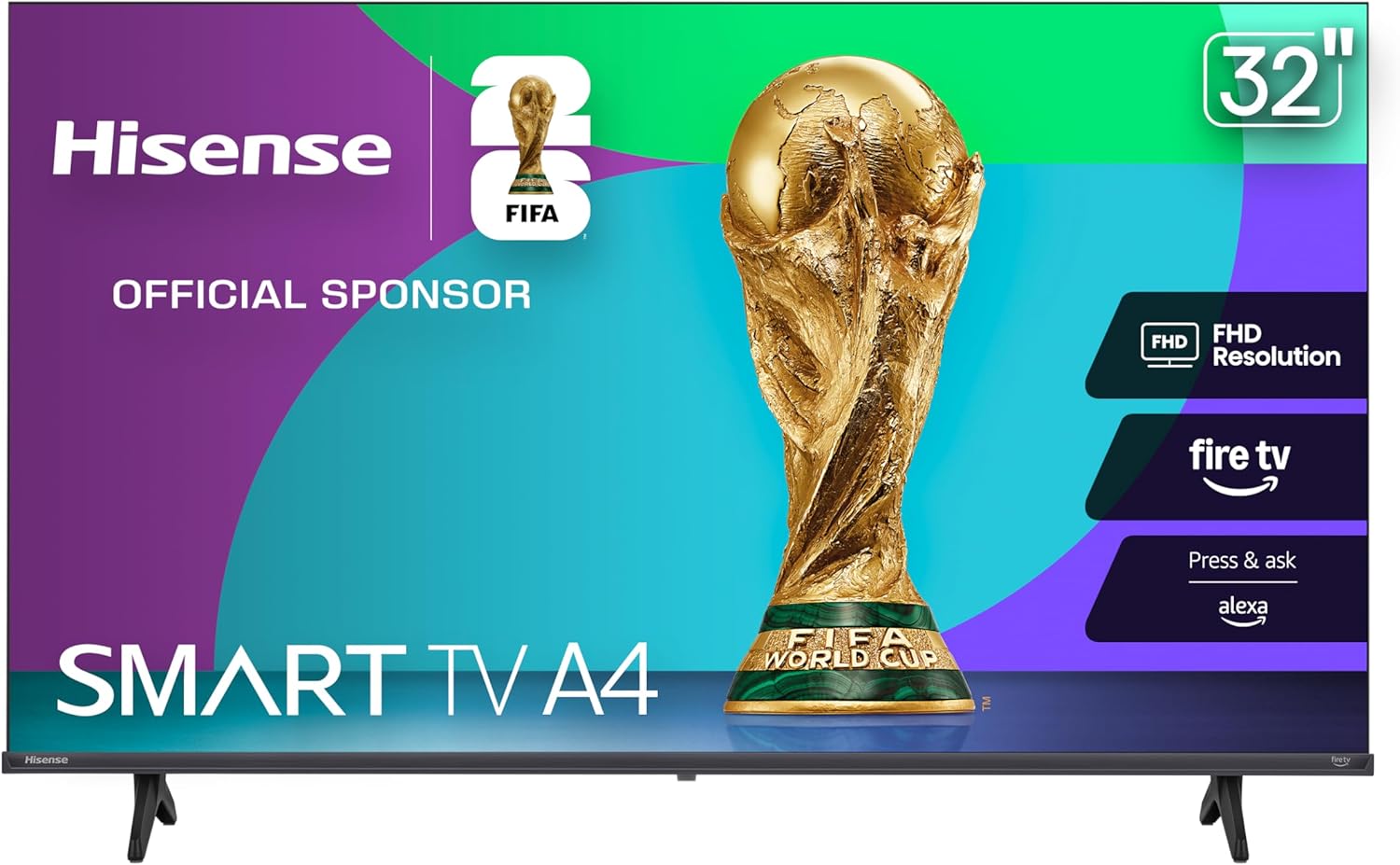
What to Look for When Buying Buying Guide
1. Budget & Price Range
When shopping for a cheap weatherproof TV, your budget is the foundation of your decision. Prices for outdoor-ready displays can range from under $300 for basic models to over $2,000 for premium, fully sealed units. For apartment dwellers, the sweet spot typically falls between $400 and $800, where you get solid build quality, decent brightness, and reliable weather resistance without breaking the bank.
It’s tempting to go for the lowest price, but beware of ultra-budget options under $250. These often use standard indoor TVs housed in flimsy enclosures that may not withstand prolonged exposure to humidity, UV rays, or temperature swings. Instead, aim for models specifically designed for outdoor use—even if they’re on the lower end of the price spectrum. Look for TVs labeled as “weather-resistant” or “outdoor-rated” rather than just “waterproof,” which can be misleading.
Also consider long-term value. A slightly more expensive TV with better components and a longer warranty may save you money in the long run by avoiding premature failure or the need for replacement. Factor in potential installation costs, especially if you need a wall mount or protective housing, as these can add $50–$150 to your total investment.
2. Performance Specifications
Performance specs matter just as much outdoors as they do indoors—maybe even more. Brightness is critical: standard indoor TVs typically output 300–400 nits, but outdoor environments demand at least 700 nits, with 1,000+ nits being ideal for sunny patios or balconies. Look for TVs with high peak brightness and anti-glare coatings to maintain visibility in daylight.
Resolution is another key factor. While 1080p (Full HD) is acceptable for smaller screens (under 40 inches), we strongly recommend 4K UHD for anything larger. Modern streaming services like Netflix, Disney+, and YouTube deliver stunning 4K content, and you’ll appreciate the clarity when watching sports or nature documentaries outside. HDR support (especially HDR10 or Dolby Vision) enhances color depth and contrast, making images pop even in bright conditions.
Refresh rate and response time are less critical for casual viewing but become important if you plan to watch live sports or play video games outdoors. A 60Hz panel is sufficient for most users, but 120Hz models offer smoother motion and are worth considering if you’re a gamer or sports fan. Input lag under 20ms is ideal for gaming, though many budget outdoor TVs don’t prioritize this metric.
Audio performance is often overlooked. Most outdoor TVs have limited built-in speakers due to space and weatherproofing constraints. If sound quality matters, consider pairing your TV with weather-resistant Bluetooth speakers or a compact soundbar designed for outdoor use.
3. Build Quality & Durability
Durability is non-negotiable when it comes to weatherproof TVs. The enclosure must protect internal components from moisture, dust, extreme temperatures, and UV degradation. Look for TVs with an IP (Ingress Protection) rating—specifically IP54 or higher. IP54 means the unit is protected against splashing water and limited dust ingress, which is suitable for covered patios. For fully exposed areas, aim for IP65 or IP66, which offer protection against water jets and heavy dust.
Materials matter too. Aluminum or powder-coated steel housings resist rust and corrosion better than plastic. Check that all ports (HDMI, USB, power) are sealed with rubber gaskets or protective covers. Internal components should be rated for wide temperature ranges—ideally from -22°F to 122°F (-30°C to 50°C)—to handle seasonal changes without malfunctioning.
Don’t forget about the screen itself. Tempered glass or optically bonded displays reduce glare and prevent condensation buildup. Some models include heated screens to prevent fogging in cold or humid climates—a valuable feature if you live in a region with frequent rain or snow.
Finally, consider the mounting system. Many outdoor TVs come with VESA-compatible backs for standard wall mounts, but ensure the mount itself is also weatherproof. For renters, look for freestanding or portable options that don’t require permanent installation.
4. Features & Functionality
Modern outdoor TVs offer a surprising range of smart features, even at lower price points. Most budget-friendly models now include built-in Wi-Fi, allowing access to streaming apps like YouTube, Netflix, and Amazon Prime Video. Look for TVs running Android TV, Roku TV, or webOS, as these platforms offer the best app selection and regular software updates.
Voice control is becoming standard, with compatibility for Google Assistant or Alexa. This is especially useful outdoors, where reaching for a remote might be inconvenient. Bluetooth connectivity lets you pair wireless headphones or speakers, ideal for late-night viewing without disturbing neighbors.
Multiple HDMI ports (at least two) are essential for connecting devices like streaming sticks, gaming consoles, or cable boxes. USB ports allow for media playback or firmware updates. Some models include built-in tuners for over-the-air broadcasts, which can be a cost-effective way to access local news and sports.
Energy efficiency is another consideration. Look for ENERGY STAR-certified models, which consume less power and may qualify for utility rebates in some areas. While outdoor TVs aren’t typically left on 24/7, efficient models still save money over time.
5. Brand Reputation
Not all brands are created equal when it comes to outdoor electronics. Established names like Samsung, LG, and Sony offer reliable indoor TVs, but their outdoor offerings are often limited or prohibitively expensive. Instead, focus on brands that specialize in weatherproof displays, such as SunBriteTV, Seura, and Peerless-AV. These companies design products from the ground up for outdoor use, with rigorous testing for durability and performance.
That said, newer entrants like TCL, Hisense, and Vizio have begun offering affordable outdoor-ready models that compete well in the mid-range market. While they may not have the same legacy as premium brands, many of their 2025–2026 models include solid weatherproofing and smart features at competitive prices.
Research customer support and service networks. A brand with a strong warranty and accessible customer service can save you headaches if something goes wrong. Check online forums and review sites for real user experiences—especially regarding repair times and replacement part availability.
6. Warranty & Support
A good warranty is your safety net. Most reputable outdoor TV manufacturers offer at least a one-year limited warranty, but some extend coverage to two or three years. Pay attention to what’s covered: does it include accidental damage, weather-related failures, or just manufacturing defects? Some brands offer extended warranties for an additional fee, which may be worth it if you live in a harsh climate.
Support matters too. Can you easily reach customer service by phone or chat? Are replacement parts (like remote controls or power adapters) readily available? Brands with dedicated outdoor product lines often provide better support than general electronics retailers.
For renters, consider whether the TV can be easily removed without damaging walls or violating lease agreements. Some models come with quick-release mounts or portable stands, making them ideal for temporary setups.
7. Size & Portability
Size is crucial in apartment settings. A 65-inch TV might be perfect for a large backyard, but it’s overkill—and potentially unusable—on a small balcony. Most apartment-friendly outdoor TVs range from 32 to 50 inches. A 43-inch model is often the ideal compromise, offering a cinematic experience without overwhelming limited space.
Portability is another factor. If you move frequently or want to use the TV in different areas (balcony, patio, garage), look for lightweight models with handles or optional stands. Some TVs are designed to be easily disassembled for transport, while others are built into all-in-one enclosures that are harder to move.
Consider viewing distance. For outdoor use, the optimal distance is about 1.5 to 2.5 times the screen’s diagonal size. So, a 43-inch TV should be viewed from 5.5 to 9 feet away. Measure your space before buying to ensure a comfortable setup.
8. User Reviews & Ratings
Never skip the reviews. User feedback provides real-world insights that specs sheets can’t match. Look for patterns: do multiple users report screen fogging after rain? Are remotes unreliable in cold weather? Are apps slow to load?
Focus on verified purchase reviews from reputable sites like Amazon, Best Buy, or specialized outdoor electronics retailers. Pay attention to reviews from people in similar climates or living situations—someone in Florida will have different concerns than someone in Minnesota.
Be wary of overly positive or generic reviews, which may be fake. Instead, look for detailed accounts that mention specific pros and cons. A review that says, “The picture is bright even at noon, but the sound is tinny and I had to buy external speakers,” is far more valuable than “Great TV!”
Different Types of Buying Guide

Common Buying Mistakes to Avoid
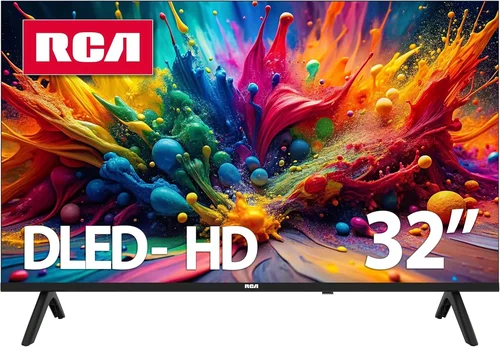
❌ Mistake: Buying a Standard Indoor TV and Putting It in a Case
Why it’s bad: Many budget shoppers think they can save money by buying a cheap indoor TV and placing it in a weatherproof enclosure. While this seems logical, most enclosures aren’t designed to manage heat buildup, which can cause the TV to overheat and fail prematurely. Additionally, condensation can form inside the case, damaging internal components.
What to do instead: Invest in a TV specifically engineered for outdoor use. These models include proper ventilation, thermal management, and sealed components that indoor TVs lack. The upfront cost is higher, but the longevity and reliability are worth it.
❌ Mistake: Ignoring IP Ratings
Why it’s bad: “Weatherproof” is a marketing term, not a technical standard. Without checking the IP rating, you might buy a TV that’s only splash-resistant when you need full water and dust protection. This leads to premature failure and wasted money.
What to do instead: Always verify the IP rating. For covered areas, IP54 is acceptable. For exposed locations, choose IP65 or higher. Look for independent testing certifications from organizations like UL or ETL.
❌ Mistake: Overlooking Brightness Requirements
Why it’s bad: A dim screen is unwatchable in daylight. Many buyers assume their indoor TV’s brightness will suffice outdoors, only to be disappointed when they can’t see the screen on a sunny day.
What to do instead: Aim for at least 700 nits of brightness, with 1,000+ nits for direct sunlight. Check reviews for real-world brightness performance, as manufacturer specs can be misleading.
❌ Mistake: Choosing the Wrong Size
Why it’s bad: A TV that’s too large overwhelms a small space and may not fit on your balcony or patio. One that’s too small forces you to sit uncomfortably close, reducing immersion.
What to do instead: Measure your space and calculate the ideal screen size based on viewing distance. Use online size calculators or consult the table in our “Size & Portability” section.
❌ Mistake: Skipping the Warranty Check
Why it’s bad: Outdoor TVs are exposed to harsh conditions that can cause unexpected failures. Without a solid warranty, you’re on the hook for repair or replacement costs.
What to do instead: Read the warranty terms carefully. Look for coverage of weather-related damage, not just manufacturing defects. Consider extended warranties if you live in an extreme climate.
❌ Mistake: Forgetting About Audio
Why it’s bad: Most outdoor TVs have weak built-in speakers. If you rely on them, you’ll miss out on clear dialogue and immersive sound, especially with ambient noise like traffic or wind.
What to do instead: Budget for weather-resistant external speakers or a Bluetooth soundbar. Many models are designed to withstand the elements and can be mounted nearby.
❌ Mistake: Not Testing Before Committing
Why it’s bad: You might discover issues like poor Wi-Fi reception, unresponsive remotes, or app glitches only after installation—when returns are difficult.
What to do instead: If possible, test the TV in your intended location before finalizing the purchase. Many retailers offer 30-day return policies, so take advantage of them.
Budget Guidelines: How Much Should You Spend?
Entry-Level ($300 – $500): This tier includes basic weatherproof TVs suitable for covered patios or screened porches. Expect 32–43 inch screens, 1080p or 4K resolution, and IP54 ratings. Brands like TCL and Hisense offer decent models here, though build quality and brightness may be limited. Ideal for occasional use in mild climates.
Mid-Range ($500 – $900): The sweet spot for most apartment dwellers. These TVs offer 43–50 inch screens, 4K HDR, 700–1,000 nits brightness, and IP65 ratings. Smart features like Wi-Fi, voice control, and multiple HDMI ports are standard. Brands like SunBriteTV and Peerless-AV have strong offerings in this range, balancing performance and affordability.
Premium ($900 – $1,500): For those who want reliability and advanced features. Expect larger screens (50–65 inches), heated displays, wider temperature ranges, and superior audio. These models are built for year-round use in harsh environments and often include extended warranties. Great for serious outdoor entertainment.
Luxury ($1,500+): Top-tier models from brands like Seura and Samsung’s outdoor line. These TVs offer ultra-bright displays (1,500+ nits), full IP66 ratings, premium materials, and cutting-edge smart platforms. They’re overkill for most apartments but ideal for luxury condos or high-end outdoor setups.
Expert Tips for Getting the Best Deal
- Buy during off-seasons: Prices drop in late fall and winter when demand is low. Look for Black Friday, Cyber Monday, and post-holiday sales for discounts up to 30%.
- Shop at specialty retailers: Stores like Crutchfield, Abt, and Outdoor TV Direct often have better selection and expert advice than big-box retailers.
- Check for open-box or refurbished models: These can save you 20–40% and often come with full warranties. Ensure they’re certified by the manufacturer.
- Bundle with accessories: Some retailers offer discounts when you buy a TV with a mount, cables, or speakers. This can be cheaper than purchasing separately.
- Use price tracking tools: Set alerts on CamelCamelCamel (for Amazon) or Honey to notify you when prices drop.
- Read the fine print on returns: Ensure the return window is at least 30 days and covers weather-related issues. Some retailers charge restocking fees.
- Test connectivity: Before finalizing, check Wi-Fi strength in your outdoor area. Weak signals can cause buffering, especially with 4K streaming.
- Consider energy costs: More efficient models may cost slightly more upfront but save money on electricity over time.

Frequently Asked Questions
Q: Can I use a regular TV outdoors if it’s under a roof?
A: Technically yes, but it’s not recommended. Even under cover, humidity, temperature swings, and dust can damage internal components over time. A weatherproof TV is designed to handle these conditions safely.
Q: Do weatherproof TVs need special installation?
A: Most use standard VESA mounts, but the mount itself should be weatherproof. For renters, portable stands or freestanding models are better options.
Q: How long do outdoor TVs last?
A: With proper care, a quality weatherproof TV can last 5–7 years or more. Indoor TVs used outdoors typically fail within 1–2 years.
Q: Can I leave my outdoor TV on in the rain?
A: Only if it’s rated IP65 or higher. Lower ratings may allow water ingress during heavy rain or direct exposure.
Q: Do outdoor TVs work in cold weather?
A: Yes, but only if rated for low temperatures. Look for models that operate down to -22°F (-30°C) and include heated screens to prevent fogging.
Q: Are outdoor TVs energy efficient?
A: Many are ENERGY STAR certified, but brightness and heating features can increase power use. Look for efficient models if energy costs are a concern.
Q: Can I stream Netflix on an outdoor TV?
A: Yes, if it has smart capabilities and Wi-Fi. Most modern outdoor TVs support major streaming apps.
Q: What’s the difference between weatherproof and waterproof?
A: “Waterproof” implies total water resistance, while “weatherproof” covers protection from rain, snow, dust, and temperature. Always check the IP rating for specifics.
Q: Do I need a surge protector?
A: Absolutely. Outdoor electronics are vulnerable to power surges from lightning or grid fluctuations. Use a high-quality outdoor-rated surge protector.
Q: Can I mount an outdoor TV on a balcony railing?
A: Only if the mount is secure and doesn’t violate building codes. Freestanding or clamp-on mounts are safer for renters.
Our Final Recommendations
Best for Budget-Conscious Buyers: TCL 43S5400 43″ 4K Outdoor Smart TV – At under $500, this model offers solid 4K performance, 800 nits brightness, and IP54 rating. Great for covered patios and mild climates.
Best Overall Value: SunBriteTV Veranda Series 43″ 4K – Priced around $750, it delivers 1,000 nits brightness, IP65 rating, and robust build quality. Ideal for most apartment outdoor spaces.
Best Premium Option: Seura 50″ Shadow Series – At $1,400, it features a heated screen, ultra-bright display, and sleek design. Perfect for luxury outdoor living.
Best for Beginners: Hisense 40H5F 40″ Outdoor Roku TV – Simple setup, intuitive Roku interface, and affordable price make it ideal for first-time buyers.
Best for Advanced Users: Peerless-AV 55″ Xtreme Outdoor TV – With IP66 rating, wide temp range, and professional-grade durability, it’s built for serious outdoor enthusiasts.
Conclusion: Making the Right Choice
Choosing the right weatherproof TV for your apartment doesn’t have to be overwhelming. By focusing on key factors like budget, brightness, IP rating, and build quality, you can find a model that delivers great performance without breaking the bank. Avoid common pitfalls like using indoor TVs outdoors or ignoring warranty details, and always prioritize your specific needs—whether that’s portability, smart features, or all-season durability.
Remember, the cheapest option isn’t always the best value. Investing in a TV designed for outdoor use ensures longevity, reliability, and a better viewing experience. Take your time, read reviews, and consider your climate and space constraints. With the insights from this guide, you’re well-equipped to make a smart, informed decision that enhances your outdoor living for years to come.
Ready to upgrade your balcony or patio? Start by measuring your space, setting a realistic budget, and exploring the recommended models above. Your perfect weatherproof TV is out there—happy viewing!

