
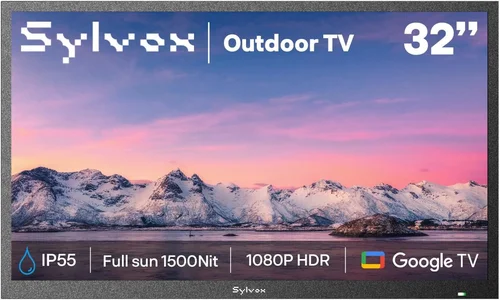
Outdoor living spaces have evolved far beyond simple patios with a table and chairs. Today’s homeowners and renters alike are transforming their backyards, decks, and porches into fully functional entertainment zones—complete with grills, lighting, sound systems, and yes, outdoor TVs. But when you’re dealing with windy conditions—whether you live near the coast, on a hilltop, or in an open field—choosing the right TV becomes a unique challenge. Standard indoor televisions simply aren’t built to withstand the elements, let alone strong gusts that can shake mounts, damage screens, or even topple entire setups.
That’s where this comprehensive buying guide comes in. Whether you’re looking to catch the big game under the stars, host movie nights under string lights, or just enjoy your favorite show while grilling, we’ll help you find a budget-friendly TV that’s tough enough for windy outdoor environments. We’ll walk you through everything from weather resistance and mounting solutions to screen visibility in daylight and smart features that enhance your experience. By the end of this guide, you’ll know exactly what to look for—and what to avoid—so you can make a smart, long-lasting investment without breaking the bank.
The market for outdoor TVs has grown significantly in recent years, but it’s still filled with confusion. Many buyers assume any TV labeled “outdoor” is automatically suitable for all conditions, but that’s far from true. Some models are designed for covered patios with minimal exposure, while others are built like tanks for full sun, rain, snow, and yes—high winds. And while premium outdoor TVs from brands like SunBrite or Seura can cost thousands, there are surprisingly capable and durable options available at much lower price points—if you know what to look for. This guide cuts through the noise to deliver expert-level advice tailored specifically to windy areas, helping you balance affordability, performance, and resilience.

What to Look for When Buying Buying Guide
1. Weather Resistance & IP Rating
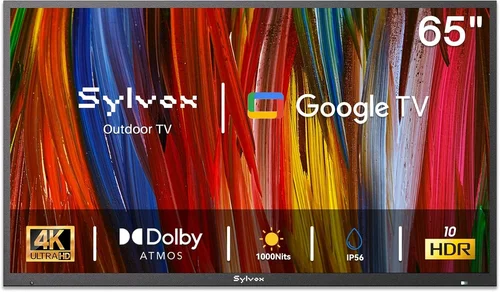
When it comes to outdoor TVs, weather resistance isn’t optional—it’s essential. But not all weather resistance is created equal, especially in windy areas where rain, dust, and debris can be whipped around with force. The first thing to check is the TV’s Ingress Protection (IP) rating. This two-digit code tells you how well the device resists solids (like dust) and liquids (like rain or splashes). For outdoor use in exposed or semi-exposed areas, look for at least an IP55 rating—this means the TV is protected against dust ingress (limited) and low-pressure water jets from any direction. In windier, storm-prone regions, aim for IP65 or higher, which offers full dust protection and resistance to powerful water jets.
But IP ratings only tell part of the story. You also need to consider the TV’s overall build. Many budget-friendly outdoor TVs use sealed enclosures to protect internal components from moisture and dust. However, in high-wind areas, these seals must be robust enough to prevent water from being driven into vents or seams. Look for models with gaskets, rubberized ports, and no exposed cooling fans—fans can suck in moisture and debris during windy storms. Additionally, check if the TV is rated for extreme temperatures. Wind often brings rapid temperature shifts, and a TV that can’t handle cold mornings or hot afternoons may fail prematurely.
Another often-overlooked factor is the screen coating. Some outdoor TVs come with anti-glare or anti-reflective coatings that help maintain visibility in bright conditions—but these coatings can degrade over time if exposed to abrasive winds carrying sand or salt (common in coastal areas). If you live near the ocean or in a desert region, prioritize models with durable, scratch-resistant screen protection.
2. Wind-Resistant Mounting & Stability
Even the most rugged TV won’t last long if it’s not securely mounted—especially in windy areas. A flimsy mount or poorly anchored bracket can turn your TV into a dangerous projectile during a storm. The mounting system is arguably more important than the TV itself when it comes to wind resistance. Start by choosing a mount specifically designed for outdoor use. These mounts are typically made from heavy-duty steel or aluminum with corrosion-resistant coatings (like powder coating or galvanization) to prevent rust from rain and salt air.
Look for mounts with a low profile and minimal surface area. The larger the mounting bracket and the farther the TV extends from the wall, the more wind resistance it creates. A full-motion or articulating mount might seem convenient, but it increases the “sail effect”—the tendency of the TV to catch wind like a sail on a boat. In high-wind zones, a fixed or tilt-only mount is safer and more stable. Some manufacturers offer wind-rated mounts with reinforced brackets and extra anchor points. These are worth the investment if you live in an area with frequent gusts.
Anchoring is equally critical. Standard drywall anchors won’t cut it. You need to mount directly into solid wood studs, concrete, or masonry using heavy-duty lag bolts or concrete anchors. For brick or stone walls, use sleeve anchors or chemical epoxy anchors for maximum hold. If you’re mounting on a wooden deck railing or pergola, ensure the structure itself is sturdy enough to handle the weight and wind load. A 55-inch TV with a mount can weigh 50–70 pounds, and wind can multiply that force significantly.
Consider adding a safety tether or cable lock as an extra precaution. These attach the TV to the wall or structure behind the mount, preventing it from falling even if the mount fails. It’s a small addition that can save you from costly damage or injury.
3. Screen Brightness & Visibility in Daylight
One of the biggest challenges with outdoor TVs—especially on windy patios where shade structures may sway or shift—is screen visibility. Sunlight glare can wash out even the best indoor TVs, making it impossible to see your show during the day. For outdoor use, you need a TV with high brightness, measured in nits. Most indoor TVs range from 250 to 500 nits, but for patios with direct or partial sun, you’ll want at least 700 nits, and ideally 1000 nits or more.
Look for TVs labeled as “high-brightness” or “sunlight-readable.” These models use advanced backlighting (often LED or mini-LED) and anti-reflective coatings to maintain clarity in bright conditions. Some premium outdoor TVs even feature optical bonding—a process where the screen layers are fused together to reduce internal reflections and improve contrast in sunlight. While this adds cost, it’s a game-changer for daytime viewing.
But brightness isn’t the only factor. Screen finish matters too. Matte or anti-glare screens are better for outdoor use than glossy ones, which reflect light like a mirror. In windy areas, where trees or structures may cast shifting shadows, a matte screen helps maintain consistent visibility. Also, consider the viewing angle. If your patio seating is spread out or at an angle, choose a TV with wide viewing angles (look for IPS or VA panels with 178-degree specs) to avoid color distortion when viewed from the side.
4. Durability & Build Quality
Outdoor TVs face more than just weather—they’re exposed to temperature swings, UV radiation, insects, and physical impacts from wind-blown debris. That’s why build quality is non-negotiable. Start with the materials. Avoid plastic casings, which can become brittle under UV exposure and crack in cold weather. Instead, look for TVs with metal or reinforced polymer housings. Aluminum is ideal—it’s lightweight, corrosion-resistant, and durable.
Check the seams and joints. A well-built outdoor TV will have tight, sealed seams with no gaps where moisture or insects can enter. Look for models with sealed cable ports and covered input panels. Some TVs come with removable rear covers that allow for ventilation while keeping pests out—just ensure they’re securely fastened.
Internal components should also be protected. High-quality outdoor TVs often use conformal coating on circuit boards to prevent corrosion from humidity and salt air. This is especially important in coastal or humid regions where wind can carry moisture deep into the unit. Also, avoid TVs with external cooling fans—these can suck in dust and water during storms. Passive cooling (heat sinks without fans) is safer and more reliable long-term.
Finally, consider the screen itself. Tempered glass or reinforced acrylic screens are more resistant to scratches and impacts from wind-blown sand or small debris. Some models even include a protective film or cover that can be replaced if damaged.
5. Smart Features & Connectivity
Just because you’re outdoors doesn’t mean you should sacrifice modern conveniences. A smart TV with built-in Wi-Fi, streaming apps, and voice control can enhance your patio experience significantly. Look for models with popular platforms like Roku TV, Android TV, or webOS, which offer access to Netflix, YouTube, Disney+, and more. This eliminates the need for external streaming devices, reducing cable clutter and potential failure points.
Connectivity is also key. Ensure the TV has enough HDMI ports (at least two, preferably three) for devices like gaming consoles, soundbars, or cable boxes. USB ports are useful for playing media files or powering accessories. For windy areas, consider models with rear-facing or recessed ports—these are less likely to catch wind-driven rain or debris.
Wi-Fi performance matters too. Outdoor areas often have weaker signals due to distance from the router or interference from structures. Look for TVs with dual-band Wi-Fi (2.4 GHz and 5 GHz) and external antennas for better reception. Some models even support Wi-Fi 6 for faster, more reliable streaming.
Voice control via Alexa, Google Assistant, or built-in microphones can be a game-changer for hands-free operation—especially when you’re grilling or hosting guests. Just make sure the microphone can be disabled for privacy.
6. Size & Viewing Distance
Choosing the right TV size isn’t just about aesthetics—it’s about usability. A TV that’s too small will be hard to see from a distance, while one that’s too large can overwhelm your space and increase wind load. As a general rule, your viewing distance (in inches) should be about 1.5 to 2.5 times the diagonal screen size (in inches). For example, if you’re sitting 8 feet (96 inches) away, a 40- to 55-inch TV is ideal.
But in windy areas, larger TVs pose greater risks. A 65-inch screen has significantly more surface area than a 43-inch one, making it more susceptible to wind forces. If you live in a high-wind zone, consider a slightly smaller TV or reinforce your mounting system. Also, think about placement. Avoid mounting the TV in an open corner or near tall structures that can create wind tunnels. Instead, position it in a sheltered spot—like under an eave or pergola—where it’s partially protected.
Portability is another consideration. If you plan to move the TV between indoor and outdoor use (e.g., bringing it inside during winter), choose a lighter model with a handle or carrying case. However, portable TVs often sacrifice durability, so weigh the trade-offs carefully.
7. Brand Reputation & Reliability
Not all TV brands are created equal—especially when it comes to outdoor use. Some manufacturers specialize in rugged, weather-resistant electronics, while others repurpose indoor models with minor modifications. Stick with brands known for outdoor durability, such as SunBrite, Seura, or LG’s outdoor line. These companies test their products in real-world conditions and often provide detailed specs for wind, temperature, and moisture resistance.
But you don’t have to spend thousands to get a reliable TV. Brands like TCL, Hisense, and Vizio now offer budget-friendly models with outdoor-ready features. Read user reviews carefully—look for feedback from customers in similar climates. Pay attention to comments about longevity, customer service, and failure rates. A brand with a strong reputation for support can save you headaches if something goes wrong.
Also, check if the brand offers outdoor-specific accessories, like weatherproof covers, reinforced mounts, or extended warranties. These add-ons can extend the life of your TV and improve safety in windy conditions.
8. Warranty & Support
Outdoor TVs are investments, and like any investment, they should be protected. A strong warranty is a sign of confidence in the product’s durability. Look for at least a 2-year warranty, with coverage for both parts and labor. Some premium brands offer 3- to 5-year warranties, which is ideal for harsh environments.
But warranty terms matter. Read the fine print. Many outdoor TV warranties are voided if the TV is used in conditions beyond its rating—like mounting it in an open area when it’s only rated for covered patios. Also, check if the warranty covers wind damage. Most don’t, but some manufacturers offer optional protection plans.
Customer support is equally important. Can you reach a human quickly? Is there a dedicated outdoor support line? Do they offer replacement parts? A brand with responsive, knowledgeable support can make all the difference if your TV fails during a storm.
Different Types of Buying Guide

Common Buying Mistakes to Avoid
❌ Mistake: Buying an Indoor TV for Outdoor Use
Why it’s bad: Indoor TVs aren’t designed to handle moisture, temperature swings, or UV exposure. Even a light breeze carrying salt or dust can corrode internal components. In windy areas, the risk is even higher—rain can be driven into vents, and temperature changes can cause condensation inside the screen.
What to do instead: Always choose a TV rated for outdoor use. If budget is tight, consider an indoor TV in a weatherproof enclosure, but ensure the enclosure is wind-resistant and properly ventilated.
❌ Mistake: Ignoring Wind Load Calculations
Why it’s bad: A large TV mounted high on a wall acts like a sail in strong winds. Without proper anchoring, it can tear away from the wall, causing damage or injury.
What to do instead: Consult a structural engineer or use wind load calculators to determine the force your TV will face. Reinforce your mount and choose a lower-profile setup if needed.
❌ Mistake: Overlooking Screen Glare
Why it’s bad: A dim screen or glossy finish will be unwatchable in sunlight, especially when shadows shift due to wind-moving trees or structures.
What to do instead: Prioritize high brightness (1000+ nits) and anti-glare screens. Test visibility at different times of day before finalizing your purchase.
❌ Mistake: Skimping on the Mount
Why it’s bad: A cheap mount may rust, bend, or fail under wind stress. It’s the weakest link in your setup.
What to do instead: Invest in a heavy-duty, corrosion-resistant mount with a wind rating. Use proper anchors and consider a safety tether.
❌ Mistake: Not Planning for Cable Management
Why it’s bad: Exposed cables can be damaged by wind, UV, or pests. Loose wires also create tripping hazards.
What to do instead: Use weatherproof cable conduits or raceways. Route cables through walls or under decking when possible.
❌ Mistake: Assuming All “Outdoor” TVs Are Equal
Why it’s bad: Some “outdoor” TVs are only suitable for covered areas. Using them in high-wind zones can void warranties and lead to failure.
What to do instead: Read specs carefully. Look for IP ratings, wind resistance claims, and user reviews from similar environments.
❌ Mistake: Neglecting Maintenance
Why it’s bad: Dust, pollen, and salt buildup can degrade screens and vents over time, especially in windy areas.
What to do instead: Clean the screen and vents regularly with a soft, dry cloth. Inspect seals and mounts annually.
Budget Guidelines: How Much Should You Spend?
– Entry-Level ($300 – $600): What to expect: These are typically indoor TVs in basic outdoor enclosures or low-cost partial-shade models. They may lack high brightness, robust sealing, or strong mounts. Best for covered patios with minimal wind exposure. Expect shorter lifespans in harsh conditions.
– Mid-Range ($600 – $1,200): Sweet spot for most buyers: This range offers a great balance of durability, brightness, and features. Look for models with IP55+ ratings, 700–1000 nits brightness, and metal builds. Many include smart features and reliable mounts. Ideal for semi-exposed patios in moderate wind zones.
– Premium ($1,200 – $2,500): For enthusiasts and professionals: These TVs are built like tanks—full weather sealing, 1000+ nits brightness, optical bonding, and commercial-grade components. Often include reinforced mounts, extended warranties, and advanced cooling. Perfect for high-wind, coastal, or fully exposed areas.
– Luxury ($2,500+): Top-tier features: Commercial displays and custom outdoor systems with 24/7 operation, extreme brightness (2000+ nits), and full environmental protection. Used in restaurants, hotels, and luxury homes. Overkill for most residential patios but unmatched in performance.
Expert Tips for Getting the Best Deal
– Buy during off-seasons: Outdoor TVs are in highest demand in spring and summer. Shop in late fall or winter for discounts of 20–30%.
– Check retailer return policies: Ensure you can return the TV if it doesn’t perform well in your specific conditions. Some retailers offer 30- to 60-day trials.
– Look for bundle deals: Some sellers offer TVs with mounts, cables, or covers at a discount. These can save you $100–$200.
– Consider refurbished models: Certified refurbished outdoor TVs from reputable sellers often come with warranties and cost 30–50% less.
– Read real user reviews: Focus on reviews from people in windy or coastal areas. They’ll reveal issues that lab tests miss.
– Test before you buy: If possible, visit a store with outdoor displays. Check brightness, sound, and build quality in person.
– Negotiate with local installers: Some outdoor TV retailers offer installation services. Ask for a package deal on TV + mount + setup.
– Register for alerts: Sign up for price-drop notifications on sites like Amazon, Best Buy, or Crutchfield to catch sales.

Frequently Asked Questions
Q: Can I use a regular TV outdoors if I cover it?
A: Technically yes, but it’s risky. Without proper ventilation, heat buildup can damage the TV. Also, most covers don’t protect against wind-driven rain or debris. A weatherproof enclosure is safer, but still not ideal for high-wind areas.
Q: How do I protect my TV during a storm?
A: If possible, bring the TV indoors or cover it with a heavy-duty, breathable outdoor TV cover. Never use plastic, as it traps moisture. For permanent installations, ensure the mount is secure and the TV is rated for storm conditions.
Q: Do outdoor TVs need special cables?
A: Yes. Use weatherproof HDMI and power cables with rubber gaskets. Standard cables degrade quickly outdoors. Also, consider in-wall rated cables if running through walls.
Q: Can I mount an outdoor TV on a pergola?
A: Only if the pergola is structurally sound and anchored to the ground. Wooden beams must be thick and treated for outdoor use. Avoid mounting on lightweight or decorative structures.
Q: How long do outdoor TVs last?
A: With proper care, 5–10 years is typical. All-weather models last longer than partial-shade ones. Harsh environments (coastal, desert) may reduce lifespan.
Q: Are outdoor TVs energy efficient?
A: Many modern models are Energy Star certified. Look for LED backlighting and auto-brightness sensors to reduce power use.
Q: Can I use a soundbar outdoors?
A: Yes, but choose a weather-resistant model or use a protective enclosure. Soundbars improve audio significantly, as outdoor TVs often have weak speakers.
Q: What’s the best size for a windy patio?
A: Smaller is safer. A 43- to 55-inch TV is ideal for most patios. Larger screens increase wind load and require stronger mounts.
Q: Do I need a permit to install an outdoor TV?
A: In some areas, especially for wall-mounted installations on shared walls or historic homes, yes. Check local building codes.
Q: Can I stream 4K content outdoors?
A: Absolutely. Most outdoor TVs support 4K and HDR. Just ensure your Wi-Fi signal is strong enough for streaming.
Our Final Recommendations
– Best for Budget-Conscious Buyers: TCL 55S555 55-inch QLED 4K Smart TV with outdoor enclosure. Offers great picture, smart features, and can be protected with a $100 weatherproof case. Ideal for covered patios.
– Best Overall Value: SunBrite Veranda Series 55-inch 4K Outdoor TV. IP55 rated, 1000 nits brightness, and built for partial shade. Reliable, durable, and reasonably priced for its class.
– Best Premium Option: Seura 55-inch Shade Outdoor TV. Full weather sealing, 1500 nits brightness, and optical bonding. Built for high-wind, coastal environments.
– Best for Beginners: Hisense 50A7G 50-inch 4K Smart TV in a Ventamatic outdoor enclosure. Easy setup, good performance, and affordable.
– Best for Advanced Users: LG 65-inch OLED Flex with custom outdoor mounting and climate-controlled enclosure. For those who want top-tier picture quality and are willing to invest in a full outdoor AV system.
Conclusion: Making the Right Choice
Choosing the right TV for a windy patio isn’t just about finding the cheapest option—it’s about balancing durability, performance, and safety. Wind introduces unique challenges that indoor TVs simply can’t handle, from structural stress to accelerated wear from debris and moisture. By focusing on weather resistance, secure mounting, screen visibility, and build quality, you can find a TV that delivers great entertainment for years to come.
Remember, the best TV for your patio is the one that matches your specific environment and usage. Don’t overspend on features you don’t need, but don’t cut corners on safety and durability. Read reviews, test visibility, and invest in a quality mount. With the right preparation, your outdoor TV can become the centerpiece of countless memorable moments—rain or shine, wind or calm.
Now that you’re equipped with expert knowledge, it’s time to make your choice. Prioritize your needs, compare your options, and don’t hesitate to reach out to manufacturers or installers with questions. Your perfect patio TV is out there—and with this guide, you’re ready to find it.

