
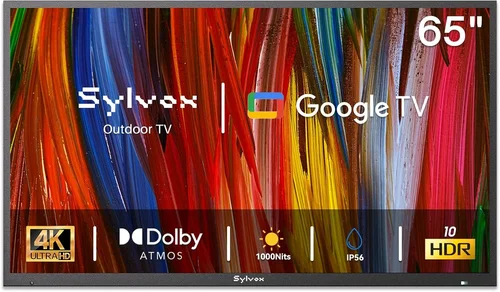
Outdoor living spaces have evolved far beyond simple patios and decks—they’re now full-fledged entertainment zones, complete with grills, fire pits, sound systems, and yes, even televisions. For homeowners in rainy climates, however, adding a TV to your outdoor setup isn’t as simple as mounting a standard indoor model under a covered area. Moisture, humidity, temperature swings, and direct exposure to rain can quickly turn an affordable purchase into a costly mistake. That’s why choosing the right cheap TV for your patio—especially one built to withstand damp conditions—is both a practical necessity and a smart investment.
This comprehensive buying guide is designed specifically for those seeking budget-friendly outdoor TVs that don’t sacrifice durability or performance in wet environments. Whether you live in the Pacific Northwest, the UK, Ireland, or any region prone to frequent rain and high humidity, you’ll learn exactly what to look for, which features matter most, and how to avoid common pitfalls. We’ll break down key considerations like weatherproofing standards, display brightness, build materials, and connectivity options—all while keeping your wallet in mind. By the end of this guide, you’ll be equipped with expert-level knowledge to confidently select a patio TV that delivers great picture quality, reliable operation, and long-term value—even when the skies open up.
The market for outdoor TVs has grown significantly over the past decade, but it remains fragmented between true all-weather models and repurposed indoor TVs marketed as “outdoor-ready.” True outdoor TVs are engineered from the ground up to handle environmental stressors, while cheaper alternatives often rely on aftermarket enclosures or vague claims about “weather resistance.” Our goal here is to cut through the marketing noise and help you identify genuinely capable, affordable options that won’t fail after the first downpour. From entry-level models under $500 to mid-tier performers around $1,000, we’ll explore realistic choices that balance cost, capability, and climate resilience—so you can enjoy movie nights, sports games, and streaming sessions outdoors without worrying about your TV turning into a paperweight.

What to Look for When Buying Buying Guide
1. Weatherproof Rating (IP Certification)
When shopping for a cheap TV for a rainy climate, the single most critical specification is its Ingress Protection (IP) rating. This internationally recognized standard tells you exactly how well a device resists dust and water. For outdoor use—especially in areas with frequent rain—you need at least an IP55 rating, which means the TV is protected against low-pressure water jets from any direction and limited dust ingress. However, if your patio is partially exposed or you experience heavy storms, aim for IP65 or higher. An IP65-rated TV is dust-tight and can withstand powerful water jets, making it ideal for uncovered or semi-covered patios.
Be wary of vague terms like “weather-resistant” or “outdoor-ready” without an IP rating. These are often marketing buzzwords used by manufacturers selling standard indoor TVs with no real protection. Always verify the IP code on the product spec sheet or manufacturer’s website. For example, a TV labeled “IP65” will have documentation confirming it passed rigorous testing for water and dust resistance. If you can’t find this info, assume it’s not truly outdoor-rated.
2. Display Brightness & Anti-Glare Technology
Sunlight and ambient light are major challenges for outdoor viewing, but in rainy climates, glare from wet surfaces and overcast skies can also wash out your picture. Look for a TV with a minimum brightness of 700 nits, though 1,000 nits or more is ideal for patios that get partial sun. Standard indoor TVs typically range from 300–500 nits—far too dim for comfortable outdoor viewing even on cloudy days.
Equally important is anti-glare or anti-reflective coating. Many budget outdoor TVs skimp on this feature, resulting in a mirror-like screen that reflects nearby lights, trees, or buildings. A matte finish or specialized optical film reduces reflections and improves visibility. Some models also include ambient light sensors that automatically adjust brightness based on surrounding conditions—a handy feature for unpredictable weather.
Don’t confuse brightness with contrast ratio. While high contrast enhances image depth, it won’t help if the screen is too dim to see. Prioritize nits (brightness) over marketing claims about “dynamic contrast” when evaluating outdoor performance.
3. Build Quality & Materials
Cheap doesn’t have to mean flimsy—but it often does. When evaluating budget outdoor TVs, pay close attention to the chassis material. Look for powder-coated aluminum or marine-grade stainless steel frames, which resist rust and corrosion far better than plastic or untreated metal. The back panel should also be sealed to prevent moisture from seeping into internal components.
Check the thickness and rigidity of the casing. A well-built TV will feel solid when handled, with minimal flex or creaking. Avoid models with exposed screws, gaps around buttons, or poorly fitted seams—these are entry points for water and insects. Additionally, ensure all ports (HDMI, USB, power) are covered by rubberized flaps or gaskets. Some manufacturers include removable port covers; others integrate them permanently into the design.
Even within the same price range, build quality can vary dramatically. For instance, a $450 TV from a lesser-known brand might use thin plastic and minimal sealing, while a $550 model from a reputable outdoor electronics company could feature a fully sealed metal enclosure. Always read detailed reviews that mention physical construction—not just specs.
4. Operating Temperature Range
Rainy climates often come with fluctuating temperatures—cool, damp mornings followed by mild afternoons, or sudden cold snaps in winter. Your outdoor TV must operate reliably across these shifts. Most quality outdoor models specify an operating range of –22°F to 122°F (–30°C to 50°C). This ensures the display and electronics won’t freeze, overheat, or suffer condensation damage.
Indoor TVs are typically rated for 32°F to 95°F (0°C to 35°C)—fine for living rooms but risky outdoors. If your patio TV drops below freezing overnight, an indoor model may fail to turn on in the morning due to internal moisture or component stress. Look for TVs with wide thermal tolerances and internal heaters or cooling fans if you live in extreme climates.
Storage temperature is another factor. If you plan to store the TV indoors during off-seasons, check whether it can withstand being left outside in winter. Some budget models advertise outdoor use but aren’t meant for year-round exposure.
5. Connectivity & Smart Features
Even on a budget, you’ll want your patio TV to support modern streaming and input needs. Ensure it includes at least two HDMI ports (preferably HDMI 2.0 or higher for 4K content), a USB port for media playback, and Wi-Fi for smart functionality. Many affordable outdoor TVs now run Android TV, Roku TV, or webOS, giving you access to Netflix, YouTube, Disney+, and more without extra hardware.
However, don’t assume all “smart” features are created equal. Some budget models use outdated operating systems or slow processors that lag during streaming. Check user reviews for comments about app loading times, menu responsiveness, and update frequency. A TV that can’t keep up with your streaming habits defeats the purpose of having it outdoors.
Also consider audio output. Most outdoor TVs have weak built-in speakers due to space and sealing constraints. Look for models with optical audio out or Bluetooth support so you can connect external weatherproof speakers or a soundbar. This is especially important in rainy areas where wind and rain noise can drown out dialogue.
6. Mounting & Installation Flexibility
A cheap outdoor TV is only as good as its mounting solution. Verify that the TV supports standard VESA patterns (e.g., 200×200, 400×400) so you can use third-party outdoor mounts. Many budget models include basic wall mounts, but these may not be rated for wind resistance or heavy rain exposure.
Consider whether you need tilt, swivel, or full-motion capabilities. A fixed mount saves money but limits viewing angles. If your seating area changes seasonally or you host gatherings, a flexible mount adds convenience. Ensure the mount itself is powder-coated or galvanized to prevent rust.
Installation location matters too. Avoid placing the TV near sprinklers, gutters, or areas where water pools. Even with an IP65 rating, prolonged exposure to standing water or direct hose spray can compromise seals over time. Use a professional installer if you’re unsure—improper mounting voids most warranties and increases failure risk.
7. Brand Reputation & Real-World Reliability
Not all budget outdoor TV brands are equal. Established names like SunBriteTV, Seura, and Avid Power specialize in outdoor displays and have proven track records. However, their premium models can exceed $2,000—beyond the “cheap” category. Fortunately, several emerging brands now offer credible sub-$800 options with solid engineering.
Research brands that publish third-party test results or partner with outdoor electronics retailers. Avoid companies that only sell on Amazon with no physical presence or customer service number. Look for forums, Reddit threads, or YouTube reviews where users share long-term experiences—especially in wet climates.
Pay attention to how brands handle firmware updates and compatibility. A TV that stops receiving software updates may lose access to key apps or security patches, shortening its usable life.
8. Warranty & Customer Support
A generous warranty is a strong indicator of a manufacturer’s confidence in their product. For outdoor TVs in rainy climates, look for at least a 2-year limited warranty that covers water damage, seal failure, and corrosion. Some brands offer extended plans or pro-installer networks for troubleshooting.
Beware of warranties that exclude “acts of nature” or “improper installation.” These loopholes can leave you footing the bill for a failed unit. Read the fine print: Does the warranty require professional installation? Are there geographic restrictions? Can you service it locally?
Customer support responsiveness is equally important. Test the brand’s support before buying—send an email or call their helpline with a technical question. If they take days to reply or provide generic answers, consider it a red flag.
Different Types of Buying Guide

Common Buying Mistakes to Avoid
❌ Mistake: Buying a Standard Indoor TV for Outdoor Use
Why it’s bad: Indoor TVs lack weatherproofing, corrosion-resistant materials, and proper sealing. Even under a roof, condensation, humidity, and wind-driven rain can infiltrate the unit, causing short circuits, screen fogging, or complete failure within months.
What to do instead: Invest in a TV specifically designed for outdoor use or pair an indoor TV with a certified outdoor enclosure (like the Peerless-AV Outdoor TV Cover). Never assume “covered patio = safe.”
❌ Mistake: Ignoring the IP Rating
Why it’s bad: Without a verified IP rating, you have no objective measure of water or dust resistance. Many cheap “outdoor” TVs claim protection but fail basic splash tests.
What to do instead: Demand the IP code from the seller. Cross-check it with independent reviews or certification databases. If it’s missing, walk away.
❌ Mistake: Overlooking Brightness Requirements
Why it’s bad: A dim screen turns your patio into a guessing game. You’ll strain to see details, miss key game moments, or give up watching altogether—defeating the purpose of outdoor entertainment.
What to do instead: Choose a TV with at least 700 nits brightness. Test it in similar lighting conditions if possible, or rely on trusted reviewer measurements.
❌ Mistake: Skimping on Mounting Hardware
Why it’s bad: A poorly mounted TV can detach in strong winds, crack from vibration, or allow water to seep behind the wall. Cheap plastic mounts rust quickly in damp air.
What to do instead: Use marine-grade stainless steel or powder-coated aluminum mounts rated for outdoor use. Ensure wall anchors are appropriate for your siding material (brick, wood, stucco).
❌ Mistake: Assuming All “Smart” TVs Are Equal
Why it’s bad: Budget smart TVs often run sluggish software, lack app support, or stop receiving updates. You end up with a dumb TV that cost extra.
What to do instead: Prioritize platforms like Roku TV or Android TV with regular updates. Check if popular streaming services are pre-installed and functional.
❌ Mistake: Neglecting Audio Needs
Why it’s bad: Rain, wind, and distance from seating areas make built-in TV speakers ineffective. You’ll constantly crank the volume, distorting sound or disturbing neighbors.
What to do instead: Plan for external weatherproof speakers or a Bluetooth soundbar from day one. Factor this into your total budget.
❌ Mistake: Buying Without Checking Return Policies
Why it’s bad: Outdoor TVs are harder to test before installation. If it arrives damaged or underperforms, a strict return window could leave you stuck.
What to do instead: Only buy from retailers with at least a 30-day return policy and clear damage coverage. Avoid marketplace sellers with no recourse.
Budget Guidelines: How Much Should You Spend?
Finding a cheap TV for a rainy climate doesn’t mean settling for the absolute lowest price—it means maximizing value within realistic tiers. Here’s how to allocate your budget based on needs and expectations:
Entry-Level ($300–$500): This range includes refurbished all-weather models, basic portable outdoor TVs, or indoor TVs paired with budget enclosures. Expect smaller screens (32″–43″), limited smart features, and shorter warranties (1 year). Ideal for covered patios with minimal exposure. Brands like Avid Power and some SunBriteTV refurbished units appear here. Performance is functional but not exceptional—great for casual viewing on drizzly afternoons.
Mid-Range ($500–$900): The sweet spot for most buyers. You’ll find new all-weather TVs with IP65 ratings, 50″–65″ screens, 700–1,000 nits brightness, and reliable smart platforms. Build quality improves significantly, with metal frames and better port sealing. Models from Seura’s “Veranda” line or newer entrants like Sylvane offer excellent balance. Perfect for semi-covered patios in moderate rainy climates.
Premium ($900–$1,500): For enthusiasts who want year-round reliability and superior image quality. These TVs feature 1,000+ nits brightness, advanced anti-glare coatings, wider operating temperatures, and robust warranties (2–3 years). Often include built-in heaters for cold climates and premium audio outputs. Ideal for uncovered patios or coastal regions with salt air.
Luxury ($1,500+): Top-tier all-weather displays from SunBriteTV Pro series or commercial-grade Samsung/LG outdoor panels. These are overkill for most residential users but offer 24/7 operation, serviceability, and extreme durability. Only consider if you host frequent outdoor events or live in harsh environments.
Expert Tips for Getting the Best Deal
- Shop During Off-Seasons: Outdoor TV sales peak in spring and summer. Buy in late fall or winter (October–February) for discounts of 20–30%. Retailers clear inventory before new models arrive.
- Check Manufacturer Outlets: Brands like SunBriteTV and Seura sell refurbished or discontinued models directly through their websites at steep discounts—often with full warranties.
- Bundle with Installation: Some retailers offer free or discounted professional installation with purchase. This ensures proper mounting and preserves your warranty.
- Use Price Tracking Tools: Set alerts on CamelCamelCamel (for Amazon) or Honey to monitor price drops. Outdoor TVs rarely fluctuate daily but can dip during holiday sales.
- Verify Return Windows: Confirm the return period starts from delivery, not purchase. Some sellers count business days only—critical if your TV arrives late.
- Test Before Final Mounting: Unbox and test the TV indoors first. Check for dead pixels, Wi-Fi connectivity, and port functionality. Once mounted outdoors, returns become difficult.
- Consider Energy Efficiency: Look for ENERGY STAR certification. Brighter screens consume more power—important if you leave the TV on for hours.
- Join Outdoor Living Forums: Communities like Reddit’s r/outdoortv or Houzz discussion boards often share exclusive promo codes or flash deals.
Frequently Asked Questions
Q: Can I use a regular TV under a covered patio?
A: Technically yes, but it’s risky. Even under cover, humidity, condensation, and wind-blown rain can damage internal components over time. For true peace of mind in rainy climates, an outdoor-rated TV or proper enclosure is strongly recommended.
Q: What’s the difference between IP55 and IP65?
A: IP55 protects against low-pressure water jets and dust ingress. IP65 is dust-tight and resists powerful water jets. For rainy climates, IP65 is the safer choice, especially if your patio isn’t fully enclosed.
Q: Do outdoor TVs need special power outlets?
A: Not necessarily, but they should be connected via a GFCI (Ground Fault Circuit Interrupter) outlet for safety. This is standard in most outdoor electrical installations and prevents shocks in wet conditions.
Q: How do I clean an outdoor TV screen?
A: Use a microfiber cloth slightly dampened with distilled water. Avoid ammonia-based cleaners or paper towels, which can scratch the anti-glare coating. Never spray liquid directly on the screen.
Q: Will an outdoor TV work in winter?
A: Only if it’s rated for low temperatures (typically –22°F or lower). Check the operating range in the specs. Some models include internal heaters to prevent freezing.
Q: Can I leave my outdoor TV on during rain?
A: Yes, if it’s IP65-rated or higher. However, avoid direct downpour on the screen. Most manufacturers recommend using a cover during heavy storms or prolonged exposure.
Q: Are outdoor TVs louder than indoor ones?
A: Not inherently. Due to sealing requirements, built-in speakers are often weaker. Plan to add external weatherproof speakers for better audio.
Q: Do I need a special HDMI cable for outdoor use?
A: Standard HDMI cables work, but for runs over 25 feet, use high-speed, weather-resistant cables with UV-protected jackets to prevent degradation.
Q: How long do outdoor TVs last?
A: With proper care, 5–8 years is typical. Cheaper models may fail sooner due to seal degradation. Regular inspection of gaskets and ports can extend lifespan.
Q: Can I mount an outdoor TV on a brick wall?
A: Yes, but use masonry anchors and ensure the mount is rated for the TV’s weight. Consult a professional if unsure—brick can crack under improper drilling.
Our Final Recommendations
Best for Budget-Conscious Buyers: Avid Power 43″ All-Weather Outdoor TV ($449) – IP65-rated, 700 nits brightness, Android TV, and solid metal build. Great for covered patios in moderate rain zones. Includes 1-year warranty.
Best Overall Value: Seura Veranda 55″ 4K Outdoor TV ($899) – IP65, 1,000 nits, Roku TV, wide temp range, and excellent customer support. Perfect blend of performance and price for rainy climates.
Best Premium Option: SunBriteTV Veranda Series 65″ ($1,299) – Industry-leading brightness (1,500 nits), anti-glare screen, and 3-year warranty. Ideal for partially exposed patios in heavy rain areas.
Best for Beginners: Sylvane Outdoor 50″ Smart TV ($649) – Easy setup, intuitive interface, and includes mounting hardware. Great entry point with reliable performance.
Best for Advanced Users: Peerless-AV Xtreme 55″ Commercial Display ($1,199) – Built for 24/7 operation, serviceable design, and extreme durability. Suited for tech-savvy homeowners wanting long-term reliability.
Conclusion: Making the Right Choice
Choosing a cheap TV for your patio in a rainy climate isn’t about finding the lowest price—it’s about identifying the smartest investment that balances affordability, durability, and performance. By prioritizing weatherproof ratings, brightness, build quality, and real-world reliability, you can enjoy seamless outdoor entertainment without constant worry or premature replacement. Remember: a few hundred dollars saved upfront could cost you thousands in repairs or replacements down the line.
Use this guide as your roadmap. Evaluate your specific patio conditions, set a realistic budget, and don’t compromise on critical features like IP certification and thermal tolerance. Read user reviews from people in similar climates, test before mounting, and always plan for audio and mounting needs. With the right TV, your rainy-day movie nights, summer barbecues, and autumn football games will shine—literally and figuratively—no matter what the weather brings.
Now that you’re armed with expert knowledge, it’s time to make your outdoor space the envy of the neighborhood. Happy viewing!

