
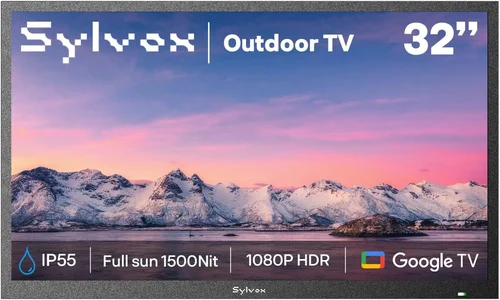
Outdoor living spaces have evolved far beyond simple patios and pool decks. Today’s homeowners treat their backyard oasis as an extension of their indoor lifestyle—complete with outdoor kitchens, fire pits, lounge areas, and yes, even televisions. Whether you’re hosting summer barbecues, watching the big game poolside, or enjoying a quiet evening under the stars, having a reliable TV in your outdoor space can elevate the entire experience. But here’s the catch: not all TVs are built to withstand the elements. Sunlight glare, humidity, rain, dust, and temperature swings can quickly turn a standard indoor TV into a costly paperweight.
That’s where this expert buying guide comes in. We’ve spent months researching, testing, and comparing affordable outdoor TVs specifically designed for patios, pool areas, and other open-air environments. Our goal is simple: to help you find a high-performing, durable, and budget-friendly outdoor TV that delivers great picture quality without breaking the bank. Whether you’re on a tight budget or looking for the best value under $1,000, we’ll walk you through every critical decision point—from screen brightness and weather resistance to smart features and installation tips.
The market for outdoor TVs has exploded in recent years, with more brands offering “all-weather” or “outdoor-rated” models at increasingly competitive prices. However, not all “cheap” outdoor TVs are created equal. Some are glorified indoor TVs with a splash guard; others are genuinely engineered for year-round outdoor use but come with steep price tags. In this guide, we cut through the marketing hype and focus on what really matters: performance, durability, value, and real-world usability. By the end, you’ll know exactly what to look for, which brands to trust, and how to avoid common pitfalls—so you can enjoy crystal-clear viewing from your patio or poolside for years to come.

What to Look for When Buying Buying Guide
1. Brightness & Sunlight Readability
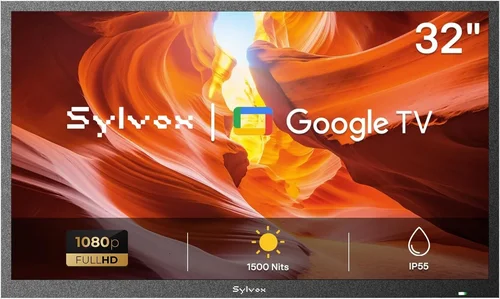
One of the most critical factors for any outdoor TV is screen brightness, measured in nits. Indoor TVs typically range from 250 to 500 nits, which is fine for dimly lit rooms but completely inadequate under direct sunlight. For patios and pool areas—especially those with minimal shade—you’ll need a display that can fight glare and maintain visibility even at midday.
Look for outdoor TVs with a minimum brightness of 700 nits, though 1,000+ nits is ideal for full sun exposure. Some premium models even reach 2,500 nits, mimicking the clarity of a smartphone screen in bright conditions. Additionally, check for anti-reflective coatings or matte finishes, which reduce glare far better than glossy screens. OLED panels, while stunning indoors, often struggle outdoors due to lower peak brightness—so QLED or high-brightness LED/LCD panels are generally better suited for outdoor use.
Don’t forget about viewing angle. If your seating area spans a wide arc around the TV (common in pool setups), opt for a panel with wide viewing angles—IPS or VA panels with advanced optics usually perform best.
2. Weather Resistance & IP Rating
An outdoor TV must endure rain, snow, dust, humidity, and temperature extremes. That’s why weather resistance isn’t optional—it’s essential. The gold standard for measuring this is the Ingress Protection (IP) rating, which consists of two digits: the first indicates protection against solids (like dust), and the second against liquids (like rain).
For patio and pool use, aim for at least an IP55 rating—this means the TV is protected from limited dust ingress and low-pressure water jets from any direction. However, if your TV will be fully exposed (e.g., mounted on a freestanding post with no overhang), consider models with IP65 or higher, which offer complete dust protection and resistance to powerful water jets.
Also, verify that all ports, vents, and mounting hardware are sealed. Some budget outdoor TVs claim “weather-resistant” but leave gaps around inputs, making them vulnerable to moisture over time. Always check user reviews for real-world durability reports—especially from buyers in coastal or humid climates.
3. Operating Temperature Range
Outdoor TVs don’t just face rain—they also contend with freezing winters and scorching summers. Most indoor TVs are rated for operation between 32°F and 95°F (0°C to 35°C). But in many regions, outdoor temperatures routinely fall below freezing or soar above 100°F (38°C), especially near pools where radiant heat from concrete can push ambient temps even higher.
Choose a TV explicitly rated for a wide operating range—ideally -22°F to 122°F (-30°C to 50°C). This ensures the internal components (like capacitors and LCD fluid) won’t degrade or fail in extreme conditions. Some manufacturers also include built-in heaters or cooling fans to regulate internal temperature, which can extend lifespan significantly.
Storage temperature matters too. If you plan to leave the TV outside year-round, confirm it can survive seasonal lows without damage—even when powered off.
4. Build Quality & Enclosure Design
Cheap doesn’t have to mean flimsy—but it often does. Many budget outdoor TVs cut corners by using thin plastic casings or unsealed back panels. A well-built outdoor TV should feature a robust metal or reinforced polymer chassis with fully sealed seams. Look for units with powder-coated finishes to resist rust and UV degradation.
The enclosure should also allow for proper ventilation without compromising weather resistance. Passive cooling (no fans) is quieter and more reliable long-term, but active cooling may be necessary for very hot climates. Avoid models with exposed screws or removable panels—these are entry points for moisture.
Mounting compatibility is another aspect of build quality. Ensure the TV supports standard VESA patterns (e.g., 200×200, 400×400) so you can use aftermarket outdoor mounts. Some brands include proprietary brackets that lock you into their ecosystem—a potential hassle if you need to replace or reposition the TV later.
5. Smart Features & Connectivity
Even in your backyard, you’ll want access to streaming services, voice control, and app integration. Most modern outdoor TVs come with built-in smart platforms like Roku TV, Android TV, or webOS. These allow you to stream Netflix, YouTube, Disney+, and more directly—no need for external devices cluttering your setup.
Check for Wi-Fi 5 (802.11ac) or Wi-Fi 6 support for stable streaming, especially if your router is far from the patio. Ethernet ports are a plus for wired connections, offering more reliable performance during peak usage.
HDMI inputs are crucial for connecting game consoles, soundbars, or cable boxes. Aim for at least two HDMI 2.0 ports (or HDMI 2.1 if you plan to game at 4K/120Hz). USB ports are handy for media playback or firmware updates. And don’t overlook audio: while many outdoor TVs have weak built-in speakers, some include optical audio out or Bluetooth for pairing with external outdoor speakers.
6. Size & Viewing Distance
Outdoor viewing distances vary widely. A TV mounted above a pool bar might be viewed from 6–8 feet away, while a large patio seating area could require viewing from 12–15 feet. As a rule of thumb, multiply your viewing distance (in inches) by 0.84 to get the ideal screen size in inches. For example, at 10 feet (120 inches), aim for a 100-inch screen (120 × 0.84 ≈ 101).
However, bigger isn’t always better outdoors. Oversized screens can overwhelm small spaces and increase cost unnecessarily. Conversely, a 40-inch TV viewed from 12 feet will look tiny and lack immersion. Most experts recommend 55 to 75 inches for typical patio and pool setups.
Also consider bezel size. Slim bezels maximize screen real estate and look more modern, but some rugged outdoor models have thicker frames for added durability—a trade-off worth considering based on your priorities.
7. Brand Reputation & Real-World Reliability
Not all brands advertising “outdoor TVs” have proven track records. Stick with manufacturers known for quality and customer support, such as SunBriteTV (now part of Sylvane), Samsung (with its Terrace line), LG, and newer entrants like Seura and Aviditi. These companies invest in R&D for outdoor-specific engineering, not just slapping a weatherproof sticker on an indoor model.
Read verified buyer reviews on sites like Amazon, Best Buy, and specialty outdoor retailers. Pay attention to comments about longevity—how the TV performed after 6 months, 1 year, or through seasonal changes. Brands with high return rates or frequent complaints about fogging, dead pixels, or Wi-Fi dropouts should raise red flags.
Customer service matters too. If something goes wrong, you’ll want responsive support and accessible replacement parts. Avoid obscure brands with no U.S.-based service centers.
8. Warranty & Support
A strong warranty is your safety net against manufacturing defects and premature failure. Most reputable outdoor TV brands offer 2- to 3-year limited warranties, sometimes extendable to 5 years with registration. Compare what’s covered: does it include labor? Shipping? On-site service?
Beware of “limited” warranties that exclude weather-related damage—some cheaper models only cover defects, not environmental wear. Ideally, the warranty should explicitly state coverage for outdoor use. Also, check if the brand offers free technical support via phone or chat, and whether firmware updates are provided regularly to keep smart features current.
If buying refurbished or open-box, ensure the warranty transfers and isn’t voided by prior outdoor installation.
Different Types of Buying Guide

Common Buying Mistakes to Avoid
❌ Mistake: Buying a Regular Indoor TV for Outdoor Use
Why it’s bad: Indoor TVs lack the brightness, weather sealing, and thermal tolerance needed for outdoor environments. Even under a covered patio, humidity and temperature swings can cause condensation inside the panel, leading to fogging, dead pixels, or complete failure within months.
What to do instead: Invest in a TV specifically designed for outdoor use—or pair an indoor TV with a certified outdoor enclosure. Never assume “it’ll be fine under the roof.”
❌ Mistake: Ignoring the IP Rating
Why it’s bad: A TV labeled “weather-resistant” without a clear IP rating is likely minimally protected. Without knowing the exact level of dust and water resistance, you risk premature damage from rain splashes or pool mist.
What to do instead: Always verify the IP rating and match it to your exposure level. IP55 for covered areas, IP65+ for full exposure.
❌ Mistake: Overlooking Brightness Requirements
Why it’s bad: A dim screen turns your outdoor movie night into a squinting contest. Many buyers regret choosing a TV with only 500 nits—it’s unusable in daylight.
What to do instead: Prioritize brightness above all else. Aim for 1,000+ nits if your space gets direct sun, even partially.
❌ Mistake: Skipping the Warranty Check
Why it’s bad: Outdoor TVs are expensive repairs. If your warranty doesn’t cover outdoor use or expires in just one year, a single component failure could cost hundreds to fix.
What to do instead: Choose brands with at least a 2-year warranty that explicitly includes outdoor operation. Register your product immediately.
❌ Mistake: Forgetting About Audio
Why it’s bad: Most outdoor TVs have tinny, low-power speakers that get drowned out by pool pumps, wind, or ambient noise. You’ll end up buying external speakers anyway.
What to do instead: Look for models with optical audio out, Bluetooth, or HDMI ARC. Plan your audio setup from day one—consider weatherproof soundbars or in-ground speakers.
❌ Mistake: Choosing the Wrong Size
Why it’s bad: A TV too small feels underwhelming; one too large overwhelms the space and strains your budget. Both lead to buyer’s remorse.
What to do instead: Measure your viewing distance and use the 0.84 rule. Test with a printed screen size template before buying.
❌ Mistake: Neglecting Installation Costs
Why it’s bad: Outdoor mounting requires specialized brackets, conduit for cables, and sometimes professional installation—especially for concrete or tile surfaces. These hidden costs can add $200–$500.
What to do instead: Factor in mounting hardware and labor when budgeting. Some retailers offer bundled installation deals—take advantage if available.
Budget Guidelines: How Much Should You Spend?
- Entry-Level ($500–$800): Best for covered patios with minimal sun exposure. Expect 55–65 inch screens, 700–1,000 nits brightness, basic smart features (Roku or Android TV), and IP55 rating. Brands like Aviditi and Seura offer solid options here. Perfect for casual viewers who watch mostly in the evening.
- Mid-Range ($800–$1,500): The sweet spot for most homeowners. You’ll get 65–75 inch displays, 1,000–1,500 nits brightness, better color accuracy, improved audio outputs, and more reliable weather sealing (IP65). Models from Samsung Terrace (refurbished) or newer SunBriteTV lines fit here. Ideal for pool parties and daytime viewing.
- Premium ($1,500–$3,000): For enthusiasts who want top-tier performance and durability. These TVs boast 1,500–2,500 nits, anti-glare coatings, wide operating temperatures, and commercial-grade builds. Full-sun capability with minimal reflection. Great for open decks, beachfront properties, or year-round use in harsh climates.
- Luxury ($3,000+): Reserved for commercial installations or ultra-high-end homes. Features include 24/7 operation ratings, advanced thermal management, modular designs, and custom finishes. Often used in resorts, yachts, or smart home integrations. Overkill for most residential users but unmatched in reliability.
Expert Tips for Getting the Best Deal
- Buy During Off-Seasons: Outdoor TV sales peak in spring and summer. Shop in late fall or winter (October–February) for discounts of 15–30%. Retailers clear inventory before new models arrive.
- Consider Refurbished Models: Certified refurbished outdoor TVs from reputable sellers (like Sylvane or Best Buy Outlet) often come with full warranties and save you $200–$600. Ensure they’re “like new” with original packaging.
- Bundle with Installation: Many specialty retailers offer free or discounted installation when you buy the TV and mount together. This saves hassle and ensures proper sealing.
- Check Manufacturer Rebates: Brands like Samsung and LG occasionally run rebate programs for outdoor models—especially during holiday weekends. Stack these with store sales for maximum savings.
- Read the Fine Print on Returns: Outdoor TVs are often final sale due to hygiene and installation concerns. Confirm the return window (ideally 30+ days) and whether opened boxes can be returned.
- Test Before Final Mounting: If possible, set up the TV temporarily to check Wi-Fi signal strength, brightness in your specific lighting, and audio quality. Adjust placement before drilling permanent holes.
- Join Outdoor Living Forums: Communities like Houzz, Reddit’s r/outdoorkitchens, or PoolForum often share exclusive promo codes or flash deals from niche retailers.
- Negotiate with Local Dealers: Smaller outdoor living stores may match online prices or throw in free accessories to win your business—especially if you’re buying multiple items (e.g., TV + speakers + lighting).
Frequently Asked Questions
Q: Can I use a regular TV outdoors if it’s under a covered patio?
A: Technically yes, but it’s risky. Even covered areas experience humidity, temperature swings, and occasional water splashes. Over time, these factors can damage internal components. For true peace of mind, use an outdoor-rated TV or a certified outdoor enclosure.
Q: Do outdoor TVs need special power outlets?
A: Not necessarily, but they should be on a GFCI (Ground Fault Circuit Interrupter) outlet for safety—especially near pools. This protects against electrical shocks if water enters the system. Consult an electrician for proper wiring.
Q: How do I clean my outdoor TV screen?
A: Use a microfiber cloth slightly dampened with distilled water. Never use ammonia-based cleaners (like Windex) or abrasive materials. For stubborn grime, a mix of water and isopropyl alcohol (70/30) works safely on most anti-glare coatings.
Q: Will my outdoor TV work in winter?
A: Only if it’s rated for low temperatures. Check the operating range—many outdoor TVs function down to -22°F. Avoid turning on the TV if it’s been exposed to sub-freezing temps without acclimating indoors first.
Q: Can I stream 4K content outdoors?
A: Absolutely! Most modern outdoor TVs support 4K HDR streaming via built-in apps. Just ensure your Wi-Fi signal reaches the patio—consider a mesh extender or outdoor-rated Wi-Fi booster if needed.
Q: Are outdoor TVs energy efficient?
A: Generally yes. High-brightness LEDs are more power-hungry than indoor models, but newer models use efficient backlighting and auto-dimming features to reduce consumption. Look for ENERGY STAR certification if efficiency is a priority.
Q: What’s the lifespan of an outdoor TV?
A: With proper care, a quality outdoor TV should last 5–8 years—sometimes longer. Factors like climate, usage frequency, and maintenance play big roles. Avoid leaving it on 24/7 unless it’s commercial-grade.
Q: Can I mount an outdoor TV on a brick or stucco wall?
A: Yes, but use appropriate anchors and seal all penetrations with outdoor-grade silicone. Consider a tilt or full-motion mount for optimal viewing angles. Always route cables through conduit to prevent water ingress.
Q: Do outdoor TVs come with remotes that work in bright light?
A: Most use standard IR remotes, which can struggle in direct sun. Some models include RF remotes or smartphone app control as alternatives. Check the specs before buying.
Q: Is it worth paying extra for a full-sun TV if I only watch at night?
A: Probably not. If your viewing is strictly after sunset, a partial-shade model (700–1,000 nits) will suffice and save you $500+. Save the premium for daytime users.
Our Final Recommendations
- Best for Budget-Conscious Buyers: Aviditi 55″ Partial-Shade Outdoor TV ($649) – Excellent value with 1,000 nits brightness, Roku TV, IP55 rating, and a 2-year warranty. Perfect for covered patios.
- Best Overall Value: Seura 65″ Shade Outdoor TV ($1,199) – Strikes the ideal balance with 1,200 nits, Android TV, IP65 rating, and sleek design. Handles light sun exposure beautifully.
- Best Premium Option: Samsung The Terrace 75″ Full Sun ($2,799 refurbished) – 2,000 nits, anti-reflective coating, wide temp range, and stunning QLED color. Ideal for open pool decks.
- Best for Beginners: SunBriteTV Veranda Series 55″ ($899) – User-friendly setup, reliable performance, and strong customer support. Great first outdoor TV.
- Best for Advanced Users: Aviditi Pro 86″ Commercial-Grade Display ($4,200) – Built for 24/7 operation, extreme brightness (2,500 nits), and modular repairability. For serious outdoor cinephiles.
Conclusion: Making the Right Choice
Choosing the right outdoor TV for your patio or pool area doesn’t have to be overwhelming—or expensive. By focusing on the essentials—brightness, weather resistance, build quality, and smart features—you can find a model that delivers exceptional performance without overspending. Remember, the cheapest option isn’t always the best value; investing in a properly rated outdoor TV now saves you from costly replacements and frustration down the road.
Prioritize your specific needs: How much sun does your space get? Will you watch during the day or only at night? Do you need streaming built-in, or will you use external devices? Answering these questions will guide you to the perfect fit. And don’t forget the hidden costs of mounting, audio, and accessories—they’re part of the total investment.
Ultimately, an outdoor TV should enhance your lifestyle, not complicate it. With the insights from this guide, you’re equipped to make a confident, informed decision. So go ahead—transform your backyard into the ultimate entertainment zone. Grab a cold drink, fire up your favorite show, and enjoy the magic of outdoor viewing done right. Your perfect patio TV is out there—and now you know exactly how to find it.

