
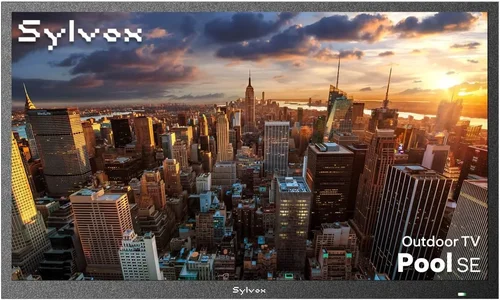
Welcome to your complete guide for finding the perfect cheap TV for your patio or pergola in 2026. Whether you’re dreaming of backyard movie nights, catching the big game under the stars, or simply enjoying your favorite shows while grilling, having a reliable outdoor TV can transform your outdoor living space into a true entertainment hub. But here’s the catch—most standard indoor TVs aren’t built to handle the elements. Sunlight glare, humidity, temperature swings, and even dust can quickly ruin a regular television. That’s why choosing the right budget-friendly outdoor TV isn’t just about saving money—it’s about getting long-term value, durability, and performance without overspending.
In this comprehensive buying guide, we’ll walk you through everything you need to know to make a smart, informed decision. You’ll learn how to balance cost with essential features like weather resistance, brightness, and smart functionality. We’ll break down the key factors that matter most when shopping for an outdoor TV, compare different types and price ranges, and help you avoid common pitfalls that could lead to buyer’s remorse. By the end of this guide, you’ll have a clear roadmap to find a high-performing, affordable patio TV that fits your space, lifestyle, and budget—no matter whether you’re mounting it under a pergola, on a covered deck, or in a semi-sheltered outdoor room.
The market for outdoor TVs has evolved significantly in recent years. What used to be a niche category dominated by ultra-expensive, fully weatherproof models now includes a growing number of budget-conscious options that deliver impressive performance without breaking the bank. Brands like Samsung, LG, TCL, Hisense, and even specialized outdoor manufacturers like SunBrite and Seura have expanded their offerings to include more accessible models. At the same time, advancements in display technology—like brighter LED panels, anti-glare coatings, and improved smart platforms—have made it easier than ever to enjoy a great viewing experience outdoors. Whether you’re looking for a basic 32-inch model for casual viewing or a larger 55-inch screen for immersive entertainment, there’s never been a better time to invest in a cheap patio TV that doesn’t compromise on quality.

What to Look for When Buying Buying Guide
1. Budget & Price Range
When shopping for a cheap TV for your patio, your budget is the foundation of every decision you’ll make. Outdoor TVs can range from under $300 for basic models to over $3,000 for fully weatherproof, commercial-grade units. However, you don’t need to spend a fortune to get a great viewing experience. For most homeowners, the sweet spot lies between $400 and $800, where you’ll find TVs that offer solid performance, decent brightness, and enough durability for covered outdoor spaces like pergolas or screened-in patios.
Start by setting a realistic budget based on how often you’ll use the TV and how exposed it will be to the elements. If your pergola is fully covered and shielded from direct rain and sun, a standard indoor TV with some protective measures (like a weatherproof cover or enclosure) might suffice. But if your setup is more open, you’ll want to prioritize models with higher brightness and better build quality. Remember, “cheap” doesn’t have to mean “low quality.” Many mid-tier brands now offer excellent value, especially during seasonal sales or clearance events.
Also consider long-term costs. A slightly more expensive TV with better energy efficiency, a longer warranty, or superior durability might save you money over time by reducing the need for replacements or repairs. Avoid the temptation to go for the absolute lowest price if it means sacrificing essential features like brightness or smart functionality—these can make or break your outdoor viewing experience.
2. Performance Specifications
Performance specs are where many budget buyers go wrong. It’s easy to focus on price and size, but overlooking key technical details can lead to disappointment once you’re actually using the TV outside. The most critical spec for outdoor use is brightness, measured in nits. Indoor TVs typically range from 250 to 400 nits, which is fine for a dim living room but completely inadequate for a sunny patio. For outdoor viewing, you’ll want a minimum of 500 nits, with 700 nits or higher being ideal for areas with direct sunlight.
Resolution is another important factor. While 1080p (Full HD) is still available on some budget models, we strongly recommend going with at least 4K UHD (3840 x 2160) for a sharper, more detailed picture—especially on larger screens. Most modern content, including streaming services like Netflix, Disney+, and YouTube, is optimized for 4K, so you’ll get the best experience with a compatible TV. Refresh rate also matters, particularly if you plan to watch sports or fast-paced action. Look for a TV with a 60Hz or higher refresh rate; some models offer 120Hz, which provides smoother motion but may come at a higher price.
Don’t forget about contrast ratio and color accuracy. While these are harder to quantify on spec sheets, they significantly impact how vibrant and lifelike the image appears. TVs with HDR (High Dynamic Range) support—such as HDR10, Dolby Vision, or HLG—offer better contrast and color depth, making outdoor scenes pop even in bright conditions. Finally, check the viewing angle. IPS panels offer wider viewing angles than VA panels, which is helpful if people will be watching from different spots around the patio.
3. Build Quality & Durability
Even if your TV is under a pergola, it’s still exposed to outdoor conditions like humidity, temperature fluctuations, dust, and occasional splashes. That’s why build quality and durability are non-negotiable, especially when you’re trying to save money. A cheap TV that fails after one season isn’t a bargain—it’s a waste. Look for models with robust construction, sealed ports, and corrosion-resistant materials. Some budget-friendly TVs now feature partial weatherproofing, such as IP-rated enclosures or protective coatings on internal components.
Pay attention to the back panel and ventilation. Poorly designed TVs can overheat when mounted in enclosed spaces or exposed to direct sunlight. Make sure there’s adequate airflow around the unit, and avoid covering vents with mounts or enclosures unless they’re specifically designed for outdoor use. Also consider the mounting hardware. A sturdy, rust-resistant wall mount is essential, especially if you’re installing the TV on an exterior wall or pergola beam. Many manufacturers offer compatible outdoor mounts, or you can purchase third-party options with weatherproof coatings.
Another durability factor is the remote control. Standard remotes aren’t built for outdoor use and can easily get damaged by moisture or UV exposure. Some outdoor TVs come with weather-resistant remotes, or you can use a smartphone app for control. If your TV doesn’t include one, consider investing in a universal remote with a protective case or using voice control via smart assistants like Alexa or Google Assistant.
4. Features & Functionality
Modern outdoor TVs come packed with smart features that enhance convenience and usability. The most important is built-in Wi-Fi and streaming capabilities. Look for TVs with popular platforms like Roku TV, Android TV, or webOS, which give you access to thousands of apps, including Netflix, Hulu, Amazon Prime Video, and YouTube. This eliminates the need for external streaming devices like Roku sticks or Apple TV boxes, saving you money and reducing cable clutter.
Voice control is another valuable feature. Many budget TVs now support voice assistants, allowing you to change channels, adjust volume, or search for content using simple voice commands. This is especially useful when you’re cooking, lounging, or entertaining guests. Bluetooth connectivity is also handy for pairing wireless speakers or headphones, giving you flexible audio options without running long cables.
Consider the number and type of ports. You’ll want at least two HDMI ports for connecting devices like gaming consoles, Blu-ray players, or soundbars. USB ports are useful for playing media files or charging devices. Some models also include Ethernet ports for a more stable internet connection, which can improve streaming quality in areas with weak Wi-Fi signals. Finally, check for features like screen mirroring (Miracast or AirPlay), sleep timers, and parental controls—small conveniences that add up to a better user experience.
5. Brand Reputation
Brand reputation matters more than you might think, especially when you’re buying a TV for a challenging environment like a patio. Established brands like Samsung, LG, TCL, and Hisense have proven track records for reliability, customer support, and consistent performance. They also tend to offer better software updates, longer warranties, and more accessible repair services. While lesser-known brands might offer lower prices, they often cut corners on build quality, software, or after-sales support.
That said, don’t dismiss newer or niche brands outright. Some companies specialize in outdoor electronics and have developed innovative solutions for weather resistance and brightness. Brands like SunBrite (now part of Sylvane) and Seura are known for high-end outdoor TVs, but they also offer more affordable lines that are worth considering. Read user reviews and expert ratings to gauge real-world performance. Look for patterns—consistent praise for durability or complaints about overheating, for example—can give you valuable insights.
Another advantage of reputable brands is compatibility with smart home ecosystems. If you already use Alexa, Google Home, or Apple HomeKit, choosing a TV from a compatible brand ensures seamless integration. You can control the TV with your existing devices, set up routines, and even use it as a smart display for security cameras or weather updates.
6. Warranty & Support
A strong warranty is a sign of confidence in a product’s quality—and it’s especially important for outdoor electronics, which face harsher conditions than indoor devices. Most budget TVs come with a standard one-year limited warranty, but some brands offer extended coverage or optional protection plans. Look for warranties that cover both parts and labor, and check whether outdoor use is explicitly included. Some manufacturers void warranties if the TV is used outside, so read the fine print carefully.
Customer support is equally important. If your TV develops a problem, you’ll want responsive, knowledgeable help. Brands with dedicated support lines, online chat, or local service centers are preferable. Check forums and review sites to see how quickly and effectively companies resolve issues. A company that offers free troubleshooting guides, firmware updates, or remote diagnostics can save you time and frustration.
Consider purchasing an extended warranty or protection plan, especially if you live in an area with extreme weather. These plans often cover accidental damage, power surges, and environmental factors that standard warranties exclude. While they add to the upfront cost, they can provide peace of mind and potentially save you hundreds in repair or replacement costs down the line.
7. Size & Portability
Choosing the right size for your patio TV depends on your viewing distance, seating arrangement, and available space. A general rule of thumb is that the optimal screen size is about one-third to one-half the distance (in inches) from the screen to the viewer. For example, if you’re sitting 8 feet (96 inches) away, a 40- to 50-inch TV would be ideal. Larger screens provide a more immersive experience but require more power and may be harder to mount securely.
Portability is another consideration, especially if you plan to move the TV between indoor and outdoor spaces. Some budget models are lightweight and easy to relocate, while others are bulkier and designed for permanent installation. If you want flexibility, look for TVs with detachable stands or compatible with universal mounts. Just make sure any outdoor enclosure or cover is easy to remove and reinstall.
Also think about how the TV will integrate with your pergola or patio design. A slim, modern bezel can blend in with outdoor decor, while a bulky frame might look out of place. Some models come in weather-resistant finishes like matte black or stainless steel, which resist fingerprints and fading. Measure your mounting area carefully, including clearance for ventilation and cable management, to avoid surprises during installation.
8. User Reviews & Ratings
Never underestimate the power of real user feedback. While spec sheets and marketing materials highlight the positives, user reviews reveal how a TV performs in everyday conditions—especially outdoors. Look for reviews from people who have used the TV in similar environments, such as patios, decks, or pergolas. Pay attention to comments about brightness, durability, smart features, and ease of setup.
Check multiple sources, including retailer websites (like Amazon, Best Buy, or Walmart), tech review sites (like CNET, RTINGS.com, or TechRadar), and forums (like Reddit’s r/outdoortech or AVS Forum). Look for patterns: if several users mention the same issue—like poor remote range or overheating—it’s likely a genuine flaw. Conversely, consistent praise for picture quality or weather resistance is a good sign.
Be wary of fake or overly promotional reviews. Genuine reviews often include photos, detailed descriptions, and balanced pros and cons. Use tools like Fakespot or ReviewMeta to analyze review authenticity. Also, check the date of reviews—older models may have been updated, so focus on feedback from the past 6–12 months.
Different Types of Buying Guide

Common Buying Mistakes to Avoid
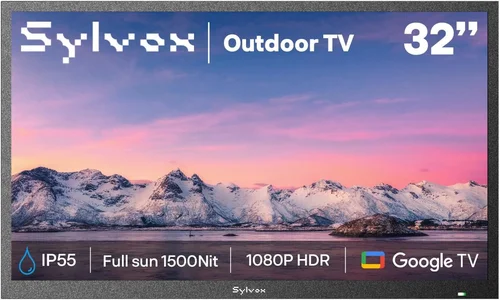
❌ Mistake: Buying a Standard Indoor TV Without Protection
Why it’s bad: Indoor TVs aren’t designed for outdoor conditions. Exposure to moisture, dust, and temperature changes can cause corrosion, screen damage, or electrical failure within months. Even under a pergola, humidity and occasional rain can seep in.
What to do instead: Use a weatherproof outdoor TV enclosure or choose a model specifically rated for outdoor use. These enclosures protect the TV while allowing ventilation and remote control access.
❌ Mistake: Ignoring Brightness (Nits) Ratings
Why it’s bad: A dim TV will look washed out in sunlight, making it hard to see during the day. Many budget buyers focus on price and size but overlook brightness, leading to a frustrating viewing experience.
What to do instead: Aim for at least 500 nits, with 700+ nits ideal for sunny areas. Check spec sheets carefully—some brands list “peak brightness” which isn’t the same as sustained brightness.
❌ Mistake: Overlooking Smart Features
Why it’s bad: Without built-in streaming, you’ll need to buy and connect external devices, adding cost and complexity. Poor smart platforms can also be slow or outdated.
What to do instead: Choose a TV with a modern smart platform like Roku, Android TV, or webOS. Ensure it supports your favorite apps and receives regular software updates.
❌ Mistake: Skimping on Mounting Hardware
Why it’s bad: A weak or non-weatherproof mount can fail, causing the TV to fall and potentially injure someone or damage property. Rust and corrosion are common in outdoor environments.
What to do instead: Invest in a heavy-duty, rust-resistant wall mount rated for outdoor use. Ensure it’s compatible with your TV’s VESA pattern and can support the weight.
❌ Mistake: Not Checking Warranty Coverage for Outdoor Use
Why it’s bad: Many manufacturers void warranties if the TV is used outdoors, even under cover. You could be stuck with repair costs if something goes wrong.
What to do instead: Read the warranty terms carefully. Look for brands that explicitly cover outdoor use or offer extended protection plans for outdoor installations.
❌ Mistake: Choosing the Wrong Size for Viewing Distance
Why it’s bad: A TV that’s too small will be hard to see from a distance, while one that’s too large can be overwhelming and difficult to mount securely.
What to do instead: Use the 1/3 to 1/2 rule: screen size (in inches) should be one-third to one-half the viewing distance (in inches). Measure your space and seating before buying.
❌ Mistake: Forgetting About Audio Quality
Why it’s bad: Built-in TV speakers are often weak and muffled, especially outdoors where sound dissipates quickly. You might not hear dialogue or effects clearly.
What to do instead: Pair your TV with outdoor speakers or a soundbar. Look for models with optical audio output or Bluetooth for easy connectivity.
Budget Guidelines: How Much Should You Spend?
- Entry-Level ($300 – $500): Best for fully covered patios with minimal sun exposure. Expect 32- to 43-inch screens, 4K resolution, basic smart features, and moderate brightness (400-500 nits). These often require outdoor enclosures for protection.
- Mid-Range ($500 – $800): The sweet spot for most buyers. Offers 43- to 55-inch screens, 700+ nits brightness, robust smart platforms, and partial weather resistance. Ideal for pergolas with some sun and light rain exposure.
- Premium ($800 – $1,500): For serious outdoor entertainers. Features full weatherproofing, extreme brightness (1,000+ nits), advanced HDR, and premium audio. Suitable for open patios or high-glare areas.
- Luxury ($1,500+): Top-tier models with commercial-grade durability, 24/7 operation capability, and professional installation support. Best for luxury homes, hotels, or commercial venues.
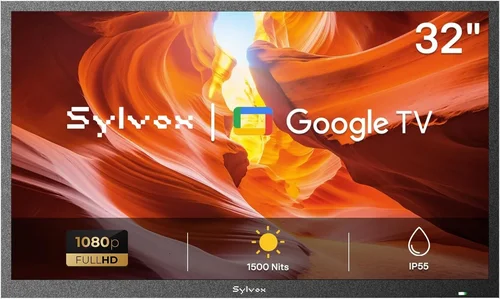
Expert Tips for Getting the Best Deal
- Shop During Seasonal Sales: Look for discounts during Black Friday, Cyber Monday, Amazon Prime Day, and end-of-summer clearance events. Many retailers offer significant markdowns on outdoor electronics.
- Compare Online and In-Store Prices: Use price comparison tools like Google Shopping or Honey to find the best deals. Sometimes in-store pickup offers additional savings or bundled accessories.
- Check for Open-Box or Refurbished Models: These can save you 20-40% off retail price. Ensure they come with a warranty and are certified by the manufacturer.
- Bundle with Accessories: Some retailers offer discounts when you buy a TV with a mount, enclosure, or soundbar. This can be cheaper than purchasing items separately.
- Read Return Policies Carefully: Outdoor installations can be tricky. Choose retailers with generous return windows (30+ days) in case the TV doesn’t fit or perform as expected.
- Test Before Finalizing: If possible, view the TV in person to check brightness, color accuracy, and remote functionality. Some stores have outdoor display areas.
- Consider Energy Efficiency: Look for ENERGY STAR-certified models to save on electricity, especially if you plan to use the TV frequently.
- Join Loyalty Programs: Retailers like Best Buy, Costco, and Sam’s Club offer member-exclusive deals and extended return periods.

Frequently Asked Questions
Q: Can I use a regular indoor TV on my patio?
A: Technically yes, but it’s not recommended unless your patio is fully enclosed and shielded from all weather. Even then, humidity and temperature changes can shorten the TV’s lifespan. For best results, use a weatherproof enclosure or choose a TV designed for outdoor use.
Q: How bright should my patio TV be?
A: Aim for at least 500 nits for shaded areas and 700+ nits for spaces with direct sunlight. Brightness is measured in nits, and higher values mean better visibility in bright conditions.
Q: Do I need a special mount for an outdoor TV?
A: Yes. Use a rust-resistant, heavy-duty wall mount rated for outdoor use. Ensure it supports your TV’s weight and VESA pattern, and allows for proper ventilation.
Q: Can I leave my outdoor TV on all the time?
A: Most consumer outdoor TVs aren’t designed for 24/7 operation. Continuous use can overheat the components. Use a timer or smart plug to turn it off when not in use.
Q: What’s the difference between partial and fully outdoor TVs?
A: Partial outdoor TVs are weather-resistant and suitable for covered areas with light exposure. Fully outdoor TVs are fully sealed and built to withstand rain, snow, and extreme temperatures.
Q: How do I protect my TV from rain?
A: Use a weatherproof enclosure, install the TV under a solid roof or pergola with overhangs, and ensure all cables are sealed with waterproof conduit.
Q: Can I use voice control with an outdoor TV?
A: Yes, if the TV supports Alexa, Google Assistant, or Siri. You can also use a compatible smart speaker to control the TV remotely.
Q: What size TV is best for a small patio?
A: For patios under 12 feet wide, a 32- to 43-inch TV is usually sufficient. Larger screens may overwhelm the space and require more power.
Q: Do outdoor TVs come with warranties?
A: Most do, but check if outdoor use is covered. Some manufacturers void warranties if the TV is used outside, so read the terms carefully.
Q: Can I connect a soundbar to my outdoor TV?
A: Yes, via HDMI ARC, optical audio, or Bluetooth. Just ensure the soundbar is also weather-resistant or placed in a protected area.
Our Final Recommendations
- Best for Budget-Conscious Buyers: TCL 4-Series 43S450G – A 43-inch 4K Roku TV with 500 nits brightness, smart features, and excellent value under $400. Pair with a weatherproof enclosure for outdoor use.
- Best Overall Value: Hisense U6 Series 50U6H – Offers 700 nits brightness, Dolby Vision HDR, and Android TV for under $600. Great for pergolas with partial sun exposure.
- Best Premium Option: SunBrite Veranda 3 Series – Fully weatherproof, 1,000+ nits brightness, and built for all-season outdoor use. Ideal for open patios.
- Best for Beginners: Insignia F30 Series 32-inch – Simple setup, affordable price, and basic smart features. Perfect for casual viewing under cover.
- Best for Advanced Users: LG OLED Flex – Combines OLED picture quality with outdoor durability and advanced smart features. A high-end choice for tech enthusiasts.
Conclusion: Making the Right Choice
Choosing the right cheap TV for your patio or pergola doesn’t have to be overwhelming. By focusing on key factors like brightness, durability, smart features, and budget, you can find a model that delivers excellent performance without overspending. Remember, the cheapest option isn’t always the best value—invest in a TV that’s built to last and designed for your specific outdoor environment.
Prioritize your needs: if you’re under a covered pergola, a mid-range weather-resistant model with high brightness will serve you well. If you’re on a tight budget, a standard TV with a quality enclosure can be a smart compromise. And if you’re serious about outdoor entertainment, don’t hesitate to invest in a fully outdoor model for long-term reliability.
Take your time, read reviews, compare prices, and don’t skip on essential accessories like mounts and enclosures. With the right TV, your patio can become the ultimate outdoor living space—perfect for movie nights, game days, or just relaxing with a view. Happy shopping, and enjoy your new outdoor entertainment setup!

