
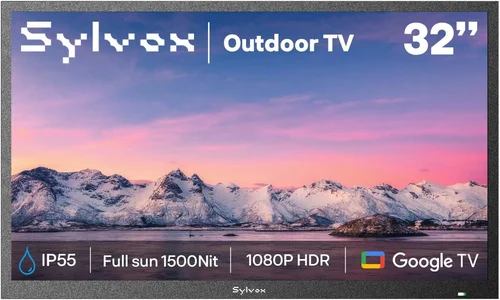
If you’ve ever tried watching the big game or your favorite movie on a standard indoor TV from your patio, you know how frustrating it can be. The glare from the sun, the lack of brightness, and the constant battle against reflections can turn what should be a relaxing outdoor experience into a squinting, straining ordeal. That’s where a dedicated patio TV comes in—specifically, one designed to handle outdoor conditions without breaking the bank. Whether you’re hosting a summer barbecue, enjoying a quiet evening under the stars, or setting up a backyard theater, having the right TV for your large patio can transform your outdoor space into a true entertainment hub.
This guide is designed for homeowners, renters, and outdoor enthusiasts who want to enjoy high-quality viewing experiences in their outdoor living areas—without spending thousands of dollars. We’ll walk you through everything you need to know to make an informed decision, from understanding the unique challenges of outdoor viewing to comparing different types of TVs, avoiding common pitfalls, and finding the best deals. By the end of this guide, you’ll have a clear roadmap to choosing a cheap patio TV that delivers excellent performance, durability, and value—especially for large patios where screen size and visibility are critical.
The market for outdoor TVs has evolved significantly in recent years. While fully weatherproof, professional-grade outdoor TVs from brands like SunBrite and Samsung’s The Terrace still command premium prices, more affordable alternatives have emerged. These include indoor TVs used with protective enclosures, weather-resistant models, and even smart TVs with enhanced brightness and anti-glare features. For large patios—where viewers may be seated farther away or in bright daylight—finding the right balance between cost, size, brightness, and durability is essential. This guide cuts through the noise and helps you focus on what really matters.

What to Look for When Buying Buying Guide
1. Budget & Price Range
When shopping for a cheap patio TV, your budget is the foundation of your decision. While “cheap” can mean different things to different people, in this context, we’re focusing on TVs that offer strong value without sacrificing essential outdoor performance. Most affordable patio-friendly TVs range from $400 to $1,200, depending on size, features, and whether you’re using an indoor TV with a protective cover or a purpose-built outdoor model.
It’s important to set a realistic budget early. A common mistake is underestimating the total cost—remember, if you’re using an indoor TV outdoors, you’ll also need a weatherproof enclosure, which can add $200–$500 to your total. On the other hand, some budget outdoor TVs come with built-in weather resistance, eliminating the need for extra protection. Consider not just the upfront cost but also long-term value: a slightly more expensive TV with better brightness and durability may save you money in the long run by lasting longer and requiring fewer repairs.
For large patios, you’ll likely want a screen size of at least 55 inches, ideally 65 inches or larger. Larger screens are more expensive, so factor that into your budget. However, don’t assume that the cheapest option is always the best. A $300 TV might seem like a steal, but if it struggles in sunlight or fails after a season outdoors, it’s not a good investment. Aim for a balance—look for models that offer the best combination of price, performance, and protection for your specific needs.
2. Performance Specifications
Performance specs are critical for outdoor TVs, especially on large patios where visibility and image quality are challenged by ambient light and distance. The most important specs to consider are brightness (measured in nits), resolution, refresh rate, and contrast ratio.
Brightness is arguably the most important factor for outdoor use. Indoor TVs typically range from 250 to 400 nits, which is fine for dim rooms but inadequate for daylight viewing. For patios, you’ll want a TV with at least 700 nits, and ideally 1,000 nits or more. Some budget outdoor TVs or high-brightness indoor models (like certain Samsung or LG QLEDs) can reach 1,500–2,000 nits, making them excellent for sunny days. Look for terms like “high brightness,” “anti-glare,” or “outdoor viewing” in the product description.
Resolution should be at least Full HD (1080p), but for large screens viewed from a distance, 4K UHD is strongly recommended. A 65-inch 4K TV provides much sharper detail than a 1080p model, especially when viewers are seated 8–12 feet away—common on large patios. Avoid 720p models; they’re outdated and not suitable for modern outdoor entertainment.
Refresh rate matters for fast-moving content like sports or action movies. A 60Hz refresh rate is standard, but 120Hz is better for smooth motion. While most budget TVs cap at 60Hz, some mid-range models offer 120Hz, which can be a worthwhile upgrade if you watch a lot of live sports or gaming.
Contrast ratio affects how deep blacks and bright whites appear. Higher contrast improves image depth and realism. While outdoor lighting can wash out contrast, TVs with good local dimming or OLED panels (though rare in budget outdoor models) perform better. For most cheap patio TVs, focus on brightness and resolution first, then consider contrast as a secondary factor.
3. Build Quality & Durability
Outdoor environments are tough on electronics. Sun, rain, dust, humidity, and temperature swings can damage even the most robust indoor TVs. That’s why build quality and durability are non-negotiable for patio use.
Start by checking the TV’s IP (Ingress Protection) rating if it’s marketed as outdoor-ready. IP ratings indicate resistance to dust and water. For example, IP55 means the TV is protected against dust and water jets, while IP65 offers full dust protection and resistance to low-pressure water sprays. Most budget outdoor TVs fall into the IP54–IP65 range. Avoid TVs with no IP rating unless you’re using a sealed enclosure.
Materials matter too. Look for TVs with metal chassis, sealed ports, and corrosion-resistant coatings. Plastic casings may crack or fade in direct sunlight. Also, check the mounting system—outdoor TVs should come with sturdy, weatherproof wall mounts or be compatible with VESA-standard mounts rated for outdoor use.
Temperature tolerance is another key factor. Outdoor TVs should operate reliably in temperatures ranging from 32°F to 104°F (0°C to 40°C). Some models can handle even wider ranges. Avoid using standard indoor TVs in extreme temperatures, as they may overheat or fail prematurely.
Finally, consider the longevity of the display technology. LED-LCD TVs are the most common and affordable, but they can suffer from backlight degradation over time. QLED and mini-LED models offer better brightness and color but are pricier. OLEDs provide superior contrast but are rarely found in budget outdoor TVs due to cost and burn-in risks in static outdoor displays.
4. Features & Functionality
Modern patio TVs come with a range of features that enhance usability and convenience. While you don’t need every bell and whistle, certain functionalities are worth prioritizing—especially for large patios where ease of use and connectivity matter.
Smart TV capabilities are almost essential today. Built-in platforms like Roku TV, Google TV, or webOS allow you to stream Netflix, YouTube, Disney+, and more without needing an external device. This is especially useful outdoors, where running cables to a streaming box can be impractical. Look for models with intuitive interfaces and regular software updates.
Voice control is a nice-to-have feature. TVs with Alexa, Google Assistant, or built-in voice remotes let you change channels, adjust volume, or search content hands-free—perfect for when you’re grilling or relaxing with friends.
Connectivity is crucial. Ensure the TV has multiple HDMI ports (at least 3), USB ports, and audio outputs. For large patios, consider models with optical audio out or Bluetooth for connecting wireless speakers or soundbars. Some TVs also support Wi-Fi 6 or Ethernet for stable streaming.
Remote control design matters outdoors. Look for remotes with backlighting, long-range IR, or even RF (radio frequency) that work through glass or walls. Some outdoor TVs come with weather-resistant remotes or smartphone apps for control.
Additional features like motion sensors (to turn off the TV when no one’s around), ambient light sensors (to auto-adjust brightness), and built-in heaters/coolers (for extreme climates) are rare in budget models but worth noting if available.
5. Brand Reputation
Brand reputation can be a strong indicator of reliability, customer service, and long-term support. While you can find good deals from lesser-known brands, sticking with established manufacturers reduces risk—especially for electronics exposed to the elements.
Top brands in the outdoor and high-brightness TV space include Samsung, LG, Sony, TCL, and Hisense. Samsung’s The Terrace series is premium but expensive; however, their standard QLED models (like the Q60C or Q70C) offer excellent brightness and are often used in outdoor enclosures. LG’s OLED and NanoCell TVs are known for color accuracy and smart features. TCL and Hisense provide exceptional value, with 4K QLED models under $600 that rival more expensive brands.
Avoid no-name brands or models with limited reviews. These may cut corners on components, lack proper weather sealing, or disappear from the market quickly, leaving you without warranty support. Check brand history—how long have they been making TVs? Do they offer outdoor-specific models or accessories?
Also, consider the availability of replacement parts and service centers. If your TV fails, you’ll want to know that repairs are possible and affordable. Brands with strong U.S. or global support networks are preferable.
6. Warranty & Support
A good warranty is your safety net when buying a patio TV. Outdoor use increases the risk of damage, so extended coverage can save you hundreds in repair or replacement costs.
Most budget TVs come with a standard 1-year manufacturer warranty. However, some brands offer longer coverage—up to 2 or 3 years—especially on outdoor or commercial models. Look for warranties that cover both parts and labor, and check if outdoor use is explicitly included. Some indoor TVs void the warranty if used outdoors, so read the fine print.
Extended warranties from retailers (like Best Buy or Amazon) can be tempting, but they’re often overpriced and redundant if the manufacturer already offers solid coverage. Instead, consider purchasing directly from the brand or authorized dealers to ensure warranty validity.
Customer support quality varies widely. Check online reviews for responsiveness, repair turnaround times, and ease of claiming warranty service. Brands like Samsung and LG have robust support systems, while smaller brands may lag.
Finally, keep your receipt and register your TV online. This ensures you’re covered from day one and can access firmware updates or service alerts.
7. Size & Portability
For large patios, screen size is a major consideration. A TV that looks great on a small deck may be too small for a spacious backyard. The general rule is: the farther viewers are from the screen, the larger it should be.
Use this guideline: for every 1.5 feet of viewing distance, aim for 10 inches of screen size. So, if your seating area is 12 feet from the TV, a 75-inch screen is ideal. For most large patios, 65-inch or 75-inch models are the sweet spot. Avoid going below 55 inches unless your patio is unusually compact.
Portability is less critical for fixed installations but matters if you plan to move the TV between indoor and outdoor use. Some homeowners use indoor TVs with portable enclosures, allowing them to bring the TV inside during winter. If portability is important, look for lighter models (under 50 lbs) and enclosures with wheels or handles.
Mounting options also affect size choices. Wall mounts save space and improve viewing angles, while freestanding stands offer flexibility. Ensure your mounting solution is rated for outdoor use and can support the TV’s weight and size.
8. User Reviews & Ratings
User reviews are one of the most reliable sources of real-world performance data. While specs tell you what a TV can do, reviews tell you what it actually does—especially in outdoor conditions.
Look for reviews from users who have used the TV outdoors. Pay attention to comments about brightness in sunlight, durability after rain or humidity, and ease of setup. Sites like Amazon, Best Buy, and Reddit’s r/outdoortv are great resources.
Check the overall rating (aim for 4 stars or higher) and read both positive and negative reviews. Common complaints might include poor remote range, overheating, or color washout in daylight. If multiple users report the same issue, it’s likely a real problem.
Also, look for long-term reviews (6 months or more). Outdoor TVs may work fine initially but fail after seasonal changes. Reviews that mention performance over time are especially valuable.
Finally, consider professional reviews from tech sites like CNET, RTINGS.com, or Wirecutter. These often include side-by-side comparisons, brightness measurements, and expert insights that go beyond user experiences.
Different Types of Buying Guide

Common Buying Mistakes to Avoid
❌ Mistake: Using a Standard Indoor TV Without Protection
Why it’s bad: Indoor TVs are not designed for outdoor conditions. Exposure to moisture, dust, and temperature changes can cause immediate or gradual failure. Even a light rain can short-circuit internal components.
What to do instead: Either invest in a weatherproof enclosure rated for outdoor use or choose a TV specifically designed for outdoor environments. If using an indoor TV, ensure the enclosure is sealed, ventilated, and UV-resistant.
❌ Mistake: Ignoring Brightness Requirements
Why it’s bad: A dim TV will be unwatchable in daylight, especially on a large patio with direct sun exposure. You’ll end up squinting or watching only at night.
What to do instead: Prioritize TVs with at least 700 nits of brightness. For full sun, aim for 1,000+ nits. Check reviews for real-world brightness performance, not just manufacturer claims.
❌ Mistake: Choosing the Wrong Screen Size
Why it’s bad: A TV that’s too small will be hard to see from a distance, defeating the purpose of a large patio setup. Conversely, an oversized TV can be overwhelming and unnecessarily expensive.
What to do instead: Use the 1.5:10 rule—1.5 feet of viewing distance per 10 inches of screen size. Measure your seating distance and choose accordingly. For most large patios, 65–75 inches is ideal.
❌ Mistake: Overlooking Mounting and Installation
Why it’s bad: Improper mounting can lead to instability, water ingress, or even the TV falling. Outdoor mounts must handle wind, rain, and weight.
What to do instead: Use a VESA-compatible, weatherproof wall mount rated for your TV’s size and weight. Consider professional installation if you’re unsure about wiring or structural support.
❌ Mistake: Skipping the Warranty Check
Why it’s bad: Many indoor TVs void the warranty if used outdoors. Without coverage, a single storm could leave you with a costly repair.
What to do instead: Read the warranty terms carefully. Choose outdoor-rated models or ensure your enclosure doesn’t void the warranty. Register your TV and keep documentation.
❌ Mistake: Buying Based on Price Alone
Why it’s bad: The cheapest TV may lack essential features like brightness, durability, or smart capabilities, leading to frustration and early replacement.
What to do instead: Focus on value, not just cost. A $700 TV with 1,000 nits, 4K resolution, and weather resistance offers better long-term value than a $400 model that fails in six months.
❌ Mistake: Not Testing Before Committing
Why it’s bad: You might not realize the TV is too dim, too small, or difficult to control until it’s installed—too late to return.
What to do instead: If possible, test the TV in similar lighting conditions. Check return policies and buy from retailers with generous return windows (30 days or more).
Budget Guidelines: How Much Should You Spend?
- Entry-Level ($400–$600): Best for shaded patios or occasional use. Expect 55–65 inch 4K TVs with moderate brightness (500–700 nits), basic smart features, and limited weather resistance. Often indoor TVs used with enclosures. Good for renters or temporary setups.
- Mid-Range ($600–$900): The sweet spot for most buyers. Look for 65–75 inch 4K QLED or high-brightness LED TVs with 700–1,200 nits, robust smart platforms, and better build quality. Many semi-outdoor or high-brightness indoor models fall here. Ideal for large patios with partial sun exposure.
- Premium ($900–$1,500): For enthusiasts who want reliability and performance. Includes fully weather-resistant models, 1,000+ nits brightness, advanced features like voice control and ambient sensors, and longer warranties. Suitable for exposed patios and frequent use.
- Luxury ($1,500+): Top-tier outdoor TVs from brands like SunBrite or Samsung The Terrace. Fully sealed, extreme weather resistance, 2,000+ nits brightness, and commercial-grade durability. Best for permanent installations in harsh climates.
Expert Tips for Getting the Best Deal
- Buy During Seasonal Sales: Look for discounts during Black Friday, Prime Day, or end-of-summer clearance events. Outdoor TVs often see price drops as demand shifts indoors.
- Shop at Authorized Retailers: Buy from Best Buy, Amazon, Costco, or directly from manufacturers to ensure warranty validity and avoid counterfeit products.
- Compare Total Cost: Factor in enclosures, mounts, cables, and installation. A cheaper TV with expensive add-ons may cost more than an all-in-one outdoor model.
- Check Return Policies: Choose retailers with 30-day return windows. Test the TV in outdoor conditions before committing.
- Look for Refurbished Models: Certified refurbished TVs from reputable sellers can save 20–30% and often come with full warranties.
- Use Price Tracking Tools: Set alerts on CamelCamelCamel or Honey to catch price drops on your desired model.
- Consider Bundles: Some retailers offer TV + mount + enclosure packages at a discount. These can be more cost-effective than buying separately.
- Read the Fine Print: Ensure outdoor use is covered under warranty and that the TV meets your brightness and size needs.

Frequently Asked Questions
Q: Can I use a regular TV on my patio?
A: Yes, but only with a proper weatherproof enclosure. Standard indoor TVs are not designed for outdoor conditions and can fail quickly when exposed to moisture, dust, or temperature changes. Always use a sealed, ventilated enclosure rated for outdoor use.
Q: What brightness do I need for a patio TV?
A: For shaded areas, 500–700 nits may suffice. For partial sun, aim for 700–1,000 nits. For full sun exposure, choose a TV with 1,000+ nits. Brightness is measured in nits—check the spec sheet or reviews for real-world performance.
Q: Do I need a special mount for an outdoor TV?
A: Yes. Use a weatherproof, VESA-compatible wall mount rated for your TV’s size and weight. Ensure it’s designed for outdoor use and can withstand wind and rain.
Q: How do I protect my TV from rain?
A: Use a fully sealed outdoor TV or a weatherproof enclosure with an IP rating of at least IP54. Ensure all ports are covered and the unit is mounted under an overhang or awning if possible.
Q: Can I leave my patio TV on all the time?
A: It’s not recommended. Continuous use can overheat the TV and reduce lifespan. Use a timer or smart plug to turn it off when not in use. Some outdoor TVs have built-in cooling systems for extended operation.
Q: What’s the difference between outdoor and weather-resistant TVs?
A: Outdoor TVs are fully sealed and built for all-weather use. Weather-resistant TVs can handle light rain and dust but are best for covered areas. Check the IP rating to understand protection levels.
Q: Are smart features important for a patio TV?
A: Yes. Built-in streaming apps eliminate the need for external devices, reducing cable clutter and simplifying use. Look for platforms like Roku, Google TV, or webOS for the best experience.
Q: How long do outdoor TVs last?
A: With proper care, outdoor TVs can last 5–10 years. Indoor TVs in enclosures may last 3–5 years depending on conditions. Regular maintenance and protection from extreme weather extend lifespan.
Q: Can I use a soundbar with a patio TV?
A: Yes, but ensure it’s also weather-resistant or placed under cover. Use Bluetooth or optical audio for wireless connectivity. Some outdoor TVs have built-in speakers, but a soundbar improves audio quality.
Q: What’s the best size for a large patio?
A: For viewing distances of 8–12 feet, a 65–75 inch TV is ideal. Use the 1.5:10 rule—1.5 feet of distance per 10 inches of screen size—to determine the optimal size.
Our Final Recommendations
- Best for Budget-Conscious Buyers: TCL 6-Series 65″ Q651G – A 4K QLED TV with 1,000+ nits brightness, Roku TV, and excellent value under $700. Pair with a weatherproof enclosure for outdoor use.
- Best Overall Value: Hisense U8K 65″ – Offers 1,500 nits brightness, 4K ULED, Google TV, and strong performance in sunlight. Priced around $800, it’s a top pick for large patios.
- Best Premium Option: SunBrite Veranda 3 Series 65″ – Fully weatherproof, 1,000 nits brightness, and built for outdoor use. Ideal for exposed patios, though priced around $1,500.
- Best for Beginners: Samsung Q60C 65″ – A high-brightness QLED with 1,000 nits, intuitive Tizen OS, and reliable performance. Great for those new to outdoor TVs.
- Best for Advanced Users: LG OLED G3 65″ – While not outdoor-rated, its 1,500+ nits brightness and perfect blacks make it ideal for shaded patios with a high-end enclosure. Best for image quality enthusiasts.
Conclusion: Making the Right Choice
Choosing the right cheap patio TV for a large outdoor space doesn’t have to be overwhelming. By focusing on key factors like brightness, durability, size, and budget, you can find a model that delivers excellent performance without overspending. Remember, the goal isn’t just to buy a TV—it’s to create an outdoor entertainment experience that’s enjoyable, reliable, and built to last.
Start by assessing your patio’s conditions: Is it shaded or sunny? Covered or exposed? How far will viewers be seated? Use this guide to narrow your options, avoid common mistakes, and prioritize features that matter most to you. Whether you go with a high-brightness indoor TV in an enclosure or a purpose-built outdoor model, the right choice will transform your backyard into a true extension of your living room.
Don’t rush the decision. Take time to read reviews, compare specs, and consider long-term value. And when you’re ready to buy, look for deals during sales events and always check return policies. With the right TV, your large patio can become the ultimate spot for movies, sports, and summer gatherings—rain or shine.

