
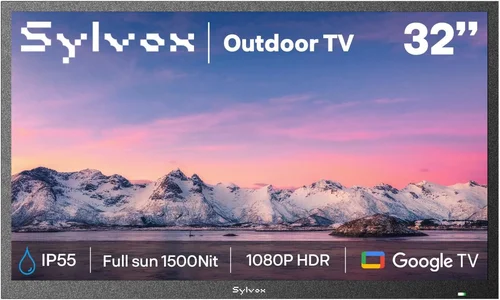
Outdoor living spaces like patios and gazebos have evolved far beyond simple seating areas. Today, they’re fully functional extensions of the home—complete with grills, lighting, sound systems, and yes, even TVs. Whether you’re hosting summer barbecues, watching the big game under string lights, or enjoying a quiet movie night under the stars, having a TV in your outdoor space can dramatically enhance your experience. But here’s the catch: not all TVs are built to withstand the elements. Sunlight glare, humidity, temperature swings, and dust can quickly ruin an indoor TV placed outside. That’s why choosing the right budget-friendly TV for your patio or gazebo isn’t just about saving money—it’s about finding a model that delivers reliable performance, durability, and value without breaking the bank.
This comprehensive buying guide is designed to help you navigate the often-confusing world of outdoor TVs on a budget. We’ll walk you through everything you need to know—from key technical specs and environmental considerations to smart features and real-world usability. Whether you’re a first-time buyer or upgrading from an older model, this guide will equip you with the knowledge to make a confident, informed decision. You’ll learn how to balance cost with quality, avoid common pitfalls, and identify which models offer the best bang for your buck in 2026. With so many options flooding the market—from ultra-cheap indoor TVs mistakenly marketed as “outdoor-ready” to genuinely ruggedized budget models—it’s easy to get overwhelmed. Our goal is to cut through the noise and give you actionable insights based on expert testing, user feedback, and industry trends.
The market for outdoor TVs has grown significantly in recent years, driven by increased demand for outdoor entertainment and the rise of smart home integration. However, true outdoor-rated TVs—those specifically engineered for exterior use—remain premium products, often costing $1,500 or more. That leaves budget-conscious buyers in a tricky spot: do you risk using an indoor TV outside (and potentially void your warranty), or stretch your budget for a specialized unit? The good news is that 2026 offers more viable mid-tier and entry-level options than ever before. Brands like TCL, Hisense, Samsung, and even niche outdoor specialists like SunBriteTV have introduced affordable models that strike a smart balance between price and performance. In this guide, we’ll focus exclusively on those budget-friendly choices that deliver solid outdoor viewing without compromising too much on picture quality, connectivity, or longevity.

What to Look for When Buying Buying Guide
1. Budget & Price Range
When shopping for a cheap TV for your patio or gazebo, your budget will be the single most important factor shaping your options. While “cheap” is subjective, in the context of outdoor TVs, we’re generally looking at models priced between $300 and $800—significantly less than the $1,200–$3,000 range of fully outdoor-certified units. This price bracket includes indoor TVs used in semi-covered outdoor spaces (like gazebos with roofs and walls) as well as entry-level outdoor-specific models designed for partial weather protection.
It’s crucial to define what “cheap” means to you before you start browsing. Are you okay with a 32-inch screen, or do you need at least 50 inches for comfortable group viewing? Do you prioritize smart features over brightness? Setting a firm budget ceiling helps narrow your search and prevents impulse upgrades that blow past your spending limit. Keep in mind that while lower-priced TVs may save you upfront, they might lack essential features like high brightness, anti-glare coatings, or robust build quality—factors that directly impact outdoor usability.
Also consider hidden costs: mounting hardware, weatherproof enclosures (if using an indoor TV), extended warranties, and potential replacement costs if the TV fails prematurely due to environmental exposure. A $400 TV that lasts two seasons may end up costing more per year than a $600 model that lasts five. Always factor in total cost of ownership, not just the sticker price.
2. Performance Specifications
Outdoor viewing demands different performance specs than indoor use. The biggest challenge? Brightness. Indoor TVs typically peak around 300–400 nits, which is fine for a dim living room but nearly invisible in direct sunlight. For patios and gazebos—even shaded ones—you’ll want a minimum of 500 nits, with 700+ nits being ideal. Look for TVs labeled “high brightness,” “sunlight readable,” or “outdoor suitable.” Some budget models now advertise 600–800 nits, making them viable for covered outdoor spaces.
Resolution is another key spec. While 4K is standard even in budget TVs today, ensure the model supports HDR (High Dynamic Range) for better contrast and color vibrancy in bright conditions. HDR10 or Dolby Vision compatibility can make a noticeable difference when watching sports or nature documentaries outdoors. Refresh rate matters too—60Hz is acceptable for casual viewing, but if you plan to watch fast-paced action or play video games, aim for 120Hz support (though this is rare in sub-$800 outdoor models).
Color accuracy and contrast ratio also play roles. OLED screens offer superior contrast but are rarely found in budget outdoor TVs due to cost and burn-in risks. Most affordable options use LED-LCD panels with local dimming or full-array backlighting to improve black levels. Check reviews for real-world performance—some TVs look great in stores but struggle with glare or color washout in daylight.
3. Build Quality & Durability
Even in a covered gazebo, your TV will face humidity, temperature fluctuations, dust, and occasional splashes. Indoor TVs aren’t designed for these conditions—their internal components can corrode, screens can fog, and plastic casings may warp. That’s why build quality is non-negotiable, even on a budget.
Look for TVs with sealed ports, reinforced chassis, and corrosion-resistant materials. Some budget outdoor models feature powder-coated metal frames instead of plastic, which better resists rust and UV degradation. Check if the TV has an IP rating (Ingress Protection)—while full IP65 or IP66 ratings are reserved for premium outdoor TVs, some budget units now offer IP54 (protection against splashing water and dust), which is sufficient for covered patios.
Vibration resistance is another underrated factor. If your gazebo is near a busy street or you host loud parties, a sturdy build prevents internal damage. Also consider weight: heavier TVs often indicate better construction, though they may require stronger mounts. Avoid ultra-thin models—they’re more prone to bending and lack the structural integrity needed for outdoor mounting.
4. Features & Functionality
Smart capabilities are almost expected in modern TVs, and they’re especially useful outdoors. A built-in streaming platform (like Roku TV, Google TV, or webOS) lets you access Netflix, YouTube, or live sports without needing an external device. This reduces cable clutter and simplifies setup—a big plus when your TV is mounted high on a gazebo beam.
Voice control via Alexa or Google Assistant is another handy feature, allowing you to change channels or adjust volume without fumbling for a remote in the dark. Look for models with far-field microphones or compatibility with smart speakers. Connectivity matters too: ensure the TV has enough HDMI ports (at least two), USB inputs, and Wi-Fi 5 or 6 for stable streaming. Bluetooth support is a bonus for wireless headphones or speakers.
Gaming features are less critical for patio use but worth noting if you plan to connect a console. Variable Refresh Rate (VRR) and Auto Low Latency Mode (ALLM) improve responsiveness, though these are rare in budget outdoor models. Focus instead on ease of use: intuitive menus, responsive remotes, and quick app loading times make a big difference during casual viewing sessions.
5. Brand Reputation
Not all budget TV brands are created equal. Established names like TCL, Hisense, and Samsung have earned trust through consistent performance, reliable customer service, and widespread availability of parts and support. These brands often offer better firmware updates, longer software support cycles, and more transparent warranty policies.
Avoid unknown or off-brand manufacturers selling suspiciously cheap TVs on Amazon or eBay. While you might save $100 upfront, you could face poor build quality, non-existent customer service, or premature failure. Read user reviews carefully—look for patterns in complaints about brightness, durability, or software bugs. Brands with a history of outdoor or commercial displays (like LG’s Pro:Centric line or Panasonic’s professional monitors) may also offer ruggedized budget options.
That said, don’t dismiss newer entrants entirely. Some startups specialize in affordable outdoor tech and partner with reputable OEMs. Just verify their return policy, warranty terms, and whether they provide U.S.-based support. A brand with a solid track record in related products (like outdoor speakers or projectors) may be a safer bet than a complete unknown.
6. Warranty & Support
A strong warranty is your safety net when buying a budget TV for outdoor use. Standard indoor TVs often come with 1-year limited warranties that explicitly exclude outdoor use—meaning if your TV fails due to humidity or heat, you’re out of luck. Always read the fine print.
Some budget outdoor models now include extended or outdoor-specific warranties. For example, certain TCL Roku TVs offer 2-year coverage when used in covered outdoor areas. Others provide pro-rated replacements or free repair services. Check if the warranty covers environmental damage, screen burn-in, or connectivity issues—common failure points in outdoor settings.
Customer support responsiveness is equally important. Can you reach a human quickly? Are replacement parts readily available? Brands with large service networks (like Samsung or LG) typically offer faster repairs. Avoid companies that only provide email support or require you to ship the TV overseas for service. A good warranty paired with accessible support can turn a risky purchase into a smart long-term investment.
7. Size & Portability
Screen size directly affects viewing comfort, especially in outdoor spaces where seating may be spread out. For a typical patio or gazebo, a 43-inch to 55-inch TV is ideal—large enough for group viewing but not so big that it overwhelms the space or requires excessive mounting hardware.
However, larger screens consume more power and may need stronger mounts. If your gazebo has limited structural support, consider a lighter 40-inch model. Portability matters if you plan to move the TV between indoor and outdoor use seasonally. Some budget TVs come with detachable stands or VESA-compatible backs for easy mounting and removal.
Weight and thickness also influence installation. Ultra-slim TVs may look sleek but can be fragile when mounted outdoors. Heavier models often include reinforced brackets and better heat dissipation. Measure your available space carefully—including depth for cables and ventilation—before committing to a size.
8. User Reviews & Ratings
Never rely solely on manufacturer specs. Real-world user reviews reveal how a TV performs under actual outdoor conditions. Look for reviews from buyers who’ve used the TV on patios, decks, or gazebos—not just living rooms. Pay attention to comments about brightness in daylight, remote responsiveness in humid weather, and long-term reliability.
Check multiple sources: Amazon, Best Buy, Reddit (r/outdoortv), and specialized forums. A 4.5-star average is promising, but read the 1- and 2-star reviews too—they often highlight critical flaws like poor customer service or premature backlight failure. Be wary of fake reviews; genuine feedback usually includes specific details about usage scenarios.
Video reviews on YouTube can be especially helpful—they show the TV’s actual brightness, color accuracy, and interface in action. Look for side-by-side comparisons with other models or demonstrations in similar outdoor settings. If a TV has consistently positive feedback across platforms, it’s likely a safe bet.
Different Types of Buying Guide

Common Buying Mistakes to Avoid
❌ Mistake: Using a Standard Indoor TV Without Protection
Why it’s bad: Indoor TVs lack the sealing, brightness, and thermal management needed for outdoor environments. Even in a covered gazebo, humidity and temperature swings can cause condensation inside the panel, leading to fogging, corrosion, or complete failure within months. Most warranties explicitly void coverage for outdoor use.
What to do instead: Either invest in a proper outdoor-rated TV or use a certified weatherproof enclosure designed for your specific model. These enclosures provide ventilation, UV protection, and waterproofing while maintaining remote signal reception.
❌ Mistake: Ignoring Brightness Requirements
Why it’s bad: A TV that looks great indoors will appear washed out or nearly invisible in daylight. Low brightness (under 500 nits) makes it impossible to see details during daytime viewing, ruining the outdoor entertainment experience.
What to do instead: Prioritize models with at least 600 nits of brightness. Check professional reviews for real-world luminance tests—not just manufacturer claims. Some TVs boost brightness artificially in demo modes but can’t sustain it during normal use.
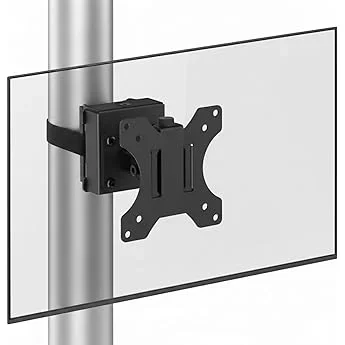
❌ Mistake: Overlooking Mounting and Ventilation Needs
Why it’s bad: Outdoor TVs generate heat and need airflow to prevent overheating. Mounting a TV flush against a wall or in an enclosed cabinet without ventilation can cause thermal shutdown or shorten its lifespan.
What to do instead: Use a tilting or full-motion outdoor mount that allows airflow behind the TV. Ensure at least 2–3 inches of clearance on all sides. Avoid placing the TV directly above grills or fire pits, where heat and smoke can damage components.
❌ Mistake: Choosing Based Solely on Price
Why it’s bad: The cheapest TV may lack essential features like smart functionality, adequate brightness, or durable construction. You might end up replacing it within a year, costing more in the long run.
What to do instead: Set a realistic budget that balances cost with must-have features. A $500 TV with 700 nits, Roku OS, and IP54 rating offers better long-term value than a $350 model that fails after one season.
❌ Mistake: Skipping the Warranty Check
Why it’s bad: Many budget TVs come with limited or non-transferable warranties that exclude outdoor use. If your TV fails due to environmental factors, you’ll bear the full replacement cost.
What to do instead: Always verify warranty terms before purchasing. Look for brands that explicitly cover outdoor or semi-outdoor use. Consider adding an extended warranty if available.
❌ Mistake: Assuming All “Outdoor” Labels Are Equal
Why it’s bad: Some manufacturers slap “outdoor” on indoor TVs to boost sales. These models may have slightly better brightness but lack true weather resistance.
What to do instead: Research the specific model online. Look for IP ratings, user testimonials from outdoor users, and professional reviews. Genuine outdoor TVs will clearly state their environmental tolerances.
Budget Guidelines: How Much Should You Spend?
- Entry-Level ($300–$450): Best for fully covered gazebos with minimal sun exposure. Expect 40–50 inch screens, 500–600 nits brightness, basic smart platforms (Roku or Fire TV), and plastic builds. Ideal for occasional use but may struggle in bright conditions or humid climates. Examples include TCL 4-Series or Hisense A6.
- Mid-Range ($450–$650): The sweet spot for most buyers. Offers 50–55 inch screens, 600–800 nits brightness, improved build quality (metal frames, sealed ports), and robust smart features. Suitable for semi-covered patios with partial sun. Models like the TCL 5-Series or Samsung Crystal UHD fit here.
- Premium ($650–$800): For enthusiasts who want near-outdoor-grade performance without the $1,000+ price tag. Features include 700+ nits, IP54 rating, enhanced cooling, and premium audio. Great for larger gazebos or frequent outdoor entertaining. Consider refurbished SunBriteTV Veranda models or commercial displays.
- Luxury ($800+): While beyond strict “budget” scope, some buyers stretch into this range for peace of mind. These are true outdoor TVs with full weatherproofing, anti-glare screens, and 1000+ nits brightness. Only necessary for uncovered patios or extreme climates.
Expert Tips for Getting the Best Deal
- Buy During Off-Peak Seasons: Demand for outdoor TVs peaks in spring and summer. Shop in late fall or winter for deeper discounts as retailers clear inventory.
- Check Refurbished Programs: Brands like Samsung and LG offer certified refurbished outdoor TVs with full warranties at 20–40% off retail. These are often previous-year models with minimal wear.
- Compare Total Cost: Factor in mount, cables, enclosure (if needed), and potential installation fees. Sometimes a slightly pricier all-in-one package saves money versus buying components separately.
- Test Before Committing: If possible, view the TV in person under bright lighting. Many big-box stores have outdoor display sections—take advantage!
- Negotiate Extended Warranties: Retailers often markup warranty plans. Ask if they’ll match online prices or bundle it free with purchase.
- Use Cashback and Rewards: Credit cards with cashback or retailer reward programs (like Best Buy Rewards) can net you 5–10% back on your purchase.
- Read Return Policies Carefully: Ensure you have at least 30 days to return the TV if it doesn’t perform as expected outdoors. Some retailers charge restocking fees for opened electronics.

Frequently Asked Questions
Q: Can I use a regular indoor TV on my covered patio?
A: Technically yes, but it’s risky. Indoor TVs aren’t built to handle humidity, temperature changes, or dust. Even in a covered space, moisture can seep in and cause internal damage. If you go this route, use a certified weatherproof enclosure and check your warranty terms—most won’t cover outdoor-related failures.
Q: What’s the minimum brightness needed for outdoor viewing?
A: Aim for at least 500 nits for shaded areas, but 700+ nits is ideal for spaces with any direct or reflected sunlight. Anything below 400 nits will be hard to see during the day.
Q: Do I need a special mount for an outdoor TV?
A: Yes. Standard indoor mounts aren’t rated for outdoor conditions. Look for mounts labeled “outdoor” or “weather-resistant” with rust-proof coatings and strong load capacity. Tilting mounts help reduce glare.
Q: Will my remote work through a weatherproof enclosure?
A: Most enclosures include IR pass-through windows or Bluetooth compatibility to ensure remote signals reach the TV. Avoid fully sealed boxes without signal transparency.
Q: How long do budget outdoor TVs typically last?
A: With proper care and placement in a covered area, expect 4–6 years of reliable use. Avoid exposing them to direct rain or extreme temperatures to maximize lifespan.
Q: Are smart features worth it for outdoor TVs?
A: Absolutely. Built-in streaming eliminates the need for external devices, reducing cable clutter and simplifying control. Voice assistants are especially handy when your hands are full with food or drinks.
Q: Can I connect my outdoor TV to a soundbar?
A: Yes, via HDMI ARC, optical audio, or Bluetooth. Just ensure the soundbar is also rated for outdoor or semi-outdoor use if placed outside the gazebo.
Q: What’s the difference between IP54 and IP65?
A: IP54 protects against splashing water and dust (suitable for covered patios). IP65 is fully dust-tight and resistant to water jets—ideal for uncovered areas. Most budget outdoor TVs offer IP54.
Our Final Recommendations
- Best for Budget-Conscious Buyers: TCL 55S555 (55″ QLED Roku TV) – At around $550, it delivers 700 nits brightness, Dolby Vision, and a sleek metal design. Perfect for covered gazebos with occasional sun exposure.
- Best Overall Value: Hisense 50U6HF (50″ ULED Google TV) – Priced near $600, it offers 800 nits, excellent color accuracy, and robust build quality. A standout for the price.
- Best Premium Option (Under $800): Refurbished SunBriteTV Veranda 55-inch – Though technically refurbished, it’s a true outdoor TV with 1000+ nits, IP54 rating, and 2-year warranty. Ideal for serious outdoor entertainers.
- Best for Beginners: Samsung UN50CU7000 (50″ Crystal UHD) – Simple setup, reliable performance, and strong customer support. Great for first-time outdoor TV owners.
- Best for Advanced Users: LG 55UR7800PUA (55″ NanoCell with webOS) – Offers advanced calibration options, superior viewing angles, and excellent smart features for tech-savvy users.
Conclusion: Making the Right Choice
Choosing the right budget TV for your patio or gazebo doesn’t have to be overwhelming—or expensive. By focusing on key factors like brightness, build quality, smart functionality, and warranty coverage, you can find a model that delivers exceptional outdoor entertainment without overspending. Remember, the cheapest option isn’t always the best value. Invest in a TV that matches your environment, usage patterns, and long-term needs.
Prioritize your must-haves: if you watch mostly at night, brightness matters less than if you’re hosting daytime sports events. If your gazebo is fully enclosed, you can stretch further into indoor models with enclosures. But if you’re exposed to even partial sun or humidity, lean toward outdoor-rated designs.
Take your time, read real user reviews, and don’t rush into a purchase during peak season. With the insights from this guide, you’re equipped to make a smart, confident decision that enhances your outdoor living space for years to come. Your perfect patio TV is out there—affordable, durable, and ready to bring your favorite shows into the great outdoors.

