
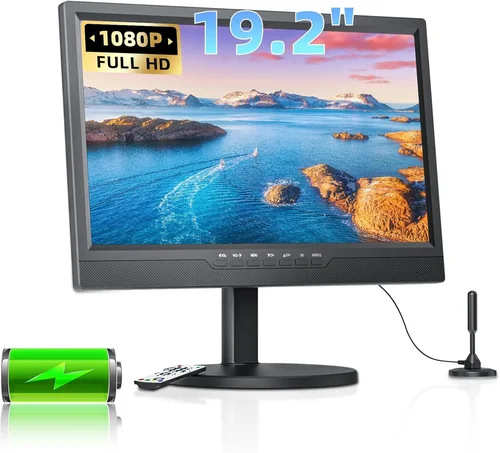
If you’ve ever tried watching your favorite show or sports game from your gazebo on a hot summer evening—only to squint at a dim, blurry screen or battle constant glare—you know how frustrating it can be. A patio TV isn’t just a luxury; for many homeowners, it’s an essential part of creating a true outdoor living space. Whether you’re hosting a backyard barbecue, relaxing under string lights, or enjoying a quiet morning coffee al fresco, having a reliable TV that performs well in outdoor conditions transforms your gazebo into a functional entertainment hub.
But here’s the catch: most outdoor TVs come with a hefty price tag. Fully weatherproof, commercial-grade models can easily cost $2,000 or more—far beyond what many budget-conscious buyers are willing (or able) to spend. That’s why this guide exists. We’re diving deep into the world of cheap patio TVs—affordable options that still deliver solid performance, decent durability, and smart features without breaking the bank. Our goal is to help you find the best value for your money, whether you’re spending $300 or $800.
In this comprehensive buying guide, you’ll learn exactly what to look for when shopping for a budget-friendly patio TV for your gazebo. We’ll break down key factors like display technology, weather resistance, brightness, and connectivity. You’ll discover the pros and cons of different types of outdoor TVs, avoid common purchasing pitfalls, and get expert tips on timing your purchase for maximum savings. By the end, you’ll have all the knowledge you need to make a confident, informed decision—and finally enjoy crystal-clear viewing under the stars.
The market for outdoor TVs has evolved significantly in recent years. While premium brands like SunBrite and Samsung’s Terrace series dominate the high-end segment, a growing number of affordable alternatives have emerged—offering surprising quality at a fraction of the cost. From weather-resistant indoor TVs used with protective enclosures to semi-outdoor models designed for covered spaces like gazebos, there are now more viable options than ever for budget shoppers. However, not all “cheap” TVs are created equal. Some cut corners on critical features like brightness or build quality, while others mislead with marketing terms like “weatherproof” when they’re only splash-resistant. This guide cuts through the noise, giving you the tools to separate genuine bargains from costly mistakes.

What to Look for When Buying Buying Guide
1. Budget & Price Range
Your budget is the foundation of your entire purchasing decision—and it’s especially important when shopping for a cheap patio TV. Unlike indoor TVs, outdoor models often require additional considerations like brightness, weather protection, and mounting hardware, which can quickly inflate costs if you’re not careful. For most gazebo setups, you can find capable options between $300 and $800. This range typically includes mid-tier indoor TVs used with weatherproof enclosures, semi-outdoor models, or older-generation outdoor TVs sold at clearance prices.
When setting your budget, consider not just the TV itself but also any accessories you’ll need. A weatherproof enclosure can add $100–$300 to your total cost, while a sturdy outdoor-rated mount might run another $50–$150. Don’t forget about cables, surge protectors, and potential installation fees if you’re not DIY-savvy. It’s better to allocate a little extra upfront than to realize mid-project that your $400 TV needs a $200 enclosure to survive the elements.
That said, avoid the temptation to go too cheap. TVs under $250 often lack the brightness, durability, or smart features needed for enjoyable outdoor viewing. While you might save money initially, you could end up replacing a flimsy model within a year—costing you more in the long run. Instead, aim for the sweet spot: a TV that balances affordability with essential performance metrics. Look for models in the $400–$600 range that offer at least 400 nits of brightness, basic weather resistance, and reliable smart platform support.
2. Performance Specifications
When it comes to outdoor TVs, performance isn’t just about picture quality—it’s about visibility. Sunlight, glare, and ambient light can wash out even the most advanced displays if they aren’t optimized for outdoor use. The single most important spec for a patio TV is brightness, measured in nits. For a gazebo—especially one that’s partially shaded or used during daylight hours—you’ll want a minimum of 400 nits, but ideally 500–700 nits or higher. Anything below 350 nits will struggle in anything brighter than twilight.
Resolution is another key factor. While 4K UHD is now standard even on budget TVs, don’t assume all 4K panels are equal. Look for TVs with true 4K resolution (3840 x 2160 pixels) and support for HDR (High Dynamic Range), which enhances contrast and color depth. HDR10 is the most common format and widely supported, but Dolby Vision offers superior dynamic range if available. However, keep in mind that HDR benefits are diminished in bright outdoor settings unless the TV has high peak brightness.
Refresh rate matters too, especially if you plan to watch sports or action movies. A 60Hz panel is fine for casual viewing, but a 120Hz refresh rate (or motion interpolation technology like Motionflow or TruMotion) reduces blur during fast movement. This is particularly noticeable during live sports broadcasts or gaming sessions.
Audio performance is often overlooked but crucial for outdoor environments. Wind, ambient noise, and distance from the screen can make built-in speakers sound tinny or quiet. Look for TVs with at least 10W of total audio output, and consider pairing your TV with outdoor Bluetooth speakers or a soundbar for richer sound. Some budget models include basic audio enhancements like virtual surround sound, but don’t rely on them for immersive audio.
3. Build Quality & Durability
Even in a covered gazebo, your TV will face humidity, temperature swings, dust, and occasional splashes—especially if you’re near a pool, grill, or garden. That’s why build quality and durability are non-negotiable, even on a budget. Start by checking the TV’s Ingress Protection (IP) rating, which indicates resistance to dust and water. For gazebo use, an IP54 rating (protection against splashing water and limited dust ingress) is the bare minimum. If your gazebo is fully enclosed and climate-controlled, an IP43 rating may suffice, but IP55 or higher is ideal for long-term reliability.
Pay attention to the materials used in the chassis and ports. Plastic casings are common on budget models, but look for reinforced polymers or metal-reinforced corners that resist warping or cracking. Vents and speaker grilles should be covered with fine mesh to prevent insect or debris entry. Also, ensure all input ports (HDMI, USB, etc.) are sealed or protected—exposed ports can corrode quickly in humid conditions.
Thermal management is another hidden factor. Outdoor TVs generate heat, and without proper ventilation, internal components can overheat, leading to premature failure. Avoid models with completely sealed backs unless they’re specifically designed as outdoor units. If using an indoor TV in an enclosure, make sure the case has built-in fans or passive cooling channels. Some budget enclosures even include temperature sensors that automatically adjust fan speed based on internal heat levels.
Finally, consider the screen coating. Anti-reflective or matte finishes reduce glare from sunlight or string lights, making it easier to see the picture from various angles. Glossy screens may look vibrant indoors but become nearly unusable in direct light. If possible, test the TV in similar lighting conditions before buying, or read user reviews that mention outdoor visibility.
4. Features & Functionality
Modern budget TVs pack impressive features, but not all are equally useful for outdoor use. Start with the smart platform. Most affordable models run on Roku TV, Android TV, or Fire TV OS—all of which offer access to streaming apps like Netflix, YouTube, and Hulu. Roku is often praised for its simplicity and fast interface, making it ideal for casual users. Android TV offers more customization and Google Assistant integration, while Fire TV excels at Amazon content and Alexa compatibility. Choose based on your existing ecosystem and preferred voice assistant.
Connectivity is vital for flexibility. Ensure the TV has at least three HDMI ports—one for a streaming device, one for a game console or cable box, and one spare for future use. USB ports are useful for playing media files or powering external devices. Look for HDMI 2.0 or higher to support 4K at 60Hz, and check for ARC (Audio Return Channel) if you plan to connect a soundbar. Some models also include optical audio output for older audio systems.
Gaming features are worth considering if you’re a casual gamer. Variable Refresh Rate (VRR) and Auto Low Latency Mode (ALLM) reduce input lag and screen tearing, but these are rare on budget outdoor TVs. Instead, look for a “Game Mode” that minimizes processing delays. While not essential for most gazebo users, it’s a nice bonus if available.
Remote control quality varies widely. Basic remotes may lack backlighting or dedicated app buttons, making nighttime use frustrating. Some budget models include voice-enabled remotes or companion apps for smartphone control—convenient if you’re lounging away from the TV. Also, check if the remote uses standard batteries (AA/AAA) or rechargeable packs, as replacements can be costly over time.
5. Brand Reputation
Brand matters—even on a budget. Established manufacturers like TCL, Hisense, and Vizio have earned reputations for delivering solid value in the sub-$800 TV market. These brands consistently score well in independent reviews for picture quality, reliability, and customer support. TCL, for example, partners with Roku to offer feature-rich smart TVs at aggressive prices. Hisense focuses on high brightness and color accuracy, while Vizio emphasizes audio performance and gaming features.
Avoid no-name or obscure brands that pop up on discount websites. While they may offer tempting prices, they often cut corners on components, software updates, and warranty service. A TV from an unknown brand might work fine for a few months, but long-term reliability is questionable. Look for brands with a proven track record in the U.S. or European markets, and check if they offer local customer support.
That said, don’t dismiss lesser-known brands outright. Some, like Element or RCA, produce budget-friendly models under license from larger manufacturers. These can be decent options if they meet your specs and come with a solid warranty. Always verify the actual manufacturer (not just the brand name) and read third-party reviews before purchasing.
6. Warranty & Support
A good warranty can save you hundreds in repair or replacement costs—especially important for electronics exposed to the elements. Most budget TVs come with a standard 1-year limited warranty, but some brands offer extended coverage for outdoor use. For example, certain models from TCL or Hisense include enhanced warranties when used with approved weatherproof enclosures. Always read the fine print: many warranties become void if the TV is installed outdoors without proper protection.
Customer support quality varies significantly. Brands like Samsung and LG offer robust online resources, live chat, and regional service centers. Budget brands may rely on email support or third-party repair networks, which can lead to long wait times. Before buying, search for user experiences with the brand’s support team—forums like Reddit or AVS Forum often reveal recurring issues.
Consider purchasing an extended warranty or protection plan if available. Retailers like Best Buy or Costco sometimes offer 2–3 year plans for under $100. While not always necessary, they provide peace of mind, especially if you’re investing in a higher-end budget model. Just ensure the plan covers accidental damage and outdoor-related failures—not just manufacturing defects.
7. Size & Portability
Size impacts both viewing experience and installation logistics. For a typical gazebo (8×8 ft to 12×12 ft), a 43-inch to 55-inch TV is ideal. Smaller screens (32–40 inches) may feel cramped from seating areas, while larger ones (65+ inches) can overwhelm the space and require heavy-duty mounting. Measure your gazebo’s wall or ceiling area before shopping, and account for bezel size and mounting depth.
Portability is less critical for permanent installations but matters if you plan to move the TV between indoor and outdoor spaces seasonally. Some budget models are surprisingly lightweight—under 20 lbs for a 50-inch TV—making them easy to relocate. However, frequent movement increases the risk of damage, so consider a dedicated outdoor unit if you’ll be moving it often.
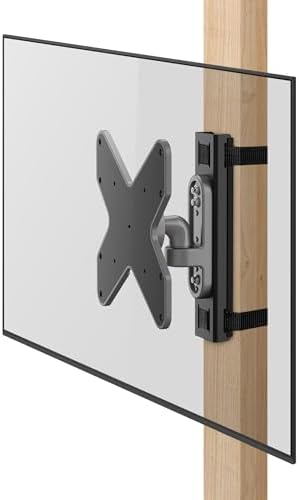
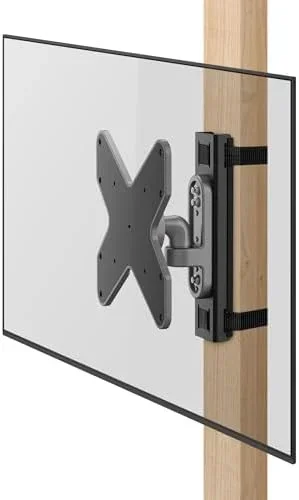
Wall mounting is the most common setup for gazebos. Ensure your TV is VESA-compatible (most are) and choose a mount rated for outdoor use. Full-motion mounts allow you to adjust the angle for optimal viewing, but fixed mounts are more secure and less prone to wind sway. Ceiling mounts are an option for open-sided gazebos but require stronger structural support.
8. User Reviews & Ratings
Never rely solely on manufacturer specs or marketing claims. Real-world user reviews reveal how a TV performs in actual outdoor conditions. Look for reviews that mention brightness in sunlight, durability after months of use, and ease of setup. Amazon, Best Buy, and Walmart customer reviews are goldmines of honest feedback—especially detailed reviews with photos or videos.
Pay attention to recurring complaints. If multiple users report screen flickering, poor Wi-Fi connectivity, or premature failure, it’s a red flag. Conversely, consistent praise for visibility, build quality, or smart features indicates a reliable model. Use tools like ReviewMeta or Fakespot to filter out fake reviews and focus on authentic experiences.
Also, check professional reviews from trusted sources like RTINGS.com, CNET, or Wirecutter. These sites conduct rigorous testing and often compare similar models side-by-side. While they may not test every budget TV for outdoor use, their insights on picture quality, input lag, and smart features are invaluable.
Different Types of Buying Guide
Common Buying Mistakes to Avoid
❌ Mistake: Assuming All “Outdoor” TVs Are Fully Weatherproof
Why it’s bad: Many budget TVs are marketed as “outdoor” or “patio-ready” but are only suitable for fully covered, dry areas. Using them in partially exposed gazebos can lead to moisture damage, corrosion, or electrical failure.
What to do instead: Always check the IP rating and manufacturer’s usage guidelines. If the TV isn’t rated for outdoor exposure, pair it with a certified weatherproof enclosure.
❌ Mistake: Ignoring Brightness Requirements
Why it’s bad: A TV with low brightness (under 400 nits) will appear washed out in daylight, even in a shaded gazebo. You’ll strain your eyes and miss details in bright scenes.
What to do instead: Prioritize models with 500+ nits of brightness. Look for terms like “high brightness,” “sunlight readable,” or “outdoor optimized” in the specs.
❌ Mistake: Overlooking Mounting and Installation Costs
Why it’s bad: A $400 TV can quickly become a $700 project once you add a weatherproof mount, enclosure, and professional installation.
What to do instead: Factor in all accessories and labor before purchasing. DIY installation can save money, but ensure your gazebo structure can support the weight.
❌ Mistake: Buying Based Solely on Price
Why it’s bad: The cheapest TV often lacks essential features like smart capabilities, adequate brightness, or durable construction, leading to frustration and early replacement.
What to do instead: Focus on value—not just cost. A $500 TV with 600 nits brightness and IP55 rating offers better long-term value than a $300 model that fails in six months.
❌ Mistake: Neglecting Audio Quality
Why it’s bad: Built-in speakers on budget TVs are often weak and muffled outdoors. You’ll miss dialogue or need to shout over wind noise.
What to do instead: Plan for external audio from day one. Invest in weather-resistant Bluetooth speakers or a compact soundbar designed for outdoor use.
❌ Mistake: Skipping User Reviews
Why it’s bad: Manufacturer specs don’t tell the whole story. Real users reveal issues like poor Wi-Fi range, fragile ports, or software bugs.
What to do instead: Read at least 10–15 detailed reviews from verified buyers. Look for mentions of outdoor performance, durability, and ease of use.
❌ Mistake: Forgetting About Future-Proofing
Why it’s bad: A TV with only two HDMI ports or outdated smart OS may become obsolete quickly as you add devices or streaming services.
What to do instead: Choose a model with expandable connectivity, regular software updates, and support for current streaming standards (e.g., 4K HDR, Wi-Fi 5/6).
Budget Guidelines: How Much Should You Spend?
– Entry-Level ($300–$450): What to expect… At this price, you’ll typically get a 40–50 inch indoor TV (like a TCL 4-Series or Hisense A6) paired with a basic weatherproof enclosure. Picture quality is decent for shaded use, but brightness may struggle in direct light. Smart features are present but limited. Best for occasional evening viewing in fully covered gazebos.
– Mid-Range ($450–$700): Sweet spot for most buyers… This tier offers the best balance of performance and affordability. Look for 50–55 inch models with 500+ nits brightness, IP54+ rating, and robust smart platforms (Roku or Android TV). Examples include the Vizio V-Series or Hisense U6. Often includes better audio, more HDMI ports, and improved build quality. Ideal for regular daytime and nighttime use.
– Premium ($700–$1,000): For enthusiasts and professionals… Here, you’ll find true semi-outdoor or entry-level outdoor TVs with enhanced durability, anti-glare screens, and superior thermal management. Brands like SunBrite offer refurbished models in this range. Expect longer lifespans, better customer support, and features like local dimming or Dolby Vision.
– Luxury ($1,000+): Top-tier features… These are commercial-grade outdoor TVs with full weatherproofing, extreme brightness (1,000+ nits), and advanced cooling systems. Overkill for most gazebos, but justified for high-end outdoor theaters or commercial installations.
Expert Tips for Getting the Best Deal
– Buy during seasonal sales: Major discounts occur during Black Friday, Cyber Monday, and post-holiday clearance events (January–February). Retailers often discount last year’s models to make room for new inventory.
– Shop at warehouse clubs: Costco and Sam’s Club frequently offer bundled deals on TVs with mounts or extended warranties at lower prices than big-box stores.
– Consider refurbished units: Certified refurbished outdoor TVs from reputable sellers (like Amazon Renewed or manufacturer outlets) can save 20–40% off retail while including warranties.
– Check return policies: Ensure the retailer allows returns within 30 days, especially if you’re unsure about outdoor compatibility. Some stores charge restocking fees for opened electronics.
– Test brightness in person: If possible, view the TV in a well-lit store or ask for a demo video showing outdoor performance. Brightness specs can be misleading.
– Bundle with accessories: Some retailers offer discounts when you buy a TV, mount, and enclosure together. Compare total costs before deciding.
– Use price tracking tools: Websites like Honey, CamelCamelCamel, or Keepa alert you when prices drop on specific models.
– Negotiate with local installers: If hiring a professional, ask if they offer package deals on TV + installation. Some provide discounts for bundled services.

Frequently Asked Questions
Q: Can I use a regular indoor TV in my gazebo?
A: Yes—but only if it’s fully covered and protected from moisture, dust, and temperature extremes. You’ll need a certified weatherproof enclosure to prevent damage. Without one, even brief exposure to humidity can ruin the internal components.
Q: What’s the minimum brightness needed for a gazebo TV?
A: Aim for at least 400 nits for shaded areas, but 500–700 nits is ideal for daytime viewing. Anything below 350 nits will appear dim and washed out in sunlight.
Q: Do I need a special mount for outdoor use?
A: Yes. Standard indoor mounts aren’t designed to withstand wind, humidity, or temperature changes. Use an outdoor-rated mount with rust-resistant coatings and secure anchoring.
Q: How do I protect my TV from rain if my gazebo isn’t fully enclosed?
A: Invest in a high-quality weatherproof enclosure with an IP65 or higher rating. Ensure it has proper ventilation to prevent overheating and a secure seal around cables.
Q: Can I connect streaming devices like Roku or Fire Stick?
A: Absolutely. Most budget TVs have multiple HDMI ports. Just ensure the device is also protected from the elements—either inside the TV enclosure or in a separate weatherproof box.
Q: Will my Wi-Fi reach the gazebo?
A: It depends on distance and obstacles. If the signal is weak, use a Wi-Fi extender or mesh network designed for outdoor use. Some TVs also support Ethernet via USB adapters for wired connections.
Q: How long do budget outdoor TVs last?
A: With proper protection and moderate use, 5–7 years is typical. Higher-end models or those in harsh environments may last longer or shorter, depending on maintenance.
Q: Are OLED TVs suitable for outdoor use?
A: Generally no. OLED screens are prone to burn-in and don’t get bright enough for daylight viewing. Stick with LED/LCD models for outdoor applications.
Q: Can I leave my patio TV on all the time?
A: Not recommended. Continuous operation generates heat and wears out components faster. Use a smart plug with a timer to automate power cycles.
Q: What’s the difference between IP54 and IP65?
A: IP54 protects against splashing water and limited dust. IP65 offers protection against low-pressure water jets and more dust resistance—better for partially exposed areas.
Our Final Recommendations
– Best for Budget-Conscious Buyers: TCL 50S450G (50″ 4K Roku TV) + Peerless-AV Outdoor Enclosure. Total cost under $600. Offers 450 nits brightness, simple setup, and reliable performance in covered gazebos.
– Best Overall Value: Hisense 55U6H (55″ ULED 4K) with built-in weather resistance. Priced around $650, it delivers 600 nits brightness, Dolby Vision, and excellent color accuracy—ideal for daytime viewing.
– Best Premium Option: Refurbished SunBrite Veranda 55-inch. Available for $800–$900, it’s a true outdoor TV with 1,000+ nits brightness, full weatherproofing, and anti-glare screen—perfect for partially exposed gazebos.
– Best for Beginners: Vizio V505-J01 (50″ V-Series) with basic outdoor mount. Easy to set up, user-friendly interface, and solid performance for under $500.
– Best for Advanced Users: Custom setup with LG 55NANO75UPA (55″ NanoCell) in a Ventev Outdoor Enclosure. Offers superior color gamut, gaming features, and modular design for tech-savvy users.
Conclusion: Making the Right Choice
Choosing the right cheap patio TV for your gazebo doesn’t have to be overwhelming—or expensive. By focusing on key factors like brightness, weather resistance, and smart features, you can find a model that delivers excellent performance without exceeding your budget. Remember, the goal isn’t to buy the cheapest TV available, but the one that offers the best long-term value for your specific setup.
Prioritize your needs: if you watch mostly at night in a fully covered gazebo, a basic indoor TV with an enclosure may suffice. But if you enjoy daytime sports or live in a humid climate, investing in a brighter, more durable model pays off. Always read reviews, compare total costs (including accessories), and don’t skip on protection.
Your gazebo is more than just a structure—it’s an extension of your home, a place for connection, relaxation, and joy. With the right TV, it becomes a true entertainment destination. So take your time, do your research, and make a choice that lets you enjoy every sunset, game night, and movie under the stars—without compromise.

