
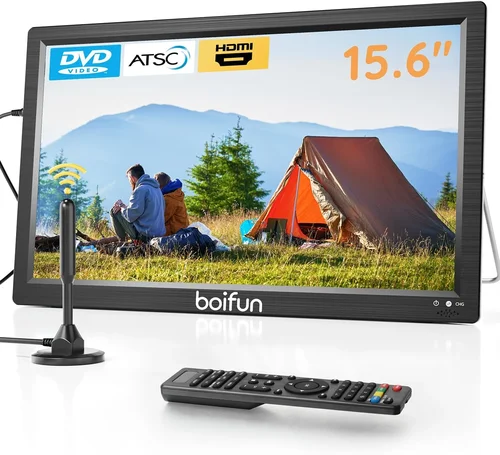
If you live near the coast, you already know the unique challenges that come with enjoying outdoor living spaces. Salt air, high humidity, intense UV exposure, and unpredictable weather can quickly degrade even the most durable electronics. That’s why choosing the right patio TV isn’t just about picture quality or smart features—it’s about survival. A standard indoor TV left outside will corrode, fade, or fail within months. But a purpose-built outdoor TV designed for coastal environments? That’s an investment in years of backyard movie nights, game-day gatherings, and quiet sunsets with your favorite show playing softly in the background.
This comprehensive buying guide is here to help you navigate the often-confusing world of affordable outdoor TVs tailored specifically for coastal homes. Whether you’re on a tight budget or looking for the best value under $1,500, we’ll walk you through every critical factor—from weather resistance and screen brightness to build materials and warranty coverage. You’ll learn how to avoid common pitfalls, understand what “weatherproof” really means, and identify which brands actually deliver on their promises. By the end, you’ll have the confidence to choose a patio TV that withstands the elements without breaking the bank.
The market for outdoor TVs has exploded in recent years, with more manufacturers offering budget-friendly options than ever before. However, not all “outdoor” TVs are created equal—especially when it comes to salt-laden coastal air. Many so-called outdoor models are merely indoor TVs housed in basic enclosures, offering minimal protection against corrosion and moisture. True coastal-ready patio TVs use marine-grade components, anti-reflective coatings, and sealed ventilation systems to combat the harsh seaside environment. In this guide, we’ll cut through the marketing noise and focus on real-world performance, durability, and value, helping you find a TV that delivers both stunning visuals and long-term reliability—no matter how close you are to the ocean.

What to Look for When Buying Buying Guide
1. Weather Resistance & IP Rating
When shopping for a patio TV in a coastal area, weather resistance isn’t optional—it’s essential. The first thing to check is the TV’s Ingress Protection (IP) rating, which indicates how well it resists dust and water. For coastal homes, look for a minimum IP55 rating, but ideally IP65 or higher. An IP65 rating means the TV is dust-tight and protected against water jets from any direction—perfect for rain, sea spray, and occasional hose-downs.
However, IP ratings alone don’t tell the whole story. Coastal environments demand more than just water resistance; they require protection against salt corrosion. Salt accelerates the degradation of metal components, circuit boards, and connectors. Look for TVs with marine-grade aluminum or stainless-steel housings, sealed ports, and conformal coating on internal electronics. These features prevent salt from penetrating sensitive areas and causing premature failure.
Also, consider the TV’s operating temperature range. Coastal climates can swing from chilly ocean breezes to scorching summer heat. A good outdoor TV should operate reliably between 32°F and 104°F (0°C to 40°C), with some models extending even further. Avoid TVs that shut down in extreme heat—this is especially important if your patio gets direct sunlight for most of the day.
2. Screen Brightness & Anti-Glare Technology
One of the biggest challenges with outdoor TVs is visibility in bright sunlight. Standard indoor TVs typically peak at 300–500 nits of brightness—fine for a dim living room but nearly invisible on a sun-drenched patio. For coastal homes, where reflective sand and water amplify glare, you need a TV with at least 700 nits, but ideally 1,000 nits or more.
High brightness alone isn’t enough. You also need an anti-reflective or anti-glare screen coating. These coatings reduce mirror-like reflections from the sun, making the image clearer and easier to see. Some premium models use optically bonded glass, which eliminates the air gap between the screen and the outer glass layer, further reducing reflections and improving contrast.
Another key feature is local dimming or high dynamic range (HDR) support. HDR enhances contrast by brightening highlights and deepening shadows, which is crucial when watching content in mixed lighting—like a sunset behind the TV. Look for TVs that support HDR10 or Dolby Vision, as these formats deliver better outdoor visibility than standard dynamic range (SDR).
Finally, consider the screen’s viewing angle. Coastal patios often have seating arranged in wide arcs, so a TV with wide viewing angles (178° horizontal and vertical) ensures everyone gets a clear picture, even from the side.
3. Build Quality & Durability
Durability is non-negotiable for coastal patio TVs. Salt air is one of the most corrosive environments on Earth, and even small amounts can eat away at metal frames, screws, and internal components over time. Start by examining the TV’s chassis. Marine-grade aluminum or powder-coated steel resists rust and corrosion far better than standard plastics or untreated metals.
Check the mounting hardware. Many budget outdoor TVs come with basic wall mounts that aren’t designed for outdoor use. Look for stainless-steel or galvanized mounting kits that include corrosion-resistant screws and anchors. If you’re mounting on a wood or concrete surface, ensure the hardware is rated for exterior use.
Internal durability matters too. High-quality outdoor TVs use sealed cooling systems that prevent dust and moisture from entering while allowing heat to escape. Avoid models with open vents or fans that can suck in salty air. Some manufacturers use passive cooling (no fans) to eliminate this risk entirely.
Also, consider the TV’s weight and thickness. Thicker, heavier units often indicate better insulation and sturdier construction. A flimsy, lightweight TV may save money upfront but will likely fail sooner in harsh conditions.
4. Smart Features & Connectivity
Even on a budget, you don’t have to sacrifice smart functionality. Most modern outdoor TVs come with built-in Wi-Fi, Bluetooth, and streaming platforms like Roku, Android TV, or webOS. These features let you access Netflix, YouTube, Disney+, and other services without needing an external streaming device.
When evaluating smart capabilities, check the operating system’s responsiveness and update frequency. A slow or outdated OS can make navigation frustrating, especially when trying to switch between apps quickly. Look for models that receive regular software updates—this ensures compatibility with new apps and security patches.
Connectivity is equally important. Ensure the TV has multiple HDMI ports (at least two), USB ports for media playback, and an Ethernet port for wired internet—especially useful if your Wi-Fi signal is weak outdoors. Some models also include optical audio outputs or ARC (Audio Return Channel) for connecting soundbars or outdoor speakers.
For coastal homes, remote control durability is a hidden but critical factor. Look for remotes with rubberized coatings or sealed buttons that resist moisture and salt buildup. Some premium models offer smartphone app control as a backup, which can be a lifesaver if the remote gets damaged.
5. Size & Viewing Distance
Choosing the right screen size depends on your patio layout and typical viewing distance. A common mistake is going too small—outdoor spaces often feel larger, and people sit farther away than indoors. As a general rule, divide your viewing distance (in inches) by 1.5 to get the ideal screen size in inches. For example, if you’ll be sitting 10 feet (120 inches) away, a 75-inch TV (120 ÷ 1.5 = 80) would be perfect.
However, don’t overlook the physical dimensions of the TV itself. Outdoor models are often bulkier due to protective housings, so measure your mounting space carefully. Allow at least 6–8 inches of clearance on all sides for ventilation and cable management.
Also consider portability. If you plan to move the TV between the patio and garage or indoor space, look for models with built-in handles or lightweight designs. Some budget outdoor TVs weigh over 50 pounds, making them difficult to relocate without help.
Finally, think about future-proofing. A 55-inch TV might seem large today, but as 4K content becomes standard, larger screens offer a more immersive experience. If your budget allows, consider stepping up to 65 inches for better long-term satisfaction.
6. Brand Reputation & Real-World Performance
Not all outdoor TV brands are created equal—especially in the budget segment. Some companies specialize in outdoor electronics and have years of experience designing for harsh environments, while others repackage indoor TVs with minimal modifications. Research the manufacturer’s history. Do they offer dedicated outdoor models, or are they just slapping “weatherproof” labels on standard units?
Look for brands with proven track records in coastal regions. Companies like SunBriteTV, Seura, and Peerless have built reputations for durability and customer support. Even budget-friendly brands like Vizio and TCL now offer outdoor-ready models with improved weather resistance.
Read real user reviews from coastal homeowners. Pay attention to comments about longevity, corrosion, and customer service. A TV that works great in Arizona might fail in Florida due to humidity and salt exposure. Forums like Reddit’s r/outdoortv or Home Depot’s review section often include detailed feedback from users in similar environments.
Also, check if the brand offers regional support. If your TV fails after two years, you’ll want a company with service centers or technicians familiar with outdoor electronics. Avoid brands that only offer email support or require you to ship the unit back for repairs.
7. Warranty & Support
A strong warranty is your best defense against premature failure—especially in a corrosive coastal environment. Most indoor TVs come with a 1-year limited warranty, but outdoor models should offer at least 2–3 years of coverage. Look for warranties that explicitly cover weather-related damage, corrosion, and component failure due to environmental exposure.
Some manufacturers offer extended warranties or protection plans for an additional fee. While these can be tempting, evaluate whether the cost is justified. A $200 extended warranty on a $800 TV might not be worth it if the base warranty already covers the major risks.
Support quality matters too. Can you reach a human technician quickly? Do they understand outdoor TV issues? Test the support line before buying—call with a simple question and see how responsive and knowledgeable the staff is.
Finally, check the return policy. If the TV arrives damaged or doesn’t perform as expected, you’ll want at least a 30-day return window with free return shipping. Some retailers charge restocking fees or deduct shipping costs, so read the fine print carefully.
8. Energy Efficiency & Operating Costs
Outdoor TVs often run longer hours than indoor models—think evening movies, weekend sports, or background music during gatherings. This increased usage can lead to higher electricity bills, especially with older or inefficient models.
Look for TVs with ENERGY STAR certification, which indicates they meet strict energy efficiency guidelines set by the EPA. These models use up to 30% less energy than standard TVs, saving you money over time. LED backlighting is standard in most modern TVs and is far more efficient than older CCFL technology.
Also consider standby power consumption. Some TVs draw significant power even when “off,” especially if they’re constantly connected to Wi-Fi or waiting for voice commands. Look for models with low standby usage (under 0.5 watts) or physical power switches to cut off all current when not in use.
For solar-powered homes or those with outdoor electrical constraints, energy efficiency becomes even more critical. A lower-wattage TV reduces the load on generators or solar inverters, ensuring reliable operation during outages or peak usage times.
Different Types of Buying Guide
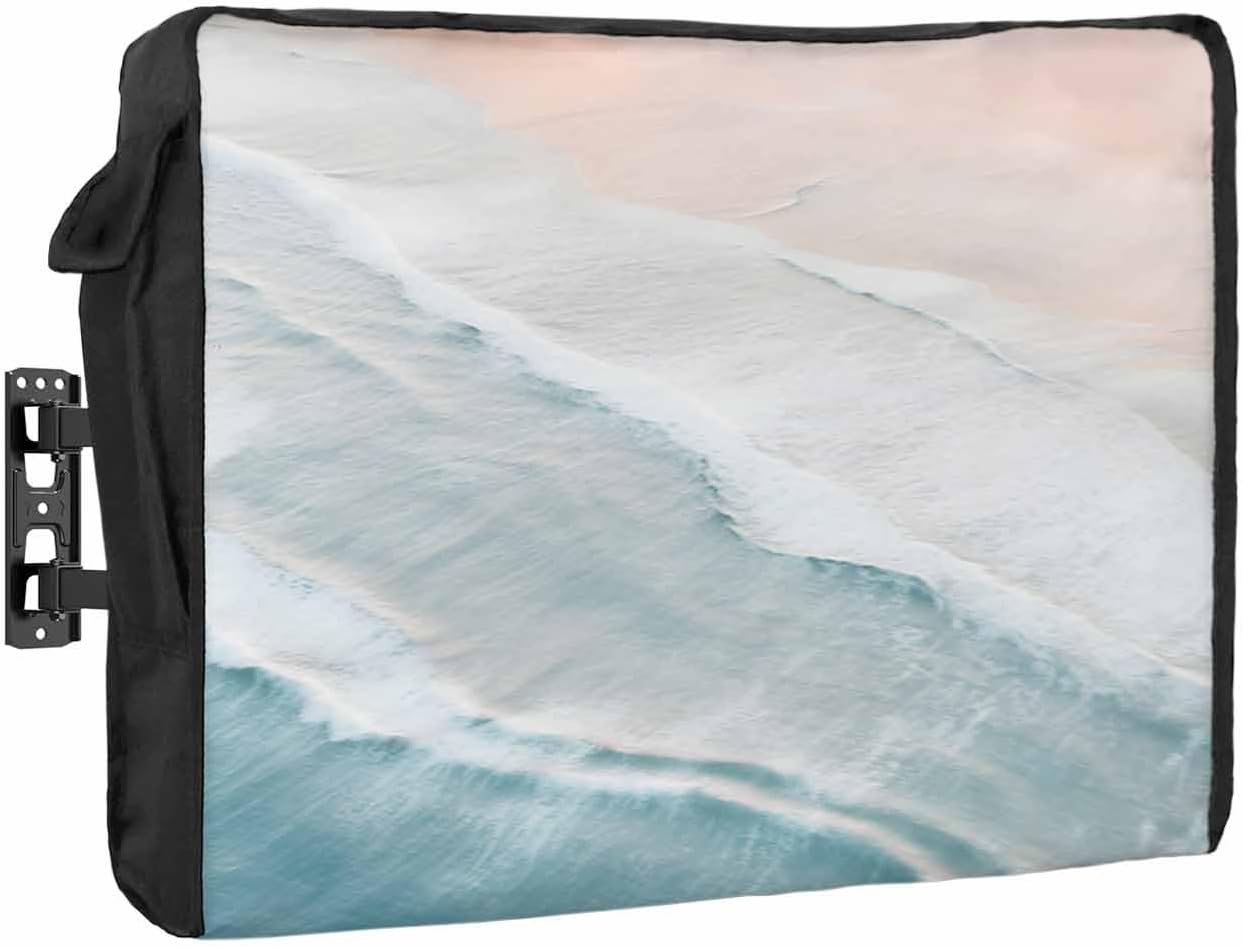
Common Buying Mistakes to Avoid
❌ Mistake: Buying an Indoor TV and Putting It Outside
Why it’s bad: Indoor TVs lack the sealing, corrosion resistance, and brightness needed for outdoor use. Salt air will corrode internal components within months, and the screen will be nearly invisible in sunlight. Most indoor TVs also overheat when exposed to direct sun, leading to permanent damage or fire hazards.
What to do instead: Invest in a TV specifically designed for outdoor use. Even budget outdoor models offer far better protection and performance than modified indoor units. If you must use an indoor TV, house it in a fully sealed, ventilated enclosure—but expect higher long-term costs and reduced reliability.
❌ Mistake: Ignoring the IP Rating
Why it’s bad: A low or missing IP rating means the TV isn’t truly protected against water and dust. In coastal areas, even light sea spray can seep into vents and ports, causing shorts and corrosion. Without proper sealing, the TV’s lifespan will be drastically shortened.
What to do instead: Always verify the IP rating before purchasing. Aim for IP55 or higher, and confirm that the rating applies to the entire unit—not just the screen. Look for independent testing certifications from organizations like UL or Intertek.
❌ Mistake: Overlooking Mounting Hardware
Why it’s bad: Standard indoor wall mounts aren’t built for outdoor conditions. They can rust, loosen, or fail under wind load, risking the TV falling and causing injury or property damage. Poor mounting also restricts ventilation, leading to overheating.
What to do instead: Use marine-grade or galvanized outdoor mounts with corrosion-resistant hardware. Ensure the mount is rated for the TV’s weight and includes tilt/swivel options for optimal viewing. Consider professional installation if you’re unsure about structural integrity.
❌ Mistake: Choosing Based on Price Alone
Why it’s bad: The cheapest option often cuts corners on materials, sealing, and components. A $400 “outdoor” TV might save money upfront but fail within a year, costing more in replacements and frustration. Coastal environments demand quality—skimping leads to premature failure.
What to do instead: Focus on value, not just price. A $900 TV with a 3-year warranty, IP65 rating, and 1,000-nit brightness offers better long-term value than a $500 model with minimal protection. Calculate cost per year of expected use to make smarter decisions.
❌ Mistake: Not Testing Visibility in Sunlight
Why it’s bad: A TV that looks great in a dim showroom will be washed out on a sunny patio. Without adequate brightness and anti-glare coating, you’ll struggle to see the screen during daytime use, defeating the purpose of an outdoor TV.
What to do instead: If possible, view the TV outdoors or in a bright showroom. Check for reflections, color accuracy, and clarity in direct light. Read reviews from users in similar lighting conditions. Prioritize brightness (1,000+ nits) and anti-reflective screens.
❌ Mistake: Skipping the Warranty Check
Why it’s bad: Outdoor TVs face harsher conditions than indoor models, increasing the risk of failure. Without a strong warranty, you’re on the hook for repair or replacement costs—often hundreds of dollars. Some warranties exclude weather damage, leaving you unprotected.
What to do instead: Read the warranty terms carefully. Ensure it covers corrosion, moisture damage, and component failure due to environmental exposure. Choose brands with at least a 2-year warranty and responsive customer support.
❌ Mistake: Forgetting About Cable Management
Why it’s bad: Exposed cables are vulnerable to weather, pests, and wear. Salt air can corrode connectors, and loose wires create tripping hazards. Poor cable management also makes the setup look messy and unprofessional.
What to do instead: Use outdoor-rated conduit or cable raceways to protect wires. Choose a TV with rear cable channels or a built-in management system. Label cables for easy troubleshooting and consider wireless alternatives (like Bluetooth audio) to reduce clutter.
Budget Guidelines: How Much Should You Spend?
When it comes to outdoor TVs for coastal homes, your budget directly impacts durability, performance, and longevity. Here’s a breakdown of what to expect at different price points:
Entry-Level ($400–$700): These models are ideal for covered patios or partial-shade areas. Expect basic weather sealing (IP54), brightness around 700 nits, and limited smart features. Brands like TCL and Vizio offer budget outdoor TVs in this range, but durability may be compromised in direct salt exposure. Best for seasonal use or low-humidity coastal zones.
Mid-Range ($700–$1,200): This is the sweet spot for most coastal homeowners. TVs in this tier typically feature IP65 ratings, 1,000+ nits brightness, marine-grade materials, and full smart functionality. Models from SunBriteTV’s Veranda series or Peerless’ outdoor line offer excellent value with 2–3 year warranties. Perfect for uncovered patios with moderate sun and sea spray.
Premium ($1,200–$2,000): Designed for full outdoor exposure, these TVs deliver top-tier brightness (1,500+ nits), advanced anti-glare coatings, and robust corrosion protection. They often include features like local dimming, Dolby Vision, and fanless cooling. Ideal for beachfront properties or areas with intense sun and high salt levels.
Luxury ($2,000+): Reserved for enthusiasts and high-end installations, luxury outdoor TVs offer 4K HDR, ultra-thin designs, and custom mounting solutions. Brands like Seura and Samsung’s The Terrace provide integrated sound systems, ambient light sensors, and app-based controls. These are built to last decades in the harshest coastal environments.
Expert Tips for Getting the Best Deal
- Shop during off-season sales: Outdoor TVs are most expensive in spring and summer. Look for discounts in late fall or winter—retailers often clear inventory before the next season.
- Compare online and in-store prices: Online retailers like Amazon, Best Buy, and Crutchfield often offer better deals and free shipping. However, in-store purchases let you inspect build quality and test brightness.
- Check for bundle deals: Some retailers include free mounts, cables, or extended warranties with TV purchases. These can save $100–$300 compared to buying separately.
- Read return policies carefully: Outdoor TVs are heavy and expensive to return. Ensure the seller offers at least 30 days to return and covers return shipping costs.
- Test before you buy: If possible, visit a showroom or borrow a friend’s outdoor TV to test visibility, sound, and ease of use in real conditions.
- Consider refurbished models: Certified refurbished outdoor TVs from reputable sellers can save 20–30% off retail price while offering the same warranty and performance.
- Negotiate with local installers: Some AV specialists offer discounts on TVs when you hire them for installation. It’s worth asking!
- Monitor price-tracking tools: Use tools like Honey or CamelCamelCamel to track price drops and get alerts when your desired model goes on sale.

Frequently Asked Questions
Q: Can I use a regular TV outside if I cover it?
A: Technically yes, but it’s not recommended for coastal areas. Even with a cover, salt air and humidity will seep in, corroding internal components. Plus, most covers block ventilation, causing overheating. A purpose-built outdoor TV is a far safer and more reliable choice.
Q: How long do outdoor TVs last in coastal environments?
A: With proper care, a quality outdoor TV can last 5–10 years in coastal areas. Models with marine-grade materials and sealed designs tend to last longer. Regular cleaning and avoiding direct salt spray can extend lifespan significantly.
Q: Do outdoor TVs need special power outlets?
A: Most outdoor TVs use standard 120V outlets, but they should be GFCI-protected for safety. If your patio lacks outdoor-rated outlets, hire an electrician to install one. Never use indoor extension cords outdoors.
Q: Can I mount an outdoor TV on a wooden deck?
A: Yes, but ensure the mount is securely anchored to a structural beam or joist—not just the deck surface. Use lag bolts and consider a reinforcement bracket for added stability.
Q: Are outdoor TVs worth the extra cost?
A: Absolutely, if you plan to use your patio regularly. The durability, brightness, and weather resistance justify the higher price, especially in coastal climates where indoor TVs fail quickly.
Q: Do outdoor TVs come with built-in speakers?
A: Most do, but sound quality varies. For better audio, consider pairing your TV with outdoor speakers or a soundbar. Look for models with ARC or optical outputs for easy connectivity.
Q: Can I use my outdoor TV in the rain?
A: Yes, if it has an IP65 or higher rating. These TVs are designed to withstand rain, snow, and sea spray. However, avoid spraying them directly with high-pressure water.
Q: What’s the difference between partial-shade and all-weather TVs?
A: Partial-shade models are for covered areas with minimal direct exposure. All-weather TVs are fully sealed and built for open patios with full sun, rain, and wind. Choose based on your setup.
Q: How do I clean my outdoor TV?
A: Use a soft, dry microfiber cloth for the screen. For the housing, wipe with a damp cloth and mild soap. Avoid abrasive cleaners or ammonia-based products, which can damage coatings.
Q: Can I control my outdoor TV with my phone?
A: Many smart outdoor TVs support smartphone apps for remote control. Check if the model you’re considering has a dedicated app or works with universal remotes like Logitech Harmony.
Our Final Recommendations
Best for Budget-Conscious Buyers: TCL 55″ Outdoor TV (Model 55S06) – At under $700, this model offers IP55 rating, 800-nit brightness, and Roku smart platform. Ideal for covered patios with minimal salt exposure.
Best Overall Value: SunBriteTV Veranda 65″ 4K UHD – Priced around $1,100, it features IP65 sealing, 1,000-nit brightness, and a 3-year warranty. Perfect balance of performance and durability for most coastal homes.
Best Premium Option: Seura 75″ Outdoor TV – With 1,500-nit brightness, Dolby Vision, and marine-grade aluminum housing, this $1,800 model is built for luxury beachfront living.
Best for Beginners: Vizio 50″ Outdoor Smart TV – Easy setup, intuitive interface, and solid weather protection make this a great first outdoor TV for new users.
Best for Advanced Users: Peerless 70″ Ultra-Bright Outdoor TV – Offers local dimming, wide viewing angles, and fanless cooling for silent operation—ideal for tech-savvy homeowners who want top performance.
Conclusion: Making the Right Choice
Choosing the right patio TV for your coastal home is about more than just picture quality—it’s about resilience, visibility, and long-term value. Salt air, humidity, and intense sunlight demand a TV built to withstand the elements, not just endure them. By prioritizing weather resistance, screen brightness, build quality, and warranty coverage, you’ll avoid costly mistakes and enjoy years of reliable outdoor entertainment.
Remember, the cheapest option isn’t always the best. Invest in a model that matches your environment and usage patterns. Whether you’re watching sunset dramas from your deck or hosting summer barbecues with the game on, the right outdoor TV transforms your patio into a true extension of your home.
Take your time, compare options, and don’t hesitate to ask questions. Your perfect coastal patio TV is out there—ready to deliver stunning visuals, rain or shine, year after year.

