
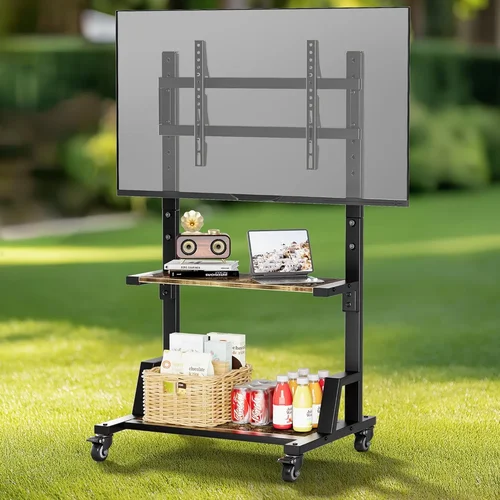
Living in an apartment doesn’t mean you have to sacrifice your outdoor entertainment dreams. Whether you’ve got a cozy balcony, a small rooftop terrace, or even just a sunny corner of your patio, adding a TV can transform that space into a true extension of your living room. But here’s the catch: most outdoor TVs are built for sprawling backyards and come with price tags to match—often $2,000 or more. For renters and budget-conscious apartment dwellers, that’s simply not realistic.
That’s where cheap patio TVs come in. These aren’t flimsy indoor TVs slapped in a weatherproof box—they’re smart, affordable solutions designed specifically for semi-outdoor use in covered or partially sheltered spaces like balconies, screened-in patios, or under eaves. In this comprehensive 2026 buying guide, we’ll walk you through everything you need to know to find a reliable, high-performing patio TV without blowing your budget. You’ll learn how to balance cost with quality, what features truly matter for apartment living, and how to avoid common pitfalls that lead to buyer’s remorse.
The market for affordable outdoor-ready TVs has exploded in recent years. Major brands like Samsung, LG, and TCL now offer models with enhanced brightness, anti-glare screens, and basic weather resistance—all at prices that won’t make your wallet weep. Meanwhile, niche players like SunBrite and Seura have introduced entry-level lines aimed squarely at urban renters. With so many options flooding the market, it’s easier than ever to enjoy your favorite shows al fresco—even if you’re working with a tight budget and limited square footage. This guide cuts through the noise to help you make a confident, informed decision.

What to Look for When Buying a Cheap Patio TV
1. Budget & Price Range
Let’s be honest: if you’re searching for a “cheap” patio TV, price is your top priority. But “cheap” doesn’t have to mean “low quality.” The key is understanding what you’re paying for—and what you’re not. Most apartment-friendly patio TVs fall between $300 and $800. At the lower end ($300–$500), you’ll find smaller screens (32″ to 43″) with basic weatherproofing and standard smart features. Mid-range models ($500–$700) often include better brightness, improved sound, and more robust build quality. Anything above $700 starts edging into premium territory, which may be overkill for a covered balcony.
When setting your budget, remember to factor in hidden costs: mounting hardware, extension cords, surge protectors, and possibly a soundbar if the built-in speakers are weak. Also, consider longevity—spending $100 more now on a TV with a better warranty or higher IP rating could save you from replacing it in two years. A good rule of thumb: aim to spend no more than 10–15% of your monthly rent on your patio TV setup. That keeps it affordable while still allowing for a quality purchase.
2. Performance Specifications
Performance matters—even outdoors. Start with screen brightness. Indoor TVs typically hit 300–400 nits, but even in a shaded patio, ambient light can wash out the picture. Look for at least 500 nits; 700+ is ideal if your space gets dappled sunlight. Resolution should be Full HD (1080p) or 4K—most budget models now offer 4K, and it makes a noticeable difference on screens 43″ and larger.
Refresh rate is another often-overlooked spec. A 60Hz panel is fine for casual viewing, but if you plan to stream sports or action movies, consider a 120Hz model (or one with motion interpolation). Input lag matters too—if you’re gaming outdoors (yes, people do that!), aim for under 20ms. Finally, check HDR support. While not essential, HDR10 or Dolby Vision can significantly enhance color and contrast, especially in mixed lighting conditions.
Don’t forget audio. Most budget TVs have tinny built-in speakers. If your patio is near neighbors, you might want to pair your TV with wireless headphones or a compact Bluetooth speaker to avoid noise complaints—and enjoy better sound.
3. Build Quality & Durability
This is where many cheap TVs fail. An outdoor TV must withstand temperature swings, humidity, dust, and occasional splashes—even under cover. Look for an IP (Ingress Protection) rating. IP54 is the bare minimum for covered patios: it means the TV is protected against dust and water splashes from any direction. IP55 or higher is better if your space is partially exposed.
Check the materials. Plastic casings may save money but can warp or crack in extreme heat. Aluminum or powder-coated steel frames offer better longevity. Also, inspect the ports—sealed or rubber-flapped HDMI and USB ports prevent moisture ingress. Internal components should be conformal-coated (a protective layer against corrosion), though this isn’t always advertised. If a manufacturer emphasizes “weather-resistant” or “outdoor-ready,” ask for specifics.
Temperature tolerance is crucial. Most indoor TVs shut down below 32°F or above 95°F. Outdoor-rated models usually operate from -4°F to 122°F. If you live in a climate with harsh winters or scorching summers, this spec is non-negotiable.
4. Features & Functionality
Smart functionality is almost expected in 2026, and thankfully, even budget patio TVs come loaded with it. Roku TV, Android TV, and webOS are the most common platforms. Roku is user-friendly and has the widest app selection, while Android TV offers deeper customization and Google Assistant integration. Avoid proprietary systems with limited app support—they quickly become obsolete.
Connectivity is key. Ensure your TV has at least three HDMI ports (for streaming devices, game consoles, and soundbars), USB ports for media playback, and Wi-Fi 5 or 6 for stable streaming. Bluetooth is a nice-to-have for wireless audio. Some models even include built-in streaming sticks (like Roku Ultra) to save a port.
Consider ease of control. Voice remotes are standard now, but check if the remote is backlit—useful for evening viewing. Also, see if the TV supports mobile apps for casting or remote control. This is especially handy if you lose the physical remote (a common patio mishap!).
5. Brand Reputation
Not all brands are created equal—even in the budget segment. Stick with established names known for reliability and customer service. TCL and Hisense dominate the low-cost 4K market and consistently receive high marks for value. Samsung and LG offer slightly pricier but more durable options with better after-sales support. Avoid unknown brands with no service network—if something breaks, you’re stuck.
Research brand-specific outdoor initiatives. For example, TCL’s “Outdoor Mode” boosts brightness and reduces reflections, while Samsung’s “Ambient Mode” lets the TV blend into your decor when off. These small touches show a brand understands real-world use cases.
Also, check if the brand offers extended warranties or accidental damage coverage. Some retailers (like Best Buy or Costco) include free tech support or in-home service, which can be a lifesaver for apartment dwellers without tools or installation experience.
6. Warranty & Support
A cheap TV isn’t a bargain if it dies in 18 months. Always check the warranty—most budget models come with a 1-year limited warranty. However, some brands (like Vizio) offer 2 years, and extended plans are often available for $50–$100. For patio use, where environmental stress is higher, a longer warranty is worth the investment.
Support matters too. Can you easily reach customer service? Is there a local repair center? Online forums and Reddit communities often reveal which brands honor warranties promptly and which drag their feet. Look for brands with U.S.-based support teams—they’re typically more responsive than offshore centers.
Finally, read the fine print. Many warranties void coverage if the TV is used “outdoors” unless explicitly rated for it. Make sure your usage scenario (e.g., covered balcony) is covered under the terms.
7. Size & Portability
In an apartment, space is precious. A 65-inch TV might look great in a mansion backyard, but it’ll overwhelm a 6′ x 8′ balcony. Most experts recommend 32″ to 50″ for patio use. At 6–8 feet viewing distance, a 43″ screen offers the sweet spot between immersion and practicality.
Portability is another advantage of smaller TVs. If you move frequently (common for renters), a lightweight 32″ or 40″ model is easier to pack and reinstall. Some models even come with carrying handles or VESA-compatible mounts for quick detachment.
Consider the stand vs. wall mount. A stand takes up floor space but allows flexibility. Wall mounting saves space and looks cleaner but requires drilling (check your lease!). Many budget TVs include both options, so you can decide later.
8. User Reviews & Ratings
Never buy a patio TV based on specs alone. Real-world user reviews reveal flaws manufacturers won’t admit. Focus on reviews from people in similar situations—apartment dwellers, balcony users, or those in humid climates. Look for patterns: if multiple users report screen fogging after rain, that’s a red flag.
Check third-party sites like Wirecutter, RTINGS.com, or Amazon verified purchases. Avoid reviews that seem overly promotional or lack detail. Pay attention to long-term feedback—how does the TV perform after 6 or 12 months? Also, note return rates. A high return rate on a specific model often signals hidden issues.
Finally, watch unboxing and setup videos on YouTube. They show how easy (or hard) it is to install, how sturdy the stand is, and whether the remote feels cheap. Visual proof beats a thousand words.
Different Types of Cheap Patio TVs

Common Buying Mistakes to Avoid
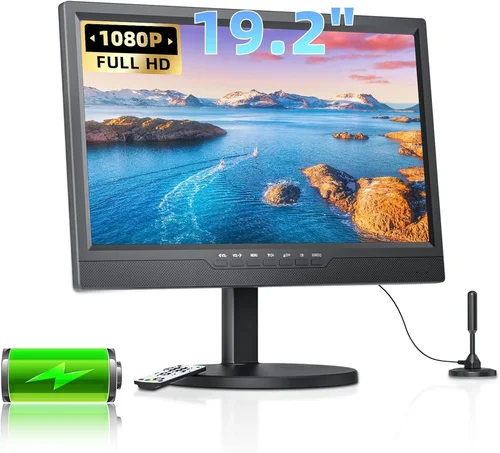
❌ Mistake: Buying a Regular Indoor TV for Outdoor Use
Why it’s bad: Indoor TVs aren’t designed for temperature fluctuations, humidity, or dust. Even under cover, they can overheat, suffer screen burn-in, or short-circuit from moisture. Many warranties explicitly exclude outdoor use, leaving you with no recourse if it fails.
What to do instead: Either choose a TV with an IP54+ rating or use a certified weatherproof enclosure. If going the enclosure route, ensure it has ventilation to prevent overheating and is rated for your climate.
❌ Mistake: Ignoring Viewing Angle and Glare
Why it’s bad: Even in shade, ambient light reflects off screens. A TV with poor anti-glare coating will look washed out, forcing you to max brightness (which drains power and reduces lifespan).
What to do instead: Look for TVs with matte finishes or anti-reflective coatings. Test the screen in person if possible—hold up a flashlight to see how much glare it produces. OLED screens handle glare better than LCDs but are rarer in budget models.
❌ Mistake: Overlooking Power and Cable Management
Why it’s bad: Running extension cords across your patio is a tripping hazard and looks messy. Exposed cables can degrade from UV exposure or get chewed by pests.
What to do instead: Use outdoor-rated extension cords with GFCI protection. Conceal wires in cable raceways or under outdoor rugs. Consider a TV with rear-facing ports to keep cables hidden against the wall.
❌ Mistake: Choosing the Wrong Size for Your Space
Why it’s bad: A TV too large overwhelms a small patio and strains your eyes. One too small forces you to sit uncomfortably close, defeating the purpose of outdoor relaxation.
What to do instead: Measure your seating distance. Multiply by 0.84 for the ideal screen diagonal in inches (e.g., 8 feet = 96″ x 0.84 ≈ 80″—but for patios, cap at 50″). When in doubt, go smaller.
❌ Mistake: Skipping the Sound Check
Why it’s bad: Wind, traffic, and distance mute built-in speakers. You end up cranking the volume, disturbing neighbors, or missing dialogue.
What to do instead: Pair your TV with a weather-resistant Bluetooth speaker or soundbar. Look for models with optical or HDMI ARC output for easy connection. Test audio at patio volume before buying.
❌ Mistake: Not Checking Lease Restrictions
Why it’s bad: Many apartments prohibit wall mounting, drilling, or permanent modifications. Installing a TV without permission could result in fines or eviction.
What to do instead: Review your lease or ask your landlord. Opt for freestanding mounts, tension rod systems, or TVs with sturdy bases that don’t require drilling.
❌ Mistake: Forgetting About Security
Why it’s bad: A visible TV on a balcony is theft bait, especially in urban areas. High-end models are obvious targets, but even budget TVs attract opportunists.
What to do instead: Use a security cable lock (like those for laptops) to anchor the TV to a railing or heavy furniture. Choose a model that’s easy to remove and store indoors when not in use.
Budget Guidelines: How Much Should You Spend?
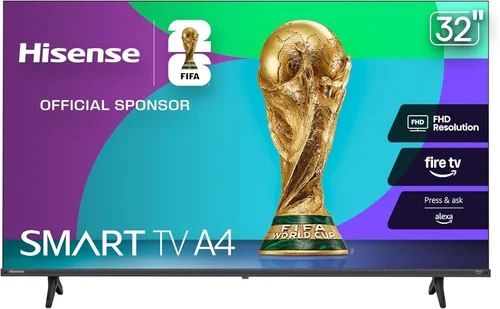
Entry-Level ($250–$400): Perfect for small balconies or occasional use. Expect 32″ to 43″ screens, basic smart features (Roku or Fire TV), and minimal weather resistance (IP54). Brands like Hisense and TCL dominate this tier. Ideal if you’re testing the waters or have a very sheltered space.
Mid-Range ($400–$600): The sweet spot for most apartment dwellers. You’ll get 43″ to 50″ 4K screens, better brightness (500–700 nits), improved audio, and solid build quality. Look for models from Samsung (The Frame Outdoor Mode), LG (UT6400 series), or TCL 5-Series. These offer the best balance of performance, durability, and price.
Premium ($600–$800): For those who want near-professional quality without the pro price. Features include full IP55 rating, 1000+ nits brightness, Dolby Vision, and advanced cooling systems. Great if your patio gets partial sun or you host frequent gatherings. Consider refurbished SunBrite Veranda series or new Seura Shadow TVs.
Luxury ($800+): Overkill for most apartments, but justified if you have a large rooftop or commercial-grade setup. These are true all-weather TVs with metal housings, 24/7 operation capability, and professional installation support. Only recommended if you’re serious about outdoor entertainment and have the space to match.
Expert Tips for Getting the Best Deal
- Shop during off-seasons: Late August to October sees deep discounts as retailers clear summer inventory. Black Friday and Cyber Monday also offer solid deals, but selection may be limited.
- Buy refurbished from trusted sellers: Amazon Renewed, Best Buy Outlet, and Costco Refurbished offer inspected units with warranties—often indistinguishable from new.
- Bundle with accessories: Some retailers include free mounts, cables, or streaming devices with TV purchases. Compare total value, not just TV price.
- Use price tracking tools: CamelCamelCamel (for Amazon) or Honey alerts you when prices drop. Set alerts for your desired model and pounce when it hits your target.
- Check local classifieds: Facebook Marketplace and Craigslist sometimes have barely-used patio TVs from people who moved or upgraded. Insist on testing before paying.
- Negotiate extended warranties: At big-box stores, ask if they’ll waive the fee on an extended plan if you buy the TV and mount together.
- Read return policies carefully: Ensure you have at least 30 days to return if the TV doesn’t perform well outdoors. Some retailers charge restocking fees for opened electronics.
- Test in real conditions: If buying in-store, ask to see the TV in a bright showroom setting. Simulate your patio lighting as closely as possible.
Frequently Asked Questions
Q: Can I use a regular TV on my covered balcony?
A: Technically yes, but it’s risky. Without proper weatherproofing, humidity and temperature swings can damage internal components. If you must, use a certified outdoor enclosure and avoid direct exposure to rain or sprinklers.
Q: Do I need a special mount for a patio TV?
A: Not necessarily. Most patio TVs use standard VESA mounts. However, if wall-mounting, ensure the bracket is rated for outdoor use and can support the TV’s weight. Freestanding tripod mounts are a great drill-free alternative.
Q: How do I protect my TV from theft?
A: Use a Kensington-style lock, store the TV indoors when not in use, or choose a model that’s lightweight and easy to move. Avoid leaving it visible through windows at night.
Q: Will my TV work in cold weather?
A: Only if it’s rated for low temperatures. Check the operating range—most outdoor TVs function down to -4°F. Indoor TVs may fail below freezing.
Q: Can I connect a soundbar to a cheap patio TV?
A: Yes, if it has HDMI ARC, optical audio, or Bluetooth. Many budget models include these ports. Just ensure the soundbar is also weather-resistant if placed outdoors.
Q: Are there solar-powered patio TV options?
A: Rare and expensive. Most solar setups require large panels and batteries, making them impractical for apartments. Stick with grid power or battery-powered portable models.
Q: How long do cheap patio TVs last?
A: With proper care, 5–7 years is realistic. Avoid extreme temps, clean the screen gently, and don’t leave it on 24/7. Higher-end models may last longer due to better components.
Q: Can I stream Netflix outdoors without Wi-Fi?
A: No—you need a stable internet connection. If your balcony has weak signal, use a Wi-Fi extender or powerline adapter to boost coverage.
Q: Is 4K worth it for a small patio TV?
A: On screens 43″ and larger, yes. 4K provides sharper details, especially for close viewing. On 32″ screens, the difference is minimal unless you sit very close.
Q: What’s the best way to clean an outdoor TV screen?
A: Use a microfiber cloth and distilled water. Avoid ammonia-based cleaners—they can damage anti-glare coatings. Power off and unplug before cleaning.
Our Final Recommendations
Best for Budget-Conscious Buyers: TCL 43S5400 43″ 4K Roku TV ($349) – Excellent value with IP54 rating, 600 nits brightness, and reliable performance. Perfect for covered balconies.
Best Overall Value: Samsung QN50Q60BA 50″ QLED ($599) – Outdoor Mode boosts brightness, quantum dot color, and sleek design. Great for semi-exposed patios.
Best Premium Option: SunBrite Veranda Series 55″ ($799 refurbished) – True all-weather build, 1000+ nits, and commercial-grade durability. Ideal for serious outdoor entertainers.
Best for Beginners: Hisense 40H5500G 40″ Android TV ($279) – Simple setup, Google Assistant, and solid weather resistance. Great first patio TV.
Best for Advanced Users: LG 55UT6400 55″ webOS TV ($649) – Customizable interface, excellent motion handling, and robust connectivity for tech-savvy users.
Conclusion: Making the Right Choice
Finding a cheap patio TV for your apartment isn’t about settling for less—it’s about making smart, informed choices that align with your space, budget, and lifestyle. By focusing on key factors like weather resistance, brightness, size, and real-world durability, you can enjoy outdoor entertainment without compromising on quality or breaking the bank. Remember, the goal isn’t to replicate your living room setup—it’s to enhance your outdoor space in a way that feels authentic and enjoyable.
Prioritize your needs: if you’re a casual viewer, a mid-range 43″ model will suffice. If you host often or live in a sunny climate, invest a bit more in brightness and build quality. And always, always read the fine print—on warranties, return policies, and lease agreements. With the insights from this guide, you’re equipped to navigate the market confidently and find a patio TV that delivers years of al fresco enjoyment.
So go ahead—transform that balcony into your personal outdoor cinema. Your favorite show deserves a sunset backdrop.

