
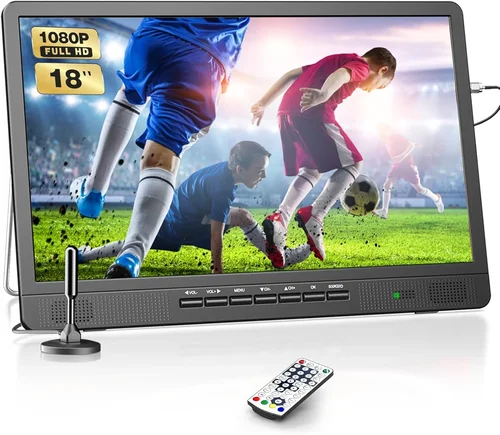
Outdoor living spaces have evolved far beyond simple patios with a grill and a few folding chairs. Today’s homeowners and renters alike are transforming their small outdoor areas into fully functional entertainment zones—complete with comfortable seating, ambient lighting, and even outdoor TVs. Whether you’re hosting a backyard movie night, catching the big game while grilling, or simply unwinding with your favorite show under the stars, an outdoor TV can elevate your experience significantly. But here’s the catch: not all TVs are built to withstand the elements, and finding one that balances affordability, durability, and performance—especially for a compact patio—can feel overwhelming.
That’s exactly why this guide exists. We’ve spent countless hours researching, testing, and analyzing the latest budget-friendly outdoor TVs on the market in 2026, focusing specifically on models ideal for small patios. Our goal is simple: to help you make a smart, informed decision without overspending or compromising on essential features. You’ll learn what truly matters when shopping for an outdoor TV, how to avoid common pitfalls, and which models offer the best value for your money. Whether you’re working with a tight budget or just want to maximize every dollar, this comprehensive buying guide will walk you through everything you need to know—from technical specs to real-world usability.
The outdoor TV market has grown rapidly in recent years, driven by increased demand for outdoor entertainment and improvements in weather-resistant technology. While premium brands like Samsung and Sony dominate headlines with high-end models costing thousands, there’s a thriving segment of affordable options designed specifically for casual users and smaller spaces. These “cheap” outdoor TVs—typically priced under $800—are engineered to handle sun, rain, dust, and temperature swings while delivering solid picture quality and smart functionality. In this guide, we’ll cut through the marketing noise and focus on practical, real-world performance so you can find the perfect TV for your small patio without breaking the bank.

What to Look for When Buying Buying Guide
1. Budget & Price Range
When shopping for a cheap outdoor TV for a small patio, your budget is the foundation of your entire decision. While “cheap” might imply low quality, that’s not always the case—many budget-friendly models in 2026 offer impressive value thanks to advancements in display technology and manufacturing efficiencies. Most affordable outdoor TVs fall between $300 and $700, with some entry-level options dipping below $250. However, it’s crucial to understand what you’re getting (and not getting) at each price point.
At the lower end ($250–$400), expect basic HD or Full HD resolution, limited smart features, and minimal weatherproofing—often just an IP54 or IP55 rating, which protects against splashing water but not full immersion or heavy rain. These models are best suited for covered patios or areas with overhangs that shield the TV from direct exposure. Mid-range options ($400–$600) typically include 4K resolution, better brightness (measured in nits), more robust enclosures, and fuller smart platforms like Roku TV or Android TV. They’re ideal for semi-covered spaces where occasional rain or morning dew might occur.
The sweet spot for most small-patio owners lies in the $500–$700 range. Here, you’ll find TVs with IP65 or higher ratings (fully dust-tight and protected against water jets), anti-glare screens, and enhanced brightness (500+ nits) that remain visible even in partial sunlight. These models often include built-in Wi-Fi, voice control compatibility, and app ecosystems that let you stream Netflix, YouTube, or Disney+ directly. Avoid going too cheap—spending under $200 usually means sacrificing durability, image quality, or essential outdoor features. Instead, aim for the best balance of price and performance within your comfort zone.
2. Performance Specifications
Performance specs determine how well your outdoor TV will actually perform in real-world conditions—not just on paper. For small patios, where viewing distances are typically 6–10 feet, you don’t need a massive screen, but you do need clarity, brightness, and responsiveness. Start with resolution: 4K UHD (3840 x 2160) is now the standard even in budget outdoor TVs and delivers noticeably sharper images than older 1080p models, especially when streaming high-quality content.
Brightness is arguably more critical outdoors than resolution. Indoor TVs usually run at 200–300 nits, but outdoor models need significantly more to combat ambient light. Look for a minimum of 400 nits, though 500–700 nits is ideal for patios with partial sun exposure. Some manufacturers advertise “outdoor brightness” modes that boost luminance temporarily—useful, but check if this drains battery (for portable models) or causes overheating.
Refresh rate matters too, especially if you plan to watch sports or action movies. A 60Hz panel is standard and sufficient for most casual viewing, but if you’re a sports fan, consider models with 120Hz support for smoother motion. Input lag—the delay between pressing a button and seeing action on screen—should be under 20ms for gaming, though this is less critical for streaming or news watching.
Color accuracy and contrast ratio also play roles in outdoor visibility. While OLED offers superior contrast, it’s rare in budget outdoor TVs due to cost and burn-in risks in bright environments. Instead, look for LED-LCD panels with local dimming or high dynamic range (HDR10 or HLG support). These enhance depth and detail without requiring premium pricing. Finally, audio performance is often overlooked—most outdoor TVs have weak built-in speakers. If you don’t plan to connect external speakers or a soundbar, prioritize models with at least 10W output and clear dialogue enhancement.
3. Build Quality & Durability
An outdoor TV isn’t just a regular TV shoved into a plastic box—it must be engineered from the ground up to resist environmental stressors. The most important indicator of durability is the Ingress Protection (IP) rating, which tells you how well the TV resists dust and water. For small patios, an IP55 rating is the absolute minimum; it protects against low-pressure water jets and limited dust ingress. However, for uncovered or partially covered areas, aim for IP65 or higher. IP65 means the TV is dust-tight and can withstand water projected from a nozzle—ideal for rainy climates or coastal regions.
Beyond the IP rating, examine the materials used in the housing. Cheap outdoor TVs often use thin plastic that can warp, crack, or fade under UV exposure. Look for powder-coated aluminum or reinforced polymer casings, which resist corrosion, fading, and thermal expansion. Internal components should also be sealed against moisture—check product descriptions for terms like “fully sealed chassis” or “condensation-resistant circuitry.”
Temperature tolerance is another key factor. Outdoor TVs must operate reliably in extreme heat and cold. Most budget models are rated for -22°F to 122°F (-30°C to 50°C), which covers most U.S. climates. However, if you live in an area with harsh winters or scorching summers, verify the operating range before buying. Also, consider ventilation: some TVs require airflow to prevent overheating, while others are fully sealed. For small patios with limited space, fully sealed units are preferable—they won’t trap debris or require maintenance.
Mounting hardware should be included or clearly compatible. Many budget outdoor TVs come with VESA-standard mounting patterns (like 200×200 or 400×400), allowing you to use universal outdoor mounts. Ensure the mount itself is also weatherproof—zinc-plated or stainless steel bolts are essential to prevent rust.
4. Features & Functionality
Modern outdoor TVs pack surprisingly rich feature sets, even at lower price points. The most important functionality for small-patio use is smart TV capability. Platforms like Roku TV, Amazon Fire TV, or Android TV let you stream content directly without needing a separate device. Roku is particularly user-friendly and widely supported, while Fire TV integrates seamlessly with Alexa for voice control. Avoid proprietary or outdated smart systems—they often lack app updates and third-party support.
Connectivity options matter too. Look for at least three HDMI ports (for streaming devices, gaming consoles, or cable boxes), USB ports for media playback, and an Ethernet port for wired internet (Wi-Fi can be unreliable outdoors). Some models include built-in tuners for over-the-air antenna signals—a great way to access local channels without a subscription.
Anti-glare and anti-reflective coatings are essential for daytime viewing. These coatings reduce screen reflections from sunlight or patio lighting, improving visibility without maxing out brightness (which drains power and generates heat). Similarly, some TVs feature “sunlight-readable” modes that adjust color temperature and contrast for better outdoor legibility.
Remote control design is often overlooked but crucial. Outdoor remotes should be backlit or glow-in-the-dark for evening use, and ideally water-resistant. Some models include mobile apps as alternatives—handy if you lose the remote or want to control volume from your phone. Lastly, consider energy efficiency: outdoor TVs run longer hours than indoor ones, so look for ENERGY STAR certification or low standby power consumption to keep electricity bills manageable.
5. Brand Reputation
Brand reputation isn’t just about logos—it reflects reliability, customer service, and long-term support. In the budget outdoor TV space, several brands have established strong track records. TCL and Hisense dominate the affordable segment with consistent quality, frequent software updates, and wide retail availability. Their Roku-powered models are especially popular for ease of use and broad app support.
Other reputable names include SunBriteTV (though pricier, they offer budget lines), Element Electronics, and newer entrants like Vankyo and Pyle. Avoid unknown or generic brands sold exclusively through third-party Amazon sellers—these often lack warranties, spare parts, or firmware updates. Check if the brand has a U.S.-based customer service team and offers online troubleshooting resources.
Reading verified buyer reviews on trusted sites (like Wirecutter, CNET, or Consumer Reports) can reveal patterns in reliability. Pay attention to comments about long-term durability—does the TV last 2+ years in outdoor conditions? Are replacement remotes or power adapters readily available? A brand with a solid reputation may cost slightly more upfront but saves money and frustration down the line.
6. Warranty & Support
A good warranty is your safety net against defects, weather damage, or premature failure. Most budget outdoor TVs come with a 1-year limited warranty, but some brands extend this to 2 years—especially if purchased directly from the manufacturer. Read the fine print: many warranties exclude “acts of nature” like lightning strikes or flooding, so understand what’s covered.
Support quality varies widely. Look for brands that offer phone, email, and live chat support during extended hours. Some provide video installation guides or remote diagnostics. Avoid companies that only respond via slow email or force you through endless automated menus. If possible, test responsiveness before buying—send a pre-sales question and see how quickly they reply.
Extended warranties or protection plans are rarely worth it for sub-$700 TVs. The cost often exceeds potential repair expenses, and most issues arise within the first year (covered by the standard warranty). Instead, focus on buying from retailers with generous return policies (30 days or more) so you can test the TV in your actual patio environment.
7. Size & Portability
For small patios, screen size should match your space—not your living room. A 32-inch to 43-inch TV is usually ideal, offering ample viewing area without overwhelming a compact deck or balcony. Larger screens (50+ inches) may look impressive but require more distance to view comfortably and can be harder to shield from weather.
Portability is a hidden advantage of smaller outdoor TVs. Many budget models are lightweight (under 20 lbs) and include carrying handles or optional wheeled stands. This lets you move the TV between patio, garage, or backyard as needed—perfect for renters or those who entertain in multiple zones. Some even feature built-in batteries for truly cordless operation, though runtime is typically limited to 2–4 hours.
Consider viewing angle too. On a small patio, viewers may sit off-center. Look for TVs with wide viewing angles (178° horizontal/vertical) to maintain color and contrast when watching from the side. IPS panels offer better angles than VA panels but may sacrifice some contrast—balance based on your seating layout.
8. User Reviews & Ratings
Never rely solely on manufacturer specs—real user feedback reveals how a TV performs in actual outdoor conditions. Focus on reviews from buyers who installed the TV on patios, decks, or porches (not just garages or sheds). Look for recurring themes: Does the screen stay visible in afternoon sun? Does the Wi-Fi stay connected at 15 feet from the router? Have others experienced rust, fogging, or remote failures?
Use tools like Amazon’s “Verified Purchase” filter and Google’s review summary features to spot authentic experiences. Be wary of overly glowing reviews with generic language—they may be incentivized. Instead, value detailed accounts that mention specific use cases, weather challenges, and long-term performance. If multiple users report the same issue (e.g., “HDMI port stopped working after 6 months”), it’s likely a design flaw.
Cross-reference ratings across platforms. A TV with 4.8 stars on Amazon but only 3.2 on Best Buy might have shipping or compatibility issues not reflected in the product description. Aim for models with at least 100 verified reviews and an average rating above 4.0.
Different Types of Buying Guide

Common Buying Mistakes to Avoid
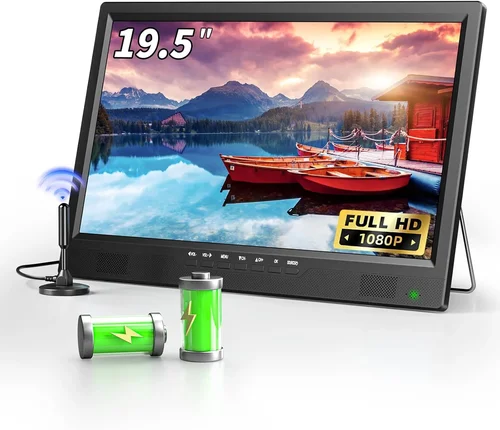
❌ Mistake: Buying a Regular Indoor TV for Outdoor Use
Why it’s bad: Indoor TVs lack weatherproofing, UV protection, and thermal management. Even under a roof, moisture, dust, and temperature swings can cause circuit corrosion, screen fogging, or premature failure within months.
What to do instead: Always choose a TV specifically labeled for outdoor or all-weather use. Check for IP ratings and outdoor certifications—don’t assume “it’ll be fine under the eaves.”
❌ Mistake: Ignoring Brightness (Nits) Ratings
Why it’s bad: A dim screen turns into a mirror in daylight. Many buyers focus on resolution but overlook brightness, resulting in a TV that’s unusable outside noon.
What to do instead: Prioritize brightness over resolution if you must choose. Aim for at least 400 nits; 500+ is better for sunny patios. Look for “high-brightness” or “sunlight-readable” in the description.
❌ Mistake: Overlooking Mounting and Ventilation Needs
Why it’s bad: Improper mounting can void warranties or cause falls. Some TVs need airflow; others must be fully sealed. Using the wrong mount risks damage or safety hazards.
What to do instead: Verify VESA compatibility and whether the TV requires ventilation. Use only outdoor-rated mounts with rust-proof hardware. If in doubt, consult the manual or manufacturer.
❌ Mistake: Skipping the Return Policy Check
Why it’s bad: Outdoor performance varies by location. A TV that looks great in a showroom may struggle in your specific microclimate (e.g., reflected light off concrete).
What to do instead: Buy from retailers with 30-day+ return windows (Best Buy, Amazon, Costco). Test the TV in your actual patio setup before the deadline.
❌ Mistake: Assuming All “Outdoor” TVs Are Equal
Why it’s bad: Marketing terms like “weather-resistant” or “all-season” are vague. Some only protect against light splashes, not rain or snow.
What to do instead: Demand specific IP ratings and operating temperature ranges. Cross-check with user reviews from similar climates.
❌ Mistake: Neglecting Audio Quality
Why it’s bad: Wind, traffic, and distance drown out weak built-in speakers. You’ll end up buying a soundbar anyway, doubling your cost.
What to do instead: Check speaker wattage (10W minimum) or plan to connect external speakers via Bluetooth or audio out. Some models support HDMI ARC for easy soundbar pairing.
❌ Mistake: Forgetting About Power and Connectivity
Why it’s bad: Running extension cords across patios creates tripping hazards. Weak Wi-Fi signals lead to buffering during crucial moments.
What to do instead: Ensure your patio has a nearby GFCI outlet. Use a Wi-Fi extender or mesh network if signal is weak. Consider wired Ethernet for stability.
Budget Guidelines: How Much Should You Spend?
- Entry-Level ($250–$400): Best for covered patios with minimal exposure. Expect HD or 4K resolution, basic smart features (often Fire TV Lite), and IP54/IP55 ratings. Ideal for occasional use or renters. Example: TCL 32S350G Outdoor Roku TV.
- Mid-Range ($400–$600): The sweet spot for most small-patio owners. Includes 4K HDR, 500+ nits brightness, IP65 rating, and full smart platforms (Roku, Android TV). Great for semi-covered areas with some sun/rain exposure. Example: Hisense 43A6GOUT.
- Premium ($600–$800): For enthusiasts who want reliability and extras. Features include anti-glare coatings, wider temperature ranges, enhanced audio, and longer warranties. Perfect for uncovered patios in variable climates. Example: SunBriteTV Veranda Series (budget line).
- Luxury ($800+): Overkill for small patios unless you need commercial-grade durability or ultra-large screens. Focus on mid-range unless you live in extreme environments or host frequent gatherings.
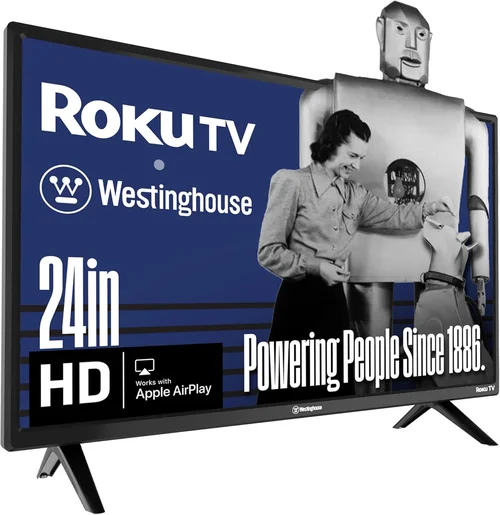
Expert Tips for Getting the Best Deal
- Shop during seasonal sales: Look for discounts around Memorial Day, July 4th, Black Friday, and end-of-summer clearance events. Retailers often discount outdoor electronics as indoor seasons approach.
- Buy directly from manufacturers: Brands like TCL and Hisense sometimes offer exclusive bundles (free mount, extended warranty) on their websites that aren’t available elsewhere.
- Check refurbished or open-box deals: Certified refurbished outdoor TVs from Best Buy or Amazon Renewed often come with full warranties and significant savings (15–30% off).
- Bundle with accessories: Some retailers include weatherproof mounts, surge protectors, or HDMI cables in package deals—calculate total value before comparing prices.
- Use price-tracking tools: Set alerts on Honey, CamelCamelCamel, or Keepa to monitor price drops on your desired model.
- Test before committing: If possible, visit a store to see the TV’s brightness and interface in person. Online images don’t convey real-world visibility.
- Prioritize return flexibility: Choose sellers with hassle-free returns. Outdoor performance is highly location-dependent—what works in Arizona may fail in Florida.
- Consider total cost of ownership: Factor in mount, cables, potential soundbar, and electricity use. A slightly pricier TV with better efficiency may save money long-term.

Frequently Asked Questions
Q: Can I use a regular TV outdoors if it’s under a roof?
A: Technically yes, but it’s risky. Even covered areas experience humidity, temperature swings, and dust. Without proper sealing, internal components can corrode. For reliable, long-term use, invest in a true outdoor TV.
Q: Do outdoor TVs need special mounts?
A: Yes. Use mounts rated for outdoor use with corrosion-resistant hardware (stainless steel or zinc-plated). Ensure the mount supports the TV’s weight and VESA pattern. Some all-weather TVs include mounting kits.
Q: How do I protect my outdoor TV from theft?
A: Use locking mounts, install motion-sensor lights, or choose portable models you can store indoors. Cable locks (like Kensington locks) add another layer of security.
Q: Will my outdoor TV work in winter?
A: Most budget outdoor TVs operate down to -22°F (-30°C). However, extreme cold can temporarily reduce screen responsiveness. Store remotes indoors to preserve battery life.
Q: Can I leave my outdoor TV on all the time?
A: Not recommended. Continuous operation generates heat and wears out components. Use a timer or smart plug to automate on/off cycles based on your schedule.
Q: Do outdoor TVs come with antennas?
A: Rarely. Most rely on Wi-Fi or wired internet for streaming. If you want over-the-air channels, buy a separate outdoor antenna and connect it via coaxial cable.
Q: How do I clean my outdoor TV screen?
A: Use a microfiber cloth and mild glass cleaner. Avoid ammonia-based products or abrasive materials. Power off the TV and wipe gently—never spray liquid directly on the screen.
Q: Are outdoor TVs energy efficient?
A: Generally yes. Modern LED models consume 50–100W during operation. Look for ENERGY STAR certification to minimize electricity costs, especially if used frequently.
Q: Can I connect a gaming console to an outdoor TV?
A: Absolutely. Most outdoor TVs have HDMI ports compatible with PlayStation, Xbox, or Nintendo Switch. Ensure low input lag (<20ms) for responsive gameplay.
Q: What’s the difference between IP55 and IP65?
A: IP55 protects against low-pressure water jets and limited dust. IP65 is dust-tight and withstands stronger water spray—better for uncovered patios or rainy areas.
Our Final Recommendations
- Best for Budget-Conscious Buyers: TCL 32S350G Outdoor Roku TV ($349) – Excellent value with 4K, Roku OS, IP55 rating, and 400 nits brightness. Perfect for covered patios.
- Best Overall Value: Hisense 43A6GOUT ($549) – IP65-rated, 500 nits, Android TV, and robust build. Ideal for semi-covered spaces with mixed weather.
- Best Premium Option: SunBriteTV Veranda 43-inch ($749) – Commercial-grade durability, anti-glare screen, and 700 nits. Built for year-round exposure.
- Best for Beginners: Vankyo Outdoor 40-inch Smart TV ($399) – Simple setup, Fire TV built-in, and lightweight design. Great for first-time outdoor TV owners.
- Best for Advanced Users: Element Electronics ELSO4318 43-inch ($599) – Customizable settings, wide temp range, and professional mounting options. Favored by tech-savvy homeowners.
Conclusion: Making the Right Choice
Choosing the right cheap outdoor TV for your small patio doesn’t have to be daunting—or expensive. By focusing on core factors like weather resistance, brightness, smart functionality, and real-user feedback, you can find a model that delivers exceptional value without compromising on performance. Remember, the goal isn’t to buy the cheapest TV available, but the one that best matches your specific environment, usage habits, and budget.
Don’t let flashy specs or aggressive marketing sway you. Instead, prioritize durability, visibility, and ease of use. Test your top choices in your actual patio setting if possible, and always leverage generous return policies. With the insights from this guide, you’re now equipped to make a confident, informed decision that will bring years of enjoyment to your outdoor space.
So go ahead—transform that small patio into your personal outdoor cinema, sports bar, or relaxation retreat. Your perfect outdoor TV is out there, and it doesn’t have to cost a fortune to feel like a luxury. Happy viewing!

