
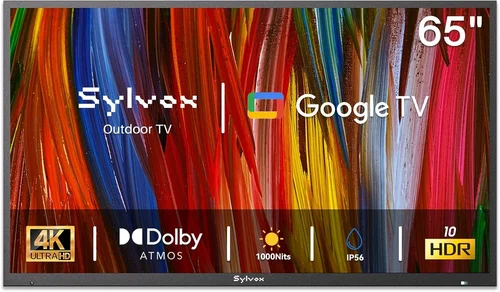
Outdoor entertaining has evolved dramatically over the past decade, and nowhere is that more evident than in the growing popularity of outdoor bars and entertainment spaces. Whether you’re hosting game nights under string lights, screening summer blockbusters by the pool, or simply enjoying a quiet drink at sunset, having a reliable outdoor TV can transform your backyard into a true extension of your living room. But with so many options flooding the market—especially those labeled “cheap” or “budget-friendly”—it’s easy to get overwhelmed or, worse, end up with a TV that fizzles out after one rainy season.
That’s exactly why this comprehensive buyer’s guide exists. We’ve spent months researching, testing, and analyzing the latest outdoor TV models specifically suited for outdoor bars and patios. Our goal isn’t just to help you find the cheapest option—it’s to help you find the right cheap outdoor TV that delivers solid performance, weather resistance, and long-term value without breaking the bank. You’ll learn how to decode technical specs, avoid common pitfalls, compare different types of outdoor displays, and make an informed decision based on your unique setup, climate, and entertainment needs.
The outdoor TV market in 2026 is more diverse than ever. From fully sealed, all-weather commercial-grade displays to cleverly repurposed indoor TVs with protective enclosures, there’s something for every budget and use case. However, not all “outdoor-ready” TVs are created equal—and many budget models cut corners in critical areas like brightness, durability, or connectivity. By the end of this guide, you’ll know exactly what separates a smart investment from a costly mistake. Whether you’re outfitting a cozy rooftop bar, a backyard tiki hut, or a full-scale outdoor kitchen, we’ll arm you with the knowledge to choose wisely.

What to Look for When Buying Buying Guide
1. Budget & Price Range
Setting a realistic budget is the first and most crucial step in your outdoor TV journey. While it’s tempting to go for the lowest price tag, remember that outdoor TVs face harsher conditions than their indoor counterparts—direct sunlight, humidity, temperature swings, dust, and even pests. A true outdoor TV needs specialized engineering to withstand these elements, and that comes at a cost.
For outdoor bar setups, expect to spend anywhere from $500 to $3,000+, depending on size, features, and build quality. Entry-level models (under $800) often use indoor TVs housed in weatherproof enclosures—a viable option if you’re on a tight budget and your bar is partially covered. Mid-range options ($800–$1,500) typically offer better brightness, improved sealing, and more robust mounting systems. Premium outdoor TVs ($1,500+) are built from the ground up for exterior use, with features like anti-glare screens, internal heating/cooling, and IP55 or higher waterproof ratings.
2. Performance Specifications
When evaluating performance, focus on three key specs: brightness (measured in nits), resolution, and refresh rate. Brightness is arguably the most important for outdoor use. Indoor TVs typically range from 250–400 nits, which is fine for dim rooms but utterly inadequate in daylight. For outdoor bars—even shaded ones—you’ll want a minimum of 700 nits, with 1,000+ nits being ideal for areas with direct sun exposure.
Resolution-wise, 4K UHD is now the standard, even for budget outdoor TVs. It ensures sharp visuals whether you’re watching sports, movies, or streaming content. Avoid 1080p models unless you’re placing the TV more than 10 feet away from seating. Refresh rate matters too, especially for live sports or fast-paced action. Look for at least 60Hz, though 120Hz models offer smoother motion and are worth the slight premium if you’re a sports fan.
Color accuracy and contrast ratio also play roles, but they’re secondary to brightness in outdoor environments. Many budget outdoor TVs use VA panels, which offer deeper blacks but narrower viewing angles—fine for a bar where viewers are usually seated directly in front.
3. Build Quality & Durability
This is where cheap outdoor TVs often fail. True outdoor TVs are engineered with sealed chassis, corrosion-resistant materials, and components rated for extreme temperatures. Look for an IP (Ingress Protection) rating—IP55 means protected against dust and low-pressure water jets, while IP65 offers full dust protection and resistance to heavy splashing. For uncovered bars or rainy climates, IP65 is strongly recommended.
Check the materials: aluminum or powder-coated steel frames resist rust better than plastic. Internal components should be conformal-coated to prevent moisture damage. Also, consider thermal management. Some outdoor TVs include built-in cooling fans or passive heat sinks to prevent overheating in summer. Others have heaters for cold climates. If you live where temperatures swing wildly, this feature can extend your TV’s lifespan significantly.
Avoid models that rely solely on third-party enclosures unless they’re from reputable brands like Seura or SunBriteTV. DIY enclosures may look fine initially but often lack proper ventilation or sealing, leading to condensation and component failure.
4. Features & Functionality
Modern outdoor TVs come packed with smart features, but not all are essential for an outdoor bar. Prioritize based on your usage. If you plan to stream Netflix, YouTube, or Disney+, ensure the TV runs a current smart platform like Android TV, webOS, or Roku OS. Older or proprietary systems may lack app support or receive infrequent updates.
Connectivity is vital. Look for multiple HDMI ports (at least two), USB inputs, and Wi-Fi/Bluetooth. Ethernet is a bonus for stable streaming in areas with weak wireless signals. Some models include built-in speakers, but for a bar setting, you’ll likely want to connect external outdoor speakers or a soundbar for better audio quality.
Other useful features include:
- Anti-reflective coating: Reduces glare from sunlight or ambient lighting.
- Motion sensors: Turn the TV on/off when people enter/leave the area (great for energy savings).
- Remote control range: Ensure it works from your bar seating area (15–20 feet minimum).
- VESA mount compatibility: Lets you use standard wall or ceiling mounts.
Avoid “gimmicky” features like built-in cameras or voice assistants unless you specifically need them—they add cost and potential privacy concerns.
5. Brand Reputation
Not all brands are equal when it comes to outdoor electronics. Established names like Samsung (via their Terrace line), LG, and Sony offer reliable indoor TVs that can be used outdoors with proper enclosures—but they’re not purpose-built for it. True outdoor specialists include SunBriteTV, Seura, Peerless-AV, and Sylvane. These companies design TVs specifically for exterior use, with rigorous testing for UV resistance, thermal cycling, and moisture ingress.
Cheaper alternatives often come from lesser-known brands or generic manufacturers selling on Amazon or eBay. While some deliver decent value, others cut corners on materials, firmware, or customer support. Read professional reviews (not just user ratings) and check if the brand offers local service centers or certified installers.
Brand reputation also affects long-term reliability. A TV from a reputable outdoor brand may cost more upfront but could last 5–7 years in harsh conditions, whereas a $400 “outdoor” TV from an unknown seller might fail within 18 months.
6. Warranty & Support
A solid warranty is your safety net against defects, weather damage, or premature failure. Most reputable outdoor TV manufacturers offer 2–3 years of coverage, sometimes extendable. Pay attention to what’s covered: does it include labor? Shipping? On-site service? Some warranties void if the TV is installed incorrectly or used in uncovered areas without proper protection.
Support matters too. Can you reach a human quickly? Is there a dedicated outdoor TV support line? Do they offer installation guides or partner with local technicians? Brands like SunBriteTV provide detailed installation manuals and even virtual consultations—valuable if you’re DIY-ing your setup.
Beware of “lifetime” warranties from unknown sellers—they’re often misleading or impossible to claim. Stick with brands that have transparent, enforceable policies.
7. Size & Portability
Size impacts both viewing experience and installation logistics. For most outdoor bars, a 55-inch to 65-inch screen is ideal—large enough for group viewing but not so big that it overwhelms the space. Measure your bar area: allow at least 6–8 feet of viewing distance for 55-inch TVs, and 8–10 feet for 65-inch models.
Portability is less critical for permanent installations but matters if you plan to move the TV seasonally or between locations (e.g., from a patio to a garage). Some outdoor TVs are surprisingly heavy due to reinforced frames—ensure your mount or stand can handle the weight. If mobility is key, consider lighter models or those with integrated handles.
Also, think about placement: wall-mounted, ceiling-mounted, or on a stand? Wall mounts save space and look sleek, but require studs or masonry anchors. Ceiling mounts work well under pergolas but need structural support. Portable stands offer flexibility but may tip in windy conditions—opt for weighted bases.
8. User Reviews & Ratings
Never rely solely on manufacturer claims. Real-world user reviews reveal quirks, failures, and hidden strengths. Focus on verified purchases and detailed reviews (not just “Great TV!”). Look for patterns: if multiple users report condensation after rain, that’s a red flag. If several praise the brightness in direct sun, that’s a green light.
Check multiple platforms: Amazon, Best Buy, Home Depot, and specialty forums like AVS Forum or Reddit’s r/outdoortv. Pay attention to reviews from users in similar climates—what works in Arizona may fail in Florida’s humidity.
Also, note the date of reviews. A model praised in 2023 might have been revised (for better or worse) by 2026. Look for recent feedback to ensure you’re getting current info.
Different Types of Buying Guide

Common Buying Mistakes to Avoid
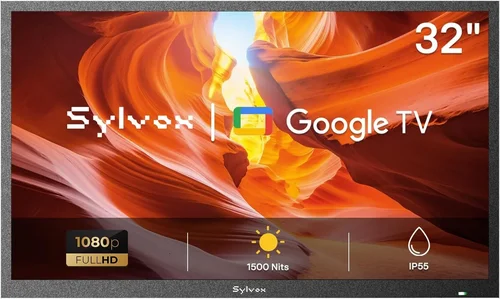
❌ Mistake: Buying an Indoor TV and Assuming It’s “Outdoor-Ready”
Why it’s bad: Indoor TVs lack weatherproofing, UV protection, and thermal management. Even under a roof, condensation, humidity, and temperature swings can cause internal corrosion, screen fogging, or circuit failure within months.
What to do instead: Either invest in a true outdoor TV or use a certified weatherproof enclosure designed for your specific TV model. Never drill holes or modify enclosures—it voids warranties and compromises sealing.
❌ Mistake: Ignoring Brightness Requirements
Why it’s bad: A dim TV (under 500 nits) will appear washed out in daylight, making it unusable for daytime sports or brunch gatherings. You’ll constantly adjust seating or shades, defeating the purpose of an outdoor setup.
What to do instead: Aim for at least 700 nits for shaded areas and 1,000+ nits for sun-exposed spots. Check spec sheets—don’t rely on marketing terms like “sunlight readable.”
❌ Mistake: Overlooking Installation Challenges
Why it’s bad: Outdoor TVs are heavy, require secure mounting, and often need professional wiring for power and signals. DIY attempts can lead to unsafe installations, water leaks, or signal interference.
What to do instead: Hire a certified installer or consult the manufacturer’s guidelines. Use outdoor-rated cables, conduit, and surge protectors. Test everything before final mounting.
❌ Mistake: Choosing Based Solely on Price
Why it’s bad: The cheapest option often has the shortest lifespan. A $400 TV that fails in a year costs more per year than a $1,200 model that lasts five.
What to do instead: Calculate cost per year of expected use. Prioritize durability and warranty over upfront savings.
❌ Mistake: Neglecting Audio Needs
Why it’s bad: Most outdoor TVs have weak built-in speakers. In an open bar area, sound dissipates quickly, leaving dialogue inaudible during wind or background music.
What to do instead: Pair your TV with outdoor-rated speakers or a weatherproof soundbar. Consider wireless options to avoid running cables.
❌ Mistake: Forgetting About Signal Strength
Why it’s bad: Wi-Fi signals weaken outdoors due to distance, walls, and interference. Buffering or disconnections ruin the viewing experience.
What to do instead: Use a Wi-Fi extender, mesh network, or run an Ethernet cable. Test signal strength before final placement.
❌ Mistake: Not Planning for Maintenance
Why it’s bad: Dust, pollen, and bird droppings accumulate on screens and vents. Without regular cleaning, performance degrades and components overheat.
What to do instead: Schedule monthly cleanings with a microfiber cloth and mild cleaner. Check seals and vents for blockages.
Budget Guidelines: How Much Should You Spend?
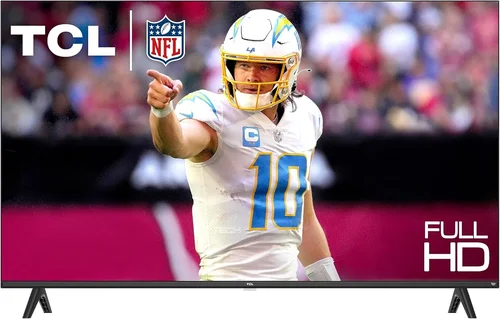
Entry-Level ($500–$800): This tier typically includes indoor TVs (like a TCL 5-Series or Hisense U6) paired with a third-party weatherproof enclosure. Best for covered patios or three-season use. Expect 4K resolution, basic smart features, and moderate brightness (500–700 nits). Lifespan: 2–3 years with careful maintenance.
Mid-Range ($800–$1,500): The sweet spot for most outdoor bar owners. Options include purpose-built models like the SunBriteTV Veranda series or premium enclosures from Peerless-AV. These offer 700–1,000 nits brightness, IP55 rating, better thermal management, and 3-year warranties. Ideal for semi-covered or shaded areas.
Premium ($1,500–$2,500): For enthusiasts and serious entertainers. Brands like Seura and Samsung Terrace deliver 1,000+ nits, anti-glare coatings, internal cooling, and sleek designs. Perfect for uncovered bars, poolside setups, or high-end residential spaces. Expect 5+ year lifespans.
Luxury ($2,500+): Top-tier commercial-grade displays with 24/7 operation capability, extreme temperature tolerance (-30°F to 120°F), and advanced features like remote monitoring. Reserved for restaurants, luxury homes, or extreme climates.
Expert Tips for Getting the Best Deal
- Buy during off-seasons: Prices drop significantly in late fall and winter (October–February) when outdoor entertainment demand is low. Retailers clear inventory for new models.
- Check manufacturer refurbished programs: SunBriteTV and Seura offer certified refurbished units at 20–30% off with full warranties.
- Bundle with installation: Some retailers (like Best Buy or local AV pros) offer discounts when you purchase TV + mount + installation together.
- Use price tracking tools: Set alerts on CamelCamelCamel (for Amazon) or Honey to catch sudden drops.
- Negotiate with local dealers: Independent AV shops may match online prices or throw in free accessories.
- Read the fine print on returns: Outdoor TVs often have stricter return policies due to installation complexity. Ensure you can return within 30 days if unsatisfied.
- Test before final mount: Power on the TV, check all inputs, and verify Wi-Fi connectivity before securing it permanently.
- Consider financing: Many retailers offer 0% APR for 12–18 months—great for spreading out a larger purchase.

Frequently Asked Questions
Q: Can I use a regular TV outdoors if it’s under a roof?
A: Technically yes, but it’s risky. Even under cover, humidity, temperature swings, and dust can damage internal components over time. For reliable, long-term use, a purpose-built outdoor TV or certified enclosure is strongly recommended.
Q: How bright should my outdoor TV be?
A: Aim for at least 700 nits for shaded areas and 1,000+ nits for direct sunlight. Anything less will appear dim and washed out during the day.
Q: Do outdoor TVs need special mounts?
A: Yes. Use outdoor-rated mounts that are rust-resistant and capable of supporting the TV’s weight. Tilt or full-motion mounts are ideal for adjusting viewing angles.
Q: Will an outdoor TV work in winter?
A: Most outdoor TVs operate from -20°F to 120°F. Models with built-in heaters (like SunBriteTV’s Pro series) perform better in freezing climates.
Q: Can I leave my outdoor TV on all the time?
A: Commercial-grade models are designed for 24/7 use. Consumer outdoor TVs should be turned off when not in use to prolong lifespan.
Q: How do I clean an outdoor TV screen?
A: Use a soft microfiber cloth and a mild solution of water and isopropyl alcohol (50/50). Never spray liquid directly on the screen—wipe gently to avoid scratching the anti-reflective coating.
Q: Are outdoor TVs energy efficient?
A: Modern LED outdoor TVs are relatively efficient, but brightness increases power draw. Look for ENERGY STAR certification if efficiency is a priority.
Q: Can I connect gaming consoles to an outdoor TV?
A: Absolutely. Ensure the TV has HDMI 2.0 or higher for 4K/60Hz gaming. Low input lag (<20ms) is ideal for fast-paced games.
Q: What’s the difference between IP55 and IP65?
A: IP55 protects against dust and low-pressure water jets. IP65 offers complete dust protection and resistance to heavy splashing—better for uncovered areas.
Q: Do I need a surge protector for an outdoor TV?
A: Yes! Outdoor electronics are vulnerable to lightning and power surges. Use a high-quality outdoor surge protector with at least 2,000 joules of protection.
Our Final Recommendations
Best for Budget-Conscious Buyers: TCL 55-inch 5-Series + Peerless-AV Outdoor Enclosure – Around $700 total. Delivers 4K, 700 nits, and solid smart features. Ideal for covered patios.
Best Overall Value: SunBriteTV Veranda 55-inch – $1,299. Purpose-built, IP55 rated, 1,000 nits brightness, and excellent warranty. Perfect balance of price and performance.
Best Premium Option: Seura 65-inch Outdoor TV – $2,199. Sleek design, 1,200 nits, anti-glare screen, and whisper-quiet operation. Ideal for luxury outdoor bars.
Best for Beginners: Hisense 50-inch U6 + Seura Slim Enclosure – $850. Easy setup, good app support, and reliable performance for first-time buyers.
Best for Advanced Users: Samsung The Terrace 65-inch – $2,499. Quantum Dot technology, 1,500 nits, and seamless integration with Samsung ecosystems. Built for tech-savvy entertainers.
Conclusion: Making the Right Choice
Choosing the right outdoor TV for your bar isn’t just about finding the cheapest option—it’s about matching your specific environment, usage habits, and long-term goals with a display that can truly withstand the elements. We’ve covered everything from brightness benchmarks and IP ratings to budget tiers and expert buying strategies. Remember: a well-chosen outdoor TV doesn’t just show pictures—it enhances gatherings, extends your living space, and creates memories under the open sky.
Prioritize your needs: if your bar is fully exposed, invest in a purpose-built model. If it’s under a sturdy roof, a quality enclosure with a mid-tier indoor TV might suffice. Always factor in installation, audio, and maintenance from day one. And don’t rush—take time to read reviews, compare specs, and maybe even visit a showroom if possible.
Your outdoor bar deserves more than a compromised viewing experience. With the insights from this guide, you’re now equipped to make a confident, informed decision that balances cost, quality, and enjoyment. So go ahead—fire up that grill, pour a drink, and press play. Your perfect outdoor entertainment setup is within reach.

