
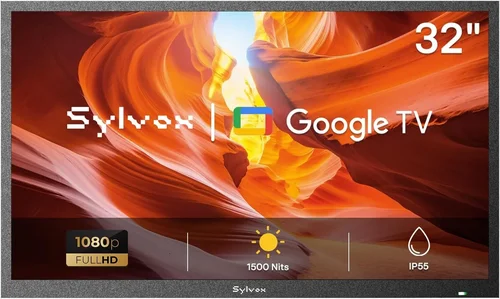
Outdoor living spaces have evolved dramatically over the past decade. What used to be simple patios or backyards are now fully functional extensions of the home—complete with kitchens, seating areas, fire pits, and yes, entertainment systems. At the heart of many modern outdoor setups is a television, allowing families and friends to gather for movie nights under the stars, catch the big game while grilling, or simply unwind with a favorite show in the fresh air. But not all outdoor TVs are created equal—especially when you live in a humid climate.
Humidity presents unique challenges for electronics. Moisture in the air can seep into components, cause corrosion, fog up screens, and ultimately shorten the lifespan of even the most robust devices. This is why choosing the right outdoor TV for humid areas isn’t just about picture quality or smart features—it’s about durability, protection, and long-term reliability. A standard indoor TV placed outside, even under a covered patio, will likely fail within months in high-humidity environments like Florida, the Gulf Coast, Hawaii, or Southeast Asia. That’s where purpose-built outdoor TVs come in. Designed specifically to withstand moisture, temperature swings, and UV exposure, these units offer peace of mind and performance where it matters most.
In this comprehensive buying guide, we’ll walk you through everything you need to know to make an informed decision when purchasing a cheap outdoor TV for humid areas. Whether you’re on a tight budget or looking for the best value without sacrificing essential protections, we’ve got you covered. You’ll learn how to evaluate key factors like weather resistance, build quality, display technology, and smart functionality. We’ll compare different types of outdoor TVs, highlight common pitfalls to avoid, break down realistic budget expectations, and share expert tips to help you get the most bang for your buck. By the end, you’ll have a clear roadmap to find a reliable, affordable outdoor TV that thrives in your humid environment—and delivers years of enjoyment.
The market for outdoor TVs has grown significantly, driven by increased demand for outdoor entertainment and advancements in display technology. While premium brands like SunBrite and Samsung have long dominated the space with high-end models, newer entrants and innovative designs have made quality outdoor viewing more accessible than ever. Today, you can find budget-friendly options that still offer solid weatherproofing, bright displays, and decent smart features—all without breaking the bank. However, “cheap” doesn’t mean “compromised.” The key is knowing what to prioritize and where to cut corners wisely. This guide will help you navigate that balance, ensuring you invest in a TV that performs well, lasts long, and fits your financial plan.

What to Look for When Buying Buying Guide
1. Weather Resistance & IP Rating
When shopping for an outdoor TV in a humid area, weather resistance isn’t optional—it’s essential. Humidity alone can wreak havoc on internal electronics, but when combined with rain, dew, or salt air (common near coastlines), the risk multiplies. That’s why you must look for a TV with a high Ingress Protection (IP) rating. The IP rating system, standardized internationally, tells you how well a device resists dust and water. For outdoor TVs, focus on the second digit, which indicates water resistance.
An IP55 rating means the TV is protected against low-pressure water jets from any direction—ideal for covered patios or semi-sheltered areas. But for truly humid or exposed environments, aim for IP65 or higher. IP65 offers complete protection against dust and powerful water jets, while IP66 and IP67 provide even greater resilience, including temporary immersion in water. Some premium models boast IP68, which allows submersion beyond 1 meter—overkill for most patios but reassuring if you live in a flood-prone or extremely wet region.
Beyond the IP rating, check if the TV uses sealed compartments, corrosion-resistant materials (like marine-grade aluminum), and hydrophobic coatings on internal components. These features prevent moisture from reaching sensitive circuits and reduce the risk of mold or rust. Also, ensure all ports and connectors are covered or gasketed. Even a small gap can let in condensation over time, especially during temperature swings that cause “sweating” inside the enclosure.
2. Display Brightness & Anti-Glare Technology
One of the biggest challenges with outdoor TVs is visibility in daylight. Sunlight reflecting off the screen can wash out colors and make content hard to see, especially during midday or in bright afternoon sun. This is where display brightness becomes critical. Measured in nits (cd/m²), brightness determines how well the screen stands up to ambient light.
For shaded or covered outdoor areas, a minimum of 500 nits is acceptable, but for spaces exposed to direct or indirect sunlight, you’ll want at least 700–1000 nits. Premium outdoor TVs often exceed 1500 nits, delivering crisp, vibrant images even under harsh conditions. However, brightness alone isn’t enough—anti-glare technology is equally important. Look for screens with matte finishes, anti-reflective coatings, or optically bonded glass. These features diffuse sunlight rather than reflecting it, reducing eye strain and improving contrast.
Another factor is viewing angle. Outdoor seating often spreads across wide arcs, so a TV with wide viewing angles (178° horizontal and vertical) ensures everyone gets a clear picture, even from the side. OLED panels offer excellent viewing angles but are rare in outdoor models due to cost and burn-in risks. Most outdoor TVs use high-brightness LCD or QLED panels optimized for outdoor use.
Color accuracy and contrast ratio also matter. While you won’t get cinema-level blacks like an indoor OLED, modern outdoor TVs use local dimming and high dynamic range (HDR) support to enhance depth and detail. HDR10 or Dolby Vision compatibility can make a big difference in outdoor movie nights, especially during twilight hours when ambient light is low but not absent.
3. Build Quality & Durability
A cheap outdoor TV might save you money upfront, but if it fails after one humid summer, you’ve wasted your investment. Build quality is arguably the most important factor when choosing a TV for humid areas. Start with the chassis: look for powder-coated aluminum or stainless steel frames. These materials resist rust and corrosion far better than plastic or standard steel. Avoid TVs with exposed screws or seams that could trap moisture.
Internal components should be sealed in weatherproof enclosures, often with rubber gaskets and silicone seals around vents and connectors. Some manufacturers use conformal coating—a thin protective layer applied to circuit boards—to guard against moisture and dust. This is especially important in high-humidity zones where condensation can form overnight.
Thermal management is another durability concern. Outdoor TVs generate heat, and in humid climates, poor ventilation can lead to overheating or moisture buildup inside the unit. Look for models with passive cooling systems (no fans) that use heat sinks and airflow channels to dissipate heat safely. Active cooling (with fans) is less ideal outdoors because fans can suck in humid air and accelerate corrosion.
Also consider the mounting system. A sturdy, corrosion-resistant wall mount or ceiling bracket is essential. Many outdoor TVs come with compatible mounts, but if not, ensure third-party options are available and rated for outdoor use. Vibration resistance matters too—especially if your TV is mounted near a pool, where splashing or wind could cause movement.
Finally, check the warranty. A longer warranty (3+ years) often indicates confidence in build quality. Brands that specialize in outdoor electronics typically offer better coverage than generic TV manufacturers dabbling in outdoor models.
4. Smart Features & Connectivity
Even on a budget, you don’t have to sacrifice smart functionality. Most modern outdoor TVs come with built-in Wi-Fi, streaming apps (like Netflix, YouTube, Prime Video), and voice control via Alexa or Google Assistant. These features let you cut the cord and enjoy content without running cables outside—a major plus for humid areas where wiring can degrade faster.
Look for TVs with at least two HDMI ports (preferably HDMI 2.0 or higher for 4K HDR), USB ports for media playback, and Bluetooth for wireless audio. Some models include optical audio outputs or RCA jacks for connecting external speakers or soundbars—important if you want better audio than the built-in speakers provide.
Operating system matters too. Android TV, Roku TV, and webOS are popular choices, each with their own app ecosystems and user interfaces. Android TV offers the most customization and app support, while Roku is known for simplicity and reliability. Avoid proprietary systems with limited app stores unless you’re okay with using a streaming stick (like a Roku or Fire Stick) plugged into an HDMI port.
5. Size & Viewing Distance
Choosing the right screen size depends on your outdoor space and typical viewing distance. A TV that’s too small will be hard to see from a distance, while one that’s too large can overwhelm a cozy patio. As a general rule, divide your viewing distance (in inches) by 1.5 to 2.5 to get the ideal screen size in inches.
For example, if you’ll be sitting 8 feet (96 inches) away, a 40–65 inch TV is appropriate. For larger decks or pool areas with 12+ foot distances, consider 70 inches or more. However, keep in mind that larger screens cost more and may require stronger mounts.
Also consider the TV’s physical dimensions and weight. Outdoor TVs are often bulkier than indoor models due to protective casings. Measure your mounting space carefully and ensure there’s room for ventilation and cable management. Some models are designed to be slim and sleek, while others are more utilitarian—choose based on your aesthetic preferences and space constraints.
6. Audio Quality & External Speaker Options
Built-in speakers on outdoor TVs are often underpowered and lack bass, especially in larger models. Sound can also be muffled by the weatherproof casing. While this isn’t a dealbreaker (many people use external audio), it’s something to consider if you plan to rely on the TV’s audio.
Look for TVs with at least 10W per channel output. Some models include enhanced audio modes or virtual surround sound, but these are rarely sufficient for outdoor environments where sound dissipates quickly. For better audio, connect a weatherproof soundbar or outdoor speaker system via Bluetooth or wired connection.
If you go the external route, ensure the speakers are also rated for outdoor use (IPX4 or higher) and positioned to avoid water exposure. Wireless options reduce cable clutter but may suffer from interference in areas with many Wi-Fi networks.
7. Brand Reputation & Customer Support
Not all outdoor TV brands are equal. Established names like SunBriteTV, Seura, and Samsung have years of experience designing for harsh environments and offer reliable customer support. They also tend to provide detailed installation guides, compatibility charts, and responsive service teams.
Budget brands may save you money, but they often lack long-term support. Check online reviews, especially from users in similar climates. Look for patterns—repeated complaints about moisture damage, poor brightness, or short lifespans are red flags. Brands with strong reputations usually stand behind their products with better warranties and faster replacement processes.
Also consider availability of spare parts. If a component fails, can you easily get a replacement? Some brands sell direct, while others rely on third-party retailers. Direct support is usually more reliable.
8. Warranty & Return Policy
A solid warranty is your safety net. For outdoor TVs, a minimum 2-year warranty is standard, but 3–5 years is ideal—especially for humid areas where failure risks are higher. Check what the warranty covers: does it include moisture damage? What about accidental drops or power surges?
Return policies matter too. If the TV arrives damaged or doesn’t perform as expected, you’ll want a hassle-free return process. Most reputable retailers offer 30-day return windows, but some extend it to 60 or 90 days during holiday seasons. Read the fine print: restocking fees, return shipping costs, and condition requirements can vary.
Different Types of Buying Guide

Common Buying Mistakes to Avoid
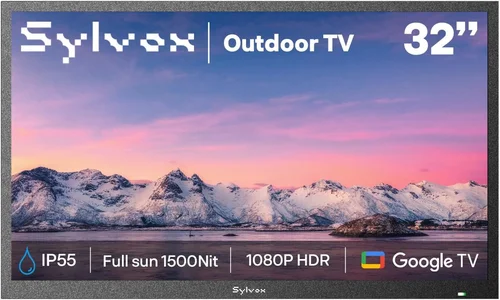
❌ Mistake: Buying an Indoor TV for Outdoor Use
Why it’s bad: Indoor TVs lack weatherproofing, corrosion resistance, and thermal management for outdoor conditions. In humid areas, moisture will quickly damage internal components, leading to failure within months. Even under cover, temperature swings and condensation can cause irreversible harm.
What to do instead: Invest in a TV specifically designed for outdoor use or use a weatherproof enclosure. If budget is tight, choose a partial-coverage model or a well-sealed indoor TV in a high-quality outdoor case.
❌ Mistake: Ignoring the IP Rating
Why it’s bad: Without a proper IP rating, you have no guarantee the TV can handle moisture. A TV labeled “weather-resistant” but lacking an IP certification may only offer minimal splash protection—nowhere near enough for humid climates.
What to do instead: Always check the IP rating. For humid areas, aim for IP55 minimum, but IP65 or higher is ideal. Verify the rating with the manufacturer if it’s not clearly stated.
❌ Mistake: Overlooking Brightness Requirements
Why it’s bad: A dim screen will be unwatchable in daylight, turning your outdoor TV into a decorative paperweight. Many budget models skimp on brightness to cut costs.
What to do instead: Prioritize brightness—aim for at least 700 nits for shaded areas and 1000+ nits for sun-exposed spots. Check reviews for real-world visibility tests.
❌ Mistake: Skimping on Mounting Hardware
Why it’s bad: A flimsy mount can fail in wind or humidity, damaging the TV or causing injury. Plastic mounts or indoor brackets won’t withstand outdoor conditions.
What to do instead: Use a mount rated for outdoor use, preferably made of stainless steel or powder-coated aluminum. Ensure it’s compatible with your TV’s VESA pattern and weight.
❌ Mistake: Neglecting Audio Needs
Why it’s bad: Poor audio ruins the outdoor experience. Built-in speakers often can’t compete with ambient noise like wind, water, or traffic.
What to do instead: Plan for external audio from the start. Invest in weatherproof speakers or a soundbar, or choose a TV with strong audio outputs and Bluetooth support.
❌ Mistake: Not Checking Return Policies
Why it’s bad: If the TV arrives damaged or doesn’t perform as expected, a strict return policy can leave you stuck with a defective product.
What to do instead: Buy from retailers with generous return windows (30+ days) and clear policies. Avoid third-party sellers with unclear terms.
❌ Mistake: Forgetting About Power and Cabling
Why it’s bad: Running power and HDMI cables outdoors without protection invites moisture damage, electrical hazards, and tripping risks.
What to do instead: Use outdoor-rated cables, conduit, and waterproof junction boxes. Consider wireless streaming to minimize cable runs.
Budget Guidelines: How Much Should You Spend?
– Entry-Level ($300–$600): What to expect… At this price, you’re likely looking at indoor TVs in weatherproof enclosures or basic partial-coverage models. Brightness may be limited (400–600 nits), and smart features could be minimal. Ideal for covered patios in moderately humid areas. Best for occasional use and tight budgets.
– Mid-Range ($600–$1,200): Sweet spot for most buyers… These TVs offer solid weather resistance (IP55–IP65), good brightness (700–1000 nits), and reliable smart platforms. Build quality is decent, with aluminum frames and sealed ports. Perfect for humid backyards, screened porches, or pool decks. You’ll find the best value here—durable, functional, and affordable.
– Premium ($1,200–$2,500): For enthusiasts and professionals… Expect top-tier brightness (1200+ nits), full weatherproofing (IP66/IP67), advanced thermal management, and premium materials. These models often include enhanced audio, wider viewing angles, and longer warranties. Ideal for full exposure or commercial use.
– Luxury ($2,500+): Top-tier features… Commercial-grade durability, 24/7 operation capability, ultra-high brightness, and custom installation support. These are overkill for most homeowners but essential for hotels, resorts, or extreme climates.
Expert Tips for Getting the Best Deal
– Buy during off-season sales: Outdoor TVs are in highest demand during spring and summer. Shop in late fall or winter (November–February) for discounts of 20–30%.
– Compare retailers: Check prices at Best Buy, Costco, Amazon, and specialty outdoor electronics stores. Some offer price matching or bundle deals with mounts and cables.
– Look for refurbished models: Certified refurbished outdoor TVs from reputable brands can save you hundreds. Ensure they come with a warranty and have been tested for weather resistance.
– Bundle with installation: Some retailers offer free or discounted installation with purchase. This ensures proper mounting and cable management—critical for longevity.
– Check for rebates: Utility companies or local governments sometimes offer rebates for energy-efficient outdoor electronics. SunBrite and Samsung models often qualify.
– Test before finalizing: If buying in-store, ask to see a demo unit in bright light. Check for glare, color accuracy, and audio quality.
– Read user reviews from similar climates: Look for feedback from buyers in Florida, Louisiana, or coastal regions. Their experiences will be most relevant to your needs.
– Consider total cost of ownership: Factor in mounts, cables, speakers, and potential repairs. A cheaper TV with high maintenance costs may end up more expensive long-term.

Frequently Asked Questions
Q: Can I use a regular TV outside if it’s under cover?
A: Technically yes, but it’s not recommended—especially in humid areas. Even under cover, moisture, temperature swings, and UV exposure can damage internal components over time. A purpose-built outdoor TV or a weatherproof enclosure is a much safer, longer-lasting solution.
Q: What’s the difference between IP55 and IP65?
A: IP55 protects against low-pressure water jets from any direction, while IP65 offers the same protection but with complete dust resistance. For humid areas, IP65 is preferable because it prevents dust and moisture from entering the unit.
Q: Do outdoor TVs need special power outlets?
A: No, most outdoor TVs use standard 120V outlets. However, it’s wise to use a GFCI (ground fault circuit interrupter) outlet for safety, especially near water sources like pools or kitchens.
Q: How long do outdoor TVs last?
A: With proper care, a quality outdoor TV can last 5–10 years. Humidity-resistant models with good thermal management tend to outlast cheaper alternatives. Regular cleaning and avoiding direct sun exposure can extend lifespan.
Q: Can I mount an outdoor TV on a brick or concrete wall?
A: Yes, but you’ll need masonry anchors and a drill. Ensure the mount is rated for the TV’s weight and that cables are routed safely through the wall or conduit.
Q: Are outdoor TVs energy efficient?
A: Many modern outdoor TVs are ENERGY STAR certified and use LED backlighting, which consumes less power than older technologies. Brightness settings also impact energy use—lower brightness when possible saves power.
Q: What if my outdoor TV gets rained on?
A: If it’s rated IP65 or higher, it should handle rain without issues. However, avoid directing high-pressure water (like a hose) at the screen or ports. Wipe off standing water after storms.
Q: Can I use a soundbar with an outdoor TV?
A: Yes, as long as the soundbar is rated for outdoor use or placed under cover. Connect via HDMI ARC, optical cable, or Bluetooth for wireless convenience.
Q: Do outdoor TVs come with remotes that work in sunlight?
A: Most use standard IR remotes, which can struggle in bright light. Some models include RF remotes or smartphone apps for better reliability outdoors.
Q: Is it worth buying a used outdoor TV?
A: Only if it’s from a trusted source and still under warranty. Used units may have hidden moisture damage or reduced brightness. Inspect thoroughly before purchasing.
Our Final Recommendations
– Best for Budget-Conscious Buyers: Seura ClearVue 43″ Partial-Coverage Outdoor TV – At around $800, it offers IP55 rating, 700 nits brightness, and solid smart features. Ideal for covered patios in humid climates.
– Best Overall Value: SunBriteTV Veranda Series 55″ – Priced around $1,200, it delivers IP65 protection, 1000+ nits brightness, and excellent build quality. A reliable choice for most outdoor setups.
– Best Premium Option: Samsung The Terrace 65″ – With IP55 rating, 2000 nits brightness, and premium QLED display, it’s perfect for full sun exposure and luxury outdoor entertainment.
– Best for Beginners: Kodak 50″ Outdoor TV in Weatherproof Enclosure – A DIY-friendly option under $600. Easy to set up and great for learning the basics of outdoor AV.
– Best for Advanced Users: Peerless-AV Xtreme 75″ All-Weather Display – Built for commercial use, it offers IP66 rating, 24/7 operation, and modular design. Ideal for tech-savvy users with demanding needs.
Conclusion: Making the Right Choice
Choosing the right outdoor TV for a humid area doesn’t have to be overwhelming—or expensive. By focusing on weather resistance, brightness, build quality, and smart features, you can find a model that fits your budget and delivers reliable performance year after year. Remember, “cheap” doesn’t mean “low quality.” It means smart shopping: prioritizing what matters most and avoiding unnecessary extras.
Start by assessing your space: Is it fully exposed or covered? How far will viewers be from the screen? What’s your typical usage—casual watching or frequent entertainment? Then, match those needs to the right type of TV and price tier. Don’t skip on the IP rating or brightness—these are non-negotiable in humid climates. And always plan for audio, mounting, and cabling from day one.
With the insights from this guide, you’re equipped to make a confident, informed decision. Whether you’re upgrading your backyard oasis or setting up a cozy screened porch, the perfect outdoor TV is within reach. Take your time, compare options, and invest wisely. Your future self—and your guests—will thank you for years of outdoor movie nights, game days, and relaxing evenings under the open sky.

