
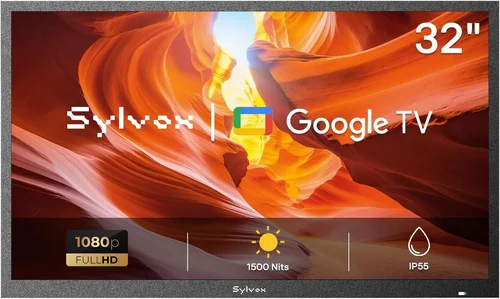
Outdoor living spaces have evolved dramatically over the past decade. What once was a simple backyard retreat with a grill and a few lawn chairs has transformed into a full-fledged extension of the home—complete with outdoor kitchens, fire pits, and yes, even televisions. Among the most popular additions to modern gazebos and pergolas is the outdoor TV. Whether you’re hosting summer barbecues, watching the big game under the stars, or enjoying a quiet evening with a movie, having a reliable TV in your gazebo can elevate your outdoor experience.
But here’s the catch: not all TVs are built to withstand the elements. Standard indoor televisions can quickly fail when exposed to humidity, temperature swings, rain, or direct sunlight. That’s why choosing the right outdoor TV—especially one that fits your budget—is crucial. This guide is designed to help you navigate the often-confusing world of outdoor televisions, with a special focus on affordable options that don’t sacrifice performance or durability. Whether you’re a first-time buyer or upgrading from an older model, you’ll learn exactly what to look for, what to avoid, and how to get the best value for your money.
The market for outdoor TVs has grown significantly, with more brands entering the space and prices becoming increasingly competitive. However, “cheap” doesn’t always mean “low quality.” In fact, several budget-friendly models now offer impressive brightness, weather resistance, and smart features that rival their pricier counterparts. This guide will walk you through every step of the buying process, from understanding key technical specifications to comparing different types of outdoor TVs and avoiding common pitfalls. By the end, you’ll be equipped with the knowledge to make a confident, informed decision—no matter your budget.

What to Look for When Buying Buying Guide
1. Budget & Price Range
When shopping for a cheap outdoor TV for your gazebo, your budget is the first and most important factor to consider. While it’s tempting to go for the lowest price available, it’s essential to understand what you’re getting—and what you might be missing—at different price points. Outdoor TVs are inherently more expensive than indoor models due to their specialized construction, but that doesn’t mean you can’t find a solid option under $1,000.
For most homeowners, a budget between $600 and $1,200 will get you a reliable, mid-tier outdoor TV with good brightness, weather resistance, and basic smart features. Entry-level models in the $400–$600 range can work well for covered gazebos with minimal exposure to the elements, but they may lack advanced durability or long-term reliability. On the other hand, spending over $1,500 typically gets you premium features like ultra-bright displays, full weatherproofing, and extended warranties—ideal for fully exposed areas.
2. Performance Specifications
Performance specs are where many buyers go wrong—especially when trying to save money. A TV might look great in a showroom, but outdoor environments present unique challenges: glare from sunlight, varying temperatures, and the need for high visibility from a distance. Here’s what to prioritize:
- Brightness (Nits): This is the most critical spec for outdoor use. Indoor TVs typically range from 300 to 500 nits, but outdoor models should be at least 700 nits, with 1,000+ nits being ideal for sunny areas. Anything below 600 nits will struggle in direct sunlight.
- Resolution: 4K UHD is the standard for most modern TVs and offers excellent clarity, especially on larger screens. While 1080p is still available and cheaper, it’s becoming outdated and may not look sharp on screens over 50 inches.
- Refresh Rate: A 60Hz refresh rate is standard and sufficient for most content, but if you plan to watch sports or fast-action movies, look for 120Hz for smoother motion.
- Viewing Angle: Wide viewing angles (178 degrees) ensure the picture remains clear even when viewed from the side—important in a gazebo where people may be seated at various angles.
Don’t overlook audio performance either. Many outdoor TVs have limited built-in speakers due to weatherproofing constraints. If sound quality matters, consider pairing your TV with outdoor speakers or a soundbar.
3. Build Quality & Durability
An outdoor TV isn’t just a TV—it’s a piece of outdoor equipment. It needs to withstand rain, snow, dust, UV exposure, and temperature extremes. This is where cheap models often cut corners. Look for the following durability features:
- Weatherproof Rating: The IP (Ingress Protection) rating tells you how resistant the TV is to dust and water. For outdoor use, aim for at least IP55 (protected against dust and water jets). IP65 or higher is ideal for full exposure.
- Materials: Aluminum or powder-coated steel housings resist rust and corrosion better than plastic. Avoid models with exposed screws or seams that could allow moisture ingress.
- Temperature Tolerance: Check the operating temperature range. Most outdoor TVs work between -22°F and 122°F (-30°C to 50°C), which covers most climates. Some budget models may shut down in extreme cold or heat.
- Anti-Glare & Anti-Reflective Coatings: These reduce screen glare from sunlight, improving visibility during the day.
Even if your gazebo is covered, humidity and temperature swings can still affect electronics. A well-built TV will last 5–7 years or more; a cheap one might fail in 2–3.
4. Features & Functionality
Modern outdoor TVs come with a range of features that enhance usability and convenience. While you don’t need every bell and whistle, some features are worth the extra cost:
- Smart TV Platform: Built-in Wi-Fi and apps like Netflix, YouTube, and Amazon Prime Video let you stream content without extra devices. Look for platforms like Android TV, Roku TV, or webOS for a smooth experience.
- HDMI & USB Ports: Ensure there are enough ports for your devices (cable box, gaming console, streaming stick). At least two HDMI ports are recommended.
- Remote Control: Some outdoor TVs come with weather-resistant remotes or smartphone apps for control. This is helpful if the TV is mounted high or in a hard-to-reach spot.
- Mounting Options: Check if the TV supports VESA mounting standards (e.g., 200×200, 400×400) so you can use standard wall or ceiling mounts.
- Energy Efficiency: Outdoor TVs can consume more power due to high brightness. Look for ENERGY STAR certification to save on electricity.
One often-overlooked feature is the ability to disable the TV’s internal fan (if it has one). Some models run fans to cool the display, which can be noisy in a quiet outdoor setting. Fanless designs are quieter and often more reliable.
5. Brand Reputation
Not all brands are created equal—especially in the outdoor electronics space. Some companies specialize in outdoor AV equipment and have a proven track record, while others repurpose indoor TVs with minimal modifications. Stick with reputable brands known for quality and customer support.
Top outdoor TV brands include:
- SunBriteTV: The original outdoor TV brand, known for premium build quality and excellent brightness. Prices are higher, but they offer unmatched durability.
- Seura: Offers sleek designs with good weather resistance and smart features. Mid-to-high price range.
- Peerless-AV: Known for rugged outdoor displays and commercial-grade durability. Great for harsh environments.
- Element: A budget-friendly brand offering outdoor-ready TVs with decent specs under $800. Good for covered gazebos.
- LG & Samsung: While primarily indoor brands, they offer some outdoor-compatible models with high brightness and smart features. Often require additional enclosures.
Cheaper, no-name brands may save you money upfront but often lack warranties, customer support, and long-term reliability. Read reviews and check forums before buying.
6. Warranty & Support
A strong warranty is a sign of a manufacturer’s confidence in their product—and a lifesaver if something goes wrong. Most reputable outdoor TV brands offer at least a 1-year warranty, with some extending to 2 or 3 years. SunBriteTV, for example, offers a 2-year warranty with optional extended coverage.
Pay attention to what the warranty covers:
- Does it include labor and parts?
- Is shipping covered if the TV needs repair?
- Are there exclusions for weather damage or power surges?
Also consider customer support. Can you easily reach a technician? Is there a local service center? Brands with strong support networks make troubleshooting and repairs much easier.
7. Size & Portability
The size of your TV should match the size of your gazebo and viewing distance. A TV that’s too small will be hard to see; one that’s too large can overwhelm the space. Here’s a quick guide:
- 40–43 inches: Ideal for small gazebos or close viewing (6–8 feet).
- 50–55 inches: Best for medium-sized gazebos with 8–10 foot viewing distance.
- 60–65 inches: Great for large gazebos or outdoor rooms with 10–12 foot viewing.
- 70+ inches: Reserved for spacious outdoor entertainment areas.
Portability matters if you plan to move the TV between locations (e.g., from the gazebo to the patio). Most outdoor TVs are heavy and designed to be wall-mounted, so they’re not meant to be moved frequently. If you need flexibility, consider a portable outdoor projector instead—though image quality won’t match a dedicated outdoor TV.
8. User Reviews & Ratings
Never buy an outdoor TV without checking real user reviews. Professional reviews are helpful, but they often test TVs in controlled environments. Real-world users will tell you about long-term durability, weather performance, and customer service experiences.
Look for reviews that mention:
- How the TV performs in direct sunlight
- Reliability after 1–2 years of use
- Ease of installation and mounting
- Issues with condensation, overheating, or remote control
- Customer service responsiveness
Avoid products with consistently low ratings (below 3.5 stars) or patterns of complaints about the same issue (e.g., screen burn-in, Wi-Fi drops). Amazon, Best Buy, and specialty outdoor electronics sites are good sources for honest feedback.
Different Types of Buying Guide

Common Buying Mistakes to Avoid
❌ Mistake: Buying an Indoor TV for Outdoor Use
Why it’s bad: Indoor TVs are not designed to handle moisture, temperature changes, or UV exposure. Even in a covered gazebo, humidity can seep into the electronics, causing corrosion, screen fogging, or complete failure within months.
What to do instead: Invest in a TV specifically rated for outdoor use—or use an indoor TV inside a certified outdoor enclosure. Don’t risk damaging a $500 TV by exposing it to the elements.
❌ Mistake: Ignoring Brightness (Nits)
Why it’s bad: A dim screen will be washed out in sunlight, making it impossible to see during the day. Many buyers focus on resolution or size but forget that brightness is king outdoors.
What to do instead: Prioritize TVs with at least 700 nits of brightness. For sunny areas, aim for 1,000+ nits. Check the spec sheet—don’t rely on marketing claims like “sunlight readable.”
❌ Mistake: Overlooking the IP Rating
Why it’s bad: Without proper weatherproofing, rain, snow, or even morning dew can damage internal components. A low IP rating means the TV isn’t truly outdoor-safe.
What to do instead: Look for an IP55 rating or higher. IP65 is ideal for full exposure. Avoid TVs that only claim “weather-resistant” without a certified IP rating.
❌ Mistake: Choosing the Wrong Size
Why it’s bad: A TV that’s too small will be hard to see from a distance; one that’s too large can dominate the space and strain your budget.
What to do instead: Measure your gazebo and determine the optimal viewing distance. Use a size guide (e.g., 55 inches for 8–10 feet) and consider the TV’s bezel size—some models have thick frames that reduce screen real estate.
❌ Mistake: Skipping the Warranty
Why it’s bad: Outdoor TVs are expensive and prone to environmental damage. Without a warranty, a single storm or power surge could leave you with a costly repair bill.
What to do instead: Always check the warranty terms. Opt for brands that offer at least 1–2 years of coverage and consider extended warranties for added peace of mind.
❌ Mistake: Forgetting About Audio
Why it’s bad: Most outdoor TVs have weak built-in speakers due to weatherproofing. Relying on them results in poor sound quality, especially in noisy outdoor environments.
What to do instead: Plan for external audio from the start. Invest in weather-resistant outdoor speakers or a soundbar. Some TVs support Bluetooth audio for wireless setups.
❌ Mistake: Buying Based on Price Alone
Why it’s bad: The cheapest TV may save you money upfront but cost more in the long run due to poor durability, frequent repairs, or early replacement.
What to do instead: Focus on value—not just price. A $900 TV that lasts 7 years is a better investment than a $500 TV that fails in 2. Consider total cost of ownership, including energy use and maintenance.
Budget Guidelines: How Much Should You Spend?
- Entry-Level ($400 – $600): Best for covered gazebos with minimal exposure. Expect 40–50 inch screens, 700–800 nits brightness, basic smart features, and limited weather resistance. Brands like Element and some LG models fall here. Ideal for occasional use in mild climates.
- Mid-Range ($600 – $1,200): The sweet spot for most buyers. Offers 50–65 inch screens, 800–1,000+ nits brightness, IP55 rating, full smart TV functionality, and solid build quality. Great for partially covered gazebos. Look at models from Peerless-AV, Seura, and upgraded Element TVs.
- Premium ($1,200 – $2,000): For fully exposed areas or high-end outdoor living spaces. Features ultra-bright displays (1,000+ nits), IP65+ ratings, fanless cooling, premium materials, and extended warranties. SunBriteTV and top-tier Seura models dominate this range.
- Luxury ($2,000+): Reserved for commercial use or luxury homes. Includes 75+ inch screens, 24/7 operation capability, anti-vandal designs, and advanced thermal management. Overkill for most residential gazebos but ideal for resorts, restaurants, or large estates.
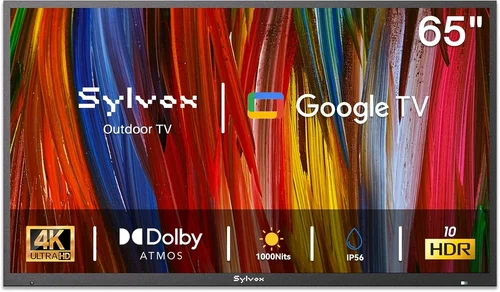
Expert Tips for Getting the Best Deal
- Buy During Off-Season: Outdoor TV sales peak in spring and summer. Shop in fall or winter (October–February) for discounts of 15–30% as retailers clear inventory.
- Check Retailer Return Policies: Some stores offer 30–60 day returns, which is helpful if the TV doesn’t perform as expected outdoors. Avoid retailers with strict no-return policies.
- Look for Bundles: Some brands offer TV + mount + speaker bundles at a discount. These can save $100–$200 compared to buying separately.
- Use Price Tracking Tools: Websites like Honey, CamelCamelCamel, or Keepa track price history and alert you when a TV drops in price.
- Consider Refurbished Models: Certified refurbished outdoor TVs from reputable sellers often come with warranties and cost 20–40% less than new.
- Negotiate with Local Dealers: Independent electronics stores may offer price matching or installation discounts if you ask.
- Test Before You Buy (If Possible): Visit a store to see the TV’s brightness and color accuracy in person. Bring a flashlight to simulate sunlight glare.
- Read the Fine Print on Warranties: Some warranties are voided if the TV is installed incorrectly or used in extreme conditions. Know the terms before purchasing.

Frequently Asked Questions
Q: Can I use a regular TV in my gazebo?
A: Technically yes, but it’s not recommended. Indoor TVs lack weatherproofing and can fail quickly when exposed to humidity, temperature swings, or rain. If you must use one, install it inside a certified outdoor enclosure with proper ventilation and drainage.
Q: Do outdoor TVs need special mounts?
A: Most outdoor TVs use standard VESA mounts, but you’ll need a mount rated for outdoor use. Look for rust-resistant, powder-coated mounts with tilt and swivel options for optimal viewing angles.
Q: How do I protect my outdoor TV from theft?
A: Use a locking mount, install the TV in a visible area, and consider a security camera. Some mounts come with built-in locks, or you can add a cable lock for extra protection.
Q: Can I leave my outdoor TV on all the time?
A: Most outdoor TVs are designed for continuous use, but check the manufacturer’s guidelines. Avoid leaving it on during thunderstorms or extreme weather to prevent damage.
Q: Do outdoor TVs use more electricity?
A: Yes, due to higher brightness and cooling systems. Look for ENERGY STAR models to reduce power consumption. A 55-inch outdoor TV may use 100–150 watts, compared to 80–100 for an indoor model.
Q: What’s the difference between partial-shade and all-weather TVs?
A: Partial-shade TVs are for covered areas with minimal exposure to rain and direct sun. All-weather TVs are fully sealed and can withstand full exposure, including heavy rain and snow.
Q: Can I connect a soundbar to an outdoor TV?
A: Yes, most outdoor TVs have HDMI ARC or optical audio outputs for connecting soundbars or external speakers. Ensure the soundbar is also weather-resistant if placed outdoors.
Q: How long do outdoor TVs last?
A: With proper care, a quality outdoor TV can last 5–7 years or more. Cheaper models may last 2–3 years. Regular cleaning and avoiding extreme conditions can extend lifespan.
Q: Are outdoor TVs worth the extra cost?
A: If you use your gazebo frequently and want reliable performance in all conditions, yes. The durability, brightness, and peace of mind justify the investment for most homeowners.
Our Final Recommendations
- Best for Budget-Conscious Buyers: Element 50″ Outdoor Partial-Shade TV – At around $650, it offers 800 nits brightness, IP55 rating, and Roku smart platform. Ideal for covered gazebos in mild climates.
- Best Overall Value: Peerless-AV 55″ Outdoor TV – Priced at $1,100, it delivers 1,000 nits brightness, fanless design, and excellent build quality. A great balance of price and performance.
- Best Premium Option: SunBriteTV Veranda 65″ Series – At $1,800, it’s built for full exposure with 1,200 nits brightness, IP65 rating, and a 2-year warranty. Perfect for open gazebos.
- Best for Beginners: Seura 55″ Outdoor TV – Easy setup, intuitive interface, and reliable performance. Great for first-time outdoor TV owners.
- Best for Advanced Users: Peerless-AV 75″ Commercial Outdoor Display – For large spaces or commercial use, this model offers 2,000 nits brightness and 24/7 operation capability.
Conclusion: Making the Right Choice
Choosing the right outdoor TV for your gazebo doesn’t have to be overwhelming—or expensive. By focusing on key factors like brightness, weather resistance, build quality, and warranty, you can find a model that fits both your budget and your lifestyle. Remember, “cheap” doesn’t mean “cheaply made.” There are excellent options under $1,000 that deliver reliable performance and long-term value.
Start by assessing your gazebo’s exposure level, viewing distance, and usage frequency. Then, compare models within your price range, read real user reviews, and don’t skip the warranty. Whether you’re watching the sunset with a movie or hosting a game night under the stars, the right outdoor TV will transform your gazebo into a true outdoor entertainment hub.
Take your time, do your research, and prioritize what matters most to you. With the insights from this guide, you’re now equipped to make a smart, confident purchase—one that will bring years of enjoyment to your outdoor space. Happy viewing!

