
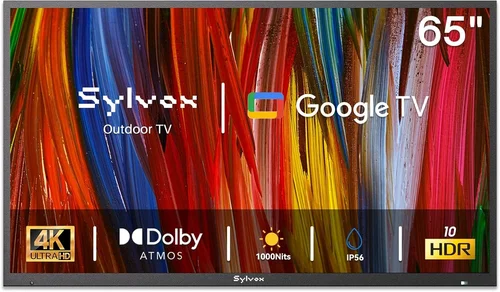
Outdoor gatherings have become a cornerstone of modern family life. Whether it’s a backyard barbecue, a poolside movie night, or a holiday celebration under the stars, families are increasingly looking for ways to extend their indoor entertainment experiences into the great outdoors. One of the most popular solutions? An outdoor TV. But with so many options flooding the market—especially budget-friendly models—it’s easy to feel overwhelmed. That’s exactly why this guide exists: to cut through the noise and help you make a smart, informed decision without overspending.
In this comprehensive buying guide, you’ll learn everything you need to know about choosing a cheap outdoor TV that delivers reliable performance, durability, and value. We’ll walk you through the essential factors to consider—from weather resistance and screen brightness to smart features and installation requirements. You’ll also discover common pitfalls to avoid, realistic budget expectations, and expert tips for scoring the best deals. Whether you’re a first-time buyer or upgrading from an older model, this guide is designed to equip you with practical knowledge that translates into real-world satisfaction.
The outdoor TV market has evolved significantly in recent years. What was once a niche category dominated by ultra-expensive, fully sealed commercial-grade displays has now opened up to include affordable, consumer-friendly options. Brands like SunBrite, Seura, and even mainstream manufacturers like Samsung and LG now offer outdoor-compatible models at various price points. However, “cheap” doesn’t always mean “good value.” Some budget TVs claim outdoor readiness but fail under real-world conditions like direct sunlight, humidity, or temperature swings. Our goal is to help you distinguish between marketing hype and genuine functionality—so you can enjoy crystal-clear viewing during your next family gathering, rain or shine.

What to Look for When Buying Buying Guide
1. Budget & Price Range
When shopping for a cheap outdoor TV, your budget will naturally be one of the first considerations. However, it’s crucial to understand that “cheap” in the outdoor TV world doesn’t mean under $300. True outdoor-ready TVs—even entry-level ones—typically start around $600 and can climb well above $2,000 for premium models. The key is balancing cost with essential features that ensure longevity and usability.
A common misconception is that you can simply buy a regular indoor TV, mount it outside under a covered patio, and call it a day. While this might work temporarily in mild climates, it’s a risky gamble. Indoor TVs aren’t built to withstand moisture, dust, extreme temperatures, or UV exposure. Over time, these elements degrade internal components, leading to premature failure—often voiding warranties. So while a $400 indoor TV might seem like a bargain, replacing it every two years due to weather damage ends up costing more than investing in a proper outdoor model upfront.
For most families, a realistic budget for a decent outdoor TV ranges from $700 to $1,500. Within this range, you’ll find models that offer solid brightness (at least 700 nits), basic weatherproofing, and reliable smart platforms. If you’re willing to stretch to $1,800–$2,500, you gain access to higher-end features like anti-glare coatings, enhanced cooling systems, and longer warranties. Always ask yourself: How often will I use this? If it’s just for occasional weekend gatherings, a mid-tier model may suffice. But if you plan to use it weekly—or in a high-sunlight area—investing a bit more upfront pays off in durability and performance.
2. Performance Specifications
Performance specs determine how well your TV will actually perform in an outdoor setting—not just how it looks on paper. The most critical spec for outdoor use is brightness, measured in nits. Indoor TVs typically range from 300 to 500 nits, which is fine for dim living rooms but utterly inadequate under direct sunlight. For outdoor viewing, you need a minimum of 700 nits, with 1,000+ nits being ideal for bright, uncovered areas.
Resolution is another key factor. While 4K UHD has become the standard even in budget models, ensure the TV supports HDR (High Dynamic Range) for better contrast and color accuracy in varying light conditions. Look for HDR10 or Dolby Vision compatibility—these formats enhance detail in both shadows and highlights, which is especially useful when watching sports or action movies outdoors.
Refresh rate matters too, particularly if you’re streaming live sports or playing video games. A 60Hz panel is acceptable for casual viewing, but 120Hz offers smoother motion and reduced blur during fast-paced scenes. Input lag—the delay between pressing a button and seeing the action on screen—should be under 20ms for gaming enthusiasts.
Audio performance is often overlooked but vital. Most outdoor TVs come with built-in speakers, but they’re usually underpowered for open spaces. Consider models with at least 20W of audio output or plan to connect external speakers via Bluetooth or optical audio out. Some premium outdoor TVs even include weather-resistant soundbars as part of the package.
Finally, check connectivity options. Ensure the TV has enough HDMI ports (at least three), USB inputs for media playback, and support for modern standards like HDMI 2.1 if you plan to connect a next-gen gaming console or streaming device. Wi-Fi 6 and Ethernet ports future-proof your setup for faster streaming and firmware updates.
3. Build Quality & Durability
Outdoor TVs must endure conditions that would destroy an indoor model in weeks. That’s why build quality isn’t just a nice-to-have—it’s non-negotiable. The most important aspect is the enclosure. Look for TVs with fully sealed, powder-coated aluminum or stainless-steel casings that resist rust, corrosion, and UV degradation. Avoid plastic housings, which can warp or crack in extreme temperatures.
Weather resistance should be certified. The gold standard is an IP55 or higher rating, which means the TV is protected against dust ingress and low-pressure water jets from any direction. Some models go further with IP65 or IP66 ratings, offering even greater protection against heavy rain and snow. Always verify the IP rating in the product specs—don’t assume “outdoor” equals “weatherproof.”
Thermal management is another hidden hero of durability. Outdoor TVs generate heat, and without proper ventilation or cooling systems, internal components can overheat—especially in summer. Quality models include passive cooling (heat sinks) or active cooling (quiet fans) designed to operate silently and efficiently. Check user reviews for mentions of overheating or fan noise; these are red flags.
Mounting hardware should also be included or explicitly compatible. Many outdoor TVs come with VESA-standard mounting patterns, but ensure the bracket is rated for outdoor use and can handle wind loads if mounted on a freestanding pole or exposed wall. Some brands sell proprietary mounting kits that integrate cable management and tilt adjustments—worth the extra cost for ease of installation.
Lastly, consider the screen itself. Anti-reflective or anti-glare coatings are essential for reducing sun glare. Tempered glass fronts add scratch resistance and improve safety. Avoid models with glossy, untreated screens—they’ll turn into mirrors on sunny days.
4. Features & Functionality
Modern outdoor TVs pack impressive smart features that rival their indoor counterparts. The operating system (OS) determines how intuitive and responsive the interface is. Leading options include Google TV (used by Sony and TCL), webOS (LG), and Roku TV (available on select outdoor models). These platforms offer seamless access to Netflix, Disney+, YouTube, and thousands of apps—all controllable via voice remote or smartphone app.
Voice control is increasingly standard. Integration with Google Assistant or Amazon Alexa lets you change channels, adjust volume, or search content hands-free—perfect when you’re grilling or lounging poolside. Ensure the microphone on the remote is sensitive enough to pick up commands over ambient noise.
Streaming capabilities should support 4K HDR content at high bitrates. Look for built-in support for major services and compatibility with casting protocols like AirPlay 2 (Apple) or Chromecast (Google). This allows you to mirror your phone or tablet screen directly to the TV—ideal for sharing vacation photos or playing mobile games with the family.
Gaming features are worth noting if you have teens or enjoy casual gaming. Variable Refresh Rate (VRR) and Auto Low Latency Mode (ALLM) reduce screen tearing and input lag, making gameplay smoother. While not all outdoor TVs support these, some mid-range models now include them—check the specs carefully.
Smart home integration is a bonus. Some outdoor TVs can act as hubs for smart lights, thermostats, or security cameras, displaying alerts or feeds on the screen. This turns your TV into a multifunctional control center for your backyard oasis.
Lastly, consider ease of use. A well-designed remote with backlighting, dedicated app buttons, and ergonomic grip makes nighttime viewing much more enjoyable. Some models even include a second remote or mobile app for added convenience.
5. Brand Reputation
Not all outdoor TV brands are created equal. While big names like Samsung and LG offer some outdoor-compatible models, they often lack the specialized engineering of dedicated outdoor brands. Companies like SunBrite (by SkyVue), Seura, and Avid Power have spent years refining designs specifically for harsh environments. Their TVs undergo rigorous testing for temperature extremes, humidity, and UV exposure—something mainstream manufacturers rarely disclose.
Research brand history and customer service reputation. Read forums, Reddit threads, and YouTube reviews from real users. Pay attention to how quickly brands respond to issues and whether they honor warranties without hassle. A brand with a strong track record in outdoor electronics is more likely to stand behind its products.
Also, consider regional availability. Some brands only sell through authorized dealers or require professional installation. If you’re DIY-inclined, look for brands that offer clear setup guides, online support, and readily available replacement parts.
Avoid unknown brands that pop up on Amazon with suspiciously low prices and vague specifications. These are often rebranded indoor TVs with minimal weatherproofing—sold as “outdoor ready” but failing within months. Stick to reputable names, even if it means paying a slight premium.
6. Warranty & Support
A robust warranty is your safety net against defects, weather damage, and premature failure. Most reputable outdoor TV brands offer at least a 2-year limited warranty, with some extending to 3 or even 5 years. Pay close attention to what’s covered: Does it include labor for repairs? Are accidental damages or power surges covered? Is on-site service available?
Some brands differentiate between “residential” and “commercial” warranties. Residential coverage is usually sufficient for home use, but verify the terms. Also, check if the warranty is transferable—this adds value if you ever sell your home.
Customer support quality varies widely. Look for brands that offer multiple contact channels: phone, email, live chat, and comprehensive online resources like FAQs, video tutorials, and troubleshooting guides. Avoid companies that only provide email support with slow response times.
Extended warranty plans are available from third-party providers, but weigh the cost against the likelihood of needing repairs. For a $1,200 TV, a $150 extended warranty might not be worth it if the manufacturer already offers strong coverage.
7. Size & Portability
Screen size directly impacts viewing experience, but bigger isn’t always better—especially outdoors. Consider your seating distance: for every 1 foot of viewing distance, you need about 1 inch of screen diagonal. So if your seating is 8–10 feet away, a 55″ to 65″ TV is ideal. Going larger than 75″ may overwhelm the space and require a more robust mounting solution.
Portability matters if you plan to move the TV between locations—say, from the patio to the garage for a game night. Some outdoor TVs are designed to be lightweight and come with carrying handles or optional wheeled carts. However, true outdoor models are often heavier due to reinforced enclosures, so factor in weight when planning installation.
If space is tight, consider ultra-thin models or those with slim bezels for a more modern look. Wall-mounted TVs save floor space and reduce trip hazards, while ceiling mounts work well under pergolas or gazebos.
8. User Reviews & Ratings
Never rely solely on manufacturer claims. User reviews—especially detailed ones with photos or videos—offer invaluable insights into real-world performance. Look for patterns: Do multiple users report overheating in summer? Is the remote unreliable in humid conditions? Are firmware updates slow or buggy?
Amazon, Best Buy, and specialty outdoor electronics sites like Crutchfield are great sources. Filter reviews by “verified purchase” and read both 5-star and 1-star feedback. The best reviews explain why they love or hate the product—not just “it’s great” or “it broke.”
Pay attention to long-term reviews (6+ months). Outdoor durability only reveals itself over time. A TV that works perfectly for three months may fail after a rainy season or heatwave.
Also, check professional reviews from trusted tech sites like CNET, Wirecutter, or RTINGS.com. They often test brightness, color accuracy, and durability under controlled conditions—giving you data beyond anecdotal experiences.
Different Types of Buying Guide

Common Buying Mistakes to Avoid
❌ Mistake: Buying an Indoor TV for Outdoor Use
Why it’s bad: Indoor TVs lack weatherproofing, UV protection, and thermal management. Exposure to moisture, dust, or temperature swings can cause immediate or gradual failure—often not covered by warranty.
What to do instead: Invest in a TV specifically designed for outdoor use, even if it costs more upfront. The long-term savings and reliability far outweigh the initial expense.
❌ Mistake: Ignoring Brightness Requirements
Why it’s bad: A dim screen turns into a useless mirror in daylight. You’ll strain your eyes trying to see content, ruining the viewing experience.
What to do instead: Choose a TV with at least 700 nits of brightness—1,000+ nits for uncovered areas. Check reviews for real-world brightness performance.
❌ Mistake: Overlooking Mounting and Installation Needs
Why it’s bad: Improper mounting can lead to instability, cable damage, or even the TV falling—posing safety risks.
What to do instead: Use a VESA-compatible outdoor mount rated for your TV’s weight and wind load. Consider professional installation if unsure.
❌ Mistake: Skipping the Warranty Fine Print
Why it’s bad: Some warranties exclude weather-related damage or require registration within 30 days. You could be left paying for repairs out of pocket.
What to do instead: Read the warranty terms carefully. Register your product immediately and keep all documentation.
❌ Mistake: Choosing Based on Price Alone
Why it’s bad: The cheapest option often lacks critical features like proper sealing, brightness, or smart functionality—leading to frustration and replacement costs.
What to do instead: Prioritize value over price. Look for the best combination of durability, performance, and features within your budget.
❌ Mistake: Not Testing Before Finalizing
Why it’s bad: You might discover poor audio, laggy interface, or mounting incompatibilities only after installation—when returns are difficult.
What to do instead: If possible, test the TV indoors first. Check all ports, remote functionality, and app performance. Ensure it meets your expectations before mounting.
Budget Guidelines: How Much Should You Spend?
– Entry-Level ($600 – $900): These are typically partial-cover models with 500–700 nits brightness, basic smart features, and IP54 ratings. Ideal for covered patios in mild climates. Expect shorter warranties (1–2 years) and fewer premium features.
– Mid-Range ($900 – $1,600): The sweet spot for most families. These TVs offer 700–1,000+ nits, full smart platforms, IP55+ ratings, and better thermal management. Look for brands like TCL, Hisense, or specialized outdoor lines from mainstream manufacturers.
– Premium ($1,600 – $2,500): Designed for full outdoor exposure. Features include anti-glare screens, enhanced cooling, Dolby Vision, and 3–5 year warranties. Brands like SunBrite and Seura dominate this tier.
– Luxury ($2,500+): Top-tier models with commercial-grade durability, 1,500+ nits brightness, 24/7 operation capability, and professional installation support. Best for large properties, resorts, or serious enthusiasts.
Expert Tips for Getting the Best Deal
– Buy during off-seasons: Prices drop in late fall and winter when outdoor demand is low. Look for Black Friday, Cyber Monday, or end-of-year clearance sales.
– Shop at specialty retailers: Stores like Crutchfield, Abt, or Outdoor TV Direct often bundle mounts, cables, or extended warranties—adding value beyond the sticker price.
– Compare online and in-store: Online prices are usually lower, but in-store purchases let you inspect build quality and test remotes.
– Check for open-box or refurbished deals: Certified refurbished outdoor TVs from reputable sellers can save 20–30% with full warranties.
– Negotiate with dealers: Authorized dealers may offer discounts, free shipping, or installation if you ask—especially for higher-end models.
– Read return policies carefully: Ensure you have at least 30 days to return the TV if it doesn’t meet expectations. Some outdoor TVs are heavy and costly to ship back.
– Bundle with accessories: Some retailers offer discounts when you buy a TV, mount, and weatherproof cover together.
– Monitor price-tracking tools: Use Honey, CamelCamelCamel, or Keepa to track price history and get alerts for drops.

Frequently Asked Questions
Q: Can I use a regular TV outside if it’s under a covered patio?
A: Technically yes, but it’s not recommended. Even under cover, humidity, temperature swings, and dust can damage internal components over time. A true outdoor TV is engineered to handle these conditions safely and reliably.
Q: Do outdoor TVs need special power outlets?
A: No—they use standard 120V outlets. However, ensure the outlet is GFCI-protected (required for outdoor use) and consider a surge protector to guard against lightning or power fluctuations.
Q: How do I clean an outdoor TV screen?
A: Use a microfiber cloth and distilled water or a screen-safe cleaner. Avoid ammonia-based products or abrasive materials. Clean gently to avoid scratching the anti-glare coating.
Q: Will an outdoor TV work in winter?
A: Yes, most are rated for temperatures as low as -22°F (-30°C). However, avoid turning it on immediately after extreme cold—let it acclimate to room temperature first to prevent condensation.
Q: Can I connect a soundbar to an outdoor TV?
A: Absolutely. Most outdoor TVs have optical audio, HDMI ARC, or Bluetooth for connecting external speakers. This is highly recommended for better sound in open spaces.
Q: Do outdoor TVs come with remotes?
A: Yes, but quality varies. Look for remotes with backlighting, voice control, and durable construction. Some brands offer optional waterproof remotes.
Q: How long do outdoor TVs last?
A: With proper care, 7–10 years is typical. Higher-end models with better components and cooling can last even longer.
Q: Are outdoor TVs energy efficient?
A: Generally yes. Many meet ENERGY STAR standards, especially LED-backlit models. Brightness settings also impact power use—dimming the screen when possible saves energy.
Q: Can I stream live TV outdoors?
A: Yes, via apps like YouTube TV, Hulu + Live TV, or Sling. Ensure strong Wi-Fi coverage in your outdoor area or use a mesh network extender.
Q: What if my outdoor TV gets rained on?
A: If it’s rated IP55 or higher, light to moderate rain won’t damage it. Avoid direct high-pressure water jets (like power washers). Always power off during storms if possible.
Our Final Recommendations
– Best for Budget-Conscious Buyers: TCL 55″ Class 5-Series Outdoor Partial-Cover TV ($899) – Great brightness (750 nits), Roku OS, and solid build for covered areas.
– Best Overall Value: SunBrite Veranda 55″ 4K UHD Outdoor TV ($1,499) – Excellent all-weather performance, 1,000 nits, and 3-year warranty.
– Best Premium Option: Seura 65″ Shadow Series Outdoor TV ($2,299) – Ultra-bright (1,500 nits), anti-glare screen, and sleek design for full exposure.
– Best for Beginners: Hisense 50″ H4F Outdoor Smart TV ($749) – Simple setup, Google TV, and good app selection for first-time users.
– Best for Advanced Users: Avid Power 75″ Commercial Outdoor Display ($3,499) – 24/7 operation, modular design, and professional-grade support.
Conclusion: Making the Right Choice
Choosing the right outdoor TV for your family gatherings doesn’t have to be overwhelming—or expensive. By focusing on key factors like brightness, build quality, weather resistance, and smart features, you can find a model that delivers exceptional value without breaking the bank. Avoid common pitfalls like buying indoor TVs or ignoring warranty details, and always prioritize long-term durability over short-term savings.
Remember, your outdoor TV is more than just a screen—it’s the centerpiece of memories: movie nights under the stars, game-day cheers, and holiday celebrations with loved ones. Invest wisely, maintain it properly, and it will serve your family for years to come.
Now that you’re armed with expert knowledge, it’s time to take action. Measure your space, set your budget, and start comparing models. Your perfect outdoor entertainment setup is just a purchase away. Happy viewing!

