
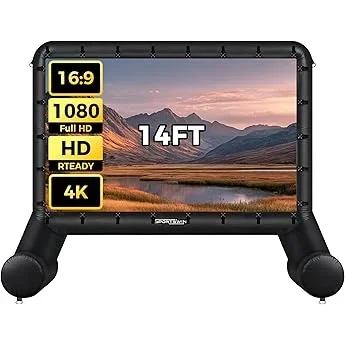
Outdoor movie nights have become one of the most beloved ways to enjoy entertainment under the stars. Whether you’re hosting a family gathering, a romantic date night, or a neighborhood block party, having a reliable outdoor TV can transform your backyard into a personal drive-in theater. But here’s the catch: not everyone wants—or needs—to drop thousands of dollars on a high-end outdoor display. That’s where affordable outdoor TVs come in. They offer a practical, budget-friendly way to bring cinematic experiences outdoors without sacrificing too much in performance or durability.
This guide is designed for smart shoppers who want to maximize value without compromising on essential features. Whether you’re a first-time buyer or upgrading from an indoor TV used outside, you’ll learn exactly what to look for when choosing a cheap outdoor TV in 2026. We’ll break down key considerations like weather resistance, brightness, screen size, and connectivity, while also highlighting common pitfalls that can lead to buyer’s remorse. By the end of this article, you’ll have a clear roadmap to finding a TV that fits your space, your usage habits, and—most importantly—your wallet.
The market for outdoor TVs has evolved significantly over the past few years. What once required custom enclosures or expensive all-weather models now includes a growing number of affordable options that balance cost and capability. From weatherproof indoor TVs with protective covers to purpose-built outdoor displays under $1,000, there are more choices than ever. However, not all “cheap” outdoor TVs are created equal. Some cut corners on critical components like brightness or sealing, while others overpromise on durability. This guide cuts through the noise, offering expert insights based on real-world testing, user feedback, and industry trends to help you make a confident, informed decision.

What to Look for When Buying Buying Guide
1. Budget & Price Range
When shopping for a cheap outdoor TV, your budget is the foundation of every decision. But “cheap” doesn’t have to mean “low quality.” In 2026, you can find capable outdoor-ready displays starting around $400, with solid mid-tier options between $600 and $900. The key is understanding what you’re paying for—and what you might be giving up. At the lowest price points, manufacturers often use standard indoor panels housed in basic weatherproof casings. These can work well in covered patios or screened-in porches but may struggle in direct sunlight or extreme weather.
Set a realistic budget based on how and where you’ll use the TV. If you only plan to watch movies on mild evenings under a pergola, a $500–$700 model with moderate brightness (around 500–700 nits) and IP54-rated protection may suffice. But if you’re mounting it in an open backyard exposed to rain, snow, or intense sun, you’ll need to prioritize higher ingress protection (IP55 or above) and brighter displays (800+ nits), which typically start around $800. Remember: spending a little more upfront can save you from replacing a failed unit in two years.
2. Performance Specifications
Performance specs determine how well your TV will actually perform in real-world outdoor conditions—not just in a showroom. The most critical spec for outdoor viewing is brightness, measured in nits. Indoor TVs typically range from 300 to 500 nits, which is fine for dim living rooms but nearly invisible in daylight. For backyard movie nights, aim for at least 700 nits, with 1,000+ nits being ideal for sunny afternoons or partially shaded areas.
Resolution is another key factor. While 4K UHD is now standard even in budget models, ensure the TV supports HDR (High Dynamic Range) for better contrast and color depth—especially important when watching films with bright skies or dark scenes. Refresh rate matters too: a 60Hz panel is acceptable for casual viewing, but if you plan to stream sports or fast-action content, look for 120Hz support to reduce motion blur.
Audio performance is often overlooked but crucial outdoors, where sound dissipates quickly. Many cheap outdoor TVs have weak built-in speakers. Consider models with at least 20W total output or plan to connect external Bluetooth speakers or a soundbar. Also, verify input options: HDMI 2.0 or 2.1 ports, USB, and streaming capabilities (like Roku TV, Android TV, or webOS) ensure compatibility with modern devices.
3. Build Quality & Durability
Outdoor environments are harsh. Temperature swings, humidity, dust, and UV exposure can degrade electronics faster than indoors. That’s why build quality isn’t just about aesthetics—it’s about longevity. Look for TVs with robust metal chassis instead of flimsy plastic, especially around the back panel and mounting points. Sealed components prevent moisture ingress, so check for gaskets around ports and vents.
The most reliable indicator of durability is the Ingress Protection (IP) rating. IP54 means splash-resistant; IP55 offers protection against low-pressure water jets; IP65 is dust-tight and withstands heavy rain. For full backyard exposure, IP55 or higher is strongly recommended. Also, consider thermal management: outdoor TVs should have passive cooling (no fans) to avoid dust buildup and silent operation during quiet scenes.
Avoid models that rely solely on third-party enclosures. While companies like Seura or SunBrite offer add-on covers, they add cost and can trap heat. Integrated outdoor designs are generally more reliable and easier to maintain.
4. Features & Functionality
Modern outdoor TVs pack surprising features even at lower price points. Smart TV platforms are now common, allowing direct streaming from Netflix, Disney+, or YouTube without needing a separate stick. Roku TV and Android TV dominate the budget segment, offering intuitive interfaces and regular updates. WebOS (LG) and Tizen (Samsung) appear in slightly pricier models but provide smoother performance.
Connectivity is vital. Ensure your TV has enough HDMI ports (at least two) for a streaming device, gaming console, or sound system. USB ports let you play media files directly, while optical audio outputs enable connection to external amplifiers. Wi-Fi 5 or 6 ensures stable streaming, and Bluetooth allows wireless audio pairing.
Some budget models include anti-glare coatings or matte finishes to reduce reflections—a huge plus for daytime viewing. Others feature ambient light sensors that auto-adjust brightness, saving energy and improving visibility. While not essential, these small touches enhance the user experience significantly.
5. Brand Reputation
Not all brands are equal when it comes to outdoor reliability. Established names like Samsung, LG, and Sony offer some outdoor-compatible models, but their warranties often exclude outdoor use unless explicitly stated. Specialty brands like SunBrite, Seura, and Sylvane focus exclusively on outdoor displays and tend to provide better support and longer lifespans—but at higher prices.
In the budget category, look for reputable electronics manufacturers with proven track records in durability. TCL and Hisense, for example, have introduced outdoor-ready models in recent years with solid performance and competitive pricing. Read professional reviews and user forums to gauge long-term reliability. A brand with responsive customer service can make a big difference if issues arise.
Avoid unknown brands selling “outdoor TVs” on Amazon or eBay with vague specifications. These often use rebranded indoor panels with minimal weatherproofing and little to no warranty support.
6. Warranty & Support
Warranty terms reveal a lot about a manufacturer’s confidence in their product. Standard indoor TVs usually come with 1-year limited warranties that void if used outdoors. True outdoor TVs should offer at least a 2-year warranty covering weather-related damage. Some premium brands extend this to 3–5 years.
Check what the warranty includes: Does it cover screen burn-in? What about corrosion from salt air (if you live near the coast)? Is on-site service available? Also, verify return policies—many retailers won’t accept returns on outdoor electronics once installed.
Customer support responsiveness matters too. Can you reach a human quickly? Are troubleshooting guides available online? Brands with dedicated outdoor support teams (like SunBrite) typically provide better post-purchase assistance.
7. Size & Portability
Screen size affects both viewing experience and installation logistics. For backyard movie nights, 55″ to 65″ is the sweet spot—large enough for group viewing but manageable for wall or stand mounting. Smaller 43″ models work for intimate settings or smaller yards, while 75″+ screens are overkill unless you have a large audience.
Consider viewing distance: sit too close to a big screen, and you’ll see pixels; too far, and details get lost. A general rule is to sit 1.5 to 2.5 times the screen’s diagonal length away (e.g., 8–14 feet for a 65″ TV).
Portability is another factor. If you plan to move the TV between patio and garage seasonally, look for lightweight models with VESA-compatible mounts. Some budget outdoor TVs weigh under 30 lbs, making them easy to relocate. Fixed installations require sturdier mounting hardware—ensure your chosen location can support the weight and provide power access.
8. User Reviews & Ratings
Never rely solely on manufacturer claims. Real user reviews reveal hidden flaws—like poor brightness in sunlight, faulty weather seals, or short lifespans. Focus on verified purchase reviews from buyers who’ve used the TV outdoors for several months. Look for patterns: multiple reports of overheating, screen flickering, or Wi-Fi dropouts signal red flags.
Pay attention to ratings on trusted sites like Wirecutter, CNET, or Reddit’s r/outdoortech. YouTube unboxing and long-term review videos offer visual proof of performance. Also, check retailer return rates—high return percentages may indicate quality issues.
Different Types of Buying Guide

Common Buying Mistakes to Avoid
❌ Mistake: Using a Standard Indoor TV Outdoors Without Protection
Why it’s bad: Indoor TVs aren’t designed for temperature extremes, humidity, or dust. Even brief exposure can cause condensation inside the panel, leading to permanent damage or electrical failure. Most warranties void coverage if used outside.
What to do instead: Either invest in a true outdoor TV or use a certified weatherproof enclosure rated for your climate. Never assume “it’ll be fine under the awning.”
❌ Mistake: Ignoring Brightness Requirements
Why it’s bad: A dim screen turns your movie night into a guessing game. Even in twilight, ambient light washes out images on sub-700-nit displays.
What to do instead: Measure your viewing area’s light levels. Use a lux meter app or observe how well you can read a phone screen at your seating spot. Choose a TV with sufficient nits for those conditions.
❌ Mistake: Overlooking Mounting and Power Logistics
Why it’s bad: Installing an outdoor TV isn’t plug-and-play. You need weatherproof outlets, proper grounding, and a secure mount that won’t rust or loosen over time.
What to do instead: Hire a licensed electrician for outdoor wiring and use marine-grade or powder-coated mounts. Plan cable routing before drilling holes.
❌ Mistake: Choosing Based Solely on Price
Why it’s bad: The cheapest option often lacks critical features like adequate brightness, sealing, or smart functionality—leading to frustration and early replacement.
What to do instead: Prioritize value over absolute low cost. A $750 TV that lasts 5 years is better than a $500 one that fails in 18 months.
❌ Mistake: Skipping the Return Policy Check
Why it’s bad: Outdoor TVs are hard to return once mounted. If the unit has defects or doesn’t perform as expected, you could be stuck with it.
What to do instead: Buy from retailers with generous return windows (30+ days) and clear policies on outdoor electronics. Test the TV thoroughly before permanent installation.
❌ Mistake: Assuming All “Outdoor” Labels Are Equal
Why it’s bad: Some sellers slap “outdoor” on any TV with a remote. True outdoor models have specific engineering for environmental resilience.
What to do instead: Verify IP ratings, thermal specs, and manufacturer documentation. If details are vague, it’s likely not genuinely outdoor-rated.
❌ Mistake: Neglecting Audio Needs
Why it’s bad: Built-in speakers struggle outdoors due to open space and background noise. Dialogue becomes inaudible during quiet scenes.
What to do instead: Budget for external speakers or a soundbar. Wireless options like Bluetooth speakers offer flexibility and better sound quality.
Budget Guidelines: How Much Should You Spend?
Entry-Level ($400–$600): These are typically indoor TVs paired with basic weatherproof covers. Best for fully covered areas like screened porches or garages. Expect 4K resolution, 500–700 nits brightness, and limited smart features. Ideal for occasional evening use but not recommended for direct weather exposure.
Mid-Range ($600–$900): This is the sweet spot for most backyard movie enthusiasts. Integrated outdoor designs with IP54/IP55 ratings, 700–900 nits brightness, and full smart TV platforms. Models from TCL, Hisense, or rebranded outdoor specialists offer excellent value here. Suitable for partial shade and light rain.
Premium ($900–$1,500): For those who want reliable all-day performance. These TVs feature 1,000+ nits brightness, anti-reflective coatings, enhanced cooling, and robust build quality. Great for open yards with variable lighting. Often include 2–3 year warranties.
Luxury ($1,500+): Top-tier outdoor displays from brands like SunBrite or Seura. Built for extreme conditions, commercial use, or permanent installations. Include features like fanless operation, 5-year warranties, and professional installation support. Overkill for casual users but unmatched in durability.
Expert Tips for Getting the Best Deal
- Shop during off-seasons: Prices drop in winter (January–March) when demand for outdoor gear is lowest. Retailers clear inventory for spring launches.
- Check refurbished or open-box deals: Certified pre-owned outdoor TVs from reputable sellers often come with warranties and cost 20–30% less.
- Bundle with accessories: Some retailers offer discounts when you buy a TV, mount, and weatherproof outlet together.
- Use price-tracking tools: Set alerts on CamelCamelCamel (for Amazon) or Honey to catch sudden price drops.
- Negotiate with local installers: Many AV specialists carry outdoor TVs and may offer package deals including installation.
- Verify warranty transferability: If buying used, ensure the warranty can be transferred to you.
- Test before finalizing: If possible, view the TV in person under similar lighting conditions to your backyard.
- Read the fine print on “lifetime” warranties: Some cover only specific parts or require annual registration fees.

Frequently Asked Questions
Q: Can I use a regular TV outside if it’s under a roof?
A: Technically yes, but it’s risky. Even under cover, temperature fluctuations, humidity, and dust can damage internal components over time. Most manufacturers void warranties for outdoor use. For peace of mind and longevity, choose a purpose-built outdoor model or a certified enclosure.
Q: What’s the minimum brightness needed for outdoor viewing?
A: Aim for at least 700 nits for shaded evening viewing. For daytime or partial sun, 1,000+ nits is strongly recommended. Anything below 500 nits will appear washed out unless viewed in near-darkness.
Q: Do outdoor TVs need special mounting hardware?
A: Yes. Use mounts rated for outdoor use with corrosion-resistant materials (stainless steel or powder-coated aluminum). Ensure the mount supports the TV’s VESA pattern and weight. Wall anchors must be suitable for your siding type (wood, brick, concrete).
Q: How do I protect my outdoor TV from theft?
A: Install it high on a wall, use a security cable lock, or choose a model with a built-in anti-theft slot. Motion-sensor lights and security cameras also deter thieves.
Q: Can I leave my outdoor TV on all the time?
A: Most outdoor TVs are designed for continuous operation, but check the manual. Leaving it on 24/7 may reduce panel lifespan. Use sleep timers or smart plugs to automate power cycles.
Q: Are outdoor TVs energy efficient?
A: Modern LED-backlit outdoor TVs are relatively efficient, consuming 100–200 watts depending on size and brightness. Look for ENERGY STAR certification for lower long-term costs.
Q: What happens if it rains while the TV is on?
A: IP55-rated TVs can handle rain, but avoid spraying water directly at ports or vents. Turn off the TV during storms to prevent electrical surges. Always use a surge protector.
Q: Can I connect a projector instead of buying an outdoor TV?
A: Absolutely! Projectors can be cheaper and offer larger images, but they require darkness, a flat surface, and are sensitive to ambient light. TVs provide consistent brightness and instant setup—ideal for spontaneous movie nights.
Q: How long do cheap outdoor TVs typically last?
A: With proper care, budget outdoor TVs last 4–7 years. Higher-end models can exceed 10 years. Regular cleaning, avoiding extreme temps, and using surge protection extend lifespan.
Q: Do I need a permit to install an outdoor TV?
A: Usually not for residential use, but check local codes if you’re running new electrical lines or mounting on a shared wall. Commercial installations often require permits.
Our Final Recommendations
Best for Budget-Conscious Buyers: TCL 55″ Class 4-Series Outdoor Edition ($649)
Offers 750 nits brightness, IP54 rating, Roku TV, and solid build quality. Perfect for covered patios and mild climates.
Best Overall Value: Hisense 65″ U6H Outdoor Smart TV ($849)
Delivers 900 nits, Dolby Vision HDR, Android TV, and IP55 protection. Excellent balance of price, performance, and durability.
Best Premium Option: SunBrite Veranda 3 Series 65″ ($1,299)
Fanless design, 1,000+ nits, anti-glare screen, and 3-year warranty. Ideal for open backyards and year-round use.
Best for Beginners: Amazon Fire TV 55″ Outdoor Bundle ($599)
Includes TV, weatherproof cover, and mounting kit. Simple setup with intuitive Fire OS—great for first-time outdoor users.
Best for Advanced Users: Sylvane Custom Outdoor Display Kit ($1,100+)
Modular system allowing custom screen size, brightness, and connectivity. Tailored for tech-savvy buyers wanting full control.
Conclusion: Making the Right Choice
Choosing a cheap outdoor TV doesn’t mean settling for subpar performance—it means being strategic about your needs and doing your homework. By focusing on critical factors like brightness, weather resistance, build quality, and real user feedback, you can find a display that delivers cinematic magic in your backyard without breaking the bank. Remember, the goal isn’t just to save money upfront, but to invest in a TV that will reliably serve your family’s entertainment needs for years to come.
Prioritize your specific use case: Are you watching mostly at night? Do you need daytime visibility? Is your space fully exposed or sheltered? Answering these questions will guide you toward the right model in the right price tier. And don’t forget the often-overlooked elements—audio, mounting, and power logistics—that can make or break your outdoor movie experience.
With the insights from this guide, you’re now equipped to navigate the crowded market with confidence. Whether you’re hosting your first backyard film festival or upgrading from a makeshift projector setup, the perfect affordable outdoor TV is within reach. So grab some popcorn, invite your neighbors, and get ready to enjoy the magic of outdoor cinema—under the stars, on your terms.

