
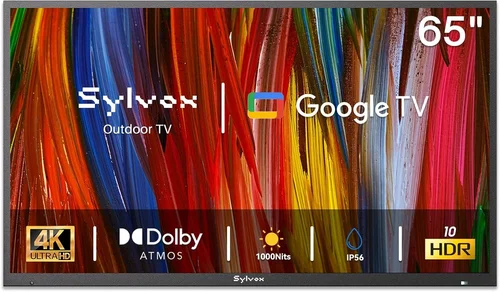
Outdoor living spaces have evolved far beyond simple patios and decks. Today’s homeowners are transforming screened porches, sunrooms, and covered patios into fully functional entertainment zones—complete with weather-resistant furniture, outdoor kitchens, and yes, even televisions. But not just any TV will do. Standard indoor models aren’t built to withstand humidity, temperature swings, or direct sunlight, which is why investing in a proper outdoor television is essential for long-term enjoyment and performance.
That said, the idea of an “outdoor TV” often comes with a hefty price tag—sometimes thousands of dollars more than their indoor counterparts. This is where the search for a cheap outdoor television for a screened porch becomes both practical and strategic. A screened porch offers partial protection from the elements, making it an ideal middle ground between fully exposed outdoor areas and climate-controlled indoor rooms. This environment allows you to consider more affordable outdoor TV options that still deliver reliable performance without breaking the bank.
In this comprehensive buying guide, we’ll walk you through everything you need to know to find the best budget-friendly outdoor TV for your screened porch in 2026. Whether you’re watching the big game under the stars, streaming your favorite series on a summer evening, or simply enjoying background entertainment while dining al fresco, we’ll help you make a smart, informed decision. You’ll learn how to balance cost with quality, understand key technical specifications, avoid common pitfalls, and ultimately choose a TV that delivers great value, durability, and viewing pleasure—all within your budget.
The market for outdoor TVs has expanded significantly in recent years, driven by growing demand for outdoor living and advancements in display technology. While premium brands like SunBrite and Samsung’s The Terrace dominate headlines with their all-weather, ultra-bright displays, there’s now a growing segment of more affordable options designed specifically for semi-covered spaces like screened porches. These models often sacrifice some extreme weather resistance in favor of lower prices, but they’re perfectly suited for protected environments where rain, snow, and direct UV exposure are minimal.
Our goal with this guide is to demystify the process of choosing a cheap outdoor television that still meets your needs. We’ll break down the most important factors—from brightness and weatherproofing to smart features and warranty coverage—and show you how to prioritize based on your specific setup. Whether you’re a first-time buyer or upgrading from an older model, this guide will equip you with the knowledge to shop confidently and get the most bang for your buck.

What to Look for When Buying Buying Guide
1. Budget & Price Range
When shopping for a cheap outdoor television for a screened porch, your budget is the foundation of every decision. Unlike indoor TVs, which can start as low as $150 for basic models, outdoor-ready displays typically begin around $500–$700 for entry-level units and can climb well above $3,000 for premium all-weather models. However, because your porch is screened—and therefore shielded from direct rain, snow, and intense sun—you don’t need the highest-tier weatherproofing, which opens up more affordable options.
A realistic budget for a quality outdoor TV in a screened porch environment ranges from $600 to $1,500. Within this range, you’ll find models that offer excellent brightness, decent weather resistance, and modern smart features. Avoid going below $500 unless you’re willing to compromise significantly on image quality, durability, or longevity. Remember: a TV is a long-term investment. Spending a little more upfront can save you from premature replacements or frustrating performance issues down the line.
2. Performance Specifications
Performance specs are where many budget buyers go wrong—they focus solely on price and miss critical details that affect real-world use. For a screened porch, the most important performance metrics include brightness (measured in nits), resolution, refresh rate, and contrast ratio.
Brightness: This is arguably the most crucial spec for any outdoor TV. Indoor TVs typically range from 300 to 500 nits, which is fine in a dark living room but hopelessly dim in daylight. For a screened porch—even one that’s shaded—you’ll want a minimum of 700 nits, with 1,000+ nits being ideal. Higher brightness ensures the image remains visible when sunlight filters through screens or during overcast days.
Resolution: Stick with at least Full HD (1080p) if you’re on a tight budget, but aim for 4K UHD if possible. Most new content is produced in 4K, and the difference in clarity—especially on larger screens—is significant. Even at 43 inches, 4K delivers noticeably sharper details.
Refresh Rate: A 60Hz refresh rate is standard and sufficient for most casual viewing. However, if you plan to watch sports or action movies, consider a model with 120Hz for smoother motion. While rare in budget outdoor TVs, some mid-range models now include this feature.
Contrast Ratio & HDR: High Dynamic Range (HDR) support improves color depth and contrast, making images pop even in challenging lighting. Look for HDR10 or Dolby Vision compatibility. While not all budget outdoor TVs include advanced HDR, many now offer basic HDR10, which is a worthwhile upgrade over standard dynamic range.
3. Build Quality & Durability
Even in a screened porch, your TV will face environmental challenges: humidity, temperature fluctuations, dust, and occasional splashes. That’s why build quality matters—even for “cheap” outdoor TVs. Avoid plastic-heavy enclosures; instead, look for models with aluminum or powder-coated metal housings that resist rust and corrosion.
Check the IP (Ingress Protection) rating, which indicates resistance to dust and water. For a screened porch, an IP55 rating is generally sufficient—it means the TV is protected against limited dust ingress and low-pressure water jets from any direction. Don’t confuse this with fully waterproof ratings like IP65 or IP66, which are overkill (and more expensive) for covered spaces.
Also pay attention to internal components. Quality outdoor TVs often feature sealed circuit boards, conformal coating on electronics, and enhanced ventilation to prevent overheating. Cheaper models may skimp here, leading to premature failure in humid conditions.
4. Features & Functionality
Modern outdoor TVs aren’t just about surviving the elements—they’re also expected to deliver a seamless smart experience. When evaluating features, prioritize those that enhance usability in an outdoor setting.
Smart TV Platform: Most budget outdoor TVs now run on popular platforms like Android TV, Roku TV, or webOS. These allow access to Netflix, YouTube, Disney+, and other streaming services directly from the TV. Avoid proprietary or outdated systems that limit app availability.
Voice Control & Remote: Look for compatibility with Google Assistant or Amazon Alexa. A backlit remote is a small but valuable feature for evening use. Some models even include a weather-resistant remote designed for outdoor handling.
Connectivity: Ensure the TV has enough HDMI ports (at least 3), USB inputs, and Wi-Fi (preferably dual-band). If you plan to connect a soundbar, gaming console, or streaming device, ample ports are essential. Bluetooth support is a nice bonus for wireless audio.
Anti-Glare & Anti-Reflective Coatings: These reduce screen glare from ambient light—a common issue on porches with windows or open sides. While not always listed explicitly, many outdoor TVs include specialized glass or coatings to improve visibility.
5. Brand Reputation
Not all outdoor TV brands are created equal. While you can find bargains from lesser-known manufacturers, sticking with established brands often means better reliability, customer support, and access to genuine replacement parts.
Top-tier outdoor specialists like SunBriteTV and Samsung (The Terrace series) offer unmatched durability but come at a premium. However, several mid-tier brands now deliver excellent value for screened porch use:
- Seura: Known for sleek designs and good brightness; offers models under $1,200.
- Avid Power: Budget-friendly with solid IP55 ratings and 4K support.
- Kodak Outdoor TV: Surprisingly capable for the price, with decent smart features.
- Vizio Outdoor Series: Newer entrant with strong performance-to-price ratio.
Avoid no-name brands sold exclusively through third-party Amazon sellers unless they have overwhelmingly positive reviews and verifiable customer service channels. A reputable brand may cost slightly more, but it reduces the risk of buying a “disposable” TV.
6. Warranty & Support
A strong warranty is your safety net—especially when buying electronics for non-traditional environments. Most indoor TVs come with a 1-year limited warranty, but outdoor models should ideally offer 2–3 years of coverage, with explicit protection against weather-related damage.
Read the fine print: some warranties void coverage if the TV is installed in direct sunlight or uncovered areas—even if it’s technically “outdoor-rated.” For screened porches, ensure the warranty covers partial exposure.
Customer support is equally important. Can you reach a human quickly? Are replacement parts available? Brands like SunBrite and Seura offer dedicated outdoor TV support lines, while generic brands may redirect you to standard consumer electronics teams unfamiliar with outdoor challenges.
7. Size & Viewing Distance
Choosing the right screen size isn’t just about aesthetics—it directly impacts your viewing experience. For a typical screened porch (10–15 feet deep), a 50- to 65-inch TV is ideal. Smaller screens (40–43 inches) work for compact spaces or secondary viewing areas, while anything above 70 inches may feel overwhelming unless you have a large gathering space.
Use the 1.5x rule as a guideline: multiply your viewing distance (in inches) by 1.5 to get the recommended screen size. For example, if you sit 120 inches (10 feet) away, a 60-inch TV (120 ÷ 1.5 = 80, but round down for comfort) is appropriate.
Also consider mounting height. Outdoor TVs should be mounted slightly higher than indoor ones—around 56 to 60 inches from the floor to the center of the screen—to account for varied seating positions and reduce neck strain.
8. User Reviews & Real-World Feedback
Spec sheets tell part of the story, but user reviews reveal the rest. Before finalizing your purchase, spend time reading verified buyer feedback on retailer sites (Best Buy, Amazon, Crutchfield) and outdoor living forums.
Look for recurring themes:
– Does the TV stay bright in afternoon light?
– Does it overheat after prolonged use?
– Is the remote responsive in humid conditions?
– How easy is installation?
Pay special attention to reviews from users with similar setups—screened porches, three-season rooms, or covered patios. Their experiences will be far more relevant than those of people using the TV in full outdoor exposure.
Be wary of reviews that seem overly generic or promotional. Authentic feedback often includes photos, installation tips, and honest critiques of shortcomings.
Different Types of Buying Guide

Common Buying Mistakes to Avoid
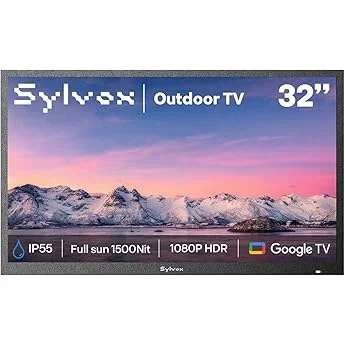
❌ Mistake: Buying a Standard Indoor TV for Outdoor Use
Why it’s bad: Indoor TVs lack the brightness, weather resistance, and thermal management needed for even semi-outdoor environments. In a screened porch, humidity and temperature swings can cause internal condensation, leading to circuit damage or screen fogging. Plus, indoor panels are too dim—washed out by daylight.
What to do instead: Always choose a TV explicitly labeled for outdoor or partial outdoor use. If budget is tight, consider an indoor TV paired with a certified outdoor enclosure (see Type 3 above), but never use a bare indoor model.
❌ Mistake: Overpaying for All-Weather Features You Don’t Need
Why it’s bad: Fully weatherproof TVs (IP65+) are engineered for direct rain and snow exposure. For a screened porch, these features are unnecessary and inflate the price by $1,000 or more.
What to do instead: Opt for a partial weatherproof model (IP55) designed for covered spaces. You’ll save significantly while still getting adequate protection against humidity and occasional splashes.
❌ Mistake: Ignoring Brightness Specs
Why it’s bad: A dim TV ruins the outdoor experience. Even in shade, ambient light on a porch can wash out images from a 500-nit display. You’ll end up squinting or only watching at night.
What to do instead: Prioritize brightness—aim for at least 700 nits, ideally 1,000+. Check reviews to confirm real-world performance, as some manufacturers exaggerate specs.
❌ Mistake: Skimping on Warranty Coverage
Why it’s bad: Outdoor electronics are more prone to failure due to environmental stress. A weak warranty leaves you vulnerable to costly repairs or replacements.
What to do instead: Choose a model with at least a 2-year warranty that explicitly covers outdoor use. Avoid extended warranties from third-party sellers—stick to manufacturer-backed plans.
❌ Mistake: Forgetting About Audio
Why it’s bad: Most outdoor TVs have underpowered built-in speakers. In an open or semi-open space, sound dissipates quickly, making dialogue hard to hear.
What to do instead: Plan for external audio from day one. Budget for a weather-resistant soundbar or outdoor speakers. Many TVs support Bluetooth or optical audio out for easy integration.
❌ Mistake: Poor Mounting Planning
Why it’s bad: Improper mounting can lead to instability, glare, or difficulty accessing ports. Outdoor mounts must be rated for the TV’s weight and designed for vertical/horizontal adjustment.
What to do instead: Use a certified outdoor TV mount with tilt and swivel capabilities. Ensure your porch structure can support the weight—consult a contractor if needed.
❌ Mistake: Not Testing Return Policies
Why it’s bad: Outdoor TVs are expensive, and what looks good online may disappoint in person. If you can’t return it, you’re stuck with a dud.
What to do instead: Buy from retailers with generous return windows (30+ days) and clear policies on outdoor electronics. Avoid final-sale items unless heavily discounted and well-reviewed.
Budget Guidelines: How Much Should You Spend?
- Entry-Level ($500–$800): What to expect… These are the most affordable outdoor-ready models, often from emerging brands. You’ll get basic IP55 protection, 700–900 nits brightness, Full HD or entry-level 4K, and limited smart features. Ideal for casual viewers in fully shaded porches. Expect shorter warranties (1–2 years) and fewer connectivity options.
- Mid-Range ($800–$1,300): Sweet spot for most buyers… This tier offers the best balance of price and performance. Look for 1,000+ nits brightness, true 4K resolution, robust smart platforms (Roku, Android TV), and 2-year warranties. Build quality improves significantly, with aluminum frames and better internal sealing. Perfect for regular use in moderately lit screened porches.
- Premium ($1,300–$2,000): For enthusiasts and professionals… These models rival high-end indoor TVs in picture quality while offering superior outdoor durability. Expect features like Dolby Vision HDR, 120Hz refresh rates, advanced anti-glare coatings, and premium sound. Brands like Seura and Vizio’s outdoor line shine here. Ideal if you host frequent gatherings or demand cinematic visuals.
- Luxury ($2,000+): Top-tier features… Reserved for all-weather installations or commercial use. Includes IP65+ ratings, 2,000+ nits brightness, 24/7 operation capability, and professional installation support. Overkill for a screened porch—but worth considering if you’re building a luxury outdoor entertainment system.
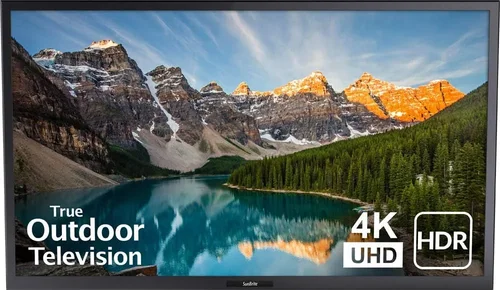
Expert Tips for Getting the Best Deal
- Buy during off-seasons: Late summer (August–September) and winter (January–February) are prime times for discounts as retailers clear inventory.
- Shop at specialty retailers: Stores like Crutchfield, Abt Electronics, and Outdoor TV Direct often have better selection, expert advice, and bundled deals (e.g., TV + mount + soundbar).
- Compare total cost of ownership: Factor in mounting hardware, cables, audio upgrades, and potential installation fees. A cheaper TV may end up costing more overall.
- Check for open-box or refurbished units: Certified refurbished outdoor TVs from reputable sellers can save 20–30% and often include full warranties.
- Negotiate with local installers: Some AV integrators offer package deals when you purchase both the TV and installation services.
- Use price-tracking tools: Set alerts on Google Shopping, Honey, or CamelCamelCamel to catch sudden price drops.
- Verify compatibility with your ecosystem: Ensure the TV works with your existing streaming devices, voice assistants, and smart home setup.
- Don’t rush: Outdoor TVs aren’t impulse buys. Take time to research, read reviews, and consult forums like AVS Forum or Reddit’s r/outdoorliving.

Frequently Asked Questions
Q: Can I use a regular TV on my screened porch?
A: Technically, yes—but it’s not recommended. Standard TVs lack the brightness, weather resistance, and thermal management needed for even partial outdoor exposure. Humidity can cause internal damage, and daytime viewing will be nearly impossible due to low brightness. For longevity and performance, invest in an outdoor-rated model.
Q: What’s the difference between IP55 and IP65?
A: IP55 protects against dust (limited ingress) and low-pressure water jets from any direction—ideal for screened porches. IP65 offers total dust protection and resistance to powerful water jets, suited for fully exposed areas. For your use case, IP55 is sufficient and more cost-effective.
Q: Do outdoor TVs need special mounts?
A: Yes. Use mounts specifically rated for outdoor use. They’re built with corrosion-resistant materials and often include tilt/swivel for optimal viewing angles. Never use indoor mounts outdoors—they can rust or fail under environmental stress.
Q: How long do outdoor TVs last?
A: With proper care, a quality outdoor TV should last 7–10 years—similar to indoor models. Cheaper units may degrade faster in humid climates. Regular cleaning and avoiding direct sunlight when possible can extend lifespan.
Q: Can I leave my outdoor TV on all the time?
A: Most consumer outdoor TVs aren’t designed for 24/7 operation. Continuous use can overheat components. If you need constant display (e.g., for digital signage), consider commercial-grade models built for constant runtime.
Q: Are outdoor TVs energy efficient?
A: Generally, yes—especially newer LED models. Look for ENERGY STAR certification. Brightness settings also impact power use; lowering brightness at night can reduce consumption.
Q: What if my porch gets direct sun for part of the day?
A: Even brief direct sun exposure increases the need for high brightness (1,200+ nits) and anti-reflective coatings. Consider installing retractable shades or choosing a TV with superior glare reduction.
Q: Can I connect gaming consoles to an outdoor TV?
A: Absolutely. Most outdoor TVs include HDMI 2.0 or 2.1 ports compatible with PlayStation, Xbox, and Nintendo Switch. Just ensure low input lag if you’re a serious gamer.
Q: Do outdoor TVs come with remotes that work in the dark?
A: Many mid-range and premium models include backlit remotes. If yours doesn’t, consider a universal remote with backlighting or use your smartphone as a remote via the TV’s app.
Q: Is professional installation worth it?
A: For most homeowners, yes—especially if running cables through walls or mounting on brick/stone. Professionals ensure proper sealing, ventilation, and compliance with local codes. DIY is possible but riskier.
Our Final Recommendations
- Best for Budget-Conscious Buyers: Avid Power 55″ 4K Outdoor TV – At under $900, it delivers 1,000 nits brightness, IP55 rating, and Roku TV platform. Great for shaded porches and casual viewing.
- Best Overall Value: Seura 55″ Shadow Series – Priced around $1,200, it offers premium build quality, 1,200 nits, Dolby Vision, and a 3-year warranty. The sweet spot for performance and price.
- Best Premium Option: Vizio 65″ Outdoor Smart TV – With 1,500 nits, 120Hz refresh rate, and excellent color accuracy, this model rivals indoor flagships while handling porch conditions with ease.
- Best for Beginners: Kodak 50″ Outdoor TV – Simple setup, intuitive interface, and solid reliability make this ideal for first-time outdoor TV owners.
- Best for Advanced Users: SunBriteTV Veranda Series (55″) – While pricier (~$1,800), it’s built like a tank with unmatched brightness and support. Perfect if you want a “set it and forget it” solution.
Conclusion: Making the Right Choice
Choosing the right cheap outdoor television for your screened porch doesn’t have to be overwhelming—or expensive. By focusing on your specific environment, prioritizing key specs like brightness and build quality, and avoiding common pitfalls, you can find a model that delivers years of reliable, enjoyable viewing without overspending.
Remember: a screened porch is a protected space, so you don’t need the extreme durability of a full outdoor TV. Instead, look for a balance of affordability, performance, and weather resistance tailored to semi-covered use. Invest in a reputable brand, read real user reviews, and don’t skip on warranty coverage.
Ultimately, the best TV is the one that fits your lifestyle, budget, and viewing habits. Whether you’re watching sunset movies with family or catching up on news while gardening, your outdoor TV should enhance—not hinder—your experience. Use this guide as your roadmap, shop smart, and enjoy your porch like never before.
Now’s the time to upgrade your outdoor living space. With the right TV, your screened porch becomes more than just a room—it becomes your favorite place to unwind, connect, and entertain. Happy viewing!

