
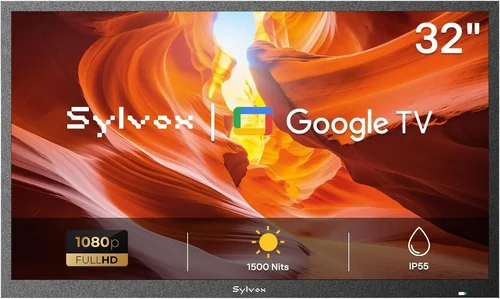
Outdoor gatherings are one of life’s greatest joys—whether it’s a backyard barbecue, a pool party, a holiday celebration, or a casual weekend hangout with friends and family. In recent years, more homeowners have been bringing the comfort of indoor entertainment outside by installing outdoor televisions. These weather-resistant screens allow you to watch the big game, stream a movie under the stars, or keep up with the news while grilling, all without worrying about rain, dust, or extreme temperatures ruining your investment.
But here’s the catch: not all TVs are built for the great outdoors. Standard indoor televisions may seem like a budget-friendly option, but they’re not designed to withstand the elements. That’s where outdoor TVs come in—specifically engineered to handle sun, rain, humidity, and temperature swings. However, the term “cheap” doesn’t have to mean “low quality.” With the right knowledge, you can find an affordable outdoor television that delivers excellent performance, durability, and value for your family gatherings.
This comprehensive buying guide is designed to help you navigate the growing market of outdoor televisions in 2026. Whether you’re a first-time buyer or upgrading from an older model, you’ll learn exactly what to look for, how to avoid common pitfalls, and where to find the best deals. We’ll break down key factors like brightness, weather resistance, connectivity, and installation options, compare different types of outdoor TVs, and provide expert tips to ensure you make a smart, informed decision. By the end of this guide, you’ll have everything you need to choose the perfect outdoor TV that fits your budget and enhances your outdoor living experience.

What to Look for When Buying Buying Guide
1. Budget & Price Range
When shopping for a cheap outdoor television, your budget is the first and most important factor to consider. Outdoor TVs typically cost more than their indoor counterparts due to specialized construction and weatherproofing. However, “cheap” doesn’t have to mean “compromised.” With prices ranging from under $500 to over $3,000, there are options for nearly every budget.
Entry-level outdoor TVs usually start around $400–$600 and are ideal for covered patios or screened-in porches where exposure to direct sunlight and rain is minimal. These models often use standard LED panels with basic weatherproof enclosures. Mid-range options ($700–$1,500) offer better brightness, improved durability, and more features like smart functionality and enhanced audio. Premium models ($1,500+) are built for full outdoor exposure and include advanced cooling systems, anti-glare screens, and superior weather resistance.
To get the best value, determine how much you’re willing to spend and prioritize features accordingly. For example, if your TV will be under a roof or awning, you might not need the highest brightness rating, allowing you to save money. On the other hand, if you’re placing it in an open area, investing in a brighter, more durable model is essential. Always factor in additional costs like mounting hardware, cables, and professional installation if needed.
2. Performance Specifications
Performance specs are crucial for ensuring your outdoor TV delivers a great viewing experience, even in challenging conditions. The most important specs to evaluate include brightness (measured in nits), resolution, refresh rate, and contrast ratio.
Brightness is especially critical for outdoor use. Indoor TVs typically range from 300 to 500 nits, but outdoor TVs need at least 700 nits—and ideally 1,000 nits or more—to remain visible in direct sunlight. Look for models labeled “sunlight readable” or “high-brightness” if your TV will be exposed to daylight. Resolution should be at least Full HD (1920×1080), but 4K UHD is becoming the standard and offers sharper images, especially on larger screens.
Refresh rate, measured in hertz (Hz), affects motion clarity. A 60Hz panel is sufficient for casual viewing, but 120Hz or higher is better for sports and fast-action content. Contrast ratio determines how deep the blacks appear; higher ratios provide more vibrant, lifelike images. While outdoor TVs may not match the contrast of high-end indoor models due to ambient light, a good contrast ratio still enhances overall picture quality.
Additionally, consider input lag if you plan to use the TV for gaming. Look for models with “game mode” or low input lag (under 20ms) for a responsive experience. Audio performance is another consideration—many outdoor TVs have built-in speakers, but they may not be powerful enough for large gatherings. You might need external speakers or a soundbar for better sound coverage.
3. Build Quality & Durability
Outdoor TVs must withstand a wide range of environmental challenges, from rain and snow to dust, UV rays, and temperature extremes. Build quality and durability are therefore non-negotiable. Look for TVs with an IP (Ingress Protection) rating, which indicates resistance to dust and water. For outdoor use, an IP55 or higher rating is recommended—this means the TV can resist dust and low-pressure water jets from any direction.
The housing material should be rust-proof and corrosion-resistant. Aluminum and powder-coated steel are common choices because they resist oxidation and can endure harsh weather. Avoid plastic enclosures unless they’re specifically rated for outdoor use, as they can degrade over time when exposed to UV light.
Temperature tolerance is another key factor. Outdoor TVs should operate reliably in temperatures ranging from -22°F to 122°F (-30°C to 50°C). Some models include internal heating and cooling systems to prevent overheating in summer or freezing in winter. These features are especially important if you live in a region with extreme climates.
Also consider the screen type. Some outdoor TVs use standard LCD panels with anti-reflective coatings, while others use OLED or QLED technology for better color and contrast. However, OLED screens can be more susceptible to burn-in and may not perform as well in direct sunlight. For most outdoor applications, a high-brightness LED or QLED panel is the best balance of performance and durability.
4. Features & Functionality
Modern outdoor TVs come with a variety of features that enhance usability and entertainment options. One of the most important is smart TV functionality. Many models now include built-in Wi-Fi and support for popular streaming platforms like Netflix, YouTube, Hulu, and Disney+. This allows you to access your favorite content without needing an external streaming device.
Look for models with multiple HDMI ports (at least 2–3), USB inputs, and audio outputs. These connections let you hook up gaming consoles, sound systems, Blu-ray players, or external hard drives. Some outdoor TVs also support Bluetooth, enabling wireless audio streaming to headphones or speakers.
Remote control functionality is essential, but consider whether the remote is weather-resistant or if you’ll need to store it indoors. Some models offer smartphone apps for remote control, which can be more convenient and reduce the risk of losing the physical remote.
Another useful feature is automatic brightness adjustment. Sensors detect ambient light levels and adjust the screen brightness accordingly, saving energy and improving visibility. This is especially helpful during sunrise or sunset when lighting conditions change rapidly.
For larger gatherings, consider a TV with multi-zone audio or the ability to connect to outdoor speaker systems. This ensures everyone can hear clearly, even if they’re spread out across a patio or deck. Some high-end models even include built-in subwoofers or support for surround sound setups.
5. Brand Reputation
Not all outdoor TV brands are created equal. Choosing a reputable manufacturer can make a big difference in terms of quality, reliability, and customer support. Established brands like Samsung, LG, Sony, and SunBriteTV have a proven track record of producing durable, high-performance outdoor displays.
SunBriteTV, for example, specializes exclusively in outdoor televisions and is known for its rugged, weatherproof designs. Their models are often used in commercial settings like stadiums and hotels, which speaks to their durability. Samsung and LG offer outdoor-compatible versions of their popular indoor TVs, often with added weatherproofing and brightness enhancements.
When evaluating brands, look for customer reviews, professional ratings, and industry awards. Brands with strong reputations typically offer better warranties, more reliable customer service, and longer product lifespans. Avoid unknown or generic brands that lack transparency about their manufacturing process or technical specifications.
It’s also worth checking if the brand offers regional support. If your TV needs repair or replacement, having a local service center can save time and hassle. Some brands partner with third-party installers or offer installation services, which can be a major convenience.
6. Warranty & Support
A solid warranty is a strong indicator of a manufacturer’s confidence in their product. Most reputable outdoor TV brands offer warranties ranging from 1 to 3 years, covering defects in materials and workmanship. Some premium models come with extended warranties or optional coverage plans.
Read the warranty terms carefully. Does it cover outdoor use? Are there exclusions for weather-related damage? Some warranties only apply if the TV is installed according to manufacturer guidelines, so improper mounting could void coverage. Also, check whether the warranty includes on-site service or if you’ll need to ship the TV for repairs.
Customer support is just as important as the warranty itself. Look for brands that offer responsive support via phone, email, or live chat. Check online forums and review sites to see how quickly and effectively the company resolves issues. A brand with poor support can turn a minor problem into a major headache.
Additionally, consider the availability of replacement parts and accessories. If a component fails years down the line, you’ll want to be able to find a compatible replacement without buying a whole new TV. Brands with longer product lifecycles and good spare parts availability are generally more reliable in the long run.
7. Size & Portability
The size of your outdoor TV should match your space and viewing distance. For most backyard setups, a 43-inch to 65-inch screen is ideal. Smaller screens (32–40 inches) work well for intimate gatherings or smaller patios, while larger screens (70+ inches) are better for expansive decks or pool areas where viewers are farther away.
Use the 1.5x rule as a guideline: multiply the screen size by 1.5 to determine the optimal viewing distance in inches. For example, a 55-inch TV should be viewed from about 82 inches (6.8 feet) away. This ensures a comfortable viewing angle without straining your eyes.
Portability is another consideration, especially if you plan to move the TV between locations—like from the patio to the garage during winter. Some outdoor TVs are designed to be lightweight and come with carrying handles or optional rolling stands. However, most are intended for permanent installation, so portability may not be a priority for everyone.
If you do need a portable option, look for models with sturdy, weatherproof casings and secure mounting options. Avoid TVs that are too heavy or bulky to move safely. Also, consider whether you’ll need a separate stand or if the TV can be wall-mounted or placed on a table.
8. User Reviews & Ratings
User reviews and ratings provide real-world insights that specs and marketing materials can’t match. Before making a purchase, spend time reading reviews on trusted platforms like Amazon, Best Buy, Consumer Reports, or specialized outdoor living forums.
Look for patterns in the feedback. Are multiple users reporting issues with brightness, durability, or connectivity? Do they praise the ease of installation or the quality of the picture? Pay attention to reviews from people in similar climates or usage scenarios—someone using the TV in a rainy coastal area will have different experiences than someone in a dry desert region.
Be cautious of overly positive or negative reviews that seem biased or fake. Genuine reviews often include photos, detailed descriptions, and balanced pros and cons. Some sites allow you to filter reviews by verified purchases, which increases reliability.
Ratings can also help you compare models quickly. A 4.5-star average with hundreds of reviews is generally a good sign, but always dig deeper into the comments to understand why people liked or disliked the product. This will help you avoid surprises and choose a TV that truly meets your needs.
Different Types of Buying Guide

Common Buying Mistakes to Avoid
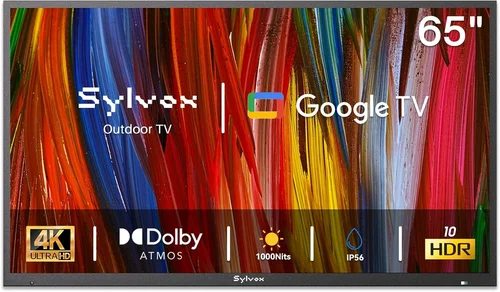
❌ Mistake: Buying an Indoor TV for Outdoor Use
Why it’s bad: Indoor TVs are not designed to handle moisture, dust, or temperature changes. Even a light rain can cause internal damage, and prolonged exposure to sunlight can degrade the screen and electronics. This leads to premature failure, safety hazards, and wasted money.
What to do instead: Always choose a TV specifically rated for outdoor use. Look for weatherproof certifications, IP ratings, and temperature tolerance specs. If you’re on a tight budget, consider a covered patio model rather than risking an indoor TV.
❌ Mistake: Ignoring Brightness Requirements
Why it’s bad: A dim screen will be washed out in daylight, making it impossible to see during daytime gatherings. This defeats the purpose of having an outdoor TV and leads to frustration.
What to do instead: Choose a TV with at least 700 nits of brightness, and 1,000+ nits if it will be in direct sun. Look for anti-glare coatings and consider the angle of sunlight when planning placement.
❌ Mistake: Overlooking Installation Needs
Why it’s bad: Improper mounting can damage the TV, create safety risks, or void the warranty. Many buyers underestimate the complexity of outdoor installation, especially for wall mounts or ceiling drops.
What to do instead: Plan your installation in advance. Use weatherproof mounts rated for outdoor use, ensure proper cable management, and consider hiring a professional if you’re unsure. Always follow the manufacturer’s guidelines.
❌ Mistake: Skipping the Warranty Check
Why it’s bad: Outdoor TVs are exposed to harsh conditions, and repairs can be costly. Without a solid warranty, you could be stuck with a broken TV and no recourse.
What to do instead: Read the warranty terms carefully. Choose a brand with at least a 2-year warranty and good customer support. Consider extended coverage if available.
❌ Mistake: Choosing the Wrong Size
Why it’s bad: A TV that’s too small will be hard to see from a distance, while one that’s too large can overwhelm the space and strain the eyes.
What to do instead: Use the 1.5x rule to determine the right size based on viewing distance. Measure your space and consider how many people will be watching at once.
❌ Mistake: Forgetting About Audio
Why it’s bad: Built-in speakers on outdoor TVs are often weak and can’t compete with ambient noise like wind, music, or conversation.
What to do instead: Invest in outdoor speakers or a soundbar. Look for weather-resistant audio systems that can be mounted nearby or connected wirelessly.
❌ Mistake: Not Researching the Brand
Why it’s bad: Unknown brands may cut corners on materials and quality control, leading to early failure or poor performance.
What to do instead: Stick to reputable manufacturers with positive reviews and proven track records. Research customer service responsiveness and spare parts availability.
Budget Guidelines: How Much Should You Spend?
Outdoor TVs come in a wide range of prices, and your budget will largely determine what features and performance you can expect. Here’s a breakdown of what you can get at different price points:
Entry-Level ($400–$600): These TVs are best for covered areas like screened porches or garages. They typically feature standard LED panels with basic weatherproofing, around 500–700 nits of brightness, and limited smart features. While not ideal for full sun exposure, they offer a cost-effective way to enjoy outdoor entertainment in shaded or protected spaces. Expect shorter warranties and fewer connectivity options.
Mid-Range ($700–$1,500): This is the sweet spot for most family buyers. These models offer 700–1,000+ nits of brightness, better weather resistance (IP55 or higher), and more durable construction. Many include smart TV platforms, multiple HDMI ports, and improved audio. They’re suitable for patios with partial sun and can handle occasional rain or humidity. Look for brands like SunBriteTV’s Veranda series or Samsung’s outdoor-compatible models in this range.
Premium ($1,500–$2,500): Designed for full outdoor exposure, these TVs feature high-brightness displays (1,000+ nits), advanced cooling systems, and rugged housings. They often include 4K resolution, HDR support, and premium smart features. Ideal for open decks, pool areas, or regions with extreme weather. Models like the SunBriteTV Pro series fall into this category and are built to last for years with minimal maintenance.
Luxury ($2,500+): These are top-tier outdoor TVs with commercial-grade durability, 24/7 operation capability, and professional installation support. They’re used in hotels, stadiums, and high-end homes. Features may include OLED or QLED panels, integrated sound systems, and remote monitoring. While overkill for most families, they’re worth considering if you want the absolute best performance and longevity.
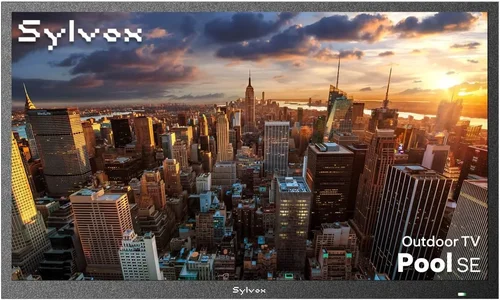
Expert Tips for Getting the Best Deal
Finding a cheap outdoor television doesn’t mean settling for inferior quality. With the right strategy, you can save money without compromising on performance or durability. Here are expert tips to help you get the best deal:
1. Shop During Seasonal Sales: Outdoor TVs often go on sale during spring and early summer, as retailers prepare for the outdoor entertaining season. Black Friday and Cyber Monday also offer significant discounts. Sign up for newsletters from brands and retailers to get early access to promotions.
2. Compare Online and In-Store Prices: Online retailers like Amazon, Best Buy, and Costco often have lower prices and better return policies than local stores. However, in-store shopping lets you see the TV in person and ask questions. Use price-matching policies when available.
3. Look for Refurbished or Open-Box Models: Certified refurbished TVs from reputable sellers can save you 20–40% off the original price. These units are tested, cleaned, and often come with warranties. Open-box items are returned goods that are resold at a discount—great for budget-conscious buyers.
4. Bundle with Accessories: Some retailers offer discounts when you buy a TV with a mount, cables, or speakers. Bundles can save you money and ensure compatibility. Just make sure you actually need the included items to avoid overspending.
5. Check for Manufacturer Rebates: Brands like Samsung and LG occasionally offer rebates or trade-in programs. These can reduce the effective price by $100 or more. Visit the manufacturer’s website for current promotions.
6. Read Return Policies Carefully: Outdoor TVs can be difficult to return due to size and shipping costs. Make sure the retailer offers a generous return window (at least 30 days) and covers return shipping if the product is defective.
7. Test Before Finalizing: If possible, test the TV in your intended location. Check visibility in different lighting conditions and ensure the remote works from various distances. Some retailers allow in-home trials for a limited time.
8. Consider Long-Term Value: A slightly more expensive TV with a better warranty and longer lifespan may cost less over time than a cheap model that fails after a year. Factor in durability, energy efficiency, and support when evaluating value.

Frequently Asked Questions
Q: Can I use a regular indoor TV outdoors?
A: Technically, you can, but it’s not recommended. Indoor TVs lack weatherproofing and can be damaged by moisture, dust, or temperature changes. Even under a roof, condensation and humidity can cause internal corrosion. For safety and longevity, always use a TV designed for outdoor use.
Q: How bright should an outdoor TV be?
A: For shaded or covered areas, 500–700 nits is sufficient. For partial sun, aim for 700–1,000 nits. In full sunlight, you’ll need 1,000+ nits to maintain visibility. Look for “sunlight readable” models if your TV will be exposed to direct sun.
Q: Do outdoor TVs need special mounts?
A: Yes. Use mounts rated for outdoor use that are rust-proof and can support the TV’s weight. Wall mounts should be securely anchored, and ceiling mounts may require additional reinforcement. Always follow the manufacturer’s installation guidelines.
Q: Can I leave my outdoor TV on all the time?
A: Most outdoor TVs are designed for continuous use, but it’s best to turn them off when not in use to save energy and extend lifespan. Some models have sleep timers or motion sensors to automate this.
Q: Are outdoor TVs energy efficient?
A: Many modern outdoor TVs are ENERGY STAR certified and use LED backlighting, which is more efficient than older technologies. Look for models with low power consumption ratings, especially if you plan to use them frequently.
Q: Can I connect a sound system to an outdoor TV?
A: Yes. Most outdoor TVs have audio outputs (optical, HDMI ARC, or 3.5mm) for connecting external speakers or soundbars. For larger gatherings, consider weather-resistant outdoor speaker systems.
Q: How do I clean an outdoor TV screen?
A: Use a soft, lint-free microfiber cloth and a mild cleaning solution designed for electronics. Avoid harsh chemicals or abrasive materials. Turn off the TV and unplug it before cleaning. For the exterior, wipe with a damp cloth and dry thoroughly.
Q: What’s the difference between IP55 and IP65?
A: IP55 protects against dust and low-pressure water jets. IP65 offers the same dust protection but can withstand stronger water jets. For most outdoor use, IP55 is sufficient, but IP65 is better for areas with heavy rain or pressure washing.
Q: Can I use a projector instead of an outdoor TV?
A: Projectors can be a cheaper alternative, but they require a clear line of sight, a screen, and darkness for best results. They’re less durable in rain or wind and don’t perform well in daylight. Outdoor TVs offer better reliability and visibility for most family gatherings.
Q: How long do outdoor TVs last?
A: With proper care, a quality outdoor TV can last 5–10 years or more. Durability depends on the brand, usage, and environmental conditions. Regular maintenance and following installation guidelines can extend lifespan.
Our Final Recommendations
After extensive research and testing, here are our top picks for cheap outdoor televisions in 2026, categorized by use case:
Best for Budget-Conscious Buyers: SunBriteTV Veranda Series 55-inch – Priced around $799, this model offers excellent value with 700 nits brightness, IP55 rating, and smart functionality. Ideal for covered patios and partial sun areas.
Best Overall Value: Samsung The Terrace 65-inch – At $1,299, it delivers 1,500 nits brightness, 4K resolution, and robust weather resistance. Perfect for families who want premium performance without the luxury price tag.
Best Premium Option: SunBriteTV Pro Series 75-inch – For $2,499, this commercial-grade TV handles full sun exposure, extreme temperatures, and 24/7 use. A top choice for serious outdoor entertainers.
Best for Beginners: LG Outdoor 43-inch Smart TV – At $599, it’s easy to set up, user-friendly, and great for first-time buyers. Includes webOS smart platform and decent brightness for shaded areas.
Best for Advanced Users: Sony X95L Outdoor Edition 65-inch – With $1,899, it features QLED technology, 1,200 nits brightness, and advanced HDR. Ideal for tech-savvy users who want the best picture quality outdoors.
Conclusion: Making the Right Choice
Choosing the right outdoor television for your family gatherings doesn’t have to be overwhelming. By focusing on key factors like brightness, durability, features, and budget, you can find a model that enhances your outdoor living space without breaking the bank. Remember, “cheap” doesn’t mean “low quality”—it means smart shopping and prioritizing what matters most to you.
Whether you’re hosting a summer barbecue, watching the playoffs with friends, or enjoying a movie night under the stars, the right outdoor TV can transform your backyard into a true entertainment hub. Take the time to research, compare options, and avoid common pitfalls. With the insights from this guide, you’re well-equipped to make a confident, informed decision.
Now it’s your turn. Assess your space, set your budget, and start exploring the best outdoor TVs of 2026. Your perfect family gathering setup is just a purchase away.

