
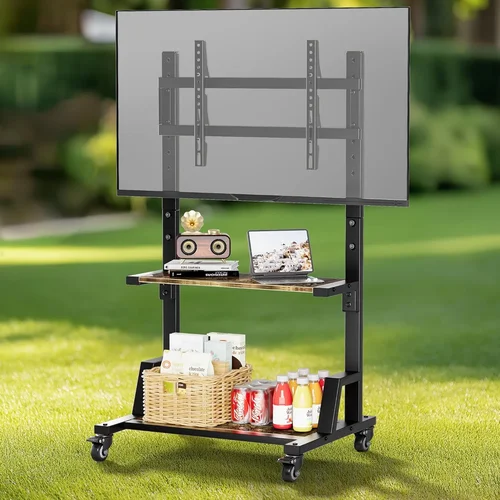
Transforming your pergola into an outdoor entertainment oasis is no longer a luxury reserved for the wealthy. With the rise of affordable, weather-resistant technology, enjoying your favorite shows, sports, or movies under the open sky has become a realistic and exciting possibility for homeowners on a budget. Whether you’re hosting summer barbecues, relaxing with a morning coffee, or simply unwinding after a long day, a garden TV can elevate your outdoor living experience in ways you might not have imagined. However, the term “cheap” doesn’t have to mean “low quality.” This guide is designed to help you navigate the often-confusing market of outdoor televisions, ensuring you find a model that delivers excellent value, durability, and performance without breaking the bank.
In this comprehensive buying guide, you’ll learn everything you need to know to make an informed decision when purchasing a garden TV for your pergola. We’ll break down the essential factors to consider, from budget and build quality to performance specifications and smart features. You’ll discover the different types of outdoor TVs available, understand common pitfalls to avoid, and receive expert tips on getting the best deal. By the end of this article, you’ll be equipped with the knowledge and confidence to choose the perfect outdoor television that fits your needs, your space, and your budget, turning your pergola into the ultimate outdoor retreat.
The market for outdoor televisions has expanded significantly in recent years, driven by increasing demand for versatile outdoor living spaces. While premium brands like SunBrite and Samsung offer high-end models with exceptional durability and performance, there’s a growing segment of more affordable options that provide a compelling balance of features and price. These budget-friendly garden TVs are designed to withstand the elements while delivering a satisfying viewing experience. This guide will focus on these value-oriented options, helping you find the sweet spot where affordability meets functionality. We’ll explore models that offer weather resistance, decent picture quality, and essential smart features, all without the premium price tag.

What to Look for When Buying a Garden TV for Your Pergola
Choosing the right garden TV for your pergola requires careful consideration of several key factors. It’s not just about finding the cheapest option; it’s about finding the best value for your specific needs and environment. A poorly chosen TV might save you money upfront but could cost you more in the long run due to premature failure or inadequate performance. This section will delve into the most critical aspects you should evaluate before making your purchase, ensuring you invest wisely in an outdoor television that will provide years of enjoyment.
1. Budget & Price Range
Your budget is the first and most fundamental factor to consider. It sets the boundaries for your search and helps you focus on models that are realistically within your reach. For a “cheap” garden TV, you can typically expect to find options ranging from around $300 to $800 for a new, basic outdoor model. However, it’s crucial to understand what you’re getting for your money at different price points. A very low budget might limit you to indoor TVs with basic weatherproofing or older refurbished models, while a slightly higher budget can open doors to purpose-built outdoor TVs with better durability and features.
When setting your budget, consider not only the initial purchase price but also any additional costs. These might include a suitable outdoor mount (which can be $50-$150), potential wiring for power and signal, and any necessary accessories like weatherproof covers or signal boosters. It’s also wise to factor in the long-term cost of ownership. A slightly more expensive TV with a better warranty and proven durability might save you money over time compared to a cheaper model that needs replacing sooner. Think of your budget as an investment in your outdoor lifestyle, and allocate funds accordingly to get the best possible return on that investment.
2. Performance Specifications
While “cheap” often implies compromises, you shouldn’t have to sacrifice essential performance aspects for your garden TV. The key specifications to pay attention to include screen size, resolution, brightness, and refresh rate. For screen size, consider the viewing distance from your seating area to the TV. A 32-inch to 43-inch screen is often ideal for most pergola setups, providing a comfortable viewing experience without overwhelming the space. However, if your pergola is larger or you plan to view from a greater distance, you might consider a 50-inch or larger model.
Resolution is another critical factor. Aim for at least Full HD (1080p) resolution, which provides a clear and detailed picture for most content. While 4K Ultra HD is becoming more common and offers even sharper images, it might be harder to find in truly budget-friendly outdoor models. Brightness, measured in nits, is particularly important for outdoor use. Look for a TV with a brightness of at least 400-500 nits, and ideally higher if your pergola receives direct sunlight. A higher refresh rate (60Hz or 120Hz) can also contribute to smoother motion, which is beneficial for sports and action movies. Don’t overlook sound quality either; while many outdoor TVs have built-in speakers, they might not be sufficient for larger spaces, so consider external speakers or a soundbar.
3. Build Quality & Durability
This is arguably the most important factor for any outdoor TV, especially one labeled as “cheap.” Your garden TV will be exposed to the elements, including rain, humidity, dust, temperature fluctuations, and potentially UV radiation. Therefore, its build quality and durability are paramount to its longevity and performance. A flimsy or poorly constructed TV might save you money initially but will likely fail prematurely, leading to frustration and additional costs.
Look for TVs that are specifically designed for outdoor use or have robust weatherproofing features. Key indicators of good build quality include a sturdy, rust-resistant metal chassis (often aluminum), sealed ports and connectors to prevent moisture ingress, and a robust screen that can withstand minor impacts. Check the IP (Ingress Protection) rating if available; an IP55 or higher rating indicates good protection against dust and water jets. Even if a TV isn’t fully waterproof, it should be able to handle rain and humidity if properly installed under a pergola with some overhead protection. Consider the materials used in the casing and the overall feel of the TV; a well-built unit should feel solid and substantial, not lightweight or plasticky.
4. Features & Functionality
Modern outdoor TVs, even budget-friendly ones, come with a range of features that can enhance your viewing experience. Smart TV capabilities are a significant advantage, allowing you to stream content directly from services like Netflix, YouTube, Amazon Prime Video, and more, without needing an external streaming device. Look for TVs with built-in Wi-Fi and popular streaming apps pre-installed. This eliminates the need for additional boxes and simplifies the setup process.
Connectivity options are also crucial. Ensure the TV has enough HDMI ports to connect your devices, such as a Blu-ray player, gaming console, or cable/satellite box. USB ports are useful for playing media files directly from a flash drive. Consider if you need features like Bluetooth for connecting wireless headphones or speakers, or an optical audio output for connecting to an external sound system. Some budget outdoor TVs might also include features like a built-in tuner for over-the-air broadcasts, which can be a cost-effective way to access local channels. While you might not get all the bells and whistles of a premium indoor TV, prioritizing essential smart features and connectivity will significantly improve the functionality of your garden TV.
5. Brand Reputation
While you’re looking for a “cheap” option, brand reputation still matters, especially for outdoor electronics. Established brands often have a track record of producing reliable products, offering better customer support, and providing more comprehensive warranties. Researching brands known for outdoor TVs or durable electronics can help you identify models that are more likely to withstand the rigors of outdoor life.
Look for brands that specialize in outdoor technology or have a history of producing robust consumer electronics. Reading reviews from other customers who have used the TV outdoors can provide valuable insights into its real-world performance and durability. A reputable brand might charge a slight premium, but this often translates to better build quality, more reliable performance, and peace of mind knowing that your investment is backed by a company with a commitment to quality. Don’t hesitate to explore lesser-known brands, but be sure to scrutinize their specifications, warranties, and customer reviews more closely.
6. Warranty & Support
A good warranty is a strong indicator of a manufacturer’s confidence in their product’s durability, especially for outdoor equipment. For a garden TV, a warranty that specifically covers outdoor use is essential. Standard indoor TV warranties often exclude damage caused by weather or environmental factors, leaving you unprotected if your TV fails due to rain or humidity.
Look for warranties that explicitly state coverage for outdoor conditions. A minimum of a one-year warranty is standard, but longer warranties (two or three years) are even better. Pay attention to what the warranty covers – does it include parts and labor? Is there a limit on the types of damage covered? Also, consider the availability and quality of customer support. If you encounter an issue, you want to be able to reach a helpful and knowledgeable support team easily. Check if the manufacturer offers online resources, FAQs, or troubleshooting guides. A robust warranty and responsive support can save you significant hassle and expense if problems arise, making it a crucial factor in your decision.
7. Size & Portability
While most garden TVs are intended for semi-permanent installation, the size and portability of the unit can still be relevant factors. The physical dimensions of the TV will determine if it fits comfortably within your pergola’s structure and doesn’t obstruct views or pathways. A TV that’s too large might overwhelm the space, while one that’s too small might be difficult to see from your seating area.
Consider the weight of the TV, especially if you plan to move it occasionally or if you’re installing it yourself. A lighter TV might be easier to handle, but it could also indicate a less robust build. If you anticipate needing to move the TV indoors during extreme weather or for storage, portability becomes more important. Some outdoor TVs are designed to be relatively lightweight and easy to relocate, while others are built as more permanent fixtures. Think about your specific needs and how the TV’s size and weight will impact its installation and use in your pergola.
8. User Reviews & Ratings
Never underestimate the power of user reviews and ratings. These provide invaluable real-world insights into a product’s performance, durability, and potential issues that might not be apparent from the manufacturer’s specifications. Before finalizing your decision, spend time reading reviews from other customers who have purchased and used the TV outdoors.
Look for patterns in the reviews. Are there consistent complaints about picture quality, sound, or build durability? Are there recurring praises for specific features or ease of use? Pay attention to reviews that mention outdoor use specifically, as they will be most relevant to your situation. Be wary of reviews that seem overly promotional or suspiciously negative without specific details. Authentic reviews often highlight both pros and cons, giving you a balanced perspective. Websites like Amazon, Best Buy, and specialized outdoor equipment retailers often have detailed user reviews that can significantly aid your decision-making process.
Different Types of Garden TVs for Your Pergola
When shopping for a garden TV, you’ll encounter several different types, each with its own advantages and disadvantages, particularly concerning price and performance. Understanding these categories will help you narrow down your choices and find the best fit for your pergola and budget. The primary distinction lies between purpose-built outdoor TVs and modified indoor TVs, each catering to different needs and price points.

Common Buying Mistakes to Avoid
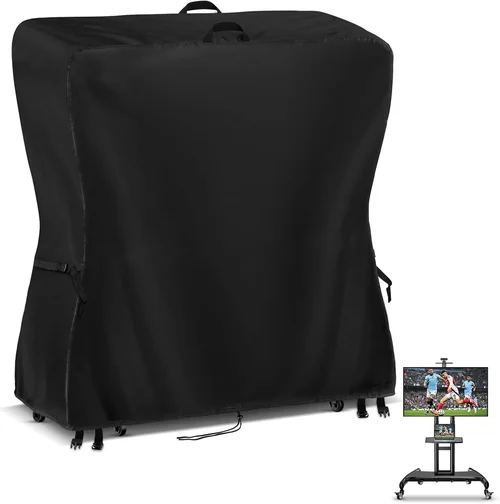
Even with careful research, it’s easy to make mistakes when purchasing a garden TV, especially when focusing on budget-friendly options. These errors can lead to disappointment, premature failure, or unexpected costs. Being aware of these common pitfalls will help you navigate the buying process more effectively and make a smarter investment.
❌ Mistake: Prioritizing Price Over Durability
Why it’s bad: The most common mistake is choosing the absolute cheapest TV without considering its long-term durability. A TV that seems like a bargain initially might be made with flimsy materials, inadequate weatherproofing, or poor-quality components that fail quickly when exposed to the elements. This can result in a frustrating experience, the need for frequent repairs, or even complete replacement sooner than expected, ultimately costing you more in the long run.
What to do instead: Shift your focus from the lowest initial price to the best value for money. Consider the TV’s build quality, warranty, and expected lifespan. A slightly more expensive TV with a robust outdoor rating and a good warranty might save you money over its lifetime compared to a cheaper, less durable model. Think of it as an investment in your outdoor enjoyment, and allocate your budget to ensure it lasts.
❌ Mistake: Ignoring the Importance of Brightness
Why it’s bad: Many budget TVs, especially those designed for indoor use, have lower brightness levels (measured in nits). When placed outdoors, even under a pergola, ambient light can wash out the picture, making it difficult to see details, especially during the day or in bright conditions. A dim TV will force you to watch in the shade or only at night, significantly limiting its usability and enjoyment.
What to do instead: Always check the TV’s brightness specification. For outdoor use, aim for a minimum of 400-500 nits, and ideally higher if your pergola receives direct sunlight. Look for TVs specifically marketed as “high-brightness” or “outdoor” models, as they are designed to combat glare and maintain a clear picture in various lighting conditions. Don’t compromise on brightness; it’s crucial for a satisfying outdoor viewing experience.
❌ Mistake: Overlooking Weatherproofing and IP Ratings
Why it’s bad: Assuming that any TV can be placed outdoors, even under a pergola, is a risky assumption. Pergolas offer some protection but are not fully enclosed, meaning your TV will still be exposed to rain, humidity, dust, and temperature fluctuations. An indoor TV without proper weatherproofing will quickly succumb to moisture damage, corrosion, or overheating, leading to malfunction or complete failure.
What to do instead: Prioritize TVs with explicit outdoor ratings or robust weatherproofing features. Look for an IP (Ingress Protection) rating, such as IP55 or higher, which indicates resistance to dust and water jets. Ensure the TV has a sealed chassis, protected ports, and a screen that can withstand the elements. If using an indoor TV, invest in a high-quality outdoor enclosure that provides adequate protection and ventilation.
❌ Mistake: Neglecting Sound Quality
Why it’s bad: Outdoor environments are inherently noisy, with wind, birds, and ambient sounds. Many budget TVs, especially smaller ones, have weak built-in speakers that struggle to deliver clear audio in such conditions. This can force you to rely on headphones or limit your viewing to quiet moments, detracting from the overall experience.
What to do instead: Don’t assume the built-in speakers will be sufficient. Consider the TV’s audio output options (HDMI ARC, optical audio, Bluetooth) and plan to connect external speakers or a soundbar. Weather-resistant outdoor speakers can significantly enhance the audio experience and allow you to enjoy your content without straining to hear. Investing in good sound is just as important as a good picture for outdoor entertainment.
❌ Mistake: Forgetting About Connectivity and Smart Features
Why it’s bad: A TV without adequate connectivity or smart features can quickly become outdated and inconvenient. Limited HDMI ports might restrict the devices you can connect, and a lack of built-in Wi-Fi and streaming apps means you’ll need additional boxes and cables, cluttering your setup and increasing complexity.
What to do instead: Ensure the TV has enough HDMI ports for your current and future devices (Blu-ray player, gaming console, streaming stick). Prioritize models with built-in Wi-Fi and popular streaming services (Netflix, YouTube, etc.) to simplify access to content. Smart features enhance convenience and future-proof your investment, making it easier to enjoy a wide range of entertainment options.
❌ Mistake: Not Considering Installation and Mounting
Why it’s bad: The cost and complexity of installation are often overlooked. A cheap TV might require a specialized outdoor mount, additional wiring for power and signal, or professional installation, all of which can add significant expense and hassle. An improperly mounted TV can also be unstable or unsafe.
What to do instead: Factor in the cost of a suitable outdoor mount and any necessary wiring when setting your budget. Research the mounting options for your pergola structure and ensure the TV is compatible. If you’re not comfortable with DIY installation, consider the cost of hiring a professional. A well-planned installation ensures safety, stability, and optimal viewing angles.
❌ Mistake: Skipping User Reviews and Research
Why it’s bad: Relying solely on manufacturer specifications can be misleading. Real-world user reviews provide invaluable insights into a product’s actual performance, durability, and potential issues that might not be apparent from the specs sheet. Skipping this step increases the risk of purchasing a TV that doesn’t meet your expectations or fails prematurely.
What to do instead: Dedicate time to reading user reviews from multiple sources, especially those that mention outdoor use. Look for patterns in feedback regarding picture quality, sound, build durability, and weather resistance. Authentic reviews often highlight both pros and cons, giving you a balanced perspective and helping you make a more informed decision.
Budget Guidelines: How Much Should You Spend?
Determining how much to spend on a garden TV for your pergola involves balancing your desired features, performance, and long-term value. While “cheap” is relative, understanding the typical price tiers and what you can expect at each level will help you set a realistic budget and make a wise investment. Here’s a breakdown of common budget ranges for outdoor TVs:
Entry-Level ($300 – $500): This price range typically covers basic indoor TVs paired with a weatherproof outdoor enclosure or older, refurbished outdoor models. Expect smaller screen sizes (32-40 inches), standard HD or Full HD resolution, and basic smart features. Build quality might be less robust, and warranties could be limited. This tier is suitable for those with very tight budgets or for temporary setups where extreme durability isn’t paramount. You might find deals on older models or during sales, but be prepared for potential compromises in longevity and performance.
Mid-Range ($500 – $800): This is often the “sweet spot” for most budget-conscious buyers seeking a good balance of price and performance. In this range, you can find newer, purpose-built outdoor TVs with better weather resistance, higher brightness (400-700 nits), and more reliable smart platforms. Screen sizes typically range from 43 to 55 inches, with Full HD or even 4K resolution becoming more common. Build quality is generally better, with more durable materials and improved sealing against the elements. Warranties are usually more comprehensive, offering better protection for your investment.
Premium ($800 – $1200): Moving into the premium tier, you’ll find high-end outdoor TVs from reputable brands known for their durability and performance. These models often feature superior weatherproofing (IP65 or higher), very high brightness (700+ nits), excellent picture quality (4K HDR), and robust smart features. Screen sizes can go up to 65 inches or more, and build quality is top-notch, designed to withstand harsh outdoor conditions for many years. These TVs are ideal for those who prioritize longevity, exceptional performance, and are willing to invest more for a truly premium outdoor entertainment experience.
Luxury ($1200+): At this level, you’re entering the realm of top-tier outdoor TVs from brands like SunBrite or Samsung, designed for extreme environments and professional installations. Expect the highest levels of weather resistance, exceptional brightness, stunning picture quality, and extensive smart features. These TVs are built to last for decades, often with extended warranties and premium support. They are suitable for large pergolas, commercial applications, or discerning homeowners who demand the absolute best in outdoor entertainment and are willing to pay a premium for uncompromising quality and performance.
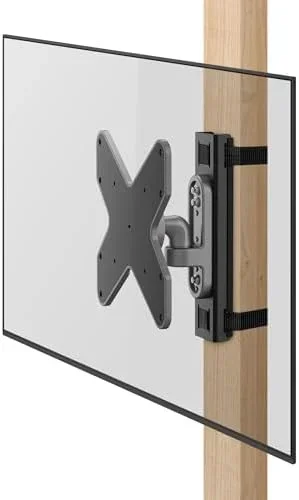
Expert Tips for Getting the Best Deal
Securing a great deal on a garden TV for your pergola requires more than just finding the lowest advertised price. It involves strategic timing, savvy shopping, and a keen eye for value. These expert tips will help you maximize your budget and ensure you get the most out of your outdoor television investment.
1. Time Your Purchase Strategically: Like many electronics, outdoor TVs often go on sale during specific times of the year. Look for deals during major shopping holidays like Black Friday, Cyber Monday, Memorial Day, or the Fourth of July. Retailers often offer significant discounts on outdoor equipment during these periods. Additionally, consider shopping at the end of summer or early fall when demand for outdoor products might be lower, potentially leading to clearance sales.
2. Compare Prices Across Multiple Retailers: Don’t settle for the first price you see. Use price comparison websites and check prices at various online retailers (Amazon, Best Buy, Walmart, specialized outdoor equipment stores) and local electronics stores. Sometimes, smaller local businesses might offer competitive pricing or bundle deals that larger retailers don’t. Signing up for retailer newsletters can also alert you to exclusive sales and promotions.
3. Consider Refurbished or Open-Box Models: Reputable retailers often sell refurbished or open-box TVs at discounted prices. These units have been inspected, tested, and restored to working condition, often coming with a warranty. They can offer significant savings compared to brand-new models while still providing reliable performance. Be sure to check the warranty terms and return policy for refurbished items.
4. Look for Bundle Deals: Some retailers offer bundle deals that include the TV, an outdoor mount, and sometimes even speakers or other accessories at a discounted price. These bundles can save you money compared to purchasing each item separately. Evaluate the bundle contents carefully to ensure you’re getting items you actually need and that the overall price is truly a good deal.
5. Negotiate or Ask for Price Matching: Don’t be afraid to negotiate, especially at local electronics stores. If you’ve found a lower price elsewhere, ask if they can match it. Many retailers have price-matching policies to remain competitive. Even if they can’t match the exact price, they might offer a small discount or throw in a free accessory to close the deal.
6. Read the Fine Print on Warranties: A good warranty is crucial for outdoor electronics. Pay close attention to the warranty terms, especially what it covers regarding outdoor use. Some warranties might have limitations or exclusions for weather-related damage. Ensure the warranty is transferable if you plan to sell the TV later, and understand the process for making a claim.
7. Check Return Policies: Before finalizing your purchase, understand the retailer’s return policy. Outdoor TVs can be tricky to install and test, and you might discover issues after setup. A generous return policy gives you peace of mind and allows you to return the TV if it doesn’t meet your expectations or has defects.
8. Test Before Finalizing Installation: Once you receive your TV, test it thoroughly indoors before mounting it permanently outdoors. Check the picture quality, sound, smart features, and all connectivity options. This allows you to identify any defects or issues and return the TV if necessary, without the hassle of disassembling a mounted unit.
Frequently Asked Questions
Q: Can I use a regular indoor TV in my pergola?
A: While technically possible, using a regular indoor TV in a pergola is generally not recommended for long-term use. Indoor TVs are not designed to withstand the elements, including rain, humidity, dust, and temperature fluctuations. Even under a pergola, they are vulnerable to moisture damage, which can lead to corrosion, electrical shorts, and premature failure. If you choose this route, you must use a high-quality, fully sealed outdoor enclosure that provides adequate protection and ventilation, and even then, the TV’s lifespan will likely be shorter than a purpose-built outdoor model.
Q: What is an IP rating, and why is it important for outdoor TVs?
A: IP stands for Ingress Protection, and it’s a standardized rating system that indicates a device’s resistance to solid particles (like dust) and liquids (like water). An IP rating consists of two digits (e.g., IP55). The first digit (0-6) indicates protection against solids, with 6 being dust-tight. The second digit (0-9) indicates protection against liquids, with higher numbers offering better water resistance (e.g., 5 for water jets, 6 for powerful water jets, 7 for temporary immersion). For outdoor TVs, an IP55 or higher rating is desirable, indicating good protection against dust and water jets, which is essential for withstanding rain and humidity.
Q: How do I protect my garden TV from direct sunlight?
A: Direct sunlight can cause overheating, fade the screen, and degrade components over time. The best protection is to install the TV in a shaded area of your pergola, ideally facing away from direct sun exposure. If unavoidable, consider using a TV with a high brightness rating (700+ nits) to combat glare. Some outdoor TVs have special anti-glare screens. Additionally, a weatherproof cover can offer some UV protection when the TV is not in use, but ensure it’s designed for ventilation to prevent condensation buildup.
Q: Do I need special outdoor speakers for my garden TV?
A: While many outdoor TVs have built-in speakers, they are often insufficient for larger outdoor spaces or noisy environments. Weather-resistant outdoor speakers are highly recommended to enhance audio quality and volume. You can connect them via Bluetooth, optical audio, or HDMI ARC, depending on your TV’s capabilities. Choose speakers designed for outdoor use, with appropriate IP ratings for weather resistance, and position them strategically for optimal sound distribution.
Q: How do I connect my devices to an outdoor TV?
A: Most outdoor TVs have standard HDMI ports, USB ports, and sometimes component or composite inputs, just like indoor TVs. You can connect devices like Blu-ray players, gaming consoles, streaming sticks (like Roku or Fire Stick), or cable/satellite boxes using these ports. Ensure all connections are made securely and consider using weatherproof HDMI cables or protective covers for the ports to prevent moisture ingress. For longer cable runs, you might need signal boosters or extenders.
Q: Can I install the garden TV myself, or do I need a professional?
A: Installation complexity varies. If you’re comfortable with basic DIY tasks, mounting the TV and running cables might be manageable. However, outdoor installations often involve electrical wiring, structural considerations for the pergola, and ensuring proper weatherproofing. If you’re unsure about any aspect, especially electrical work or structural mounting, it’s highly recommended to hire a qualified professional. This ensures safety, proper installation, and can prevent damage to your TV or property.
Q: What should I do with my garden TV during winter or extreme weather?
A: For most climates, a purpose-built outdoor TV with a good IP rating can remain outdoors year-round. However, during extreme weather events (severe storms, heavy snow, or prolonged sub-zero temperatures), it’s advisable to take precautions. Consider using a weatherproof cover when the TV is not in use. If your TV is in a particularly harsh climate or you’re concerned about extreme conditions, you might consider a model that’s easy to relocate indoors temporarily. Always refer to the manufacturer’s guidelines for specific care and storage recommendations.
Q: Are there any specific brands known for affordable outdoor TVs?
A: While premium brands like SunBrite dominate the high-end market, several brands offer more budget-friendly outdoor TV options. Look for brands that specialize in outdoor technology or have a reputation for durable consumer electronics. Some retailers also offer their own branded outdoor TVs, which can sometimes be more affordable. Researching user reviews and comparing specifications across different brands will help you identify models that offer the best value for your budget.
Q: How long can I expect a cheap garden TV to last?
A: The lifespan of a “cheap” garden TV depends heavily on its build quality, weatherproofing, and how well it’s maintained. A well-built, purpose-built outdoor TV with a good IP rating and proper installation can last 5-7 years or even longer. An indoor TV in an enclosure might last 2-4 years, depending on the enclosure’s quality and environmental conditions. Regular cleaning, using a cover when not in use, and protecting it from extreme weather can extend its life. Remember, a slightly higher initial investment in a more durable model often translates to a longer lifespan and better value.
Our Final Recommendations
After extensive research and consideration of the factors outlined in this guide, here are our top recommendations for cheap garden TVs for your pergola, categorized to help you find the perfect fit for your needs and budget.
Best for Budget-Conscious Buyers: For those seeking the absolute lowest entry point, consider a reputable 32-40 inch Full HD indoor TV paired with a high-quality, fully sealed outdoor enclosure from a brand like Peerless or Nexus. Look for models from brands like TCL or Hisense, which offer good value for indoor TVs. This approach allows you to leverage the lower cost of indoor TVs while providing essential weather protection. Ensure the enclosure has adequate ventilation and is rated for outdoor use.
Best Overall Value: The sweet spot for most buyers lies in the mid-range category. Look for purpose-built outdoor TVs from emerging brands that offer robust weatherproofing (IP55 or higher), decent brightness (500+ nits), and reliable smart features. A 43-50 inch Full HD or 4K model from a brand with positive user reviews for outdoor use would be an excellent choice. These TVs provide a good balance of durability, performance, and price, offering long-term value without breaking the bank.
Best Premium Option (within “cheap” context): If your budget allows for a slight stretch towards the higher end of “cheap,” consider a 55-inch 4K outdoor TV from a brand known for its durability and outdoor focus. These models often feature superior weather resistance, very high brightness (700+ nits), and excellent picture quality. While still more affordable than top-tier brands, they offer a significant step up in performance and longevity, making them a worthwhile investment for those who prioritize quality.
Best for Beginners: For those new to outdoor TVs, starting with a mid-range, purpose-built outdoor TV is often the easiest and most reliable option. These models are designed for outdoor use, simplifying installation and reducing the risk of weather-related issues. Choose a model with a user-friendly smart platform and clear setup instructions. Avoid the complexity of indoor TVs with enclosures unless you’re confident in your DIY skills.
Best for Advanced Users: More experienced users or DIY enthusiasts might prefer the flexibility of building their own outdoor TV setup. This could involve selecting a high-performance indoor TV with specific features and pairing it with a custom-designed or high-end outdoor enclosure. This approach allows for greater customization but requires more technical knowledge and careful planning to ensure proper weatherproofing and ventilation.
Conclusion: Making the Right Choice
Choosing the right cheap garden TV for your pergola is a significant decision that can transform your outdoor living space into a true entertainment haven. It’s a balance between affordability and the essential qualities needed to withstand the elements and deliver a satisfying viewing experience. By carefully considering the key factors we’ve discussed—budget, performance, build quality, features, brand reputation, warranty, size, and user reviews—you can navigate the market with confidence and avoid common pitfalls.
Remember, “cheap” doesn’t have to mean “low quality.” It means finding the best possible value for your investment. Prioritize durability and weather resistance, as these are paramount for any outdoor electronic device. Don’t sacrifice essential features like adequate brightness and smart capabilities, as they significantly impact your enjoyment. Take the time to research, compare models, read user reviews, and consider the total cost of ownership, including installation and accessories.
Ultimately, the best garden TV for your pergola is the one that aligns with your specific needs, budget, and environment. Whether you opt for a purpose-built outdoor model or a cleverly enclosed indoor TV, the goal is to create a space where you can relax, entertain, and enjoy your favorite content under the open sky. We encourage you to use this guide as a roadmap, prioritize your must-have features, and make an informed decision that will bring you years of outdoor entertainment pleasure. Happy viewing!

