
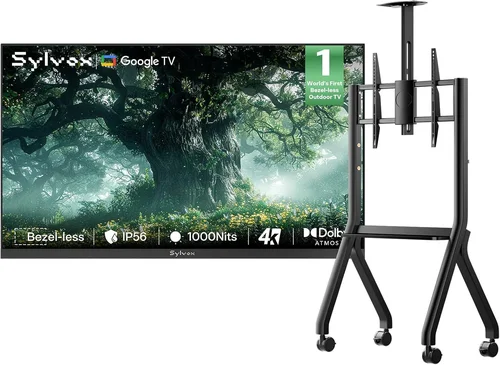
Garden gatherings have evolved far beyond simple barbecues and lawn chairs. Today’s families are transforming their outdoor spaces into true extensions of their homes—complete with cozy seating, ambient lighting, and even entertainment systems. One of the most exciting additions to this trend is the outdoor TV. Whether you’re hosting a summer movie night under the stars, watching the big game with friends, or simply enjoying your favorite show while gardening, a garden TV can elevate your outdoor experience significantly.
But here’s the catch: not everyone wants—or needs—to spend thousands on a high-end outdoor display. That’s where affordable garden TVs come in. In recent years, the market has seen a surge in budget-friendly options that deliver solid performance without breaking the bank. These aren’t just regular indoor TVs shoved into weatherproof boxes (though some are); many are purpose-built for outdoor use, offering features like anti-glare screens, weather resistance, and enhanced brightness. This guide exists to help you navigate that growing landscape and find the perfect balance between cost, quality, and functionality.
By the end of this comprehensive buying guide, you’ll understand exactly what to look for in a cheap garden TV, how to avoid common pitfalls, and which models offer the best value for family-friendly outdoor viewing. We’ll break down key specs, compare different types of outdoor displays, share expert tips for scoring deals, and answer your most pressing questions—all so you can make a confident, informed decision. Whether you’re working with a tight budget or just want to maximize every dollar, this guide will equip you with the knowledge to choose wisely.
The outdoor TV market in 2026 is more accessible than ever. Major electronics brands, along with specialized outdoor tech companies, now offer a range of options starting under $500. While premium models from brands like SunBrite or Samsung’s The Terrace still command premium prices, there’s a robust middle and lower tier filled with capable alternatives. From all-weather LCDs to portable projector-TV hybrids, the choices are diverse—but not all are created equal. Some prioritize durability over resolution, others favor portability over screen size. Our goal is to cut through the noise and help you identify which features truly matter for your specific use case, whether that’s casual weekend viewing or full-blown backyard entertainment setups.
What to Look for When Buying a Cheap Garden TV
1. Budget & Price Range
When shopping for a cheap garden TV, your budget is the foundation of every decision. But “cheap” doesn’t have to mean “low quality.” In 2026, you can find reliable outdoor-ready displays starting around $400–$600, with many excellent options landing between $700 and $1,200. The key is understanding what you’re paying for—and what you might be sacrificing at lower price points.
At the entry level ($400–$600), expect basic weather resistance (often just IP54 or IP55 ratings), smaller screen sizes (32″ to 43″), and standard HD or Full HD resolution. These models are ideal for covered patios, screened-in porches, or areas with minimal direct sun exposure. They’re perfect for casual viewing but may struggle in bright daylight or during heavy rain.
Mid-range options ($700–$1,200) typically offer Full HD or 4K resolution, better brightness (400+ nits), improved weatherproofing (IP65), and sometimes built-in streaming apps. This tier often represents the sweet spot for most families—offering strong performance, decent durability, and smart features without the premium markup.
It’s also important to factor in hidden costs. A “cheap” TV might require additional purchases like a mounting bracket rated for outdoor use, a weatherproof cover, or even a separate soundbar if audio quality is lacking. Always read the fine print: does the price include wall mounts? Is the remote weather-resistant? These details can add up quickly.
2. Performance Specifications
Performance specs determine how well your garden TV will actually perform in real-world conditions. Unlike indoor TVs, outdoor models must contend with glare, variable lighting, temperature swings, and humidity. Here’s what to prioritize:
Brightness (Nits): This is arguably the most critical spec for outdoor use. Indoor TVs typically range from 200–300 nits, which is fine for dim rooms but hopeless in daylight. For garden use, aim for at least 400 nits—ideally 500–700 nits if you plan to watch in direct sunlight. Some budget models advertise “high brightness” but don’t specify nits; always check the technical sheet.
Resolution: Full HD (1920×1080) is acceptable for screens under 50″, especially if viewers will be seated 8–10 feet away. However, 4K (3840×2160) offers noticeably sharper detail and is becoming more common even in affordable models. If your budget allows, go for 4K—it future-proofs your investment and enhances streaming content.
Refresh Rate: Look for at least 60Hz. While 120Hz is nice for sports or gaming, it’s rarely found in budget outdoor TVs and isn’t essential for casual family viewing.
Color Accuracy & Contrast: Outdoor lighting can wash out colors, so a TV with good contrast ratio (measured in static or dynamic terms) helps maintain image depth. VA panels generally offer better contrast than IPS, though they may have narrower viewing angles.
Response Time: Important if kids will be playing video games outside. Aim for under 8ms to avoid motion blur.
Don’t overlook HDR support. Even basic HDR10 can improve color vibrancy and dynamic range, making skies bluer and greens richer—perfect for nature documentaries or summer blockbusters.
3. Build Quality & Durability
A garden TV isn’t just exposed to the elements—it’s expected to thrive in them. Durability starts with the enclosure. Look for an IP rating (Ingress Protection). IP54 means splash-resistant; IP55 protects against water jets; IP65 is dust-tight and withstands low-pressure water streams. For true all-weather use, IP65 is the minimum recommendation.
The housing material matters too. Aluminum or powder-coated steel resists rust and corrosion better than plastic. Check that seams are sealed and vents (if any) are filtered to prevent moisture buildup.
Temperature tolerance is another often-overlooked factor. Most outdoor TVs operate between -22°F and 122°F (-30°C to 50°C). If you live in an extreme climate—desert heat or sub-zero winters—verify the operating range matches your local conditions.
Also consider internal components. Cheaper models may use consumer-grade electronics not designed for continuous outdoor exposure. Over time, this can lead to premature failure. Brands that specialize in outdoor tech often use conformal-coated circuit boards and sealed connectors to prevent corrosion.
Finally, think about installation. Will it be wall-mounted, ceiling-hung, or placed on a stand? Ensure the VESA mount pattern is standard and that the unit isn’t overly heavy for your chosen location. A poorly mounted TV is a safety hazard—and a costly mistake.
4. Features & Functionality
Modern garden TVs pack surprising features, even at lower price points. Start with smart capabilities. Most budget models now include built-in Wi-Fi and support for popular platforms like Roku TV, Android TV, or webOS. This lets you stream Netflix, YouTube, or Disney+ without needing an external device—a huge convenience for family movie nights.
Connectivity is crucial. Look for multiple HDMI ports (at least two), USB inputs, and possibly optical audio out. If you plan to connect a soundbar, gaming console, or cable box, ensure there’s enough flexibility. Some models even include Bluetooth for wireless audio.
Remote control design matters outdoors. Water-resistant or rubberized remotes are easier to grip and less likely to slip into the grass. Backlit buttons help in low light.
Consider anti-reflective coatings. These reduce glare from sunlight or patio lights, improving visibility. While not all budget models include this, it’s worth seeking out—especially if your seating area faces west (afternoon sun).
Some affordable garden TVs now offer ambient light sensors that auto-adjust brightness based on surroundings. This saves energy and reduces eye strain during twilight hours.
Lastly, check for audio quality. Many outdoor TVs have weak built-in speakers due to space constraints. If sound matters, plan to pair it with outdoor speakers or a soundbar—but confirm the TV supports external audio output.
5. Brand Reputation
Not all brands are created equal—even in the budget segment. Established names like TCL, Hisense, and Vizio have expanded into outdoor-ready models with solid track records. They leverage their experience in consumer electronics to deliver reliable, feature-rich displays at competitive prices.
Specialized outdoor brands like Seura, SkyVue, and Peerless offer higher-end options but also have budget lines. Their advantage? Deep expertise in weatherproofing and outdoor usability. However, they often come at a premium.
Avoid unknown brands with no customer support or warranty infrastructure. A $450 TV from a no-name manufacturer might seem tempting, but if it fails after six months and there’s no service center nearby, you’re out of luck.
Research user forums, Reddit communities, and YouTube reviews. Real-world feedback often reveals issues not mentioned in marketing materials—like poor customer service, inconsistent brightness, or flimsy mounts.
6. Warranty & Support
Outdoor electronics face harsher conditions than indoor gear, so warranty coverage is non-negotiable. Most reputable brands offer at least a 1-year limited warranty, but some extend to 2 or even 3 years for outdoor-specific models.
Read the warranty terms carefully. Does it cover weather damage? What about power surges from lightning? Some warranties void coverage if the TV isn’t installed by a certified technician—a hidden cost to consider.
Customer support responsiveness matters too. Can you reach a human quickly? Is there a local service center? Brands with strong U.S.-based support (like TCL or Hisense) tend to resolve issues faster than those relying on overseas call centers.
Extended warranties are available but often unnecessary if you buy from a trusted brand. Instead, consider purchasing through retailers like Best Buy or Amazon that offer their own protection plans with clearer terms.
7. Size & Portability
Screen size directly impacts viewing experience—but bigger isn’t always better outdoors. For most family gatherings, a 43″ to 55″ TV is ideal. It’s large enough for group viewing from 8–12 feet away but doesn’t overwhelm a modest patio.
If space is tight or you want flexibility, consider a portable outdoor TV. These often come with built-in stands, wheels, or handles and may include rechargeable batteries. Perfect for moving between the deck, poolside, or garage. However, portability usually means trade-offs: smaller screens, lower brightness, and reduced durability.
Wall-mounted units are more permanent but offer better stability and viewing angles. Ensure your wall or pergola can support the weight—and that wiring can be safely routed (use conduit if running cables through walls).
Viewing distance matters: sit too close to a 4K TV and you’ll see pixels; sit too far from an HD model and details blur. As a rule, multiply the screen size (in inches) by 1.5 to get the minimum recommended viewing distance (e.g., 50″ × 1.5 = 75″ or ~6 feet).
8. User Reviews & Ratings
Never buy a garden TV based solely on specs or marketing claims. User reviews reveal real-world performance, longevity, and quirks. Focus on verified purchase reviews from people with similar setups—e.g., “used on a covered deck in Florida” or “mounted under a pergola in Colorado.”
Pay attention to recurring complaints: Does the screen fog up in humidity? Does Wi-Fi drop during rain? Are the speakers tinny? These patterns signal potential dealbreakers.
Use aggregate ratings wisely. A 4.2-star average with 1,000+ reviews is more trustworthy than a 4.8 with only 15 reviews. Also check return rates—high return percentages (visible on some retailer sites) may indicate dissatisfaction.
YouTube unboxings and long-term reviews (6+ months) are goldmines for durability insights. Seeing how a TV holds up after a full season of sun, rain, and temperature swings is invaluable.
Different Types of Garden TVs

Each type serves a different need. All-weather TVs are built for harsh conditions but cost more. Covered patio models strike a balance for semi-protected areas. Portable units offer freedom but sacrifice screen size and brightness. DIY enclosures can save money but require technical know-how and may void warranties. Projectors deliver theater-like scale but need darkness and stable setup.
Common Buying Mistakes to Avoid
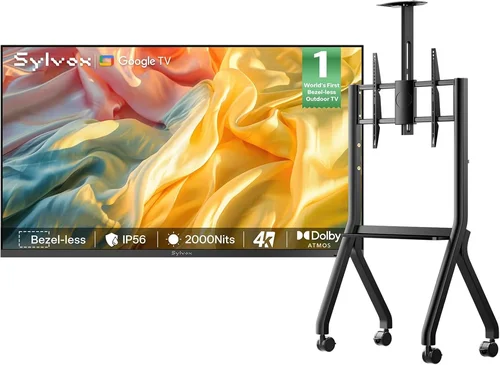
❌ Mistake: Buying an Indoor TV for Outdoor Use
Why it’s bad: Indoor TVs aren’t designed for temperature fluctuations, humidity, or UV exposure. Their components can corrode, screens can fog, and internal circuits may fail prematurely. Even under cover, condensation and pests pose risks.
What to do instead: Invest in a TV specifically rated for outdoor or semi-outdoor use. If budget is tight, pair a budget indoor TV with a certified weatherproof enclosure—but only if the manufacturer approves it.
❌ Mistake: Ignoring Brightness Specs
Why it’s bad: A dim screen turns daytime viewing into a frustrating squint-fest. You’ll miss details, colors will look washed out, and kids will lose interest quickly.
What to do instead: Prioritize nits over other specs. Aim for 400+ nits minimum. If possible, test the TV in similar lighting conditions before buying—or rely on detailed reviews that mention daylight performance.
❌ Mistake: Overlooking Audio Quality
Why it’s bad: Most outdoor TVs have weak built-in speakers. Wind, distance, and ambient noise (like pool pumps or traffic) drown out dialogue, making movies unwatchable.
What to do instead: Plan for external audio from day one. Budget for weather-resistant speakers or a Bluetooth soundbar. Many families use wireless outdoor speaker systems that sync seamlessly with the TV.
❌ Mistake: Skipping the Mounting Plan
Why it’s bad: Improper mounting can lead to wobbling, falling, or water ingress. Using indoor mounts outdoors risks rust and structural failure.
What to do instead: Use a VESA-compatible outdoor mount rated for your TV’s weight and wind load. Consult a professional if installing on a pergola or uneven surface. Always route cables through waterproof conduit.
❌ Mistake: Not Checking Return Policies
Why it’s bad: Outdoor TVs are hard to test thoroughly before purchase. What looks good in a showroom may perform poorly in your specific environment.
What to do instead: Buy from retailers with generous return windows (30+ days) and free return shipping. Test the TV in your intended location during different times of day before the window closes.
❌ Mistake: Forgetting About Power & Connectivity
Why it’s bad: Running extension cords across the lawn is unsafe and ugly. Weak Wi-Fi signals lead to buffering during crucial moments.
What to do instead: Ensure your setup location has nearby GFCI-protected outlets. Use Wi-Fi extenders or mesh networks to boost signal. Consider wired Ethernet if running cable is feasible.
❌ Mistake: Choosing Based Solely on Price
Why it’s bad: The cheapest option often lacks essential features like adequate brightness, proper sealing, or smart functionality—leading to disappointment and eventual replacement.
What to do instead: Focus on value, not just cost. A $700 TV that lasts 5 years and performs well is a better investment than a $400 model that fails in 18 months.
Budget Guidelines: How Much Should You Spend?
Entry-Level ($400–$600): Ideal for covered patios or occasional use. Expect 32″–43″ screens, HD or Full HD resolution, basic weather resistance (IP54), and limited smart features. Great for casual viewers who prioritize affordability over performance. Examples include TCL’s outdoor-ready Roku TVs or Hisense’s patio series.
Mid-Range ($700–$1,200): The sweet spot for most families. Look for 43″–55″ 4K displays, 500+ nits brightness, IP65 rating, and robust smart platforms. These models handle daylight well, offer reliable streaming, and come from reputable brands. This tier delivers the best balance of price, performance, and longevity.
Premium ($1,300–$2,000): For enthusiasts who want near-professional quality. Features include ultra-high brightness (700+ nits), advanced anti-glare coatings, superior audio, and extended warranties. Brands like Seura and SkyVue dominate here, offering sleek designs and seamless integration.
Luxury ($2,000+): Top-tier all-weather TVs with commercial-grade durability, 8K readiness, and custom installation support. Best for large estates, commercial venues, or those who refuse to compromise. Overkill for typical family gatherings but unmatched in performance.
Expert Tips for Getting the Best Deal
1. Shop During Off-Seasons: Demand peaks in spring and summer. Buy in late fall or winter (November–February) for discounts of 20–30%. Retailers clear inventory before new models arrive.
2. Compare Retailers: Amazon, Best Buy, Costco, and specialty outdoor tech stores often run exclusive deals. Sign up for price alerts using tools like Honey or CamelCamelCamel.
3. Look for Refurbished or Open-Box: Certified refurbished models from manufacturers come with warranties and can save $150–$300. Open-box items at Best Buy are tested and discounted.
4. Bundle with Accessories: Some retailers offer free mounts or soundbars with TV purchases. Always ask—or check bundle deals online.
5. Negotiate Installation: If hiring a pro, bundle TV purchase with installation for a package discount. Many electricians or AV specialists offer this.
6. Check for Rebates: Utility companies sometimes offer rebates for energy-efficient outdoor electronics. Manufacturers may also run seasonal promotions.
7. Test Before Committing: If buying in-store, ask to see the TV powered on in bright light. Check for backlight bleed, color accuracy, and remote responsiveness.
8. Read the Fine Print on Warranties: Ensure outdoor use is covered. Some warranties exclude “environmental damage” unless installed per guidelines.
Frequently Asked Questions
Q: Can I use a regular TV outside if it’s under cover?
A: Technically yes—but it’s risky. Even under a roof, humidity, temperature swings, and dust can damage internal components over time. For long-term reliability, choose a TV designed for outdoor or semi-outdoor use.
Q: Do I need a special mount for a garden TV?
A: Yes. Use a VESA-compatible mount rated for outdoor use and your TV’s weight. Indoor mounts may rust or fail under weather exposure. Tilt or full-motion mounts offer better viewing angles but cost more.
Q: How do I protect my garden TV from rain?
A: Choose an IP65-rated model for full protection. For added safety, install it under an eave, pergola, or weatherproof cabinet. Never leave it exposed during storms.
Q: Will a garden TV work in direct sunlight?
A: Only if it has high brightness (500+ nits) and an anti-reflective coating. Most budget models struggle in full sun—opt for shaded or covered areas unless you invest in a premium bright display.
Q: Can I connect streaming devices like Fire Stick or Apple TV?
A: Absolutely. Most outdoor TVs have HDMI ports. Just ensure the device is also protected from the elements—use a weatherproof box or keep it indoors with an HDMI extender.
Q: How long do cheap garden TVs last?
A: With proper care, 5–7 years is typical. Cheaper models may last 3–4 years. Regular cleaning, avoiding extreme temps, and using surge protectors extend lifespan.
Q: Are outdoor TVs energy efficient?
A: Modern LED models are quite efficient. Look for ENERGY STAR certification. Brightness settings also impact power use—dim the screen when possible.
Q: Can I use my garden TV in winter?
A: Only if it’s rated for cold temperatures (down to -22°F or lower). Turn it off during snowstorms and avoid rapid temperature changes (e.g., bringing it indoors after freezing).
Q: Do I need internet for a garden TV?
A: Only if using smart features or streaming. For antenna TV or local media, no internet is needed. But Wi-Fi improves functionality significantly.
Q: What’s the difference between IP55 and IP65?
A: IP55 protects against low-pressure water jets and dust (limited ingress). IP65 is dust-tight and withstands water jets from any direction—better for exposed areas.
Our Final Recommendations
Best for Budget-Conscious Buyers: TCL 43S5400 Outdoor Roku TV ($549)
A 43″ Full HD display with IP55 rating, 450 nits brightness, and built-in Roku. Perfect for covered patios. Reliable, easy to use, and backed by TCL’s strong support.
Best Overall Value: Hisense 50A7H Outdoor Google TV ($899)
50″ 4K UHD, 600 nits, IP65-rated, and runs Google TV for seamless streaming. Excellent daylight performance and solid build quality at a mid-range price.
Best Premium Option: Seura 55″ Ultra Bright Outdoor TV ($1,899)
For those who want the best: 700+ nits, anti-glare coating, all-weather design, and sleek aesthetics. Ideal for full sun exposure and large gatherings.
Best for Beginners: SkyVue 40″ Portable Outdoor TV ($649)
Comes with stand, wheels, and carrying handle. Great for renters or those testing outdoor viewing. Includes basic smart features and decent brightness.
Best for Advanced Users: Peerless-AV 55″ Extreme Environment TV ($1,599)
Commercial-grade durability, customizable mounting, and support for custom control systems. Perfect for tech-savvy homeowners building a full outdoor AV setup.
Conclusion: Making the Right Choice
Choosing a cheap garden TV doesn’t mean settling for less—it means being smart about your priorities. By focusing on brightness, weather resistance, smart features, and real-world durability, you can find a model that delivers exceptional value for family gatherings, movie nights, and everyday outdoor relaxation.
Remember: the cheapest option isn’t always the most economical in the long run. Invest in a TV that matches your environment, usage patterns, and viewing habits. Read reviews, test when possible, and don’t skip on essential accessories like mounts and audio.
Your backyard deserves to be more than just a place to grill—it can be a hub of connection, entertainment, and joy. With the right garden TV, every sunset becomes a screening, every game day turns into an event, and every family moment feels a little more special.
So go ahead—bring the screen outside. Your perfect outdoor viewing experience is within reach, and it doesn’t have to cost a fortune. Happy watching!

