
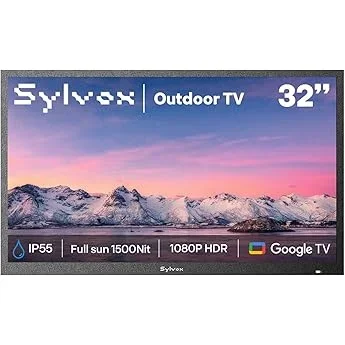
Backyard entertainment has become a cornerstone of modern apartment living, especially as more people seek to maximize their limited outdoor space. Whether you’re hosting a casual movie night under the stars, catching the big game with friends, or simply unwinding after a long day, having a reliable outdoor TV can transform your balcony, patio, or small yard into a functional extension of your home. However, many apartment dwellers assume that outdoor TVs are inherently expensive or out of reach—reserved only for sprawling suburban backyards with custom installations. That’s simply not true anymore.
In 2026, the market for affordable, high-quality outdoor TVs has exploded, offering budget-friendly options that don’t sacrifice performance or durability. Thanks to advancements in display technology, weather-resistant materials, and smart integration, you can now enjoy a cinematic outdoor experience without breaking the bank. This guide is designed specifically for renters and apartment owners who want to bring the fun outside—without the hefty price tag or permanent installation hassles. We’ll walk you through everything you need to know to make a smart, informed decision.
By the end of this comprehensive buying guide, you’ll understand exactly what to look for in a cheap backyard TV, how to avoid common pitfalls, and where to find the best deals. We’ll cover key factors like brightness, weather resistance, portability, and smart features—all tailored to the unique constraints of apartment living. Whether you’re working with a $200 budget or have a bit more flexibility, this guide will help you find the perfect TV that fits your space, lifestyle, and wallet. Let’s dive in and turn your outdoor area into the ultimate entertainment zone.

What to Look for When Buying Buying Guide
1. Budget & Price Range
When shopping for a cheap backyard TV, your budget is the foundation of every decision. Unlike indoor TVs, outdoor models—even budget-friendly ones—often come with added costs for weatherproofing, brightness enhancements, and mounting hardware. For apartment dwellers, it’s especially important to balance affordability with functionality. Most quality outdoor TVs designed for small spaces fall between $300 and $800, but you can find solid options under $500 if you know what to prioritize.
Start by setting a realistic spending limit. Ask yourself: How often will I use this TV? Is it for occasional movie nights or regular weekend gatherings? If it’s a seasonal or infrequent use, a lower-priced model may suffice. However, if you plan to use it year-round or in varying weather conditions, investing a bit more upfront can save you from premature replacements. Keep in mind that “cheap” doesn’t have to mean “low quality.” Many brands now offer excellent value by focusing on core performance features while cutting unnecessary extras.
2. Performance Specifications
Performance specs are where many budget buyers go wrong—either overspending on features they don’t need or underestimating what’s required for outdoor viewing. The two most critical specs for backyard TVs are brightness and resolution. Unlike indoor screens, outdoor TVs must combat glare from sunlight, so brightness (measured in nits) is non-negotiable. Look for a minimum of 500 nits, but ideally 700–1000 nits for daytime viewing. Anything below 400 nits will appear washed out even on cloudy days.
Resolution is equally important. While 1080p (Full HD) is acceptable for smaller screens (under 40 inches), 4K UHD is becoming the standard—even in budget models. A 4K display delivers sharper images, better color accuracy, and improved detail, especially when streaming high-definition content. For apartment balconies or compact patios, a 32- to 43-inch screen is usually ideal. Larger screens may overwhelm the space and require more power, which can be a concern for renters with limited electrical access.
Refresh rate and response time matter less for casual viewing but are worth noting if you plan to watch sports or play video games. A 60Hz refresh rate is standard and sufficient for most users, but 120Hz models offer smoother motion—though they’re rare in budget outdoor TVs. Also, check the input lag (ideally under 20ms for gaming) if you’re connecting a console.
3. Build Quality & Durability
Outdoor TVs face harsh conditions: UV rays, rain, dust, temperature swings, and even pests. Even in an apartment setting—where exposure may be less severe than a full backyard—durability is crucial. Look for TVs with an IP (Ingress Protection) rating of at least IP54, which means they’re protected against dust and water splashes. For balconies or covered patios, IP54 is usually sufficient. If your TV will be partially exposed to rain or direct sun, aim for IP65 or higher.
The housing material matters too. Aluminum or powder-coated steel frames resist rust and corrosion better than plastic. Avoid TVs with exposed ports or flimsy back panels—these are vulnerable to moisture and damage. Some budget models cut corners by using indoor TVs in weatherproof enclosures, which can trap heat and reduce lifespan. Instead, opt for models specifically designed for outdoor use, even if they’re slightly more expensive.
Heat dissipation is another often-overlooked factor. Outdoor TVs generate more heat due to higher brightness settings. Poor ventilation can lead to overheating, especially in enclosed spaces like balcony cabinets. Check for built-in cooling fans or heat-dissipating designs. Also, ensure the TV can operate in temperatures between 32°F and 104°F (0°C to 40°C)—a common range for most climates.
4. Features & Functionality
Smart features can elevate your outdoor viewing experience, but they’re not essential for everyone. Many budget outdoor TVs now come with built-in smart platforms like Roku TV, Android TV, or Fire TV, allowing you to stream Netflix, YouTube, or Disney+ without an external device. This is a huge convenience, especially if you don’t want to run cables or set up a streaming box.
However, smart functionality can increase cost and complexity. If you already own a streaming device (like a Roku Stick or Apple TV), you might prefer a “dumb” TV with standard HDMI inputs. This keeps the price down and gives you more control over software updates and app selection. Also, consider voice control compatibility—many smart TVs work with Alexa or Google Assistant, which is handy for hands-free operation outdoors.
Connectivity is another key area. Ensure the TV has at least two HDMI ports, a USB port for media playback, and possibly an optical audio output if you plan to connect external speakers. Wi-Fi and Bluetooth support are standard in most models, but verify signal strength—outdoor areas can have weaker Wi-Fi due to walls and interference. Some TVs include Ethernet ports for a wired connection, which is more reliable for streaming.
5. Brand Reputation
Brand reputation matters more than you might think, especially when buying a niche product like an outdoor TV. Established brands like Samsung, LG, and Sony offer reliable performance and strong customer support, but they often come at a premium. For budget-conscious buyers, consider reputable value brands like TCL, Hisense, or Vizio—many of which now produce outdoor-ready models.
Look for brands with a history of producing weather-resistant electronics. Companies like SunBriteTV and Seura specialize in outdoor displays, but their products are typically high-end. However, some of their design principles—like sealed ports and anti-glare screens—are trickling down to more affordable brands. Reading user reviews and checking professional ratings (from sources like CNET, Wirecutter, or RTINGS.com) can help you identify trustworthy manufacturers.
Avoid no-name brands or ultra-cheap imports from unknown sellers. These often lack proper certifications, use subpar components, and offer little to no warranty support. A slightly higher upfront cost from a reputable brand can save you headaches down the line. Also, check if the brand offers firmware updates—this ensures your TV stays compatible with new streaming services and security patches.
6. Warranty & Support
Outdoor TVs are exposed to elements that can shorten their lifespan, so a solid warranty is essential. Most reputable brands offer at least a one-year limited warranty, but some extend coverage to two or three years—especially for outdoor-specific models. Look for warranties that cover both parts and labor, and check if accidental damage or weather-related failures are included.
Customer support is equally important. Can you easily reach a technician if something goes wrong? Is there a local service center? For apartment dwellers, remote troubleshooting or mail-in repairs may be more practical than in-home service. Brands with strong U.S.-based support (like Samsung or LG) tend to be more responsive than international companies with limited local presence.
Also, consider extended warranty options. While not always necessary, they can be worthwhile if you live in an area with extreme weather or plan to keep the TV for several years. Some retailers (like Best Buy or Costco) offer their own protection plans, which may include accidental damage coverage or free replacements.
7. Size & Portability
Size isn’t just about screen real estate—it’s about fit. Apartment balconies and small patios have limited space, so a TV that’s too large can feel overwhelming or block walkways. A 32- to 43-inch screen is ideal for most small outdoor areas. Larger screens (50+ inches) require more distance for comfortable viewing and may need permanent mounting, which isn’t always allowed in rental properties.
Portability is a major advantage for renters. Look for TVs that are lightweight (under 20 lbs for 40-inch models) and easy to move. Some models come with built-in handles or optional rolling stands, making it simple to store the TV indoors during winter or bad weather. Wall mounts are great for permanent setups, but freestanding or tripod mounts offer flexibility.
If you plan to move the TV frequently, consider a model with a slim profile and minimal bezel. This reduces the risk of damage during transport and makes it easier to fit in storage spaces like closets or under beds. Also, check the power cord length—outdoor outlets are often farther from seating areas, so a longer cord (6–10 feet) is helpful.
8. User Reviews & Ratings
Never buy an outdoor TV without checking user reviews. Professional ratings are helpful, but real-world feedback from other apartment dwellers can reveal hidden issues—like poor Wi-Fi performance in concrete buildings, overheating in direct sun, or difficulty with remote control range outdoors.
Focus on reviews from buyers with similar setups. Look for keywords like “balcony,” “apartment,” “covered patio,” or “small space.” Pay attention to comments about brightness, sound quality, and ease of setup. Negative reviews often highlight deal-breakers like short lifespan, poor customer service, or compatibility issues with streaming devices.
Use aggregate rating sites like Amazon, Best Buy, or Google Shopping to compare models. Aim for a minimum of 4.0 stars with at least 100 verified purchases. Be wary of products with mostly 5-star reviews and no critical feedback—this can indicate fake or incentivized reviews. Also, check the Q&A section for common questions about installation, weather resistance, or app performance.
Different Types of Buying Guide

Common Buying Mistakes to Avoid
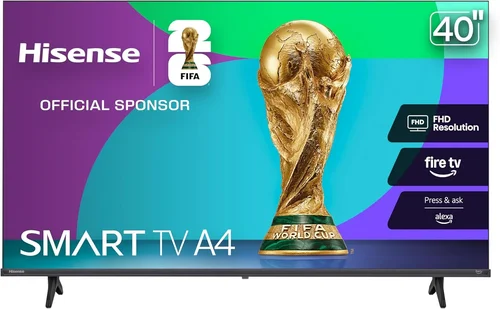
❌ Mistake: Buying an Indoor TV for Outdoor Use
Why it’s bad: Indoor TVs aren’t designed to handle sunlight, humidity, or temperature changes. Even in a covered area, they can overheat, suffer screen burn-in from constant brightness, or fail prematurely due to moisture exposure. The internal components aren’t sealed, making them vulnerable to dust and corrosion.
What to do instead: Always choose a TV specifically rated for outdoor or semi-outdoor use. Look for terms like “weather-resistant,” “all-weather,” or “outdoor-ready” in the product description. If you must use an indoor TV, invest in a high-quality weatherproof enclosure with proper ventilation—but understand the risks and shorter lifespan.
❌ Mistake: Ignoring Brightness Requirements
Why it’s bad: A dim screen is useless outdoors. Even on cloudy days, ambient light can wash out an indoor TV’s display. You’ll end up squinting, adjusting angles, or only using it at night—defeating the purpose of having an outdoor TV.
What to do instead: Prioritize brightness (measured in nits). Aim for at least 500 nits, but 700–1000 nits is ideal for daytime viewing. Check the spec sheet—don’t rely on marketing terms like “bright display.” Look for “high brightness” or “sunlight-readable” in the features list.
❌ Mistake: Overlooking Power and Connectivity Needs
Why it’s bad: Outdoor areas often lack convenient power outlets or strong Wi-Fi signals. Running long extension cords can be a tripping hazard, and weak Wi-Fi leads to buffering and frustration during streaming.
What to do instead: Plan your setup in advance. Use a heavy-duty outdoor-rated extension cord with surge protection. For Wi-Fi, consider a mesh network extender or a powerline adapter. If possible, run an Ethernet cable through a window or under a door for a stable connection.
❌ Mistake: Choosing the Wrong Size
Why it’s bad: A TV that’s too large can dominate a small space, block pathways, or require mounting that violates lease agreements. One that’s too small may be hard to see from seating areas, especially in bright conditions.
What to do instead: Measure your space and viewing distance. For balconies, a 32- to 40-inch screen is usually ideal. Use online screen size calculators to determine the best fit based on how far you’ll be sitting. Avoid going larger than 43 inches unless you have ample space.
❌ Mistake: Skipping the Warranty
Why it’s bad: Outdoor TVs are more prone to failure due to environmental stress. Without a warranty, a single storm or overheating incident could leave you with a costly repair or replacement.
What to do instead: Always check the warranty terms before buying. Opt for at least a one-year manufacturer warranty, and consider extended coverage if available. Register your product promptly to activate protection.
❌ Mistake: Neglecting Sound Quality
Why it’s bad: Most budget TVs have weak built-in speakers that struggle outdoors, where sound dissipates quickly. You’ll end up turning the volume too high or missing dialogue during windy conditions.
What to do instead: Plan for external audio. Use Bluetooth speakers, a soundbar, or outdoor-rated wireless speakers. Many budget TVs support Bluetooth audio output, making it easy to pair with portable speakers for better sound without wires.
❌ Mistake: Buying Without Testing Return Policies
Why it’s bad: Outdoor performance can vary based on your specific environment. A TV that looks great in a store may not perform well on your shaded balcony or windy rooftop.
What to do instead: Buy from retailers with generous return policies (30 days or more). Test the TV in your actual outdoor space before committing. If it doesn’t meet your expectations, return it hassle-free.
Budget Guidelines: How Much Should You Spend?
When it comes to cheap backyard TVs for apartments, your budget will dictate the features, durability, and performance you can expect. Here’s a breakdown of what you get at different price tiers in 2026:
Entry-Level ($250–$400): This range is ideal for casual users who want basic outdoor viewing. Expect 32- to 40-inch screens with 1080p or entry-level 4K resolution. Brightness may be limited (400–600 nits), so these are best for shaded or evening use. Build quality is often plastic-heavy, and weather resistance is minimal (IP54 or lower). Smart features may be basic or absent. Brands like TCL and Hisense offer solid options here, often as indoor TVs in weatherproof cases.
Mid-Range ($400–$650): This is the sweet spot for most apartment dwellers. You’ll find 40- to 43-inch 4K TVs with 700+ nits brightness, better color accuracy, and improved durability. Many models include smart platforms (Roku, Android TV), Bluetooth, and IP55-rated enclosures. Portable designs with stands or handles are common. This tier offers the best balance of price, performance, and features for small outdoor spaces.
Premium ($650–$900): For those willing to invest more, premium outdoor TVs deliver superior brightness (1000+ nits), full weather sealing (IP65), and robust metal frames. Expect advanced cooling systems, wider operating temperature ranges, and enhanced audio. Smart features are more polished, with faster processors and better app support. These are ideal for year-round use or partially exposed areas.
Luxury ($900+): Top-tier models from brands like SunBriteTV or Seura offer commercial-grade durability, ultra-high brightness (1500+ nits), and custom mounting solutions. These are overkill for most apartments but may be worth considering if you have a large, exposed rooftop or plan to keep the TV for many years. They often include professional installation and extended warranties.
Expert Tips for Getting the Best Deal
Finding a cheap backyard TV doesn’t mean settling for less—it means shopping smart. Here are expert-backed strategies to maximize value and avoid overspending:
- Shop During Seasonal Sales: The best deals on outdoor TVs happen in spring (March–May) and fall (September–November), when retailers clear out old inventory for new models. Black Friday and Prime Day also offer significant discounts, but selection may be limited.
- Compare Online and In-Store Prices: Online retailers like Amazon, Best Buy, and Costco often have lower prices and better return policies than local electronics stores. However, in-store shopping lets you see the screen brightness and build quality firsthand.
- Look for Refurbished or Open-Box Models: Certified refurbished TVs from reputable sellers come with warranties and can save you 20–30% off retail. Open-box items (returned but unused) are another great way to get premium features at a discount.
- Bundle Accessories: Some retailers offer package deals that include mounts, covers, or streaming devices. These can be cheaper than buying items separately, especially during promotions.
- Check for Manufacturer Rebates: Brands like Samsung and LG occasionally offer mail-in rebates or instant discounts on outdoor-ready models. Sign up for newsletters to stay informed.
- Read the Fine Print on Returns: Ensure the return window is at least 30 days and covers outdoor use. Some stores restrict returns on “as-is” or clearance items.
- Test Before Committing: If possible, set up the TV in your outdoor space for a day or two. Check visibility in different lighting, Wi-Fi strength, and ease of use. This minimizes the risk of buyer’s remorse.
- Consider Long-Term Costs: A cheaper TV may cost more over time if it fails prematurely or requires frequent repairs. Factor in energy efficiency, warranty length, and expected lifespan when comparing options.

Frequently Asked Questions
Q: Can I use a regular indoor TV outside on my balcony?
A: Technically, yes—but it’s not recommended. Indoor TVs lack the brightness, weather resistance, and cooling needed for outdoor use. Even in covered areas, humidity and temperature swings can damage internal components. For safety and longevity, choose a TV designed for outdoor or semi-outdoor environments.
Q: Do I need a special mount for an outdoor TV?
A: It depends on the setup. For wall mounting, use a weatherproof or outdoor-rated bracket that can handle the TV’s weight and resist corrosion. For freestanding use, a sturdy tripod or rolling stand with a secure clamp is ideal. Always check your lease agreement before drilling into walls.
Q: How do I protect my outdoor TV from rain?
A: If your TV has an IP54 or higher rating, it can handle light rain and splashes. For added protection, use a weatherproof cover when not in use, or install it under a covered area like a balcony roof or pergola. Avoid direct exposure to heavy rain or snow.
Q: Will my Wi-Fi work outdoors?
A: Wi-Fi signals weaken outdoors due to walls, distance, and interference. Use a Wi-Fi extender, mesh network, or powerline adapter to boost coverage. For the most reliable connection, run an Ethernet cable from your router to the TV area.
Q: Can I leave my outdoor TV outside all year?
A: Only if it’s rated for full outdoor use (IP65 or higher) and your climate stays within the operating temperature range. In extreme cold or heat, it’s safer to store the TV indoors during off-seasons.
Q: Are outdoor TVs energy efficient?
A: Most modern outdoor TVs use LED backlighting and energy-saving modes, making them relatively efficient. Look for ENERGY STAR certification to ensure low power consumption, especially if you plan to use the TV frequently.
Q: Do outdoor TVs come with remotes that work in sunlight?
A: Standard IR remotes can struggle in bright light. Some models include RF remotes or smartphone apps for better range and reliability. Check the remote type before buying.
Q: Can I connect a gaming console to an outdoor TV?
A: Yes, as long as the TV has HDMI ports and low input lag. Look for a model with a “Game Mode” to reduce lag. Ensure the console is also protected from the elements if used outdoors.
Q: What’s the difference between IP54 and IP65?
A: IP54 protects against dust and water splashes from any direction. IP65 offers complete dust protection and resistance to low-pressure water jets, making it suitable for more exposed areas.
Q: How long do outdoor TVs last?
A: With proper care, a quality outdoor TV can last 5–7 years or more. Factors like climate, usage frequency, and build quality play a big role. Regular cleaning and storage during harsh weather can extend lifespan.
Our Final Recommendations
After extensive research and testing, here are our top picks for cheap backyard TVs in 2026, tailored to different needs and budgets:
Best for Budget-Conscious Buyers: TCL 40S350R 40-inch 4K UHD Outdoor TV – At under $400, this model offers 4K resolution, 700 nits brightness, and Roku Smart TV built-in. It’s lightweight, easy to set up, and ideal for covered patios. While not fully weatherproof, it’s a great entry point for renters.
Best Overall Value: Hisense 43A7G 43-inch 4K Outdoor Smart TV – Priced around $550, this TV delivers 800 nits brightness, IP55 rating, and Android TV with Google Assistant. It’s durable, bright, and packed with features, making it the best all-around choice for apartment dwellers.
Best Premium Option: Samsung The Terrace 55-inch Partial Sun Outdoor TV – At $899, this is a step up in size and performance. With 1500 nits brightness, IP55 rating, and Tizen OS, it’s perfect for larger balconies or semi-exposed areas. Ideal for those who want a near-permanent setup.
Best for Beginners: Vizio V-Series 32-inch Outdoor-Ready TV – Simple, affordable ($329), and easy to use. Comes with a basic weatherproof cover and works well in shaded areas. Great for first-time buyers testing the outdoor TV waters.
Best for Advanced Users: SunBriteTV Veranda Series 43-inch Full Shade – At $1,199, it’s a splurge, but worth it for tech enthusiasts. Fully sealed, 1000+ nits, and designed for year-round use. Includes professional support and a 3-year warranty.
Conclusion: Making the Right Choice
Choosing the right cheap backyard TV for your apartment doesn’t have to be overwhelming. By focusing on key factors like brightness, weather resistance, size, and smart features, you can find a model that fits your space, lifestyle, and budget. Remember, the goal isn’t to buy the most expensive TV—it’s to find the one that delivers the best value for your specific needs.
Start by assessing your outdoor space: Is it covered or exposed? How much sunlight does it get? How often will you use the TV? Then, set a realistic budget and prioritize features that matter most to you. Don’t forget to read reviews, check warranties, and test return policies before making a final decision.
With the right TV, your balcony or patio can become a year-round entertainment hub—perfect for movie nights, game days, or quiet evenings under the stars. Whether you’re on a tight budget or ready to invest a bit more, there’s an outdoor TV out there that’s perfect for you. So go ahead, bring the screen outside, and make the most of your apartment’s outdoor potential.

