
If you’re dreaming of movie nights under the stars, catching the big game with friends on your covered patio, or simply unwinding with your favorite show while enjoying the fresh air, a patio TV might be exactly what you need. But here’s the million-dollar question: Can you actually use a regular TV outdoors—even under a covered patio? The short answer is: sometimes, but not always. And that’s where this comprehensive buying guide comes in.
Outdoor living spaces have evolved dramatically over the past decade. What used to be just a backyard with a grill and some lawn chairs has transformed into fully functional outdoor rooms—complete with kitchens, fire pits, sound systems, and yes, televisions. As more homeowners invest in their outdoor lifestyles, the demand for weather-resistant, high-performance TVs designed for covered patios has surged. But not all TVs are created equal when it comes to outdoor use. Many people assume that because their patio is covered, they can safely install any indoor TV. Unfortunately, that assumption can lead to costly mistakes—foggy screens, overheating, corrosion, or even complete failure within months.
This guide is designed to cut through the confusion and help you make an informed decision. Whether you’re building a new outdoor entertainment zone or upgrading your current setup, we’ll walk you through everything you need to know about choosing the right TV for your covered patio. You’ll learn how to evaluate key factors like weather resistance, brightness, durability, and smart features. We’ll compare different types of outdoor TVs, highlight common pitfalls to avoid, and provide expert-backed recommendations based on real-world performance and user feedback. By the end, you’ll have the confidence to choose a TV that delivers stunning picture quality, stands up to the elements, and enhances your outdoor living experience for years to come.
—

What to Look for When Buying Buying Guide
1. Weather Resistance & IP Rating
One of the most critical factors when selecting a TV for a covered patio is its ability to withstand environmental elements—even if it’s shielded from direct rain. Humidity, temperature swings, dust, and insects can all wreak havoc on standard indoor TVs. That’s why you need to pay close attention to the TV’s Ingress Protection (IP) rating. This two-digit code tells you how well the device resists solids (like dust) and liquids (like moisture).
For covered patios, look for a minimum IP54 rating—this means the TV is protected against splashing water and limited dust ingress. However, if your patio is partially exposed or located in a humid climate (think Florida, Louisiana, or coastal areas), aim for IP55 or higher. Some premium outdoor TVs boast IP65 ratings, which offer full protection against dust and low-pressure water jets—ideal for semi-exposed spaces.
Keep in mind that “weather-resistant” doesn’t mean “weatherproof.” Even with a high IP rating, your TV should still be installed under proper cover—away from direct sunlight, heavy wind-driven rain, and standing water. Also, ensure the mounting hardware and cables are rated for outdoor use. Using indoor-grade components can compromise the entire system’s integrity.
2. Brightness & Anti-Glare Performance
Indoor TVs typically operate at brightness levels between 300 and 500 nits—perfect for dimly lit living rooms but woefully inadequate for outdoor viewing. On a sunny day, even under a covered patio, ambient light can wash out the screen, making colors look dull and details hard to discern. This is why outdoor TVs must deliver significantly higher brightness.
For covered patios, aim for a minimum of 700 nits, but ideally 1,000 nits or more. High-brightness displays use advanced backlighting (often LED or QLED) and anti-reflective coatings to maintain visibility in bright conditions. Some models even feature automatic brightness sensors that adjust based on ambient light levels—a handy feature if your patio gets varying amounts of sun throughout the day.
Additionally, consider the screen’s reflectivity. Glossy screens may look sharp indoors but become mirrors outdoors. Look for TVs with matte or anti-glare finishes. These reduce reflections without sacrificing color accuracy or contrast. OLED screens, while stunning indoors, often struggle with glare outdoors due to their inherently reflective surfaces—so they’re generally not recommended unless specifically engineered for outdoor use (like certain LG OLED EX models with enhanced brightness).
Real-world example: If you plan to watch daytime sports or host afternoon barbecues with the TV on, a 1,000-nit display will keep the action clear and vibrant. But if your viewing is mostly evening-based, you might get away with 700–800 nits—just ensure it has good local dimming and HDR support to preserve depth in shadows.
3. Build Quality & Durational Design
Outdoor environments are harsh. Temperature fluctuations, humidity, and exposure to UV rays can degrade materials over time. A TV built for indoor use simply isn’t engineered to handle these stresses. That’s why build quality is non-negotiable for patio installations.
Start with the chassis. Look for TVs made with powder-coated aluminum or stainless steel—materials that resist rust and corrosion. Avoid plastic-heavy designs, as they can warp or become brittle under extreme heat or cold. Internal components should also be sealed to prevent moisture buildup, which can cause short circuits or fogging behind the screen.
Thermal management is another key consideration. Indoor TVs rely on passive cooling and assume stable room temperatures. Outdoor TVs, however, need active ventilation or heat-dissipating designs to prevent overheating during summer months. Some models include internal fans or heat sinks, while others use passive airflow systems. Either way, ensure there’s adequate space around the TV for air circulation—don’t mount it flush against a wall or inside a sealed cabinet.
Also, check the warranty. Reputable outdoor TV manufacturers often offer longer warranties (3–5 years) because they stand behind their durability claims. If a brand only offers a standard 1-year warranty, it’s a red flag that the unit may not be truly built for long-term outdoor use.
4. Smart Features & Connectivity
Just because your TV is outdoors doesn’t mean it should lack modern conveniences. Today’s best patio TVs come packed with smart platforms like Android TV, webOS, or Roku, allowing you to stream Netflix, YouTube, Disney+, and more without needing an external device.
Look for Wi-Fi 6 or dual-band Wi-Fi support to ensure smooth streaming, especially if your patio is far from your router. Ethernet ports are also valuable for hardwired connections—more reliable than wireless in outdoor settings where signal interference can occur.
HDMI ports are essential for connecting gaming consoles, soundbars, or streaming sticks. Aim for at least three HDMI 2.1 ports to future-proof your setup. USB ports allow for media playback or firmware updates, while Bluetooth enables wireless audio to outdoor speakers.
Voice control via Google Assistant or Alexa is a nice bonus, letting you change channels or adjust volume without fumbling for a remote. Some high-end models even include built-in microphones for hands-free operation—though you may want to disable this feature if privacy is a concern.
Finally, consider remote control design. Standard remotes can get lost or damaged outdoors. Look for models with backlit buttons, rubberized grips, or even smartphone app control. Some brands offer weather-resistant remotes specifically designed for outdoor use.
5. Size & Viewing Distance
Choosing the right screen size isn’t just about aesthetics—it’s about optimal viewing comfort. Too small, and you’ll strain your eyes; too large, and you’ll feel overwhelmed or lose detail.
A good rule of thumb: multiply your viewing distance (in inches) by 0.84 to get the ideal screen diagonal in inches. For example, if you’ll be sitting 10 feet (120 inches) away, a 100-inch screen (120 × 0.84 ≈ 101) would be perfect. However, for covered patios, you might sit closer due to space constraints—so adjust accordingly.
Common sizes for outdoor use range from 43 inches (for small decks or intimate seating areas) to 75+ inches (for large patios with sectional seating). Ultra-wide or curved screens are generally not recommended outdoors due to glare and limited viewing angles.
Also, consider the TV’s depth and weight. Outdoor mounts must support the TV securely, especially in windy areas. A heavier, bulkier TV may require a reinforced wall or ceiling mount. Measure your space carefully before purchasing—and don’t forget to account for cable management and ventilation gaps.
6. Audio Quality & Sound Solutions
Most TVs—even high-end ones—have underwhelming built-in speakers. This is especially true outdoors, where sound dissipates quickly and background noise (wind, traffic, birds) can drown out dialogue.
While some outdoor TVs include enhanced audio systems (like Dolby Atmos or upward-firing speakers), they’re rarely sufficient on their own. Plan to pair your TV with external speakers. Options include weather-resistant soundbars, wireless outdoor speaker systems (like Sonos Move or Bose SoundLink), or in-ground landscape speakers.
If you go the soundbar route, ensure it’s rated for outdoor use and has a robust wireless connection (Bluetooth 5.0 or higher). For larger spaces, consider a multi-zone audio system that lets you control volume independently in different areas of your patio.
Another option: use a TV with optical or HDMI ARC output to connect to a separate AV receiver and amplifier setup. This gives you full control over sound quality and allows for surround sound configurations—though it adds complexity and cost.
Remember: audio is half the experience. Don’t skimp on sound just because the picture looks great.
7. Brand Reputation & Specialization
Not all TV brands are equal when it comes to outdoor performance. While Samsung, LG, and Sony dominate the indoor market, they offer limited outdoor-specific models. Instead, look for brands that specialize in outdoor AV solutions.
Companies like SunBriteTV, Seura, and Peerless-AV have spent years engineering TVs specifically for outdoor environments. Their products undergo rigorous testing for temperature extremes, humidity, and UV exposure. They also offer tailored mounting solutions, weatherproof enclosures, and customer support familiar with outdoor installations.
That said, some mainstream brands have begun offering “outdoor editions” of their popular models—such as the Samsung The Terrace or LG OLED GX Outdoor. These can be excellent choices if you prefer a familiar interface and ecosystem, but verify that they meet the same durability standards as dedicated outdoor brands.
Check professional reviews from outlets like CNET, Wirecutter, or Outdoor Home Theater blogs. User forums (like AVS Forum or Reddit’s r/outdoortheater) are also goldmines for real-world feedback on longevity and performance.
8. Warranty & Support
A strong warranty is your safety net against manufacturing defects, environmental damage, and premature failure. Standard indoor TVs typically come with 1-year limited warranties that exclude outdoor use. Using one outdoors often voids the warranty entirely.
Outdoor-specific TVs, however, usually include extended coverage—often 3 to 5 years—and explicitly cover outdoor installation. Some brands even offer on-site service or expedited replacement programs.
Before buying, read the fine print. Does the warranty cover corrosion? What about power surges from lightning? Is accidental damage included? Also, check if the manufacturer provides installation guides, technical support, or certified installer networks.
Pro tip: Register your product immediately after purchase. Many warranties require registration within 30 days to be valid.
—
Different Types of Buying Guide

—
Common Buying Mistakes to Avoid
❌ Mistake: Assuming “Covered” Means “Safe for Any TV”
Why it’s bad: Even under a roof, patios experience humidity, temperature swings, and indirect moisture. Indoor TVs lack sealing, corrosion protection, and thermal management—leading to premature failure.
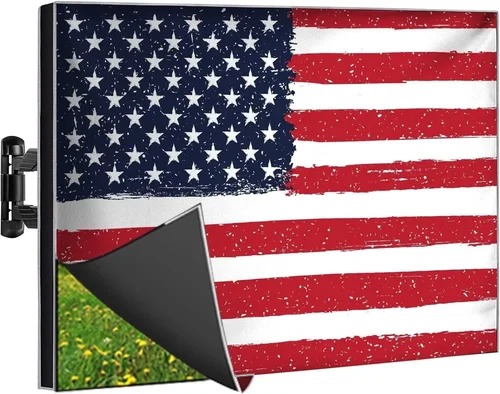
What to do instead: Invest in a TV with at least an IP54 rating and outdoor-rated components. If using an indoor TV, house it in a certified weatherproof enclosure with proper ventilation.
❌ Mistake: Ignoring Brightness Requirements
Why it’s bad: A dim screen turns your patio into a blurry, unwatchable mess on sunny days. You’ll constantly adjust seating or draw curtains, defeating the purpose of outdoor viewing.
What to do instead: Choose a TV with minimum 700 nits—preferably 1,000+ nits—and an anti-glare screen. Test brightness in your actual patio conditions if possible.
❌ Mistake: Overlooking Audio Needs
Why it’s bad: Built-in TV speakers are quiet and tinny outdoors. You’ll miss dialogue during windy evenings or when guests are talking nearby.
What to do instead: Budget for outdoor speakers or a weather-resistant soundbar. Wireless options simplify installation and reduce cable clutter.
❌ Mistake: Skimping on Mounting Hardware
Why it’s bad: Indoor mounts aren’t designed for outdoor stress. Wind, vibration, and weight can cause loosening or collapse—posing safety risks.
What to do instead: Use marine-grade or outdoor-specific mounts rated for your TV’s weight and size. Anchor securely to structural beams, not siding or drywall.
❌ Mistake: Neglecting Power Protection
Why it’s bad: Outdoor electrical systems are prone to surges from lightning or grid fluctuations. Without protection, your TV can fry in an instant.
What to do instead: Install a whole-house surge protector and use a high-quality outdoor power strip with MOV technology. Consider a UPS for critical setups.
❌ Mistake: Buying Based Solely on Price
Why it’s bad: Cheap “outdoor” TVs often cut corners on materials, brightness, or sealing. You’ll replace them in 1–2 years, costing more long-term.
What to do instead: Prioritize durability and performance over upfront savings. Mid-range outdoor TVs ($1,500–$3,000) offer the best balance of quality and value.
❌ Mistake: Forgetting About Maintenance
Why it’s bad: Dust, pollen, and bird droppings accumulate on screens and vents. Neglecting cleaning can degrade performance and invite pests.
What to do instead: Wipe the screen weekly with a microfiber cloth and mild cleaner. Inspect seals and vents monthly. Cover the TV during off-seasons if possible.
—
Budget Guidelines: How Much Should You Spend?
Entry-Level ($800 – $1,500): This tier includes basic indoor TVs paired with third-party weatherproof enclosures or budget semi-outdoor models. Expect 43–55 inch screens, 700–800 nits brightness, and limited smart features. Best for small, fully covered patios with minimal sun exposure. Brands like Vizio or TCL in enclosures can work here—but monitor for condensation.
Mid-Range ($1,500 – $3,500): The sweet spot for most homeowners. These are purpose-built covered patio TVs with IP54–IP55 ratings, 1,000-nit brightness, robust builds, and full smart platforms. Models like the SunBriteTV Veranda Series or Samsung The Terrace (55″) deliver excellent performance without breaking the bank. Ideal for medium to large covered spaces.
Premium ($3,500 – $6,000): For enthusiasts who want top-tier picture quality and durability. Think OLED outdoor TVs (like LG’s GX Outdoor), ultra-bright QLEDs, or commercial-grade displays with 1,500+ nits. These often include advanced cooling, premium audio, and extended warranties. Perfect for luxury patios or hybrid indoor/outdoor rooms.
Luxury ($6,000+): Reserved for large-scale installations—think backyard cinemas, resort-style patios, or smart home integrations. These systems may include custom mounting, motorized lifts, integrated lighting, and 24/7 operation capabilities. Expect bespoke designs and professional installation requirements.
—
Expert Tips for Getting the Best Deal
- Shop during off-seasons: Outdoor TV sales peak in spring and summer. Buy in late fall or winter (November–February) for discounts of 15–30% as retailers clear inventory.
- Compare bundled packages: Many brands offer TV + mount + speaker bundles. These can save $200–$500 versus buying separately.
- Check manufacturer refurbished programs: SunBriteTV and Seura sell certified refurbished units at 20–40% off with full warranties.
- Use price-tracking tools: Set alerts on Google Shopping, CamelCamelCamel (for Amazon), or Slickdeals to catch flash sales.
- Negotiate with local AV installers: Some offer discounted TV pricing when you hire them for installation. They may also have access to dealer-only models.
- Verify return policies: Ensure you can return the TV if it doesn’t perform well in your specific environment. Outdoor conditions vary widely by region.
- Test before permanent install: If possible, rent or borrow a similar model for a weekend to evaluate brightness, sound, and usability in your space.
- Consider financing: Many retailers offer 0% APR financing for 12–24 months—great for spreading out costs without interest.
—

Frequently Asked Questions
Q: Can I use a regular indoor TV on my covered patio?
A: Technically yes, but it’s not recommended long-term. Indoor TVs lack weather sealing, corrosion resistance, and thermal management. In humid or variable climates, they may fail within 6–18 months. If you must use one, house it in a certified outdoor enclosure with proper ventilation and power protection.
Q: What’s the difference between IP54 and IP65?
A: IP54 protects against splashing water and limited dust. IP65 offers complete dust protection and resistance to low-pressure water jets—making it suitable for more exposed areas. For covered patios, IP54 is usually sufficient unless you’re in a rainy or coastal region.
Q: Do outdoor TVs consume more power?
A: Yes, due to higher brightness and active cooling. Expect 20–50% higher energy use than comparable indoor models. Look for ENERGY STAR-certified outdoor TVs to minimize impact.
Q: Can I mount an outdoor TV on a ceiling or under a pergola?
A: Absolutely—as long as the mount is rated for outdoor use and the structure can support the weight. Ceiling mounts are great for pergolas; ensure there’s clearance for ventilation and cable routing.
Q: Will my Wi-Fi reach the patio?
A: It depends on distance and obstacles. Use a Wi-Fi extender or mesh system (like Eero or Netgear Orbi) to boost signal. For best results, run an Ethernet cable through the wall or use a powerline adapter.
Q: Are outdoor TVs compatible with streaming devices?
A: Yes! Most have multiple HDMI ports for Fire Stick, Roku, Apple TV, or gaming consoles. Just ensure the device is also protected from moisture if placed near the TV.
Q: How do I clean an outdoor TV screen?
A: Use a soft, dry microfiber cloth for daily dusting. For smudges, lightly dampen the cloth with water or a 50/50 mix of water and white vinegar. Never spray liquid directly on the screen.
Q: Can I leave my outdoor TV on during rain?
A: Only if it’s rated for full exposure (IP65+) and installed correctly. Even then, prolonged heavy rain or hail can cause damage. Use a cover or retractable awning for extra protection.
Q: Do outdoor TVs come with warranties that cover weather damage?
A: Reputable brands do—but read the fine print. Many exclude acts of nature (like hurricanes). Purchase additional coverage if you live in a high-risk area.
Q: What size TV is best for a 12×16 foot patio?
A: With typical seating 8–10 feet away, a 65–75 inch TV is ideal. Go larger if you have a dedicated viewing zone farther back.
—
Our Final Recommendations
Best for Budget-Conscious Buyers: Vizio M-Series Quantum (55″) in a Peerless-AV Outdoor Enclosure – Around $1,200 total. Great picture quality, decent brightness, and proven enclosure reliability. Ideal for fully covered, low-humidity patios.
Best Overall Value: SunBriteTV Veranda Series (65″) – Priced around $2,800. IP55 rating, 1,000 nits, Android TV, and excellent build quality. A proven performer in real-world conditions.
Best Premium Option: LG OLED GX Outdoor (65″) – Approximately $5,500. Stunning OLED contrast, 1,200 nits, Dolby Vision, and sleek design. Perfect for those who refuse to compromise on picture quality.
Best for Beginners: Samsung The Terrace (55″ Full Sun) – About $3,200. User-friendly Tizen OS, robust outdoor engineering, and strong brand support. Great first outdoor TV.
Best for Advanced Users: Seura Shadow Series (75″) – $6,500+. Ultra-bright (1,500 nits), motorized tilt option, and commercial-grade durability. Built for tech-savvy homeowners who want a seamless outdoor theater experience.
—
Conclusion: Making the Right Choice
Choosing the right TV for your covered patio isn’t just about picking the biggest or brightest screen—it’s about matching your specific environment, usage habits, and budget to a product engineered to thrive outdoors. From weather resistance and brightness to smart features and audio quality, every detail matters when you’re bringing the living room outside.
Remember: a covered patio still presents unique challenges that indoor TVs aren’t designed to handle. Investing in a purpose-built outdoor TV—or properly protecting an indoor one—will save you money, frustration, and disappointment down the line. Use this guide to evaluate your needs, avoid common pitfalls, and select a model that delivers reliable performance season after season.
Whether you’re hosting summer barbecues, watching fall football, or enjoying quiet evenings under string lights, the right patio TV can transform your outdoor space into a true extension of your home. So take your time, do your research, and choose wisely. Your future self—and your guests—will thank you.

