
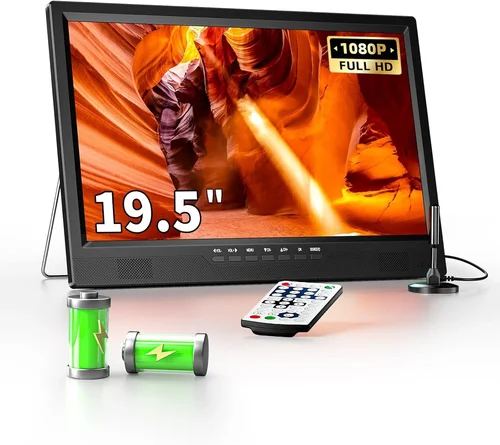
Outdoor living spaces have evolved far beyond simple patios and barbecue pits. Today’s decks are fully integrated entertainment zones—complete with grills, fire pits, sound systems, and yes, high-definition outdoor TVs. Whether you’re hosting a summer movie night under the stars, catching the big game while grilling, or simply unwinding with your favorite show after a long day, an outdoor TV can transform your deck into a true extension of your home theater experience. But before you rush out to buy one, it’s crucial to understand what makes an outdoor TV different from its indoor counterpart—and why using a standard indoor TV outside is a recipe for disaster.
This comprehensive buying guide is designed to help you navigate the rapidly growing world of outdoor televisions in 2026. We’ll walk you through every critical factor you need to consider—from weather resistance and brightness levels to smart features and installation requirements. You’ll learn how to avoid common pitfalls, choose the right model for your space and budget, and get the most value from your investment. Whether you’re a first-time buyer or upgrading from an older outdoor display, this guide arms you with expert insights, real-world advice, and actionable tips to make a confident, informed decision.
The market for outdoor TVs has exploded in recent years, driven by advances in display technology, increased demand for outdoor living, and more homeowners treating their decks as functional living rooms. Major brands like Samsung, Sony, LG, and specialized manufacturers such as Seura, SunBriteTV, and Peerless have all stepped up their game, offering models that combine rugged durability with stunning picture quality. However, not all outdoor TVs are created equal—and choosing the wrong one could mean poor visibility in sunlight, premature failure due to moisture, or compatibility issues with your existing setup. By the end of this guide, you’ll know exactly what to look for, how much to spend, and which models deliver the best performance for deck-based entertainment.

What to Look for When Buying Buying Guide
1. Weather Resistance & IP Rating
One of the most critical factors when selecting an outdoor TV is its ability to withstand the elements. Unlike indoor TVs, outdoor models must endure rain, snow, humidity, dust, and extreme temperatures—sometimes all in the same day. This is where the Ingress Protection (IP) rating comes into play. The IP rating consists of two numbers: the first indicates protection against solid particles (like dust), and the second refers to liquid ingress (like rain or splashes). For deck use, look for a minimum IP55 rating—this means the TV is dust-protected and can handle low-pressure water jets from any direction. However, if your deck is fully exposed or located in a region with heavy rainfall or snow, consider models with IP65 or higher for added peace of mind.
Beyond the IP rating, examine the TV’s construction materials. High-quality outdoor TVs use powder-coated aluminum or stainless steel chassis to resist corrosion. Internal components are often sealed or coated to prevent moisture damage, and vents may include hydrophobic filters to allow airflow without letting water in. Some premium models even feature heated screens to prevent condensation buildup in cold or humid climates. Always check the manufacturer’s specifications for operating temperature ranges—most outdoor TVs function reliably between -22°F and 122°F (-30°C to 50°C), but cheaper models may struggle at temperature extremes.
2. Brightness & Anti-Glare Performance
Sunlight is the enemy of screen visibility, and no amount of resolution or color accuracy matters if you can’t see the picture. Indoor TVs typically peak at 300–500 nits of brightness—fine for dim living rooms but useless on a sunny deck. Outdoor TVs, by contrast, are engineered for high ambient light conditions. Look for models with a minimum brightness of 700 nits, though 1,000 nits or more is ideal for decks with direct sun exposure. Many top-tier outdoor TVs now offer 1,500 to 2,000 nits, rivaling commercial digital signage.
Equally important is anti-glare technology. Even with high brightness, reflections from windows, water features, or glossy deck surfaces can wash out the image. Quality outdoor TVs use optically bonded glass with anti-reflective coatings that minimize glare without distorting colors. Some models also feature adaptive brightness sensors that automatically adjust screen luminance based on ambient light levels—ensuring optimal visibility whether it’s noon on a cloudless day or twilight during a backyard barbecue. Avoid TVs with matte finishes that sacrifice color vibrancy; instead, opt for those that balance glare reduction with rich, accurate hues.
3. Display Technology & Picture Quality
While brightness and durability are paramount outdoors, don’t overlook core display performance. Most outdoor TVs in 2026 use either QLED or OLED panels, each with distinct advantages. QLED (Quantum Dot LED) TVs excel in bright environments thanks to their high peak brightness and wide color gamut—making them ideal for sunny decks. They’re also more resistant to burn-in and generally more affordable than OLEDs. OLED TVs, on the other hand, deliver superior contrast ratios, deeper blacks, and wider viewing angles, which can enhance the experience during evening viewing or in shaded areas.
Resolution is another key consideration. While 4K UHD remains the standard, some premium models now offer 8K resolution—though its benefits are minimal unless you’re sitting very close to a large screen. For most deck setups, a 55-inch to 75-inch 4K TV provides an excellent balance of size, clarity, and cost. HDR support (HDR10, Dolby Vision, or HLG) is highly recommended, as it enhances dynamic range and color depth, especially during daytime viewing. Also, check refresh rates: 60Hz is acceptable for casual watching, but 120Hz or higher is better for sports and fast-action content.
4. Smart Features & Connectivity
Modern outdoor TVs aren’t just durable displays—they’re full-fledged smart platforms. Most come with built-in Wi-Fi, Bluetooth, and popular streaming apps like Netflix, YouTube, Disney+, and Amazon Prime Video. Look for models running established operating systems such as Google TV, webOS (LG), or Tizen (Samsung), which offer intuitive interfaces, voice control via Google Assistant or Alexa, and regular software updates. Some brands also include proprietary apps tailored for outdoor use, like weather-resistant remote controls or integrated soundbar compatibility.
Connectivity options are equally vital. Ensure the TV has multiple HDMI ports (preferably HDMI 2.1 for future-proofing), USB inputs, and audio outputs for external speakers or soundbars. If you plan to connect a streaming device (like an Apple TV or Roku), verify compatibility and port availability. For wired setups, consider models with weatherproof cable management systems or rear-access panels that keep connections dry and organized. Wireless screen mirroring (via Miracast or AirPlay 2) is a nice bonus for sharing content from phones or tablets without fumbling with cables.
5. Audio Quality & Sound Solutions
Outdoor environments are inherently noisy—wind, birds, traffic, and conversation can easily drown out built-in TV speakers. Most outdoor TVs include basic stereo speakers, but they’re rarely sufficient for immersive audio. If you’re serious about deck entertainment, plan to pair your TV with external audio. Many models support optical audio output, Bluetooth pairing, or HDMI ARC (Audio Return Channel) for connecting to weather-resistant soundbars or wireless outdoor speaker systems.
Some premium outdoor TVs integrate high-fidelity speakers designed specifically for open-air acoustics, offering wider dispersion and deeper bass response. However, even these may fall short in large or acoustically challenging spaces. Consider investing in a dedicated outdoor audio system—such as rock speakers, in-ground subwoofers, or weatherproof ceiling-mounted units—that complements your TV setup. Always test audio performance during daylight hours when ambient noise is highest.
6. Mounting & Installation Requirements
Proper mounting is essential for both safety and performance. Outdoor TVs are heavier than indoor models due to reinforced casings and additional components, so standard wall mounts won’t suffice. You’ll need a heavy-duty, weatherproof mount rated for outdoor use—typically made from galvanized steel or aluminum with rust-resistant coatings. Tilt and swivel functionality is useful for adjusting the viewing angle based on seating layout and sun position.
Installation location matters too. Avoid placing the TV directly under eaves or overhangs where dripping water could accumulate. Ideally, mount it under a covered pergola, awning, or roof extension that provides shade and shelter. Ensure there’s adequate ventilation around the unit to prevent overheating, and keep cables routed through sealed conduits. Professional installation is strongly recommended, especially for permanent setups, as improper mounting can void warranties or create safety hazards.
7. Brand Reputation & Ecosystem Compatibility
Not all outdoor TV brands are equal. Established consumer electronics giants like Samsung and LG offer strong reliability, extensive service networks, and seamless integration with smart home ecosystems. However, specialized manufacturers like SunBriteTV (a subsidiary of Peerless-AV) and Seura have decades of experience designing TVs exclusively for outdoor use—often resulting in superior weatherproofing and brightness optimization.
Consider how the TV fits into your broader tech ecosystem. If you already use Samsung SmartThings or Apple HomeKit, choosing a compatible outdoor TV simplifies control and automation. Likewise, if you own other outdoor AV equipment (like a Sonos outdoor system), ensure interoperability. Reading user reviews on trusted platforms like Crutchfield, Best Buy, or specialized forums can reveal real-world performance insights that specs alone don’t show.
8. Warranty & Long-Term Support
Outdoor TVs represent a significant investment, so robust warranty coverage is non-negotiable. Most reputable brands offer 2–3 years of limited warranty, but some premium models include 5-year coverage or even lifetime support for critical components. Pay attention to what’s covered: does the warranty include labor for repairs? Are replacement parts readily available? Can you get service in your area?
Also, inquire about firmware update policies. Unlike indoor TVs, outdoor models may receive fewer software updates due to niche markets. A brand committed to long-term support will continue rolling out security patches and feature enhancements years after purchase. Finally, check return policies—some retailers allow 30–60 days for testing, which is invaluable when evaluating visibility and performance in your specific deck environment.
Different Types of Buying Guide

Common Buying Mistakes to Avoid
❌ Mistake: Using an Indoor TV Outdoors
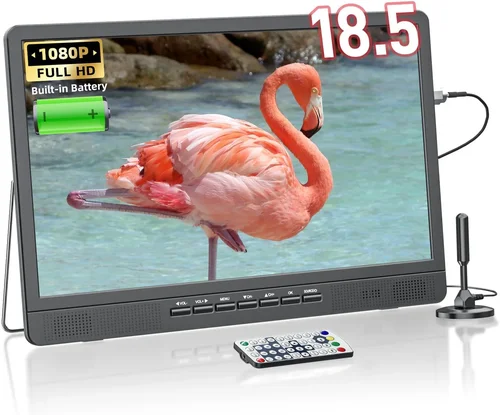
Why it’s bad: Indoor TVs lack weatherproofing, have low brightness, and aren’t built to handle temperature swings. Moisture can seep into vents, causing corrosion or short circuits. Even under cover, humidity and condensation will degrade components over time, leading to premature failure—often within months.
What to do instead: Invest in a purpose-built outdoor TV or use a certified outdoor enclosure if budget is tight. Never compromise on weather resistance—it’s the single most important factor for longevity.
❌ Mistake: Ignoring Sunlight Exposure
Why it’s bad: A TV with only 500 nits of brightness will appear washed out or completely invisible in direct sunlight. You’ll end up squinting, adjusting seating, or only watching at night—defeating the purpose of outdoor entertainment.
What to do instead: Assess your deck’s sun patterns throughout the day. If the TV will face direct sun, choose a model with at least 1,000 nits and anti-glare coating. For shaded areas, 700 nits may suffice.
❌ Mistake: Overlooking Audio Needs
Why it’s bad: Relying on built-in speakers in an open space results in tinny, quiet audio that gets lost in ambient noise. Guests will struggle to hear dialogue or music, reducing enjoyment.
What to do instead: Plan your audio setup from day one. Pair the TV with weather-resistant speakers or a soundbar. Test audio levels during peak noise times (e.g., weekend afternoons).
❌ Mistake: Choosing the Wrong Size
Why it’s bad: A TV that’s too small forces viewers to lean forward or move closer, disrupting comfort. One that’s too large overwhelms the space and may require costly structural modifications for mounting.
What to do instead: Use the 1.5x rule: multiply your viewing distance (in inches) by 1.5 to get the ideal screen diagonal. For example, if viewers sit 8 feet (96 inches) away, aim for a 55–65 inch TV.
❌ Mistake: Skimping on Mounting Hardware
Why it’s bad: Standard indoor mounts aren’t rated for outdoor conditions or the weight of ruggedized TVs. Rust, loosening bolts, or improper tilt can cause the TV to fall, posing serious safety risks.
What to do instead: Purchase a mount specifically designed for outdoor use with the TV’s VESA pattern and weight capacity. Have it installed by a certified professional.
❌ Mistake: Neglecting Cable Management
Why it’s bad: Exposed cables are vulnerable to weather, pests, and tripping hazards. Water can travel along cords into ports, damaging both the TV and connected devices.
What to do instead: Use waterproof cable conduits, grommets, and rear-access panels. Route all wires through sealed channels and secure them away from foot traffic.
❌ Mistake: Not Testing Before Committing
Why it’s bad: Picture quality, brightness, and usability vary significantly between models—even within the same brand. What looks good in a showroom may disappoint in your unique deck environment.
What to do instead: Choose retailers with generous return policies (30+ days). Test the TV during different times of day, especially in morning and afternoon sun. Bring a friend to simulate real viewing conditions.
Budget Guidelines: How Much Should You Spend?
Entry-Level ($800–$1,500): This tier includes partial-shade outdoor TVs or indoor TVs paired with basic enclosures. Expect brightness around 700 nits, limited smart features, and shorter warranties (1–2 years). Ideal for covered patios with minimal sun exposure or temporary setups. Brands like Vizio and TCL offer budget-friendly options, but durability may be compromised.
Mid-Range ($1,500–$3,500): The sweet spot for most homeowners. These TVs offer 1,000+ nits brightness, robust weatherproofing (IP55+), full smart platforms, and 3-year warranties. Models from Samsung The Terrace, LG OLED Flex, or SunBriteTV Veranda series fall here. Perfect for decks with partial cover or morning/evening sun.
Premium ($3,500–$6,000): Designed for fully exposed decks and demanding users. Features include 1,500–2,000 nits brightness, heated screens, commercial-grade components, and 5-year warranties. SunBriteTV Pro and Seura Luxe series dominate this category. Ideal for coastal homes, large gatherings, or 24/7 operation.
Luxury ($6,000+): Top-tier commercial displays or custom installations. These units offer 8K resolution, modular designs, 24/7 runtime capability, and enterprise-level support. Best for luxury estates, hotels, or public venues. Expect professional installation and ongoing maintenance contracts.
Expert Tips for Getting the Best Deal
- Shop During Off-Season: Demand peaks in spring and summer. Buy in late fall or winter (October–February) for discounts of 15–30%. Retailers clear inventory before new models launch.
- Compare Specialized Retailers: While Best Buy and Amazon carry mainstream brands, specialty dealers like Crutchfield, Abt Electronics, or Outdoor TV Direct often offer better bundles, extended warranties, and expert advice.
- Leverage Price Matching: Many big-box stores match online prices. Use tools like Honey or CamelCamelCamel to track historical pricing and negotiate.
- Consider Refurbished Models: Certified refurbished outdoor TVs from manufacturers (e.g., Samsung Renewed) can save 20–40% with full warranties. Avoid third-party sellers without certification.
- Bundle with Accessories: Some retailers offer free mounts, soundbars, or extended warranties with TV purchases. Always ask about current promotions.
- Check Local Incentives: In some regions, energy-efficient outdoor electronics qualify for tax rebates or utility discounts—especially if paired with solar-powered systems.
- Read the Fine Print on Returns: Ensure the return window covers at least 30 days and includes return shipping. Some outdoor TVs are heavy and costly to send back.
- Join Owner Communities: Forums like AVS Forum or Reddit’s r/outdoortv share real-user deals, installation tips, and firmware updates you won’t find elsewhere.

Frequently Asked Questions
Q: Can I use a regular TV on my covered deck?
A: Technically yes—but it’s not recommended. Even under cover, humidity, temperature swings, and dust will degrade an indoor TV over time. For long-term reliability and safety, invest in an outdoor-rated model or enclosure.
Q: Do outdoor TVs consume more power?
A: Not necessarily. While they’re brighter, modern outdoor TVs use efficient LED backlighting and adaptive brightness to minimize energy use. Many are ENERGY STAR certified. Power draw is comparable to similarly sized indoor models.
Q: How do I clean an outdoor TV screen?
A: Use a microfiber cloth and distilled water only. Avoid ammonia-based cleaners, paper towels, or abrasive materials. For stubborn grime, lightly dampen the cloth—never spray liquid directly on the screen.
Q: Will an outdoor TV work in winter?
A: Yes, if it’s rated for cold climates (most are). However, extreme cold can temporarily reduce brightness. Heated-screen models prevent frost and condensation buildup.
Q: Can I install an outdoor TV myself?
A: If you’re experienced with electrical work and mounting heavy objects, possibly. But due to safety risks, weatherproofing requirements, and warranty terms, professional installation is strongly advised.
Q: Do outdoor TVs support gaming?
A: Many mid-to-high-end models offer low input lag, HDMI 2.1, and 120Hz refresh rates—making them suitable for casual gaming. However, latency may still be higher than dedicated gaming monitors.
Q: What happens if it rains while the TV is on?
A: A properly rated outdoor TV (IP55 or higher) is designed to operate safely in rain. The sealed casing prevents water ingress, and internal components are protected. Just avoid touching wet ports or cables.
Q: Can I connect multiple devices?
A: Yes. Most outdoor TVs have 3–4 HDMI ports, USB, and wireless options. Use an HDMI switch if you need more inputs.
Q: How long do outdoor TVs last?
A: With proper care, 7–10 years is typical. Premium models with commercial-grade components can exceed 10 years. Regular maintenance (cleaning, checking seals) extends lifespan.
Q: Are outdoor TVs worth the cost?
A: Absolutely—if you use your deck frequently for entertainment. The enhanced durability, visibility, and reliability justify the premium over indoor TVs, especially in harsh environments.
Our Final Recommendations
Best for Budget-Conscious Buyers: Samsung The Terrace Partial-Shade – At around $1,800 for a 55-inch model, it delivers 1,000 nits brightness, IP55 rating, and full Google TV integration. Ideal for covered decks with limited sun exposure.
Best Overall Value: SunBriteTV Veranda Series – Priced from $2,200, this all-weather TV offers 1,200 nits, heated screen option, and a 3-year warranty. Perfect balance of performance, durability, and smart features for most deck setups.
Best Premium Option: Seura Luxe 4K Outdoor TV – Starting at $4,500, it boasts 2,000 nits brightness, ultra-thin design, and seamless integration with luxury outdoor living systems. Built for discerning homeowners who demand the best.
Best for Beginners: LG OLED Flex (Outdoor Mode) – While primarily an indoor TV, its outdoor mode boosts brightness to 800 nits and includes basic weather resistance. Pair with a quality enclosure for a user-friendly entry point.
Best for Advanced Users: Peerless-AV Xtreme Commercial Display – A modular, 24/7-rated beast with 2,500 nits, remote monitoring, and customizable bezels. Designed for tech-savvy users who want total control and scalability.
Conclusion: Making the Right Choice
Choosing the right outdoor TV for your deck isn’t just about picking the shiniest screen or the biggest brand name—it’s about matching technology to your lifestyle, environment, and long-term goals. From weather resistance and brightness to smart features and audio integration, every decision shapes how you’ll experience entertainment under the open sky. By prioritizing durability over gimmicks, investing in proper installation, and avoiding common pitfalls, you’ll create a deck entertainment system that lasts for years and delights every guest.
Remember: the best outdoor TV is the one that disappears into the background—delivering stunning visuals, reliable performance, and seamless connectivity without demanding constant attention. Take your time, do your research, and don’t hesitate to consult professionals. Your deck deserves more than a temporary fix; it deserves a centerpiece built to thrive in the elements. So go ahead—press play, fire up the grill, and let the show begin.

