
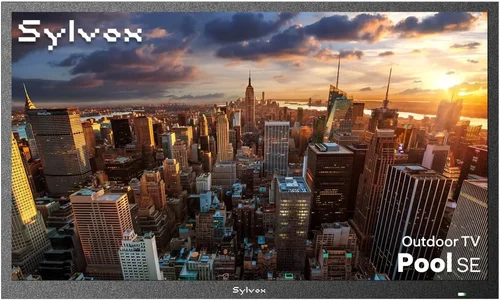
Outdoor kitchens have evolved from simple grilling stations into fully functional, stylish extensions of the home—complete with refrigerators, sinks, countertops, and yes, entertainment systems. One of the most exciting additions to modern outdoor living spaces is the garden TV, a weather-resistant television designed specifically for alfresco enjoyment. Whether you’re hosting a backyard barbecue, watching the big game under the stars, or simply relaxing with a movie on a summer evening, a garden TV can transform your outdoor kitchen into a true entertainment hub.
But here’s the catch: not all TVs are created equal when it comes to outdoor use. Standard indoor televisions simply aren’t built to withstand the elements—rain, humidity, dust, extreme temperatures, and even direct sunlight can quickly damage them. That’s why choosing the right garden TV for your outdoor kitchen requires careful consideration. This comprehensive buying guide is designed to help you navigate the complexities of outdoor TV selection, ensuring you make a smart, long-lasting investment that enhances your outdoor lifestyle.
In this guide, we’ll walk you through everything you need to know before buying a garden TV for your outdoor kitchen. You’ll learn how to evaluate key factors like weather resistance, display technology, size, and placement options. We’ll compare different types of outdoor TVs, highlight common mistakes to avoid, and provide expert tips for getting the best value. Whether you’re a first-time buyer or upgrading an existing setup, this guide will equip you with the knowledge to choose a TV that delivers stunning picture quality, reliable performance, and years of enjoyment—rain or shine.
The market for outdoor televisions has grown significantly in recent years, driven by advances in display technology and increasing demand for luxury outdoor living. Brands like Samsung, LG, Sony, and specialized outdoor manufacturers such as Seura, SunBriteTV, and Peerless have introduced models specifically engineered for exterior environments. These TVs aren’t just rugged—they’re also packed with smart features, high brightness displays, and sleek designs that blend seamlessly into outdoor kitchens. With options ranging from budget-friendly entry-level models to premium 8K Ultra HD screens, there’s never been a better time to bring the theater experience outside.

What to Look for When Buying Buying Guide
1. Weather Resistance & IP Rating
When it comes to outdoor electronics, weather resistance isn’t optional—it’s essential. Unlike indoor TVs, garden TVs must endure rain, snow, humidity, dust, and temperature fluctuations. The first thing to check is the TV’s Ingress Protection (IP) rating, which indicates how well the device is sealed against environmental hazards. For outdoor use, look for a minimum IP55 rating, which means the TV is protected against low-pressure water jets and dust. Higher ratings like IP65 or IP66 offer even greater protection, making them ideal for uncovered areas or regions with harsh weather.
But IP ratings only tell part of the story. True outdoor TVs are built with sealed enclosures, corrosion-resistant materials, and internal climate control systems that prevent condensation and overheating. Some models include built-in heaters or fans to maintain optimal operating temperatures in extreme cold or heat. For example, SunBriteTV’s Veranda series features a full-metal chassis and passive cooling system that keeps the internal components safe without relying on external ventilation. If you live in a coastal area or somewhere with high humidity, make sure the TV uses marine-grade components and anti-corrosion coatings.
Another consideration is UV protection. Prolonged exposure to sunlight can degrade plastic casings and cause discoloration over time. High-quality garden TVs use UV-resistant materials and anti-glare screens to maintain appearance and performance. Always verify that the manufacturer explicitly states the TV is designed for outdoor use—don’t assume an “all-weather” label means it’s safe for year-round exposure.
2. Display Brightness & Anti-Glare Technology
One of the biggest challenges with outdoor viewing is screen glare. Sunlight reflecting off a standard TV screen can make it nearly impossible to see the picture, even on a cloudy day. That’s why garden TVs are engineered with significantly higher brightness levels than indoor models. While most indoor TVs range from 300 to 500 nits, outdoor TVs typically deliver 700 to 2,500 nits or more. This extra luminance ensures the image remains clear and vibrant in direct sunlight.
Look for TVs with high peak brightness and anti-reflective coatings. Many outdoor models use direct-lit LED or mini-LED backlighting to enhance contrast and brightness without washing out colors. Some premium options, like the Samsung The Terrace, feature Quantum Dot technology combined with anti-glare filters to deliver vivid, lifelike images even at peak daylight hours. Additionally, consider the screen’s viewing angle. Wide-angle panels allow multiple people to enjoy the show from different positions around your outdoor kitchen without losing picture quality.
Don’t forget about HDR support. High Dynamic Range (HDR10, Dolby Vision, HLG) improves color depth, contrast, and detail, making outdoor viewing more immersive. While HDR is standard on most modern TVs, it’s especially important outdoors where ambient light can flatten the image. A garden TV with HDR10+ or Dolby Vision will maintain rich blacks and bright highlights, giving you a cinematic experience no matter the time of day.
3. Build Quality & Durability
Outdoor environments are tough on electronics. A garden TV must be built to last, with rugged construction that resists physical damage, moisture, and temperature extremes. Start by examining the materials used in the chassis and bezel. High-end outdoor TVs often feature powder-coated aluminum or stainless steel frames that resist rust and corrosion. Avoid plastic-heavy designs, as they can crack, fade, or become brittle over time.
Internal components should also be hardened for outdoor use. This includes sealed circuit boards, moisture-resistant capacitors, and reinforced connectors. Some manufacturers go the extra mile by using conformal coating—a protective chemical layer applied to the internal electronics to guard against humidity and dust. Peerless-AV’s Xtreme series, for example, uses a fully sealed design with no vents, ensuring no moisture can enter the unit.
Durability also extends to mounting hardware. Most garden TVs come with VESA-compatible mounts, but outdoor-specific brackets are often required for secure installation. Look for mounts rated for outdoor use, with corrosion-resistant bolts and adjustable tilt/swivel capabilities. If you’re installing the TV under a covered patio, ensure there’s adequate airflow around the unit to prevent overheating. For open-air setups, consider a weatherproof enclosure or cabinet that provides additional protection while maintaining ventilation.
4. Size & Viewing Distance
Choosing the right screen size is crucial for an enjoyable outdoor viewing experience. Unlike indoor TVs, where you might sit 6–8 feet away, outdoor kitchens often have larger seating areas, so you’ll need a bigger screen to maintain clarity and immersion. A general rule of thumb is to multiply your viewing distance (in inches) by 0.84 to determine the ideal screen diagonal. For example, if you’ll be sitting 12 feet (144 inches) away, a 120-inch screen (144 × 0.84 ≈ 121) would be optimal.
However, space constraints in your outdoor kitchen may limit your options. Measure the available wall or mounting area carefully, including clearance for ventilation and cable management. Most garden TVs range from 43 inches to 85 inches, with some commercial models exceeding 100 inches. For smaller patios or covered decks, a 55- to 65-inch TV is usually sufficient. Larger spaces, such as outdoor living rooms or poolside areas, can accommodate 75-inch or larger screens.
Also consider the TV’s depth and weight. Outdoor models tend to be thicker and heavier than indoor TVs due to their protective enclosures. Ensure your mounting solution can support the weight—some 75-inch outdoor TVs weigh over 100 pounds. If you’re installing the TV on a freestanding cabinet or island, verify the structure is stable and rated for the load.
5. Smart Features & Connectivity
Today’s garden TVs aren’t just about picture quality—they’re also packed with smart features that enhance convenience and functionality. Most outdoor models run on popular platforms like Android TV, webOS, or Tizen, giving you access to streaming apps such as Netflix, YouTube, Disney+, and Amazon Prime Video. This means you can enjoy your favorite shows and movies without needing an external streaming device.
Look for TVs with built-in Wi-Fi and Bluetooth for wireless connectivity. Some models also include Ethernet ports for a more stable internet connection, which is especially useful in areas with weak Wi-Fi signals. Voice control via Google Assistant or Amazon Alexa is another valuable feature, allowing you to change channels, adjust volume, or search content hands-free—perfect when you’re cooking or entertaining.
Connectivity options are equally important. Ensure the TV has multiple HDMI ports (preferably HDMI 2.1 for 4K/120Hz content), USB inputs, and audio outputs for soundbars or outdoor speakers. If you plan to connect a gaming console or Blu-ray player, check for low input lag and support for variable refresh rate (VRR) to minimize screen tearing. Some premium outdoor TVs even include built-in tuners for over-the-air broadcasts, so you can watch live sports or news without a cable subscription.
6. Audio Performance & Sound Solutions
While picture quality often takes center stage, audio is just as important for an immersive outdoor experience. Unfortunately, most garden TVs have limited built-in speakers due to space and weatherproofing constraints. The sound can be tinny or lack bass, especially in open-air environments where noise from wind, traffic, or nature can drown out dialogue.
To overcome this, many homeowners pair their garden TV with external audio systems. Consider investing in weather-resistant outdoor speakers, a soundbar, or a full surround sound setup. Brands like Bose, Sonos, and Polk Audio offer outdoor audio solutions designed to withstand the elements while delivering rich, balanced sound. Wireless options are particularly convenient, eliminating the need for long cable runs across your outdoor kitchen.
If you prefer a simpler setup, look for garden TVs with enhanced audio features such as Dolby Atmos, DTS:X, or AI sound enhancement. These technologies can simulate surround sound and optimize audio based on content type. Some models also include audio output options like optical or RCA, making it easy to connect to external amplifiers or receivers.
7. Installation & Placement Options
Proper installation is critical for both performance and longevity. Garden TVs can be mounted on walls, ceilings, or freestanding cabinets, but each option has its pros and cons. Wall mounting is the most common choice, offering a clean, integrated look. Use a full-motion or tilting mount to adjust the viewing angle based on the sun’s position or seating arrangement.
Ceiling mounts are ideal for pergolas or covered patios with limited wall space. They allow the TV to be positioned directly above the seating area, maximizing visibility. However, ensure the ceiling structure can support the weight and that there’s adequate clearance for ventilation.
Freestanding cabinets or TV enclosures provide flexibility and added protection. These units often include built-in cooling fans, cable management systems, and lockable doors to prevent tampering. They’re a great option if you want to move the TV seasonally or protect it during winter months.
Wherever you install the TV, avoid direct exposure to rain, sprinklers, or snow. Even weather-resistant models should be placed under a roof, awning, or pergola with proper drainage. Leave at least 2–3 inches of space around the TV for airflow, and never seal it in an airtight enclosure without ventilation.
8. Brand Reputation & Warranty Support
Not all outdoor TV brands are created equal. Some specialize exclusively in weather-resistant displays, while others adapt indoor models for outdoor use. Research the manufacturer’s reputation for quality, customer service, and product reliability. Established names like Samsung, LG, and Sony offer outdoor versions of their popular indoor TVs, often with extended warranties and robust support networks.
Specialized brands like Seura, SunBriteTV, and Peerless-AV focus solely on outdoor electronics, which means they understand the unique challenges of exterior environments. These companies often provide detailed installation guides, compatibility tools, and responsive customer support. SunBriteTV, for instance, offers a 3-year warranty on its Veranda and Pro series, covering both parts and labor—something rarely seen with standard TVs.
Always read the warranty terms carefully. Outdoor TVs typically come with longer warranties than indoor models, but coverage may be voided if the TV is installed incorrectly or exposed to conditions beyond its rating. Keep your receipt and installation records, and register the product with the manufacturer to ensure full protection.
Different Types of Buying Guide
Common Buying Mistakes to Avoid
❌ Mistake: Using an Indoor TV Outdoors
Why it’s bad: Indoor TVs lack weatherproofing, UV protection, and adequate brightness for outdoor use. Exposure to moisture can cause short circuits, while sunlight can damage the screen and internal components. Even under a covered patio, humidity and temperature swings can shorten the TV’s lifespan.
What to do instead: Always choose a TV specifically designed for outdoor use. Look for models with IP ratings, anti-glare screens, and weather-resistant enclosures. If budget is a concern, consider a covered patio TV or a weatherproof enclosure for an indoor model—but never assume an indoor TV is safe outside.
❌ Mistake: Ignoring Viewing Angle and Sun Position
Why it’s bad: Placing the TV where it’s directly exposed to morning or afternoon sun can cause severe glare, making the screen unwatchable. Similarly, mounting it too high or at an awkward angle can strain necks and reduce comfort.
What to do instead: Observe the sun’s path throughout the day and choose a shaded or partially covered location. Use a tilting or swivel mount to adjust the screen angle. Consider installing an awning or retractable shade to block direct sunlight during peak hours.
❌ Mistake: Overlooking Audio Needs
Why it’s bad: Built-in TV speakers are often inadequate for outdoor environments. Wind, ambient noise, and distance can make dialogue hard to hear, ruining the viewing experience.
What to do instead: Invest in weather-resistant outdoor speakers or a soundbar. Wireless options like Sonos Move or Bose SoundLink are portable and easy to set up. For larger spaces, consider a multi-zone audio system with speakers placed around the seating area.
❌ Mistake: Skimping on Mounting Hardware
Why it’s bad: Using indoor mounts or low-quality brackets can lead to instability, especially in windy conditions. A poorly secured TV can fall, causing injury or damage.
What to do instead: Use heavy-duty, outdoor-rated mounts with corrosion-resistant hardware. Ensure the wall or structure can support the weight. For brick or concrete, use appropriate anchors. If unsure, consult a professional installer.
❌ Mistake: Neglecting Cable Management
Why it’s bad: Exposed cables are unsightly and vulnerable to weather, pests, and tripping hazards. Water can seep into connections, causing electrical issues.
What to do instead: Use weatherproof conduit or cable raceways to protect wires. Route cables through walls or under decking when possible. Label connections for easy maintenance. Consider wireless alternatives for streaming devices.
❌ Mistake: Buying Based on Price Alone
Why it’s bad: Cheaper outdoor TVs may cut corners on build quality, brightness, or warranty. You could end up replacing the unit within a year, costing more in the long run.
What to do instead: Focus on value, not just price. Compare features, durability, and customer reviews. A mid-range TV with a strong warranty and good performance is often a better investment than a budget model with limited protection.
❌ Mistake: Forgetting About Power and Connectivity
Why it’s bad: Outdoor kitchens may not have convenient power outlets or strong Wi-Fi signals. Running extension cords across the yard is unsafe and unattractive.
What to do instead: Plan your electrical setup in advance. Install a dedicated outdoor GFCI outlet near the TV. Use a Wi-Fi extender or mesh network to boost signal strength. For wired connections, bury cables or use protective covers.
Budget Guidelines: How Much Should You Spend?
Entry-Level ($800 – $1,500): These are typically covered patio TVs or indoor models in weatherproof enclosures. They offer basic weather resistance, moderate brightness (500–700 nits), and standard smart features. Ideal for small patios or seasonal use. Expect shorter warranties and fewer premium features.
Mid-Range ($1,500 – $3,500): This is the sweet spot for most homeowners. These TVs are built for outdoor use with IP55+ ratings, high brightness (1,000+ nits), anti-glare screens, and robust smart platforms. Models like the Samsung The Terrace or SunBriteTV Veranda series fall here. They offer excellent value with strong durability and performance.
Premium ($3,500 – $6,000): Designed for full outdoor exposure, these TVs feature IP65+ ratings, extreme brightness (1,500–2,500 nits), advanced cooling systems, and premium materials. They’re built to last 7–10 years or more. Ideal for open-air kitchens, pool decks, or commercial use.
Luxury ($6,000+): Top-tier models with 8K resolution, ultra-bright mini-LED displays, Dolby Vision, and commercial-grade durability. These are often used in high-end resorts, luxury homes, or public venues. Expect extensive customization, professional installation, and multi-year warranties.

Expert Tips for Getting the Best Deal
– Buy during off-season sales: Outdoor TVs are often discounted in late fall and winter when demand is low. Look for Black Friday, Cyber Monday, or end-of-season promotions.
– Compare retailers: Check prices at specialty outdoor electronics stores, big-box retailers, and online marketplaces. Some brands offer direct-to-consumer discounts.
– Bundle with installation: Many dealers offer package deals that include mounting, cable management, and setup. This can save time and ensure proper installation.
– Check for rebates: Some manufacturers or utility companies offer rebates for energy-efficient outdoor electronics. Research local incentives.
– Read real user reviews: Look beyond star ratings. Read detailed reviews on sites like Amazon, Best Buy, or specialty forums to learn about long-term performance and reliability.
– Test before you buy: If possible, visit a showroom to see the TV in person. Check brightness, color accuracy, and smart features under simulated outdoor lighting.
– Negotiate the warranty: Some retailers may extend the warranty or offer free service calls. Don’t hesitate to ask.
– Consider refurbished models: Certified pre-owned outdoor TVs from reputable sellers can offer significant savings with full warranty coverage.

Frequently Asked Questions
Q: Can I use a regular TV in my outdoor kitchen if it’s under a covered patio?
A: It’s not recommended. Even under cover, humidity, temperature swings, and dust can damage indoor TVs over time. A covered patio TV or weatherproof enclosure is a safer, longer-lasting solution.
Q: Do outdoor TVs need special power outlets?
A: They use standard 120V outlets, but it’s best to install a GFCI (ground fault circuit interrupter) outlet outdoors for safety. This protects against electrical shock in wet conditions.
Q: How do I clean my garden TV?
A: Use a soft, dry microfiber cloth to wipe the screen and exterior. For tougher smudges, lightly dampen the cloth with water or a screen-safe cleaner. Never spray liquid directly on the TV.
Q: Can I leave my outdoor TV on all the time?
A: Most outdoor TVs are designed for continuous use, but it’s best to turn them off when not in use to extend lifespan and save energy. Use a smart plug or timer for convenience.
Q: What’s the difference between a garden TV and a commercial outdoor display?
A: Commercial displays are built for 24/7 operation, higher brightness, and vandal resistance. They’re more expensive and often used in public spaces. Garden TVs are designed for residential use with a focus on picture quality and smart features.
Q: Can I mount my outdoor TV on a brick wall?
A: Yes, but use masonry anchors and ensure the wall is structurally sound. Consider hiring a professional for heavy units or complex installations.
Q: Do outdoor TVs come with remotes?
A: Yes, most include weather-resistant remotes. Some also support smartphone apps or voice control for added convenience.
Q: How long do outdoor TVs typically last?
A: With proper care and installation, a quality garden TV can last 7–10 years or more. Cheaper models may fail sooner due to inadequate weatherproofing.
Q: Can I use a projector instead of a garden TV?
A: Projectors can work for outdoor movie nights, but they require darkness and a flat surface. Garden TVs offer better brightness, reliability, and ease of use for daily viewing.
Q: Are outdoor TVs energy efficient?
A: Modern LED-based outdoor TVs are relatively energy efficient, but high brightness increases power consumption. Look for ENERGY STAR-certified models to reduce electricity use.
Our Final Recommendations
Best for Budget-Conscious Buyers: Samsung The Terrace (55-inch) – Offers excellent brightness, smart features, and weather resistance at a mid-range price. Great for covered patios.
Best Overall Value: SunBriteTV Veranda Series (65-inch) – Combines durability, high brightness, and reliable performance. Ideal for most outdoor kitchens.
Best Premium Option: Peerless-AV Xtreme 75-inch – Fully sealed, ultra-bright, and built for extreme conditions. Perfect for open-air setups.
Best for Beginners: LG Outdoor TV (50-inch) – Easy setup, intuitive smart platform, and solid build quality. Great first outdoor TV.
Best for Advanced Users: Seura Shadow 85-inch – Ultra-slim design, 8K resolution, and premium audio. For those who want the ultimate outdoor entertainment experience.
Conclusion: Making the Right Choice
Choosing the right garden TV for your outdoor kitchen is about more than just picture quality—it’s about creating a space where you can relax, entertain, and enjoy the outdoors without compromise. From weather resistance and brightness to smart features and installation, every detail matters. By understanding your environment, prioritizing durability, and investing in the right technology, you can build an outdoor entertainment system that lasts for years.
Remember, the best TV is the one that fits your lifestyle, budget, and space. Don’t rush the decision. Take time to research, compare options, and consult experts if needed. Whether you’re watching a sunset movie or cheering on your favorite team, your garden TV should enhance every moment.
Now that you’re equipped with the knowledge from this guide, it’s time to take the next step. Explore models, read reviews, and start planning your perfect outdoor kitchen setup. The great outdoors just got a whole lot more entertaining.

