
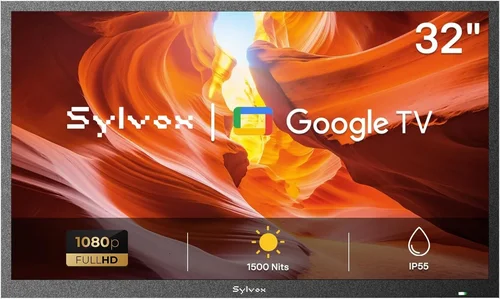
Outdoor living spaces have evolved dramatically over the past decade. What used to be simple patios with a grill and some folding chairs have transformed into fully equipped outdoor entertainment zones—complete with kitchens, fire pits, sound systems, and yes, even televisions. As more homeowners invest in creating year-round outdoor sanctuaries, the demand for durable, high-performance weatherproof TVs has surged. Whether you’re hosting game-day gatherings, enjoying quiet evenings under the stars, or simply wanting to catch up on your favorite show while lounging poolside, a weatherproof TV can elevate your outdoor experience. But with so many options flooding the market—from budget-friendly models to premium all-weather displays—it’s easy to feel overwhelmed. That’s exactly why this comprehensive buying guide exists: to cut through the noise and help you make a smart, informed decision.
In this guide, we’ll walk you through everything you need to know before purchasing a weatherproof TV for your large patio. You’ll learn how to evaluate critical factors like build quality, display performance, connectivity, and environmental resilience. We’ll compare different types of outdoor TVs, highlight common pitfalls to avoid, and provide realistic budget expectations based on real-world value. Whether you’re a first-time buyer or upgrading from an older model, our goal is to equip you with the knowledge and confidence to choose a TV that delivers stunning picture quality, withstands the elements, and fits seamlessly into your outdoor lifestyle. By the end, you’ll not only understand what makes a great weatherproof TV—you’ll know exactly which one is right for you.
The outdoor TV market has matured significantly in recent years. Once dominated by niche manufacturers offering bulky, overpriced units, it now features a mix of established electronics brands, specialized outdoor tech companies, and even mainstream TV makers expanding into all-weather categories. This increased competition has driven innovation, improved affordability, and expanded feature sets. Today’s weatherproof TVs aren’t just sealed boxes—they’re full-fledged smart displays with 4K resolution, HDR support, voice control, and robust mounting systems designed for permanent outdoor installation. However, not all “weatherproof” claims are created equal. Some models are merely splash-resistant, while others are built to endure extreme temperatures, heavy rain, dust, and UV exposure. Understanding these distinctions is crucial when investing in a TV meant to live outside year-round.

What to Look for When Buying Buying Guide
1. IP Rating & Environmental Protection
The most fundamental consideration when buying a weatherproof TV is its Ingress Protection (IP) rating—a two-digit code that defines how well the unit resists dust and water. For outdoor use, especially on a large patio exposed to rain, snow, or humidity, you’ll want at least an IP55 rating (protection against limited dust ingress and low-pressure water jets from any direction). However, for full four-season durability, aim for IP65 or higher. An IP65-rated TV is dust-tight and protected against water projected from a nozzle, making it ideal for uncovered patios. Some premium models even boast IP66 or IP67 ratings, offering enhanced resistance to powerful water jets or temporary immersion—perfect if your TV will be near a pool or in a region with heavy storms.
Beyond the IP rating, consider additional environmental protections. Look for TVs with sealed cooling systems (to prevent condensation), anti-corrosion coatings on internal components, and UV-resistant casings that won’t yellow or crack under prolonged sun exposure. Also, check the operating temperature range—most quality outdoor TVs function reliably between -22°F and 122°F (-30°C to 50°C), ensuring performance in both freezing winters and scorching summers.
2. Display Brightness & Anti-Glare Technology
One of the biggest challenges with outdoor TVs is visibility in bright daylight. Unlike indoor displays, which operate in controlled lighting, patio TVs must compete with direct sunlight, reflections, and ambient glare. This is where brightness becomes non-negotiable. For a large patio—especially one without shade structures—you’ll need a TV with a minimum brightness of 700 nits, but ideally 1,000 nits or higher. High brightness ensures the image remains vivid and legible even at noon on a sunny day.
Equally important is anti-glare technology. Many outdoor TVs feature optically bonded screens with matte finishes or specialized coatings that diffuse reflections. Some models also include automatic brightness sensors that adjust output based on ambient light conditions. Avoid glossy screens unless they’re specifically engineered for outdoor use—standard indoor TVs with glossy panels will appear washed out or mirror-like in sunlight, ruining the viewing experience. If your patio has partial shade or you plan to watch mostly during evening hours, you might get away with slightly lower brightness, but for full sun exposure, prioritize high-nit displays with advanced anti-reflective properties.
3. Build Quality & Durational Materials
A weatherproof TV isn’t just about sealing—it’s about construction. The housing should be made from rugged, corrosion-resistant materials like powder-coated aluminum or marine-grade stainless steel. These metals withstand rust, salt air (if you’re near the coast), and temperature fluctuations without degrading. Avoid plastic enclosures unless they’re reinforced with UV stabilizers and impact modifiers; standard plastics can become brittle and crack over time.
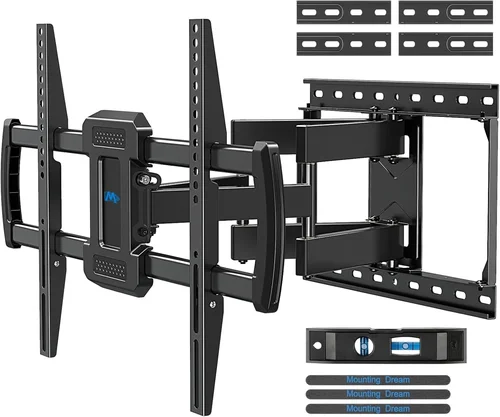
Pay attention to cable management too. Quality outdoor TVs include weatherproof conduit ports or grommets that allow you to route HDMI, power, and antenna cables safely into sealed channels. This prevents moisture from seeping into connection points and reduces wear on cables. Additionally, look for reinforced mounting points compatible with VESA standards and heavy-duty outdoor brackets. A flimsy mount can fail in high winds, potentially damaging both the TV and your patio structure.
4. Smart Features & Connectivity Options
Modern outdoor TVs aren’t just dumb screens—they’re smart hubs. Most come with built-in Wi-Fi, Bluetooth, and streaming platforms like Android TV, webOS, or Roku. This means you can access Netflix, YouTube, Disney+, and other services without needing an external streaming box. For a large patio setup, smart functionality adds convenience, allowing you to control content via voice assistants (Google Assistant or Alexa) or smartphone apps.
Connectivity is equally vital. Ensure the TV has multiple HDMI ports (preferably HDMI 2.0 or higher for 4K/60Hz), USB inputs for media playback, and an RF antenna input for over-the-air broadcasts. Some models include Ethernet ports for wired internet connections—ideal if your patio has a network drop. Also, check for compatibility with outdoor soundbars or wireless speakers, as built-in TV speakers often lack the volume and clarity needed for open-air environments. If you plan to connect gaming consoles, sound systems, or security cameras, verify that the input lag is low enough for responsive gameplay and that all necessary ports are easily accessible behind the sealed panel.
5. Size & Viewing Distance
Choosing the right screen size for your large patio depends on several factors: seating arrangement, viewing distance, and ambient lighting. As a general rule, for every foot of viewing distance, you should have approximately 1 inch of screen diagonal. So, if your primary seating is 10 feet away, a 65-inch TV is ideal. For larger patios with seating 12–15 feet back, consider 75-inch or even 85-inch models to maintain immersion and readability.
However, bigger isn’t always better. Oversized screens can overwhelm a space or create glare issues if not properly positioned. Measure your patio layout and consider sightlines from all seating areas. Also, factor in mounting height—outdoor TVs are typically installed higher than indoor ones (around 6–7 feet from the ground) to avoid obstruction and improve viewing angles. Wall mounts with tilt or swivel capabilities offer flexibility, especially if your patio has varying sun positions throughout the day.
6. Brand Reputation & Industry Experience
Not all brands are equal when it comes to outdoor electronics. Stick with manufacturers that specialize in all-weather AV solutions or have a proven track record in ruggedized displays. Companies like SunBriteTV, Seura, and Peerless-AV have spent years refining outdoor TV technology and offer comprehensive support. Mainstream brands like Samsung and LG now offer “outdoor-ready” models, but these often require additional protective enclosures, which can add cost and complexity.
Research customer reviews and look for brands that provide detailed installation guides, responsive customer service, and transparent warranty terms. Avoid unknown brands selling suspiciously cheap “weatherproof” TVs on e-commerce platforms—these are often rebranded indoor models with minimal sealing, posing fire and safety risks. A reputable brand may cost more upfront, but it delivers peace of mind, reliability, and long-term value.
7. Warranty & Support Services
Outdoor TVs represent a significant investment, so robust warranty coverage is essential. Look for at least a 2-year manufacturer warranty, with some premium brands offering 3–5 years. The warranty should cover both parts and labor, including seal integrity, display defects, and electronic failures due to environmental exposure. Be wary of warranties that exclude “acts of nature” or require professional installation—these loopholes can leave you footing the bill for repairs.
Support services matter too. Can you easily reach technical support? Are replacement parts available? Does the company offer on-site service or partnered installers in your area? For large patios, professional installation is often recommended to ensure proper mounting, cable routing, and grounding. Choose a brand that provides clear documentation and responsive post-purchase assistance.
8. Energy Efficiency & Operating Costs
While outdoor TVs consume more power than indoor models due to higher brightness and cooling systems, energy efficiency still matters—especially if you plan to leave the TV on for extended periods. Look for ENERGY STAR certification or models with eco modes that reduce power consumption during low-light conditions. LED backlighting is standard, but some premium units use advanced local dimming to improve contrast while saving energy.
Also consider heat dissipation. Poorly designed TVs can overheat in direct sunlight, triggering thermal shutdowns or shortening component lifespan. Quality models include passive cooling (heat sinks) or quiet active fans that maintain safe internal temperatures without noise interference. Overheating not only affects performance but can also void warranties if damage occurs due to inadequate ventilation.
Different Types of Weatherproof TVs

Common Buying Mistakes to Avoid
❌ Mistake: Assuming All “Weatherproof” TVs Are Equal
Why it’s bad: The term “weatherproof” is loosely regulated. Some manufacturers use it to describe TVs with basic splash resistance, while others build units rated for full outdoor exposure. Buying a minimally sealed TV for an open patio can lead to premature failure, electrical hazards, or voided warranties.
What to do instead: Always verify the IP rating and ask for third-party testing documentation. If a product listing doesn’t specify an IP code, treat it as indoor-only.
❌ Mistake: Prioritizing Price Over Build Quality
Why it’s bad: Cheap outdoor TVs often cut corners on materials, sealing, and thermal management. They may work fine for a season but fail when temperatures drop or humidity rises, leaving you with a costly replacement.
What to do instead: Invest in a mid-to-high-tier model from a reputable brand. Think of it as a long-term asset—like outdoor furniture—that should last 5–10 years with proper care.
❌ Mistake: Ignoring Viewing Conditions
Why it’s bad: A TV that looks great in a dim showroom may be unwatchable on a sun-drenched patio. Low brightness or glossy screens turn into mirrors during daytime hours.
What to do instead: Assess your patio’s sun exposure throughout the day. If it’s fully exposed, choose a TV with 1,000+ nits brightness and anti-glare coating. For shaded areas, you can opt for slightly lower specs.
❌ Mistake: Overlooking Installation Requirements
Why it’s bad: Outdoor TVs require proper mounting, grounding, and cable management. DIY installations without electrical knowledge can create fire risks or structural damage.
What to do instead: Hire a certified installer familiar with outdoor AV setups. They’ll ensure compliance with local codes, safe wiring, and optimal positioning.
❌ Mistake: Neglecting Audio Needs
Why it’s bad: Built-in TV speakers are rarely powerful enough for outdoor spaces. Wind, ambient noise, and distance can make dialogue inaudible.
What to do instead: Pair your TV with weather-resistant outdoor speakers or a soundbar. Many outdoor TVs support Bluetooth or optical audio output for seamless integration.
❌ Mistake: Skipping the Warranty Fine Print
Why it’s bad: Some warranties exclude damage from moisture, UV exposure, or improper installation. You could be stuck paying for repairs that should be covered.
What to do instead: Read the warranty terms carefully. Choose brands that explicitly cover outdoor use and offer hassle-free claim processes.
Budget Guidelines: How Much Should You Spend?
Entry-Level ($800 – $1,500): This tier typically includes indoor TVs paired with third-party outdoor enclosures or basic sealed models from lesser-known brands. Expect 1080p or entry-level 4K resolution, limited brightness (500–700 nits), and minimal smart features. Best for covered patios or seasonal use. While affordable, these setups may lack longevity and require more maintenance.
Mid-Range ($1,500 – $3,000): The sweet spot for most homeowners. These TVs offer full weather sealing (IP65), 750–1,000 nits brightness, robust smart platforms, and solid build quality. Brands like SunBriteTV and Seura dominate this category. Ideal for large patios with mixed sun/shade exposure and year-round viewing.
Premium ($3,000 – $5,000): Designed for enthusiasts and luxury outdoor spaces. Expect ultra-bright displays (1,200+ nits), commercial-grade materials, advanced cooling, and premium audio options. These TVs often include professional installation support and extended warranties. Perfect for uncovered patios, poolside entertainment, or high-end home theaters.
Luxury ($5,000+): Top-tier models with cutting-edge technology, such as OLED outdoor displays, 8K resolution, or custom integration with home automation systems. These are rare and typically used in commercial settings or ultra-high-net-worth residences. Only consider if you demand absolute best-in-class performance and have the budget to match.
Expert Tips for Getting the Best Deal
- Shop During Off-Seasons: Prices drop significantly in late fall and winter when demand for outdoor electronics slows. Look for Black Friday, Cyber Monday, or post-holiday sales.
- Compare Total Cost of Ownership: A cheaper TV may cost more long-term if it requires frequent repairs or lacks energy efficiency. Factor in warranty length, expected lifespan, and operating costs.
- Buy Direct from Manufacturers: Brands like SunBriteTV often offer exclusive bundles, free shipping, or extended warranties when purchased directly—bypassing retailer markups.
- Check for Rebates and Incentives: Some utility companies offer rebates for energy-efficient outdoor electronics. Local governments may also have green home improvement programs.
- Read Verified Owner Reviews: Focus on reviews from users in similar climates and patio setups. Look for comments about longevity, customer service, and real-world performance.
- Test Before Committing: If possible, visit a showroom or request a demo unit. Seeing the TV in person—especially under bright lighting—can reveal issues not apparent online.
- Negotiate Installation Packages: Many retailers offer discounted or free installation with TV purchase. Bundle services to save hundreds.
- Consider Refurbished Models: Certified refurbished outdoor TVs from reputable sellers often come with full warranties and significant savings—up to 30% off retail.

Frequently Asked Questions
Q: Can I use a regular indoor TV outside if I cover it?
A: Technically yes, but it’s not recommended for uncovered or high-exposure areas. Indoor TVs lack proper sealing, UV protection, and thermal management. Even with a cover, moisture can seep in, and overheating is likely. For reliable, safe outdoor use, invest in a purpose-built weatherproof model.
Q: Do weatherproof TVs need special maintenance?
A: Minimal maintenance is required. Wipe the screen and casing with a soft, damp cloth monthly to remove dust and pollen. Avoid harsh cleaners. Check seals annually for cracks or wear. Most importantly, ensure vents (if present) remain unobstructed.
Q: Will a weatherproof TV work in freezing temperatures?
A: Yes, if it’s rated for cold climates. Look for models with an operating range down to -22°F (-30°C). Avoid turning the TV on immediately after extreme cold exposure—allow it to acclimate for 1–2 hours to prevent condensation.
Q: Can I mount a weatherproof TV on a freestanding pole?
A: Absolutely. Many outdoor TVs support pole mounts, which are ideal for open patios without walls. Ensure the pole is anchored securely and rated for the TV’s weight and wind load.
Q: Are outdoor TVs safe during lightning storms?
A: While the TV itself is sealed, it’s wise to unplug it during severe electrical storms. Lightning can induce power surges through cables, potentially damaging electronics. Use surge protectors and consider a whole-home lightning protection system.
Q: Do I need a separate antenna for over-the-air broadcasts?
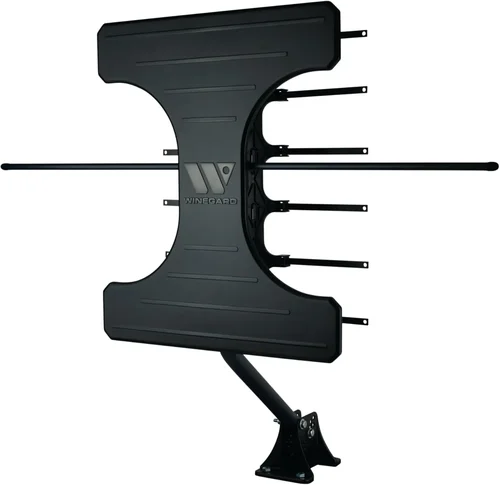
A: Most outdoor TVs include built-in tuners, but you’ll still need an outdoor antenna for strong signal reception. Choose a directional antenna mounted high on your patio structure for best results.
Q: How long do weatherproof TVs typically last?
A: With proper care, a quality outdoor TV should last 7–10 years. Factors like climate, usage frequency, and build quality play major roles. Premium models often outlast cheaper alternatives by several years.
Q: Can I connect my smartphone or tablet wirelessly?
A: Yes, most smart outdoor TVs support screen mirroring via Miracast, AirPlay, or Chromecast built-in. Ensure your device and TV are on the same Wi-Fi network for seamless streaming.
Our Final Recommendations
Best for Budget-Conscious Buyers: SunBriteTV Veranda Series (55-inch) – At around $1,800, this model offers excellent value with IP55 rating, 700-nit brightness, and full smart functionality. Ideal for covered or partially shaded patios.
Best Overall Value: Seura Outdoor 4K Ultra Bright (65-inch) – Priced near $2,700, it delivers 1,000 nits brightness, IP65 sealing, and a sleek design. Perfect balance of performance, durability, and features for most large patios.
Best Premium Option: Peerless-AV Xtreme High Brightness (75-inch) – At $4,200, this commercial-grade beast boasts 1,500 nits, extreme temperature tolerance, and 24/7 operation capability. Built for uncovered, high-exposure environments.
Best for Beginners: LG Outdoor OLED (55-inch with enclosure kit) – While not fully sealed, LG’s OLED paired with a certified outdoor enclosure (total ~$2,200) offers stunning picture quality for shaded patios and first-time buyers wanting familiar brand support.
Best for Advanced Users: SunBriteTV Pro Series (86-inch) – With 2,000 nits brightness, anti-glare OLED, and customizable mounting, this $6,500 powerhouse is for those who refuse to compromise on image quality, no matter the conditions.
Conclusion: Making the Right Choice
Choosing the right weatherproof TV for your large patio is about more than just picking a screen that survives the rain—it’s about enhancing your outdoor lifestyle with reliable, high-quality entertainment. Throughout this guide, we’ve emphasized the importance of environmental protection, display performance, build integrity, and long-term value. Remember, the cheapest option rarely delivers the best experience, and the flashiest specs don’t always translate to real-world usability. Instead, focus on your specific needs: How much sun does your patio get? How far away will viewers sit? Will you use it year-round or seasonally? Answering these questions honestly will steer you toward the perfect match.
Don’t rush the decision. Take time to compare models, read user experiences, and consult with professionals if needed. And when you do invest, treat it as you would any premium outdoor fixture—with care, proper installation, and realistic expectations. A well-chosen weatherproof TV won’t just withstand the elements; it will become the centerpiece of countless memorable moments under the open sky. So go ahead—bring the cinema outside. Your patio deserves it.

