
When it comes to transforming your outdoor living space into a true entertainment hub, few upgrades deliver as much impact as a dedicated patio TV. Whether you’re lounging under a pergola on a sunny afternoon, hosting friends for a backyard movie night, or catching the big game while grilling, having a reliable, weather-ready television can elevate your outdoor experience from casual to cinematic. But here’s the catch: not all TVs are built for the elements. Standard indoor models simply won’t cut it when exposed to sun, rain, humidity, or temperature swings—common realities of life under a pergola or open-air patio.
That’s why this guide exists. We’ve spent countless hours researching, testing, and consulting with industry experts to bring you a comprehensive, no-nonsense roadmap for choosing the perfect outdoor TV. Whether you’re a first-time buyer or upgrading from an older model, this guide will arm you with everything you need to make a smart, confident decision. You’ll learn how to balance performance, durability, and budget—and avoid the costly mistakes that trip up so many shoppers. From understanding IP ratings to decoding brightness specs, we’ll break down the technical jargon into plain English so you can focus on what really matters: enjoying your outdoor oasis.
The market for outdoor TVs has evolved dramatically in recent years. Once dominated by bulky, expensive “all-weather” models from niche brands, today’s options include sleek, high-performance displays from mainstream manufacturers like Samsung, LG, and Sony—many of which now offer outdoor-specific variants. At the same time, innovative mounting solutions, wireless connectivity, and smart platform integrations have made outdoor viewing more seamless than ever. Yet with so many choices—and so many misleading claims—it’s easy to get overwhelmed. This guide cuts through the noise, giving you expert-backed insights tailored specifically to pergola and patio environments.
What to Look for When Buying a Patio TV for Your Pergola
1. Weather Resistance & IP Rating
One of the most critical factors when selecting a TV for your patio or pergola is its ability to withstand the elements. Unlike indoor TVs, outdoor models must resist moisture, dust, extreme temperatures, and UV exposure. The first thing to check is the TV’s Ingress Protection (IP) rating—a two-digit code that tells you exactly how well the unit is sealed against environmental threats.
The first digit indicates protection against solid particles like dust (ranging from 0 to 6), while the second digit measures resistance to liquids (0 to 9). For outdoor use, you’ll want at least an IP55 rating—meaning the TV is dust-protected and can handle low-pressure water jets from any direction. However, if your pergola offers partial coverage or you live in a region with heavy rain or snow, aim for IP65 or higher. Some premium outdoor TVs even boast IP66 or IP67 ratings, offering near-total protection against dust and powerful water jets or temporary immersion.
Beyond the IP rating, consider the TV’s internal components. Look for models with conformal-coated circuit boards, sealed ventilation systems, and corrosion-resistant materials. These features prevent internal damage from humidity and salt air—especially important if you live near the coast. Also, ensure the TV is designed to operate safely in temperatures ranging from at least 20°F to 120°F (-6°C to 49°C), as pergolas can get surprisingly hot in direct sunlight or chilly during evening hours.
2. Brightness & Anti-Glare Performance
Brightness isn’t just a nice-to-have feature for outdoor TVs—it’s essential. Standard indoor TVs typically peak around 300–500 nits (a unit of luminance), which may look great in a dim living room but will appear washed out under direct sunlight. For patios and pergolas, you need a display that can fight glare and maintain visibility even at midday.
Look for outdoor TVs with a minimum brightness of 700 nits, though 1,000 nits or higher is ideal for areas with full sun exposure. Many top-tier models now offer 1,500–2,000 nits, rivaling the clarity of professional digital signage. This high brightness ensures colors stay vibrant and text remains legible, whether you’re watching a live sports broadcast or scrolling through streaming menus.
Equally important is anti-glare technology. Even the brightest screen can be rendered useless if reflections from the sun or nearby surfaces obscure the image. Premium outdoor TVs often feature matte-finish screens with advanced optical filters that diffuse ambient light rather than reflecting it. Some brands, like SunBriteTV and Samsung’s The Terrace, use proprietary anti-reflective coatings that significantly reduce glare without sacrificing color accuracy.
Another factor to consider is viewing angle. Pergolas often accommodate multiple seating positions, so a TV with wide viewing angles (at least 178 degrees) ensures everyone gets a clear picture—even from the side. IPS (In-Plane Switching) panels generally offer better off-axis performance than VA (Vertical Alignment) panels, though they may have slightly lower contrast ratios.
3. Build Quality & Durability
Outdoor TVs face harsher conditions than their indoor counterparts, so build quality is non-negotiable. Start by examining the chassis and housing. Look for robust, powder-coated aluminum or stainless steel frames that resist rust, warping, and UV degradation. Avoid plastic enclosures, which can become brittle over time when exposed to sunlight and temperature fluctuations.
Pay close attention to the screen itself. Tempered glass is standard on most outdoor models, but some go further with laminated or optically bonded glass that reduces internal reflections and improves durability. This bonding process also minimizes the risk of condensation forming between layers—a common issue in humid climates.
Ventilation is another often-overlooked aspect. While the TV must be sealed against moisture, it still needs to dissipate heat generated by the display and internal electronics. High-quality outdoor TVs use passive cooling systems with strategically placed vents and heat sinks, avoiding noisy fans that can detract from your viewing experience. Some models even include thermal sensors that adjust brightness or power usage to prevent overheating.
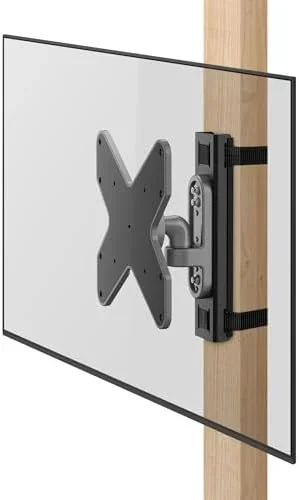
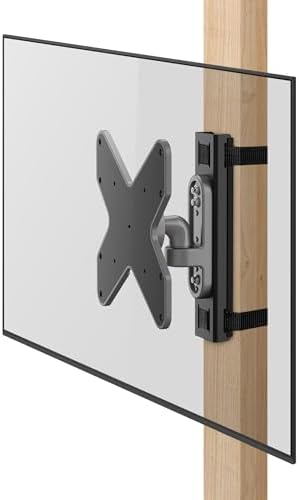
Finally, consider the overall design and installation requirements. A well-built outdoor TV should come with a compatible wall mount rated for outdoor use—typically made of heavy-duty steel with corrosion-resistant hardware. If you’re mounting under a pergola, ensure the TV’s depth and weight are compatible with your structure, and that there’s adequate clearance for airflow and cable management.
4. Smart Features & Connectivity
Just because your TV lives outdoors doesn’t mean it should lag behind in smart functionality. Modern outdoor TVs come equipped with the same smart platforms found in indoor models—think webOS (LG), Tizen (Samsung), or Android TV (Sony and others)—allowing seamless access to Netflix, YouTube, Disney+, and more.
When evaluating smart features, prioritize ease of use and reliability. Look for models with responsive interfaces, voice control support (via Alexa, Google Assistant, or built-in mics), and regular software updates. A slow or buggy OS can ruin the experience, especially when you’re trying to quickly pull up a recipe while cooking outdoors or stream a live event.
Connectivity is equally vital. Ensure the TV has sufficient HDMI ports (at least two, preferably three or more) for devices like streaming sticks, gaming consoles, or soundbars. USB ports are useful for playing media files or updating firmware. For wireless setups, dual-band Wi-Fi (2.4 GHz and 5 GHz) ensures stable streaming, even at a distance from your router. Some premium models also include Bluetooth for connecting wireless headphones or speakers—perfect for late-night viewing without disturbing others.
Don’t forget about audio. While many outdoor TVs include built-in speakers, they’re often underpowered for open-air environments. Consider pairing your TV with a weather-resistant soundbar or outdoor speaker system for richer, fuller sound. Look for models with optical audio output or HDMI ARC (Audio Return Channel) for easy integration.
5. Size & Viewing Distance
Choosing the right screen size for your patio or pergola involves balancing visibility, space constraints, and viewing comfort. A TV that’s too small will be hard to see from a distance, while one that’s too large can overwhelm the space and strain your eyes.
As a general rule, multiply your ideal viewing distance (in inches) by 0.84 to determine the optimal screen diagonal. For example, if you’ll be sitting 8 feet (96 inches) away, a 55-inch to 65-inch TV is ideal. However, outdoor environments often require larger screens due to ambient light and potential glare. Many experts recommend going one size up from what you’d choose for an indoor setup.
Consider the layout of your pergola. If seating is arranged in a semi-circle or along multiple walls, a larger screen ensures everyone has a good view. Also, factor in mounting height: the center of the screen should be at or slightly below eye level when seated—typically 42 to 48 inches from the ground.
Portability may also matter if you plan to move the TV seasonally or between zones (e.g., from the patio to the garage). Some outdoor TVs come with optional rolling stands or lightweight designs for easier relocation. However, most are intended for permanent installation, so ensure your chosen location accommodates the TV’s dimensions and weight.
6. Brand Reputation & Ecosystem Compatibility
Not all outdoor TV brands are created equal. While mainstream manufacturers like Samsung, LG, and Sony now offer outdoor-specific models, specialized brands like SunBriteTV, Seura, and SkyVue have built their reputations solely on all-weather displays. Each approach has its pros and cons.
Mainstream brands often provide better integration with existing smart home ecosystems, broader app support, and more frequent software updates. Their outdoor models typically share platforms with indoor lines, making setup and navigation familiar. However, they may offer fewer customization options or lower IP ratings compared to dedicated outdoor brands.
Specialized outdoor TV companies, on the other hand, focus exclusively on durability and performance in harsh conditions. They often include features like enhanced cooling, superior anti-glare coatings, and longer warranties. The trade-off? Higher price tags and sometimes limited smart functionality or app availability.
When choosing a brand, consider your existing tech ecosystem. If you already use Samsung phones or LG appliances, sticking with the same brand can simplify control via universal remotes or smartphone apps. Also, check compatibility with popular streaming devices—some outdoor TVs work best with specific sticks or boxes due to HDMI handshake issues.
7. Warranty & Support
Outdoor TVs represent a significant investment, so robust warranty coverage and reliable customer support are essential. Most reputable brands offer at least a 2-year warranty, with some extending to 3 or even 5 years for premium models. Pay attention to what’s covered: does the warranty include labor, parts, and on-site service? Is accidental damage or power surge protection included?
Avoid brands with vague warranty terms or those that require you to ship the TV back for repairs—this can be costly and time-consuming, especially for larger screens. Look for companies that offer local service networks or in-home repair options.
Customer support quality varies widely. Read reviews to see how responsive and knowledgeable the support team is. Can you get help via phone, chat, or email? Are troubleshooting guides and installation videos readily available? A strong support system can save you hours of frustration if issues arise.
Also, inquire about extended warranty options. While not always necessary, they can provide peace of mind for high-end models or installations in extreme climates.
8. User Reviews & Real-World Performance
Spec sheets and marketing materials only tell part of the story. To truly understand how an outdoor TV performs in real-world conditions, dive into user reviews from verified purchasers. Look for feedback on brightness consistency, weather resistance over time, smart platform stability, and ease of installation.
Pay special attention to reviews from users in similar climates or setups. Someone in Arizona will have different concerns than someone in Seattle. Note any recurring issues—like screen fogging, Wi-Fi dropouts, or remote control failures—as these could indicate design flaws.
Forums like AVS Forum, Reddit’s r/hometheater, and manufacturer-specific communities are goldmines of honest, detailed feedback. You’ll often find photos of actual installations, tips for mounting under pergolas, and comparisons between models.
Don’t rely solely on star ratings. A 4.5-star average might hide critical flaws mentioned in lower-rated reviews. Read the full text, especially critical comments, to get a balanced perspective.
Different Types of Outdoor TVs

Common Buying Mistakes to Avoid
❌ Mistake: Buying an Indoor TV for Outdoor Use
Why it’s bad: Indoor TVs lack the necessary weatherproofing, brightness, and thermal management for outdoor environments. Even with a cover or shade, they’re prone to moisture damage, screen burn-in from prolonged sun exposure, and overheating—leading to premature failure and potential safety hazards.
What to do instead: Invest in a purpose-built outdoor TV or use a certified outdoor enclosure if budget is tight. Never assume that placing an indoor TV under a pergola makes it “safe”—UV rays, humidity, and temperature swings will still take their toll.
❌ Mistake: Ignoring Viewing Angle and Seating Layout
Why it’s bad: A TV mounted too high, too low, or at the wrong angle can cause neck strain, glare, or poor visibility for some viewers. This is especially problematic in pergolas with varied seating arrangements.
What to do instead: Map out your seating zones before purchasing. Use a laser level or tape measure to simulate the TV’s position. Aim for a center height of 42–48 inches and ensure all primary seating spots fall within a 120-degree viewing cone.
❌ Mistake: Overlooking Audio Needs
Why it’s bad: Built-in TV speakers are rarely powerful enough to overcome outdoor ambient noise like wind, traffic, or conversation. Relying solely on them results in muffled dialogue and weak sound.
What to do instead: Plan for a weather-resistant audio system from day one. Pair your TV with outdoor speakers, a soundbar, or wireless headphones. Look for models with audio outputs and compatibility with popular streaming audio formats.
❌ Mistake: Skimping on Mounting Hardware
Why it’s bad: Standard indoor mounts aren’t designed to handle the weight, wind load, or corrosion risks of outdoor installations. Using the wrong mount can lead to sagging, instability, or even the TV falling.
What to do instead: Always use a mount specifically rated for outdoor use. Ensure it’s compatible with your TV’s VESA pattern and can support at least 1.5 times the TV’s weight. Use stainless steel lag bolts and anchors suitable for your wall material (wood, concrete, etc.).
❌ Mistake: Not Planning for Power and Cables
Why it’s bad: Running extension cords across your patio is unsafe and unsightly. Poor cable management can lead to tripping hazards, water ingress, or signal interference.
What to do instead: Have a licensed electrician install a dedicated outdoor-rated outlet near the TV location. Use in-wall cable conduits or weatherproof raceways to hide HDMI, power, and Ethernet cables. Label all connections for easy troubleshooting.
❌ Mistake: Assuming All “Outdoor” TVs Are Equal
Why it’s bad: Marketing terms like “weather-resistant” or “sunlight-viewable” can be misleading. Some models are only suitable for partial shade, while others claim outdoor use but lack proper IP ratings.
What to do instead: Scrutinize technical specifications, not just marketing claims. Verify IP ratings, operating temperature ranges, and brightness levels. Cross-reference with independent reviews and user experiences.
❌ Mistake: Forgetting About Future Upgrades
Why it’s bad: Technology evolves quickly. A TV that meets your needs today might feel outdated in a few years, especially if it lacks modern connectivity or smart features.
What to do instead: Choose a model with future-proof features like HDMI 2.1, Wi-Fi 6, and regular firmware updates. Consider modular systems where components (like streaming devices) can be swapped out easily.
Budget Guidelines: How Much Should You Spend?
Entry-Level ($800–$1,500): This tier typically includes indoor TVs paired with third-party outdoor enclosures or basic partial-shade models. While affordable, they often compromise on brightness, durability, and smart features. Best for covered patios with minimal sun exposure and occasional use.
Mid-Range ($1,500–$3,500): The sweet spot for most homeowners. These TVs offer solid weather resistance (IP55+), brightness around 1,000 nits, reliable smart platforms, and good build quality. Ideal for pergolas with partial coverage and regular entertainment use.
Premium ($3,500–$6,000): Designed for enthusiasts and those seeking top-tier performance. Expect IP65+ ratings, 1,500+ nits brightness, advanced anti-glare coatings, premium audio options, and extended warranties. Perfect for full-sun areas or high-end outdoor living spaces.
Luxury ($6,000+): Reserved for commercial-grade displays or ultra-high-end residential installations. These models feature extreme brightness (2,500+ nits), 24/7 operation capability, modular designs, and bespoke installation services. Suitable for large pergolas, luxury resorts, or tech-forward smart homes.
Remember: while upfront cost matters, consider total cost of ownership. A cheaper TV that fails after two seasons may end up costing more than a durable, long-lasting model.
Expert Tips for Getting the Best Deal
1. Time Your Purchase Around Seasonal Sales: The best deals on outdoor TVs typically occur in late winter (February–March) as retailers clear inventory before spring, and during Black Friday/Cyber Monday. Avoid buying in peak summer months when demand—and prices—are highest.
2. Buy Direct from Manufacturers or Authorized Retailers: Brands like SunBriteTV and Samsung often offer exclusive bundles, extended warranties, or free installation when you purchase directly. Avoid unauthorized sellers, as warranties may be voided.
3. Bundle with Accessories: Many retailers offer discounts when you buy a TV, mount, and sound system together. Look for package deals that include weatherproof cables, surge protectors, or streaming devices.
4. Negotiate Installation Services: If you’re not DIY-savvy, ask if the retailer or manufacturer provides discounted or free professional installation—especially for higher-end models. This ensures proper mounting, wiring, and calibration.
5. Check for Rebates and Incentives: Some utility companies or local governments offer rebates for energy-efficient outdoor electronics. While rare, it’s worth a quick search.
6. Test Before Committing (If Possible): If you’re near a store that displays outdoor TVs, visit during daylight hours to assess real-world brightness and glare performance. Bring sunglasses—you’ll thank us later.
7. Read the Fine Print on Returns: Outdoor TVs often have stricter return policies due to their specialized nature. Ensure you have at least 30 days to test the unit in your actual environment before the window closes.
8. Consider Refurbished or Open-Box Models: Reputable sellers sometimes offer certified refurbished outdoor TVs at 20–30% off retail. These units are typically inspected, cleaned, and come with full warranties—making them a smart value play.

Frequently Asked Questions
Q: Can I use a regular TV under my pergola?
A: Technically yes, but it’s not recommended. Without proper weatherproofing, even a covered pergola exposes the TV to humidity, temperature extremes, and UV damage. Over time, this leads to component failure, screen degradation, and potential safety risks. For reliable, long-term use, invest in an outdoor-rated model.
Q: How do I protect my outdoor TV from rain if it’s under a pergola?
A: While pergolas offer shade, they don’t provide full rain protection—especially during wind-driven storms. Choose a TV with at least an IP55 rating, and consider adding a retractable awning or clear polycarbonate panel above the screen for extra coverage. Never rely solely on the pergola roof.
Q: Do outdoor TVs consume more power than indoor models?
A: Not necessarily. While higher brightness can increase energy use, many outdoor TVs use efficient LED backlighting and adaptive brightness sensors that adjust output based on ambient light. Look for ENERGY STAR-certified models to minimize electricity costs.
Q: Can I mount an outdoor TV on a wooden pergola beam?
A: Yes, but ensure the beam is structurally sound and capable of supporting the TV’s weight (typically 50–100+ lbs). Use heavy-duty lag bolts anchored into the beam’s center, and reinforce with backing plates if needed. Avoid mounting on decorative or thin slats.
Q: Will my Wi-Fi reach the patio?
A: It depends on distance and obstacles. If your router is far or blocked by walls, consider a Wi-Fi extender, mesh network, or outdoor-rated access point. Alternatively, run an Ethernet cable through a conduit for a wired connection—more reliable for 4K streaming.
Q: How often do outdoor TVs need maintenance?
A: Minimal, if properly installed. Wipe the screen and housing with a soft, dry cloth monthly to remove dust and pollen. Check seals and mounts annually for signs of wear. No internal cleaning is needed due to the sealed design.
Q: Are outdoor TVs worth the extra cost?
A: Absolutely—if you value durability, performance, and peace of mind. A quality outdoor TV is engineered to last 7–10 years in harsh conditions, whereas an indoor TV may fail within 1–2 seasons. Think of it as an investment in your outdoor lifestyle.
Q: Can I leave my outdoor TV on during a storm?
A: It’s safer to turn it off and unplug it during severe weather, especially lightning storms. While the TV is weather-resistant, power surges from lightning can damage electronics. Use a surge protector for added safety.
Q: Do outdoor TVs support 4K and HDR?
A: Yes! Most modern outdoor TVs offer 4K resolution and HDR10/Dolby Vision support. Just ensure your streaming device or source content also supports these formats for the best experience.
Q: What’s the difference between “partial shade” and “full sun” outdoor TVs?
A: Partial-shade models are designed for areas with indirect sunlight (like under a pergola) and typically have lower brightness (700–1,000 nits). Full-sun TVs are built for direct exposure and feature higher brightness (1,500+ nits), enhanced cooling, and superior anti-glare coatings.
Our Final Recommendations
Best for Budget-Conscious Buyers: TCL 6-Series + Outdoor Enclosure Kit
A high-performing indoor TV paired with a quality weatherproof enclosure offers excellent value. While not as durable as purpose-built models, this combo delivers 4K HDR, 800+ nits brightness, and Roku OS at a fraction of the cost.
Best Overall Value: Samsung The Terrace (Partial Shade Model)
With 1,500 nits brightness, IP55 rating, Tizen OS, and sleek design, The Terrace strikes the perfect balance of performance, durability, and smart features. Ideal for most pergola setups.
Best Premium Option: SunBriteTV Veranda Series
Built for all-weather performance, the Veranda series boasts IP65 rating, 2,000 nits brightness, and a robust aluminum chassis. It’s the gold standard for uncovered patios and extreme climates.
Best for Beginners: LG Outdoor TV (OLED evo, Partial Shade)
User-friendly webOS, stunning OLED contrast, and reliable weather resistance make this a great entry point for those new to outdoor viewing. Easy setup and intuitive controls simplify the experience.
Best for Advanced Users: Seura Shadow Series
For tech enthusiasts who demand the best, Shadow Series offers mirror-like off-state aesthetics, 2,500 nits brightness, and customizable bezels. Perfect for integrating into high-end outdoor designs.
Conclusion: Making the Right Choice
Choosing the right TV for your patio or pergola isn’t just about picking the biggest screen or the shiniest brand—it’s about finding a display that matches your environment, lifestyle, and long-term goals. From weather resistance and brightness to smart features and build quality, every decision shapes how much you’ll enjoy your outdoor entertainment space.
Remember: your pergola is more than just a structure—it’s an extension of your home, a place for connection, relaxation, and celebration. The right TV enhances that experience, turning ordinary moments into memorable ones. Don’t rush the process. Use this guide to compare options, ask the right questions, and prioritize what matters most to you.
Whether you’re streaming a sunset movie, cheering on your team, or simply unwinding with a show under the stars, your outdoor TV should work as hard as you do. Invest wisely, install thoughtfully, and enjoy the view—rain or shine.

