
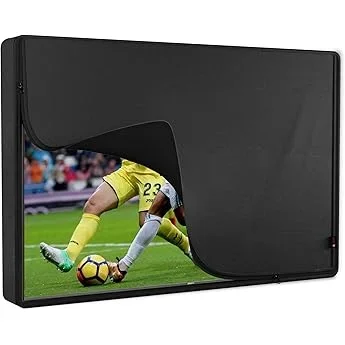
Outdoor living spaces have evolved far beyond simple patios and grills—today’s backyard oasis often includes a fully equipped outdoor bar, complete with ambient lighting, sound systems, and yes, a poolside TV. Whether you’re hosting summer soirées, watching the big game with friends, or simply unwinding after a long day, a poolside TV transforms your outdoor area into a true entertainment hub. But choosing the right TV for this unique environment isn’t as straightforward as picking up any old flat-screen from the electronics store. The combination of sun exposure, humidity, splashing water, temperature swings, and potential corrosion demands specialized equipment designed to withstand the elements while delivering crisp visuals and reliable performance.
That’s where this comprehensive buying guide comes in. We’ve spent countless hours researching, testing, and consulting with industry experts to bring you everything you need to know about selecting the perfect poolside TV for your outdoor bar setup in 2026. From understanding critical durability specs to navigating price tiers and avoiding common pitfalls, this guide is your go-to resource for making a smart, informed decision. You’ll learn how to balance performance, protection, and aesthetics—so your investment not only survives but thrives in your backyard retreat. The market has expanded significantly in recent years, with manufacturers now offering purpose-built outdoor TVs alongside weather-resistant indoor models that can be adapted for alfresco use. With options ranging from budget-friendly 43-inch screens to premium 85-inch weatherproof displays, there’s never been a better time to upgrade your outdoor entertainment experience.
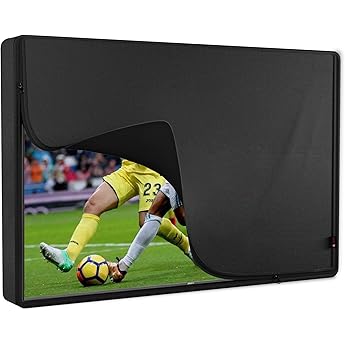
What to Look for When Buying a Poolside TV
1. Weather Resistance & IP Rating
When it comes to poolside TVs, weather resistance isn’t just a nice-to-have—it’s non-negotiable. Unlike indoor televisions, outdoor models must endure constant exposure to moisture, UV rays, dust, and temperature fluctuations. The most critical specification to check is the Ingress Protection (IP) rating, which indicates how well the TV resists solid particles (like dust) and liquids (like rain or pool splash). For poolside use, look for an IP55 rating or higher. IP55 means the TV is protected against dust ingress (limited to no harmful deposits) and low-pressure water jets from any direction—perfect for areas near pools, spas, or outdoor kitchens.
Some premium outdoor TVs even boast IP65 or IP66 ratings, offering full dust protection and resistance to powerful water jets. These are ideal if your TV will be mounted in an open area without a full roof or awning. Additionally, check whether the TV uses marine-grade aluminum or stainless steel in its construction, as these materials resist rust and corrosion far better than standard plastics or coated metals. Remember: even if you plan to install the TV under a covered patio, unexpected weather or splashing can still pose risks. Don’t cut corners here—your TV’s lifespan depends on it.
2. Brightness & Anti-Glare Display
Sunlight is the enemy of screen visibility outdoors. A standard indoor TV typically peaks at around 300–400 nits of brightness—fine for a dimly lit living room but nearly invisible in direct sunlight. For poolside viewing, you need a display capable of at least 700 nits, with many top-tier outdoor models pushing 1,000 to 2,500 nits. This high brightness ensures that colors remain vibrant and details stay sharp even at midday.
Equally important is anti-glare technology. Look for TVs with matte or optically bonded screens that diffuse reflections rather than reflecting them like a mirror. Some manufacturers use advanced optical bonding techniques, where the LCD panel is fused directly to the protective glass, eliminating air gaps that cause glare and improving contrast. OLED screens, while stunning indoors, often struggle outdoors due to lower peak brightness and susceptibility to burn-in under constant static content (like sports tickers). For poolside bars, QLED or high-brightness LED/LCD panels are generally the safer, more practical choice.
3. Operating Temperature Range
Outdoor environments experience far greater temperature extremes than climate-controlled homes. A TV left in direct sunlight can quickly overheat, while nighttime temperatures in desert or mountain regions can drop below freezing. Most indoor TVs are rated for operation between 32°F and 95°F (0°C to 35°C)—a range far too narrow for year-round outdoor use.
True outdoor TVs are engineered with expanded operating ranges, often from -30°F to 120°F (-34°C to 49°C). This ensures reliable performance whether you’re watching a winter football game in Minnesota or a summer barbecue in Arizona. Internal components like capacitors, processors, and cooling systems are specifically selected and tested for these conditions. If you live in an area with harsh seasons, verify the manufacturer’s stated temperature range before purchasing. Some models also include built-in heaters or fans to maintain optimal internal temperatures, adding another layer of reliability.
4. Build Quality & Durability
Beyond IP ratings and temperature specs, the overall build quality determines how well your TV will hold up over time. Look for robust enclosures made from powder-coated aluminum or stainless steel—materials that resist fading, warping, and corrosion. Avoid TVs with plastic backs or thin metal casings, as these can degrade quickly under UV exposure or salt air (if you’re near the coast).
Pay attention to hinge mechanisms, mounting brackets, and cable management systems. High-quality outdoor TVs often include sealed cable ports and conduit-ready designs to prevent water from seeping into connections. Also, consider the weight and thickness: heavier, thicker units often indicate sturdier construction. While sleekness matters for aesthetics, durability should always take precedence in an outdoor setting. A well-built TV might cost more upfront but will save you from frequent repairs or replacements down the line.
5. Smart Features & Connectivity
Even in your backyard, you’ll want access to streaming services, voice control, and seamless device integration. Most modern outdoor TVs come equipped with smart platforms like Android TV, webOS, or Roku OS, allowing you to stream Netflix, YouTube, or live sports directly without needing an external box. However, not all smart features are created equal—some budget models use stripped-down versions of these platforms with slower processors and limited app support.
Check for Wi-Fi 6 compatibility for faster, more stable streaming, especially if multiple devices are connected to your home network. HDMI 2.1 ports are ideal for future-proofing, supporting 4K/120Hz content and gaming consoles. USB ports, Bluetooth, and optical audio outputs add versatility for connecting soundbars, gaming systems, or external storage. If you plan to use the TV primarily for live sports or news, ensure it supports major broadcast apps and has minimal input lag. For poolside bars, ease of use is key—nobody wants to fiddle with complicated menus while entertaining guests.
6. Audio Performance & Sound Solutions
Outdoor acoustics are inherently challenging. Wind, water noise, and open space can drown out even the loudest built-in speakers. While some outdoor TVs include enhanced audio systems with upward-firing drivers or dedicated subwoofers, most still fall short for immersive sound. That’s why many homeowners pair their poolside TV with external weatherproof speakers or soundbars.
If you prefer an all-in-one solution, look for TVs with at least 20W of total audio output and support for Dolby Audio or DTS:X. However, for the best experience, consider investing in a separate outdoor audio system—wireless options like Sonos Move or Bose SoundLink Flex are portable and weather-resistant. Alternatively, hardwired in-ceiling or landscape speakers provide consistent, high-fidelity sound across your entire patio. Just ensure your TV has the necessary audio outputs (optical, HDMI ARC, or Bluetooth) to connect seamlessly.
7. Mounting Options & Installation Flexibility
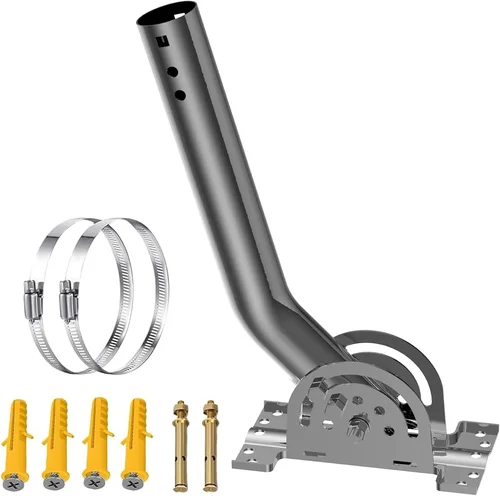
How and where you mount your TV significantly impacts both viewing comfort and longevity. Fixed wall mounts are the most common, but tilt or full-motion articulating mounts offer greater flexibility—especially if your seating arrangement changes or you want to adjust the angle to reduce glare. For poolside bars, consider a ceiling mount or a post-mounted system that keeps the screen elevated and visible from multiple vantage points.
Ensure the TV is VESA-compatible (most are) and that your chosen mount is rated for outdoor use with corrosion-resistant hardware. Some manufacturers sell proprietary mounting kits designed specifically for their outdoor models, which often include integrated cable channels and locking mechanisms. Professional installation is highly recommended, as improper mounting can void warranties or lead to safety hazards. Also, factor in cable routing: running wires through conduit or along beams protects them from weather and tampering.
8. Warranty & Customer Support
Outdoor electronics come with inherent risks, so a strong warranty is essential. Most reputable outdoor TV brands offer at least a 2-year warranty, with some extending coverage to 3 or even 5 years. Pay close attention to what’s covered: does it include labor, parts, and on-site service? Is accidental damage or power surge protection included? Avoid brands with limited or regional support—you don’t want to be stuck waiting weeks for a repair technician.
Read customer reviews about post-purchase experiences. Brands like SunBriteTV, Seura, and Samsung (with their Terrace line) are known for responsive customer service and comprehensive support networks. Also, check if the warranty requires professional installation—some manufacturers won’t honor claims if the TV was self-installed. A good warranty isn’t just a safety net; it’s a sign of confidence in the product’s durability.
Different Types of Poolside TVs

Common Buying Mistakes to Avoid
❌ Mistake: Using a Standard Indoor TV Outdoors
Why it’s bad: Indoor TVs lack weatherproofing, have low brightness, and aren’t built to handle temperature swings. Even under a covered patio, moisture, dust, and UV exposure can cause premature failure—often within months.
What to do instead: Invest in a TV specifically designed for outdoor use or pair a high-brightness indoor model with a certified outdoor enclosure. Never assume “it’ll be fine under the roof.”
❌ Mistake: Ignoring Sun Exposure When Choosing Brightness
Why it’s bad: A 500-nit TV might look great on a showroom floor, but in direct sunlight, it’ll appear washed out and hard to see. This leads to frustration and constant brightness adjustments.
What to do instead: Assess your installation spot honestly. If the TV gets more than 2–3 hours of direct sun daily, aim for 1,000+ nits. Use shade sails, pergolas, or strategic mounting to reduce glare when possible.
❌ Mistake: Overlooking Audio Needs
Why it’s bad: Most outdoor TVs have mediocre built-in speakers that can’t compete with ambient noise from pools, fountains, or crowds. You’ll end up straining to hear dialogue.
What to do instead: Plan your audio setup from day one. Budget for weatherproof speakers or a soundbar, and ensure your TV has the right audio outputs. Wireless options offer flexibility without messy wiring.
❌ Mistake: Skimping on Professional Installation
Why it’s bad: DIY mounting can lead to improper sealing, unstable brackets, or incorrect cable routing—voiding warranties and risking damage or injury.
What to do instead: Hire a certified installer experienced with outdoor AV systems. They’ll ensure proper grounding, weatherproofing, and compliance with local codes.
❌ Mistake: Not Checking Local Regulations
Why it’s bad: Some HOAs or municipalities restrict outdoor electronics due to noise, visibility, or electrical safety concerns. Installing without approval could result in fines or forced removal.
What to do instead: Review your HOA covenants and local ordinances before purchasing. Some areas require permits for permanent electrical installations.
❌ Mistake: Focusing Only on Screen Size
Why it’s bad: A massive 85-inch TV might seem impressive, but if it’s too bright, poorly angled, or lacks proper audio, the experience suffers. Size doesn’t equal quality.
What to do instead: Prioritize viewing distance and ambient conditions. For most poolside bars, a 55–65-inch screen offers the best balance of visibility and comfort.
❌ Mistake: Buying Based Solely on Price
Why it’s bad: The cheapest option often cuts corners on critical features like IP rating, brightness, or build materials, leading to higher long-term costs.
What to do instead: Treat your poolside TV as a long-term investment. Allocate budget based on usage frequency and environmental demands—not just upfront cost.
Budget Guidelines: How Much Should You Spend?
- Entry-Level ($800–$1,500): Ideal for covered patios with minimal sun exposure. Look for weather-resistant indoor TVs (like certain LG or Sony models) paired with third-party outdoor enclosures. Expect 500–700 nits brightness and basic smart features. Great for occasional use but may struggle in harsh conditions.
- Mid-Range ($1,500–$3,000): The sweet spot for most homeowners. Includes purpose-built outdoor TVs from brands like SunBriteTV or Samsung Terrace (smaller sizes). Expect 1,000+ nits, IP55+ rating, robust build quality, and full smart functionality. Perfect for semi-covered bars with partial sun.
- Premium ($3,000–$6,000): For enthusiasts who want top-tier performance and durability. Features include 2,000+ nits brightness, expanded temperature ranges, commercial-grade components, and advanced anti-glare coatings. Ideal for open-air setups or high-end backyard resorts.
- Luxury ($6,000+): Reserved for large-scale installations, luxury homes, or commercial venues. Includes massive 75–85-inch displays, 24/7 operation capability, integrated heating/cooling, and custom mounting solutions. Often used in pool clubs, hotels, or designer outdoor kitchens.
Expert Tips for Getting the Best Deal
- Buy during off-seasons: Prices drop in late fall and winter when demand for outdoor electronics declines. Look for Black Friday, Cyber Monday, or post-holiday sales for discounts up to 25%.
- Compare bundled packages: Some retailers offer TV + mount + speaker bundles at reduced rates. These can save you $200–$500 versus buying separately.
- Check manufacturer refurbished programs: Brands like Seura and SunBriteTV sell certified refurbished units with full warranties at 20–30% off retail.
- Negotiate with local AV installers: Many offer discounts if you bundle TV purchase with installation services. They may also have access to dealer-only pricing.
- Read the fine print on warranties: Ensure coverage includes outdoor use, power surges, and accidental damage. Some require registration within 30 days of purchase.
- Test before you commit: If possible, visit a showroom or dealer to see the TV in bright lighting. Pay attention to color accuracy, motion handling, and menu responsiveness.
- Consider financing options: Major retailers like Best Buy or Crutchfield offer 0% APR financing for qualified buyers, spreading cost over 12–24 months.
- Join loyalty programs: Sign up for newsletters from outdoor TV brands to receive exclusive promo codes, early access to sales, and maintenance tips.

Frequently Asked Questions
Q: Can I use my regular indoor TV by the pool if it’s under a covered patio?
A: Technically yes, but it’s not recommended for long-term use. Even covered areas experience humidity, splashes, and temperature changes that can damage internal components. For occasional use in fully shaded, dry conditions, it might last a season—but for reliable performance, invest in an outdoor-rated solution.
Q: Do outdoor TVs consume more power than indoor models?
A: Not necessarily. While high-brightness modes use more energy, many outdoor TVs are engineered for efficiency. Look for ENERGY STAR certification or models with automatic brightness adjustment based on ambient light.
Q: How do I clean my outdoor TV screen?
A: Use a microfiber cloth slightly dampened with distilled water or a screen-safe cleaner. Never spray liquid directly on the screen. Avoid ammonia-based cleaners, which can damage anti-glare coatings.
Q: Will an outdoor TV work in winter?
A: Yes—if it’s rated for low temperatures. Most outdoor models operate down to -30°F. However, avoid turning it on immediately after extreme cold; let it acclimate for 1–2 hours to prevent condensation.
Q: Can I stream 4K content outdoors?
A: Absolutely. Most modern outdoor TVs support 4K HDR streaming via Wi-Fi or Ethernet. Just ensure your internet speed is at least 25 Mbps for smooth playback.
Q: Are outdoor TVs compatible with voice assistants?
A: Many are. Models with Google Assistant, Alexa, or Siri integration allow hands-free control—perfect when your hands are wet or holding a drink.
Q: What’s the average lifespan of an outdoor TV?
A: With proper care and installation, a quality outdoor TV should last 7–10 years. Cheaper or improperly installed units may fail in 2–3 years.
Q: Do I need a special outlet for an outdoor TV?
A: Yes. Use a GFCI (Ground Fault Circuit Interrupter) outlet installed by a licensed electrician. This protects against electrical shock in wet environments.
Q: Can I mount an outdoor TV on a brick or stucco wall?
A: Yes, but use appropriate anchors and seal all penetrations with outdoor-grade silicone to prevent water intrusion.
Q: Are there solar-powered outdoor TV options?
A: While not common, some DIY enthusiasts have built solar setups using portable power stations. However, for permanent installations, grid power is more reliable.
Our Final Recommendations
- Best for Budget-Conscious Buyers: SunBriteTV Veranda Series (55″) – At around $1,800, it offers excellent brightness (1,000 nits), IP55 rating, and reliable smart features. Perfect for covered patios.
- Best Overall Value: Samsung The Terrace (65″) – Combines stunning QLED picture quality, 2,000-nit brightness, and robust weatherproofing. Priced around $3,500, it’s a standout for semi-covered bars.
- Best Premium Option: Seura Shadow TV (75″) – A luxury mirror TV that disappears into your wall when off. With 1,500 nits and IP65 rating, it’s ideal for high-end, design-forward spaces (~$7,000).
- Best for Beginners: LG OLED G3 + Outdoor Enclosure (55″) – Pair this bright, vivid indoor OLED with a reputable enclosure like the Peerless-AV Outdoor Enclosure. Great for those wanting familiar tech with outdoor protection (~$2,200 total).
- Best for Advanced Users: SunBriteTV Pro Series (85″) – Built for 24/7 operation in full sun, with 2,500 nits, commercial-grade components, and integrated cooling. Ideal for resort-style setups (~$9,500).
Conclusion: Making the Right Choice
Choosing a poolside TV isn’t just about picking the biggest or shiniest screen—it’s about finding a balance between performance, protection, and practicality. Your outdoor bar is an extension of your home, a place for connection, relaxation, and celebration. The right TV enhances that experience, turning casual gatherings into memorable events. By prioritizing weather resistance, brightness, build quality, and smart features, you ensure your investment delivers years of enjoyment, not frustration.
Remember, the cheapest option rarely offers the best long-term value. Assess your specific environment: How much sun does your space get? Is it fully covered or exposed? How often will you use it? These questions will guide you toward the perfect model. And don’t overlook the importance of professional installation and complementary audio—they’re just as crucial as the TV itself.
As outdoor living continues to evolve in 2026, the technology behind poolside entertainment is more advanced and accessible than ever. Whether you’re sipping cocktails at sunset or cheering on your team under the stars, your TV should be a seamless, reliable part of the experience. Use this guide as your roadmap, trust your instincts, and invest wisely. Your backyard deserves nothing less.

