
When it comes to transforming your covered patio into a true outdoor entertainment hub, few upgrades deliver as much impact—and enjoyment—as installing a poolside TV. Whether you’re hosting summer barbecues, relaxing with a cold drink after a swim, or catching the big game while lounging poolside, having a high-quality television designed for outdoor use elevates the entire experience. But here’s the catch: not all TVs are created equal, especially when it comes to outdoor environments. A standard indoor TV might look great in your living room, but expose it to humidity, temperature swings, or even indirect sunlight, and you could be facing costly repairs or a shortened lifespan.
That’s why this comprehensive buying guide exists—to help you navigate the often-confusing world of outdoor televisions and make an informed decision that matches your needs, budget, and lifestyle. Whether you’re a first-time buyer or upgrading from an older model, this guide will walk you through everything you need to know before making a purchase. We’ll cover key factors like weather resistance, display performance, installation requirements, and smart features, all tailored specifically for use on a covered patio near your pool. By the end, you’ll have the confidence to choose a TV that not only survives the elements but enhances your outdoor living space for years to come.
The market for outdoor TVs has evolved significantly over the past few years. What was once a niche category dominated by bulky, expensive models has now expanded into a diverse range of options—from fully weatherproofed outdoor displays to high-brightness indoor TVs suitable for covered areas. Brands like Samsung, LG, Sony, and specialized outdoor manufacturers such as SunBriteTV and Seura have stepped up their game, offering sleek designs, 4K resolution, HDR support, and even built-in streaming capabilities. At the same time, advancements in anti-glare coatings, enhanced brightness (measured in nits), and durable enclosures have made outdoor viewing more enjoyable than ever. With so many choices available, it’s easy to feel overwhelmed—but with the right knowledge, you can find the perfect poolside TV that fits seamlessly into your outdoor oasis.

What to Look for When Buying Buying Guide
1. Weather Resistance & Environmental Protection
One of the most critical factors when selecting a poolside TV is its ability to withstand the unique environmental conditions found in outdoor spaces—even under a covered patio. While your TV may be shielded from direct rain, it’s still exposed to high humidity, salt air (if you live near the coast), temperature fluctuations, dust, and occasional splashes from the pool. That’s why weather resistance isn’t just a nice-to-have—it’s essential.
Look for TVs that are specifically rated for outdoor use. These models typically come with an IP (Ingress Protection) rating, such as IP55 or IP65, which indicates protection against dust and water jets. For example, an IP55 rating means the TV is protected from limited dust ingress and low-pressure water jets from any direction—perfect for a covered patio where rain isn’t a direct threat but moisture in the air is. Avoid standard indoor TVs, even if they’re placed under cover; they lack the sealed components and corrosion-resistant materials needed for long-term outdoor durability.
Additionally, consider the TV’s operating temperature range. Most outdoor TVs are designed to function reliably between -22°F and 122°F (-30°C to 50°C), which covers nearly all climate zones. If you live in an area with extreme winters or scorching summers, this spec becomes even more important. Also, check whether the TV includes a protective front glass or anti-reflective coating—this helps prevent condensation buildup and protects the screen from accidental splashes or debris.
2. Display Brightness & Anti-Glare Performance
Outdoor lighting presents a major challenge for TV visibility. Even under a covered patio, ambient light from the sky, reflections off water, or nearby windows can wash out the image on a standard TV screen. That’s why brightness—measured in nits—is one of the most important specs for any poolside television.
For optimal viewing in semi-outdoor conditions, aim for a minimum brightness of 700 nits. However, if your patio gets a lot of indirect sunlight or you plan to watch during daytime hours, look for models with 1,000 nits or higher. Some premium outdoor TVs boast brightness levels exceeding 2,500 nits, making them visible even in bright daylight. This is especially useful if your seating area faces east or west, where morning or afternoon sun can create glare.
Equally important is the screen’s anti-glare treatment. Many outdoor TVs feature optically bonded glass or matte finishes that reduce reflections and improve contrast in bright environments. Unlike glossy indoor screens, which can turn into mirrors under sunlight, these specialized coatings diffuse light and maintain image clarity. You’ll also want to check the TV’s viewing angle—ideally, it should offer at least 178 degrees horizontally and vertically, so everyone around the pool can enjoy a clear picture without color distortion.
Don’t forget about HDR (High Dynamic Range) support. While not exclusive to outdoor TVs, HDR enhances color depth, contrast, and detail, making movies and sports look more vibrant—even in challenging lighting. Look for HDR10, Dolby Vision, or HLG compatibility, depending on your content sources.
3. Build Quality & Durustruction Materials
A poolside TV isn’t just exposed to the elements—it’s also subject to physical wear and tear. Kids playing near the pool, accidental bumps, or even cleaning routines can put stress on the unit. That’s why build quality matters just as much as technical specs.
Start by examining the materials used in the TV’s construction. High-end outdoor models often feature powder-coated aluminum chassis, stainless steel hardware, and reinforced glass fronts. These materials resist rust, fading, and impact damage far better than plastic or untreated metal. Avoid TVs with exposed vents or unsealed ports—these can allow moisture and insects to enter the internal components.
Another key aspect is the mounting system. Most outdoor TVs are VESA-compatible, meaning they can be mounted on standard wall brackets or articulating arms. However, ensure the mount you choose is also rated for outdoor use and can support the TV’s weight. For added security, consider a locking mount or one with a tamper-resistant design, especially if your patio is accessible to children or guests.
Also, pay attention to cable management. Outdoor TVs should include weatherproof cable glands or pass-through ports to protect HDMI, power, and antenna connections from moisture. Running cables through conduit or using outdoor-rated extension cords is highly recommended to prevent electrical hazards and prolong cable life.
4. Smart Features & Connectivity Options
Today’s outdoor TVs aren’t just about surviving the elements—they’re also expected to deliver the same smart functionality as their indoor counterparts. Whether you’re streaming Netflix, tuning into live sports, or controlling your TV with voice commands, having the right connectivity and software features makes a big difference.
Start with the operating system. Most modern outdoor TVs run on platforms like Android TV, webOS (LG), Tizen (Samsung), or Roku TV. Each has its strengths: Android TV offers extensive app support and Google Assistant integration, while Roku provides a simple, user-friendly interface with broad streaming compatibility. Choose one that aligns with your existing devices and preferences.
Next, evaluate the input options. Look for multiple HDMI ports (at least two, preferably three), USB ports for media playback, and an Ethernet port for wired internet connectivity. Wi-Fi 5 or Wi-Fi 6 support is essential for smooth streaming, especially if your patio is far from your router. Some models also include built-in Bluetooth for connecting wireless speakers or headphones—a great feature for late-night viewing without disturbing others.
Don’t overlook audio capabilities. While many outdoor TVs have decent built-in speakers, the acoustics of an open patio can diminish sound quality. Consider pairing your TV with outdoor-rated soundbars or wireless speakers for richer audio. Alternatively, look for models with optical audio output or ARC (Audio Return Channel) support to connect to external sound systems.
5. Size & Viewing Distance
Choosing the right screen size for your poolside setup is crucial for both comfort and visual impact. Too small, and viewers will struggle to see details; too large, and it can overwhelm the space or require excessive brightness to fill the screen effectively.
A good rule of thumb is to match screen size to viewing distance. For most covered patios, a 55-inch to 65-inch TV is ideal. If your primary seating area is 8 to 10 feet away, a 55-inch screen provides an immersive experience without straining the eyes. For larger gatherings or longer distances (12+ feet), consider a 65-inch or 75-inch model. However, always measure your space and account for obstructions like pillars, plants, or furniture.
Also, consider the TV’s bezel design. Slim bezels create a more modern, seamless look and maximize screen real estate. Some outdoor TVs are designed with minimal frames to blend into outdoor décor, while others prioritize durability with thicker edges. Choose based on your aesthetic preference and installation method—wall-mounted units benefit from slim profiles, while freestanding models may need sturdier construction.
6. Brand Reputation & Reliability
Not all TV brands are equally equipped to handle the demands of outdoor use. While mainstream manufacturers like Samsung and LG offer some outdoor-capable models, they often lack the specialized engineering found in brands dedicated solely to outdoor displays.
SunBriteTV, for instance, has been a leader in the outdoor TV market for over a decade, offering fully sealed, weatherproof designs with enhanced brightness and cooling systems. Seura focuses on luxury outdoor entertainment with sleek, mirror-finish TVs that double as decorative elements when powered off. Other reputable names include Aviditi, Peerless-AV, and SkyVue.
When evaluating brands, look beyond marketing claims and dig into real-world performance. Check professional reviews, customer testimonials, and third-party testing results. Pay attention to how the company handles firmware updates, customer service, and long-term support. A brand with a strong track record in outdoor electronics is more likely to stand behind its products and provide reliable service if issues arise.
7. Warranty & Support
Outdoor TVs represent a significant investment, so protecting that investment with a solid warranty is essential. Most reputable manufacturers offer at least a one-year limited warranty, but premium models often come with two to three years of coverage. Some even provide extended warranties for an additional fee.
Read the fine print carefully. Does the warranty cover damage from moisture, power surges, or accidental impacts? Is it voided if the TV is installed incorrectly or used in extreme temperatures? Also, check whether the warranty includes on-site service or requires you to ship the unit back for repairs—this can make a big difference in convenience and downtime.
Customer support is another critical factor. Look for brands that offer responsive technical assistance via phone, email, or live chat. Online resources like installation guides, troubleshooting videos, and FAQs can also save you time and frustration. If possible, test the support team before buying by asking a technical question—this gives you a sense of their expertise and responsiveness.
8. User Reviews & Real-World Performance
While specs and marketing materials provide useful guidance, nothing beats real-world feedback from actual users. Before finalizing your purchase, spend time reading customer reviews on trusted platforms like Amazon, Best Buy, or specialty outdoor electronics retailers.
Look for patterns in the feedback. Are users consistently praising the TV’s brightness and durability? Or are there recurring complaints about connectivity issues, remote control range, or software bugs? Pay special attention to reviews from people in similar climates or setups—someone using the TV in a humid Florida patio will have different insights than someone in a dry Arizona desert.
Also, check for long-term reviews (6 months or more) to assess reliability over time. A TV that works perfectly out of the box may develop issues after exposure to seasonal changes. Video reviews on YouTube can be especially helpful, as they often show the TV in action under real lighting conditions.
Different Types of Buying Guide

Common Buying Mistakes to Avoid
❌ Mistake: Buying a Standard Indoor TV for Outdoor Use
Why it’s bad: Indoor TVs aren’t designed to handle humidity, temperature changes, or dust. Even under a covered patio, moisture can seep into vents and corrode internal components, leading to premature failure. Additionally, their screens are too dim for outdoor lighting, resulting in a washed-out image.
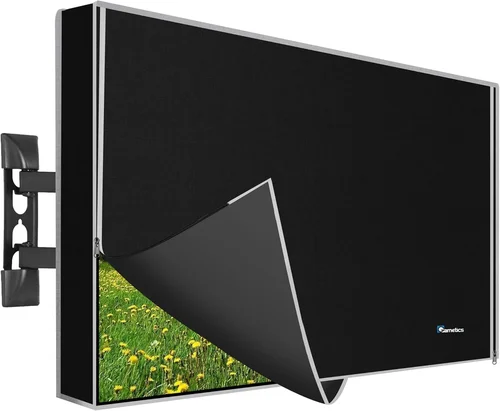
What to do instead: Invest in a TV specifically rated for outdoor or semi-outdoor use. If budget is a concern, consider a high-brightness indoor model paired with a weatherproof enclosure—but never use a standard TV alone.
❌ Mistake: Ignoring Brightness Requirements
Why it’s bad: A TV with low brightness (under 500 nits) will be nearly unwatchable during the day, even under cover. Glare from water or nearby surfaces can further degrade visibility, making it frustrating to enjoy content.
What to do instead: Prioritize brightness—aim for at least 700 nits, and 1,000+ nits if your patio gets indirect sunlight. Always check real-world reviews to confirm performance in similar conditions.
❌ Mistake: Overlooking Installation & Mounting Needs
Why it’s bad: Improper mounting can lead to instability, water intrusion, or even the TV falling. Using indoor mounts outdoors risks rust and structural failure.
What to do instead: Use VESA-compatible outdoor mounts rated for your TV’s weight and climate. Ensure cables are routed through weatherproof conduits and secured against tampering.
❌ Mistake: Skipping Audio Planning
Why it’s bad: Built-in TV speakers often sound tinny in open outdoor spaces. Wind, water noise, and distance can make dialogue hard to hear.
What to do instead: Plan for external audio from the start. Invest in outdoor soundbars, wireless speakers, or a full outdoor audio system with weather-resistant components.
❌ Mistake: Not Checking Warranty Coverage
Why it’s bad: Many warranties exclude damage from environmental factors. If your TV fails due to humidity or power surges, you could be stuck with repair costs.
What to do instead: Read warranty terms carefully. Choose brands that explicitly cover outdoor use and offer extended protection plans.
❌ Mistake: Choosing Based Solely on Price
Why it’s bad: The cheapest option may save money upfront but cost more in the long run due to poor durability, frequent repairs, or early replacement.
What to do instead: Balance cost with features, build quality, and expected lifespan. A mid-range outdoor TV often provides better value than a bargain indoor model.
❌ Mistake: Forgetting About Future-Proofing
Why it’s bad: Technology evolves quickly. A TV without 4K, HDR, or smart features may feel outdated within a few years.
What to do instead: Opt for models with modern standards like 4K resolution, HDR10, and Wi-Fi 6. Ensure the OS receives regular updates for app compatibility and security.
Budget Guidelines: How Much Should You Spend?
Entry-Level ($600 – $1,200): This tier includes high-brightness indoor TVs suitable for fully covered patios with minimal light exposure. Models like the Samsung Q60C or LG UQ75 offer 4K resolution, smart features, and decent brightness (around 400–600 nits). While not weatherproof, they can work well in protected areas if paired with a sealed enclosure. Expect basic audio and limited outdoor durability.
Mid-Range ($1,200 – $2,500): This is the sweet spot for most poolside buyers. You’ll find purpose-built outdoor TVs like the SunBriteTV Veranda Series or Aviditi Pro models, featuring IP55 ratings, 1,000+ nits brightness, and robust construction. These units include smart platforms, multiple HDMI ports, and often come with wall mounts. They’re ideal for semi-covered patios with moderate environmental exposure.
Premium ($2,500 – $4,000): Designed for enthusiasts and frequent entertainers, premium outdoor TVs offer top-tier performance. Expect features like 2,500+ nits brightness, Dolby Vision HDR, integrated soundbars, and advanced cooling systems. Brands like Seura and Peerless-AV dominate this space, delivering both durability and luxury aesthetics. These models are built to last a decade or more with minimal maintenance.
Luxury ($4,000+): At this level, you’re investing in statement pieces. Mirror TVs that disappear into décor, ultra-thin weatherproof designs, and custom integration options define this tier. These are perfect for high-end homes where form and function are equally important. While expensive, they offer unmatched longevity, design flexibility, and performance.
Expert Tips for Getting the Best Deal
– Buy During Off-Season: Outdoor TVs see peak demand in spring and summer. Shop in late fall or winter (October–February) for discounts of 15–30% as retailers clear inventory.
– Compare Retailers: Don’t limit yourself to big-box stores. Specialty outdoor electronics retailers often offer better warranties, installation services, and expert advice. Online marketplaces like Amazon and Crutchfield provide competitive pricing and user reviews.
– Bundle with Accessories: Some sellers offer package deals that include mounts, cables, or soundbars at a reduced rate. These can save you $100–$300 compared to buying separately.
– Check for Rebates & Promotions: Manufacturers like SunBriteTV occasionally run rebate programs or partner with energy companies for eco-friendly incentives. Sign up for newsletters to stay informed.
– Inspect Return Policies: Ensure the retailer allows returns within 30 days, especially for large items. Outdoor TVs are difficult to resell, so a flexible return window protects your investment.
– Test Before Finalizing: If possible, visit a showroom to see the TV in person. Check brightness, color accuracy, and remote responsiveness under lighting similar to your patio.
– Consider Professional Installation: While DIY is possible, hiring a certified installer ensures proper mounting, cable management, and safety compliance—especially important for heavy or complex setups.
– Register Your Product: Always register your TV with the manufacturer to activate the full warranty and receive firmware updates and support notifications.
Frequently Asked Questions
Q: Can I use a regular TV under a covered patio?
A: Technically yes, but it’s not recommended for long-term use. Standard TVs lack weatherproofing and aren’t built to handle humidity or temperature swings. If you must use one, ensure it’s in a fully enclosed, climate-controlled space with no direct exposure to moisture.
Q: How far should my TV be from the seating area?
A: For a 55-inch TV, sit 7–9 feet away. For 65 inches, aim for 8–10 feet. Use the 1.5x to 2.5x screen diagonal rule: multiply the screen size (in inches) by 1.5 for minimum distance and 2.5 for maximum.
Q: Do outdoor TVs need special power outlets?
A: Not necessarily, but they should be connected to a GFCI (Ground Fault Circuit Interrupter) outlet for safety, especially near water. Use outdoor-rated extension cords and surge protectors.
Q: Can I leave my outdoor TV on all the time?
A: Most outdoor TVs are designed for continuous use, but it’s best to turn them off when not in use to extend lifespan and save energy. Some models include timers or motion sensors for automation.
Q: Are outdoor TVs energy efficient?
A: Yes, many modern models are ENERGY STAR certified. LED backlighting and efficient processors reduce power consumption compared to older plasma or LCD models.
Q: What’s the difference between IP55 and IP65?
A: IP55 protects against dust and low-pressure water jets. IP65 offers complete dust protection and resistance to water projected from a nozzle. For covered patios, IP55 is usually sufficient.
Q: Can I stream content without Wi-Fi?
A: Yes, you can use Ethernet for wired internet or connect USB drives for local media playback. Some models also support HDMI streaming devices like Roku or Apple TV.
Q: How do I clean my outdoor TV?
A: Use a microfiber cloth and mild glass cleaner. Avoid ammonia-based products or abrasive materials. Power off the TV and unplug it before cleaning.
Q: Will my outdoor TV work in winter?
A: Most outdoor TVs operate down to -22°F (-30°C). However, avoid turning them on immediately after exposure to extreme cold—let them acclimate to room temperature first.
Q: Can I mount my TV on a brick or stucco wall?
A: Yes, but use appropriate anchors and ensure the wall can support the weight. Consult a professional if unsure about structural integrity.
Our Final Recommendations
Best for Budget-Conscious Buyers: Samsung Q60C 55″ QLED 4K Smart TV – With 600 nits brightness and excellent color accuracy, this indoor model works well in fully covered patios when paired with a weatherproof enclosure. Great value under $800.
Best Overall Value: SunBriteTV Veranda Series 55″ 4K Outdoor TV – Fully weatherproof, 1,000 nits brightness, and robust build quality make this the top choice for most covered patios. Priced around $1,800, it balances performance and durability.
Best Premium Option: Seura 65″ Outdoor Mirror TV – When powered off, it becomes a sleek mirror that blends into your décor. Offers 2,500 nits brightness, Dolby Vision, and luxury design. Ideal for high-end homes.
Best for Beginners: LG UQ75 65″ 4K Smart TV – User-friendly webOS interface, good brightness (500 nits), and reliable performance. Best for those new to outdoor setups who want simplicity and smart features.
Best for Advanced Users: Peerless-AV Xtreme 75″ Outdoor TV – Built for extreme conditions with IP65 rating, 3,000 nits brightness, and modular design. Perfect for tech-savvy users who demand maximum performance and customization.
Conclusion: Making the Right Choice
Choosing the right poolside TV for your covered patio is about more than just picking a screen size or brand—it’s about understanding your environment, lifestyle, and long-term goals. From weather resistance and brightness to smart features and audio quality, every decision shapes your outdoor entertainment experience. By focusing on durability, visibility, and usability, you can avoid common pitfalls and invest in a TV that enhances your space for years to come.
Remember, the best TV isn’t always the most expensive or the biggest—it’s the one that fits your specific needs. Whether you’re watching sunset movies with family or hosting game-day parties, your poolside TV should deliver reliable performance, stunning visuals, and seamless integration into your outdoor oasis. Take the time to research, compare options, and prioritize what matters most to you. With the insights from this guide, you’re now equipped to make a confident, informed decision that brings joy to every moment spent by the pool.

